The eighth house in astrology is the house of transformation, intimacy and shared resources. It governs joint money, inheritance and debt, deep emotional and physical merging, and the cycles of ending and beginning that change a person. Traditionally linked to Scorpio, ruled by Pluto in modern practice and by Mars in older systems.
Key Takeaways
- The eighth house covers transformation, intimacy, shared and inherited money, debt, and profound psychological change.
- Its natural sign is Scorpio. Modern astrology gives it to Pluto; traditional and Vedic astrology give it to Mars.
- In Vedic astrology it is Randhra Bhava, the house of hidden things, also called Ayur Bhava for its link to longevity.
- Older texts call it the house of death. No astrologer can predict death, and modern readings treat it as endings and change.
- Where the second house covers what you earn alone, the eighth covers what you merge, owe, or receive from others.
- Astrology is a reflective tradition, not prediction. Nothing here forecasts events, health, or financial outcomes.
What the eighth house governs
The eighth house handles everything that involves genuinely merging with another person, and everything that changes you in the process. That covers three connected areas: shared resources, deep intimacy, and transformation itself. It is the least casual house in the chart.
Shared resources is the most concrete part. The eighth governs joint bank accounts, a partner's income, inheritance, tax, insurance, loans and debt. The distinction from the second house is clean: the second is what you earn and own by yourself, the eighth is anything where your finances are entangled with someone else's.
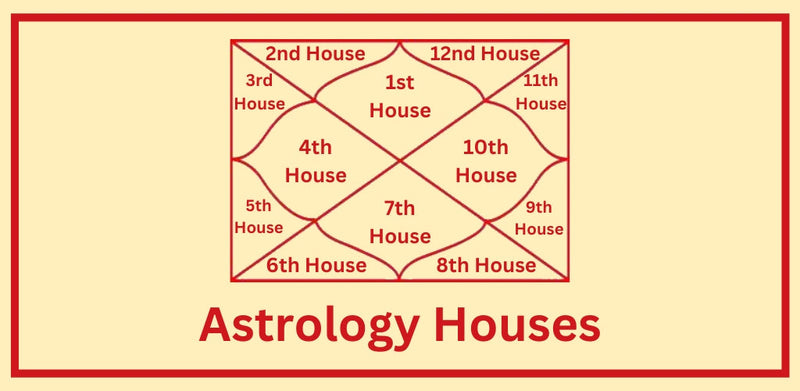
Intimacy here means more than romance. It is the willingness to be known completely, with the vulnerability that requires. And transformation is what tends to follow: the eighth house describes the experiences that end one version of you and begin another. According to Encyclopaedia Britannica, the twelve-house system descends from Hellenistic astrology, where this segment carried themes of death, inheritance and the hidden. For the full map, see our guide to the 12 astrological houses.
The house of death: what that name actually means
The eighth house is sometimes called the house of death, and it is worth addressing that directly rather than letting it sit as a vague dread. Classical astrology did assign mortality to this segment, alongside inheritance and legacies, which in a pre-modern world were the same conversation.
No astrologer can predict death. Any reading that claims to tell you when or how you will die is not practising a tradition, it is causing harm, and it should be dismissed outright. Reputable practitioners across both Western and Vedic astrology decline that question as a matter of ethics.
What modern practice does with the house is read it psychologically. Endings, grief, the closing of chapters, the loss of an identity you had outgrown. The traditional image is death and rebirth as a pair: something finishes so that something else can start. Read that way, the eighth house is about survival and what you become afterward.
Randhra Bhava: the eighth house in Vedic astrology
In Indian astrology the eighth house is Randhra Bhava, the house of openings, gaps or hidden things. It is also known as Ayur Bhava, the house of longevity, since classical texts examined it when considering the length of a life. It governs sudden events, occult and esoteric knowledge, inheritance, and anything that operates out of sight.
It is classed as a dusthana, one of the three difficult houses alongside the sixth and twelfth. Planets here were traditionally read as troubled or obstructed. That said, the same house is credited with depth of insight, research ability, and an aptitude for mystical or investigative work, so its difficulty was never the whole story.
The Western and Vedic readings meet on hiddenness, inheritance and transformation. They diverge on emphasis: Vedic astrology dwells more on sudden events and longevity, Western practice more on psychological depth and intimacy.
Planets in the eighth house
A planet in the eighth house is read as operating in the register of intensity: whatever it governs will be experienced deeply, privately, and often through change. Most charts have no planets here.
| Planet in the 8th | Traditional reading |
|---|---|
| Sun | Identity forged through transformation; a private person shaped by what they have survived |
| Moon | Deep emotional intensity; strong need for genuine intimacy, uneasy with surface connection |
| Mercury | An investigative mind; drawn to research, psychology, and what other people avoid discussing |
| Venus | Attraction to depth and intensity in love; finances often entangled with a partner's |
| Mars | Powerful drive channelled privately; capable of total commitment, prone to power struggles |
| Jupiter | Growth through crisis; traditionally linked to benefit through inheritance or joint resources |
| Saturn | Slow, hard-won transformation; caution about dependency and shared money |
| Uranus | Sudden, disruptive change; upheavals that arrive without warning and reset everything |
| Neptune | Dissolving boundaries in intimacy; spiritual depth, with a risk of confusion over shared money |
| Pluto | At home here; repeated, thorough transformation, and an instinct for what lies beneath |
These describe tendencies, not fates. An eighth-house Saturn does not mean financial ruin, and an eighth-house Uranus does not guarantee catastrophe.
The sign on your eighth-house cusp
Everyone has a sign on the eighth cusp, which describes how you handle change, intimacy and entangled resources, whether or not a planet sits there.
Fire signs on the cusp (Aries, Leo, Sagittarius) suggest meeting upheaval head-on, sometimes recklessly, with a capacity to rebuild fast. Earth signs (Taurus, Virgo, Capricorn) resist change and manage shared money carefully; transformation is slow but thorough. Air signs (Gemini, Libra, Aquarius) process change by thinking and talking it through, and may intellectualise what needs to be felt. Water signs (Cancer, Scorpio, Pisces) feel transformation fully and are at home in the emotional depths this house describes.
A useful question: what do you do in the first week after something in your life collapses? The eighth-house cusp sign usually describes that instinct, and knowing it makes the reaction easier to work with.
Crystals traditionally paired with the eighth house
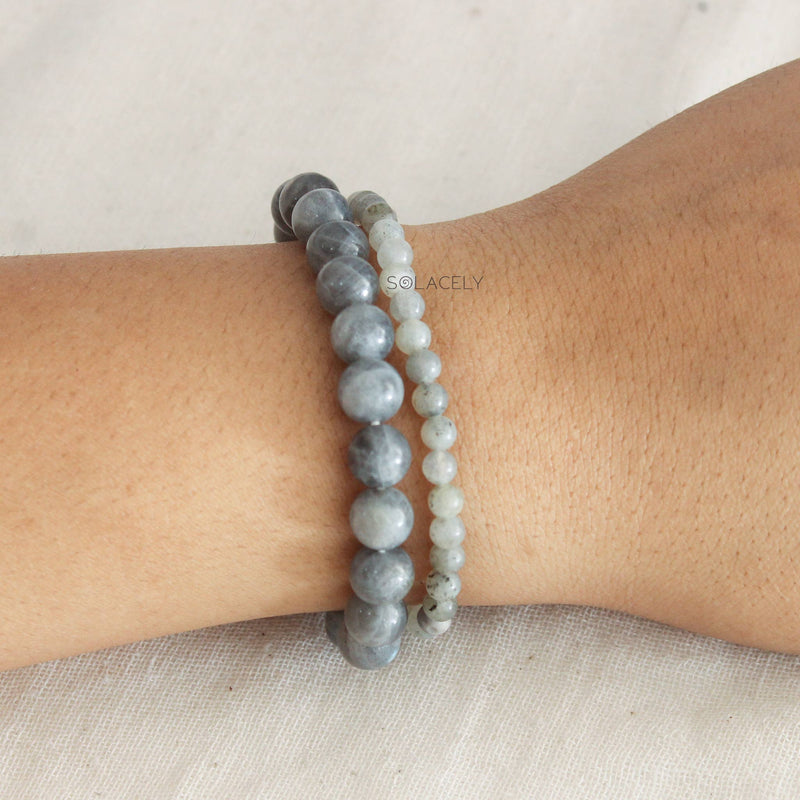
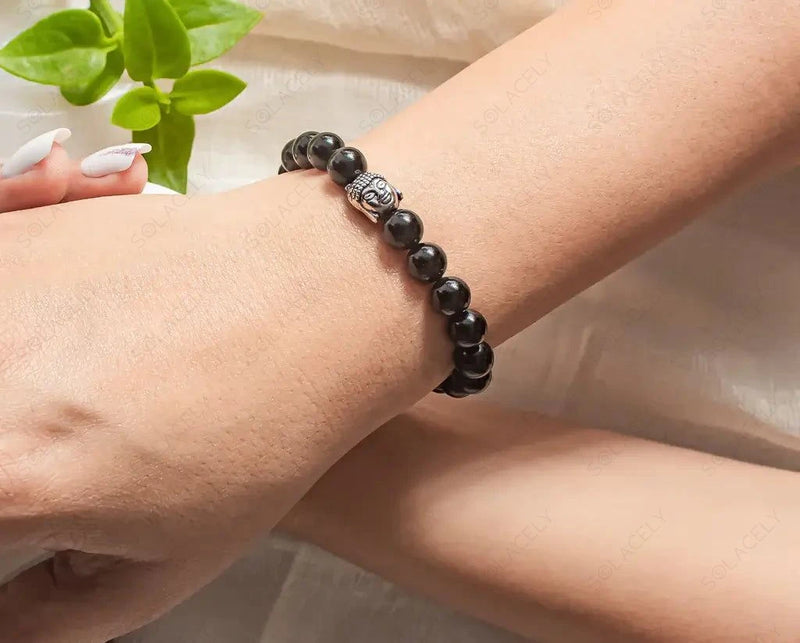
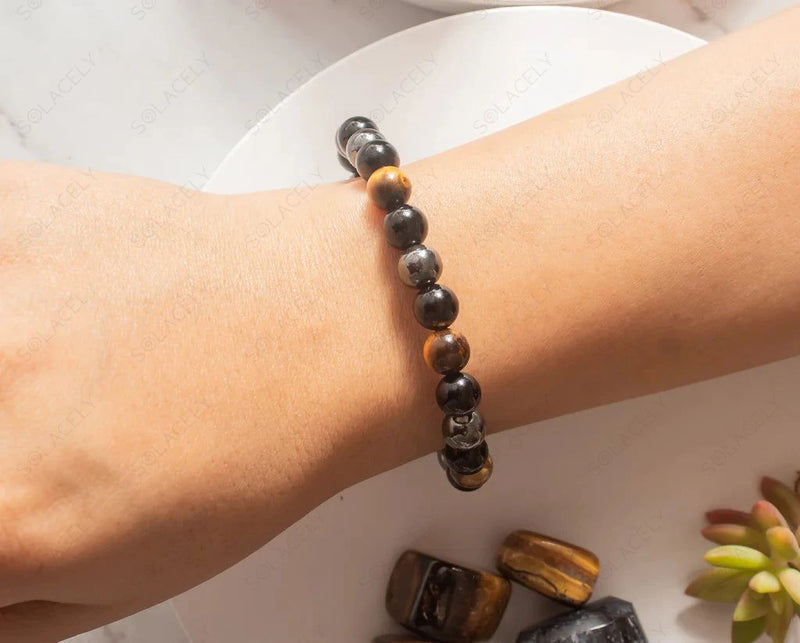
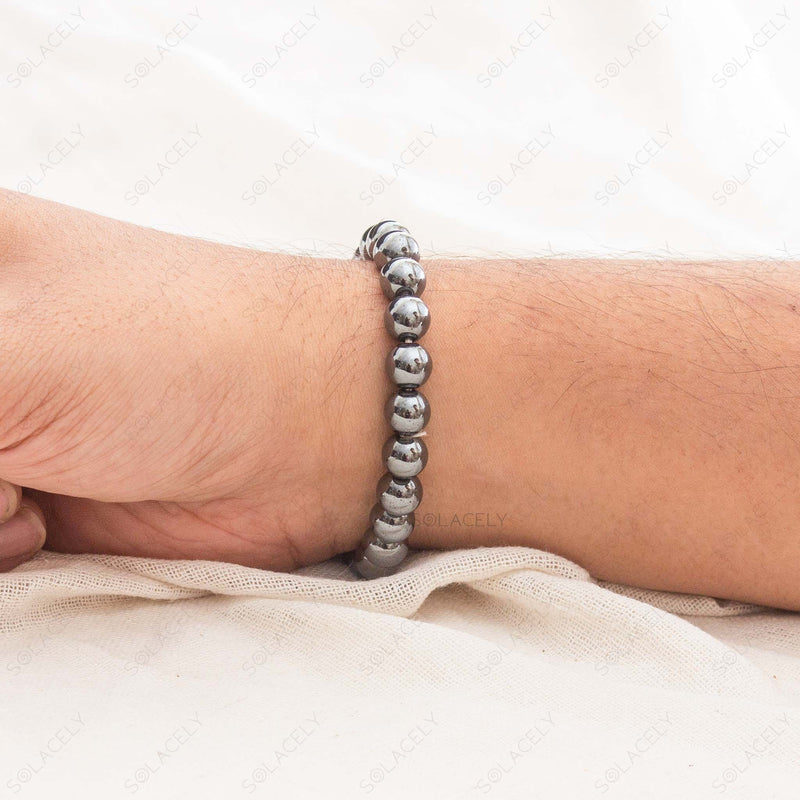
Because the eighth house deals in intensity and change, the stones associated with it are dark and grounding rather than soothing: labradorite, black obsidian, smoky quartz, black tourmaline and hematite. In crystal tradition they are kept as an anchor during difficult passages, not as protection from events.
| Crystal | Traditional eighth-house association |
|---|---|
| Labradorite | Navigating transition; the stone of the threshold |
| Black obsidian | Honest self-examination, facing what you would rather not see |
| Smoky quartz | Releasing what has finished; letting go without forcing it |
| Black tourmaline | Protection and boundaries through an unsettled period |
| Hematite | Staying anchored when everything else is moving |
These are focus objects, nothing more. Grief, upheaval and financial difficulty need real support: people, and where appropriate professionals. A stone in your pocket is a reminder to breathe, not a substitute for either. For the sign that shares this house's depth, see our guide to crystals for Scorpio.
Working with your eighth house
The eighth house is the hardest part of the chart to work with deliberately, because most of what it governs arrives uninvited. What you can do is notice your patterns around change, trust and shared resources before a crisis forces the issue.
- Look at your relationship with control. Scorpio's fingerprint here is intensity about power. Where do you grip hardest, and what happens when you cannot?
- Get the shared money clear. The eighth house's most practical lesson is that entangled finances need explicit conversations, early, in plain language.
- Notice what you hide. This is the house of the concealed. The material you keep from people closest to you is eighth-house material.
- Let endings be endings. The tradition's core claim is that something must finish for the next thing to begin. Prolonging a closed chapter is the eighth house's central difficulty.
- Ask for help. The house is about not being self-sufficient. Receiving, whether money, care or support, is its actual skill.
The house directly opposite is the second, which governs what you own and earn alone. Tradition reads the axis as the tension between self-reliance and interdependence. The seventh house of partnership sits just below, and the ninth house of belief and meaning follows above.
Sources
- Encyclopaedia Britannica, astrology: the horoscope and the house system. britannica.com
- Encyclopaedia Britannica, horoscope, the chart of the heavens and its twelve houses. britannica.com
- Encyclopaedia Britannica, Pluto and its place in modern astrological rulership. britannica.com
Frequently asked questions
About the author


Written by Chetna Sharma, crystal healing practitioner and co-founder of Solacely. Chetna has worked with healing crystals for over a decade and curates Solacely's protective stone collection.