The first house in astrology is the house of the self. It governs your identity, physical appearance, temperament, and the first impression you make on the world. Its starting point is the Ascendant, or rising sign, the zodiac sign lifting over the eastern horizon at the exact minute you were born.
Key Takeaways
- The 1st house rules identity, appearance, temperament, and first impressions. In Vedic astrology it is called the Lagna, the anchor of the whole chart.
- Its cusp is the Ascendant (rising sign), the sign on the eastern horizon at birth. It changes roughly every two hours, so your exact birth time is essential.
- The 1st house is one of four 'angular' houses, traditionally read as the strongest positions in a chart.
- Planets in the 1st house are said to strongly colour your personality and how others read you at first glance.
- Supportive crystals include Clear Quartz for clarity, Carnelian for confidence, and Rose Quartz for gentle self-worth.
- Astrology here is a cultural and reflective tradition, not science. Read your first house as a mirror, not a forecast.
What is the first house in astrology?
The first house is the opening segment of the birth-chart wheel, and it represents you: your body, your instinctive nature, and the self you present before you say a word. In this tradition, casting a horoscope by houses is ancient. According to Encyclopaedia Britannica, the practice of dividing the heavens into houses reaches back to Hellenistic astrology more than two thousand years ago.
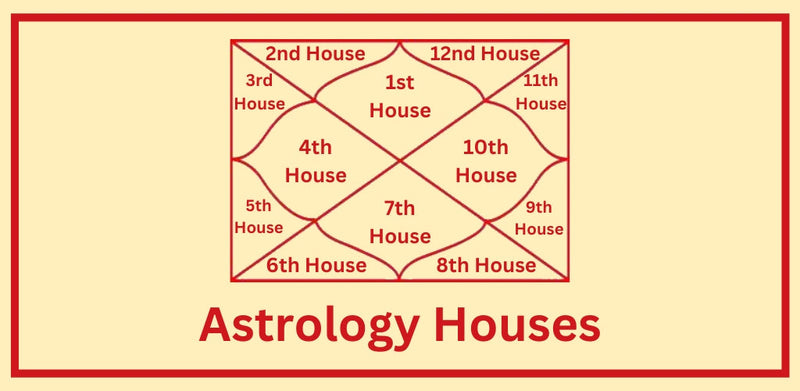
Picture the chart as a clock face read counterclockwise. The 1st house sits at the nine o'clock position, and its cusp is where the whole wheel begins. Every other house, from money to marriage to career, is measured out from this starting line. That is why the 1st house is often called the 'front door' of the chart.
In Indian astrology (Jyotish) this house is the Lagna or Ascendant house, and it holds the same weight: it is the seat of the self, the physical body, and the overall strength of the person. Whether you read a Western or a Vedic chart, the message is the same. The 1st house is where your story starts. For the wider map it belongs to, our complete guide to the 12 astrological houses sets the full context.
What does the first house govern?
The 1st house governs identity, the physical body, appearance, temperament, and the impression you leave on first contact. It is read as the difference between who you are and who you meet, the outer layer of self that people register before they know you. Think of it as the cover of your book.
The themes cluster into a few clear areas. First, self-image: how you see yourself and the confidence you carry. Second, physical presentation: body type, face, complexion, and the way you move and dress. Third, first impressions: the energy strangers pick up in the first few seconds. Fourth, your instinctive approach to anything new, the reflex before the thought.
Here is a quick view of what falls under this house and what does not.
| The 1st house covers | It does not cover |
|---|---|
| Identity and self-image | Money and possessions (2nd house) |
| Physical body and appearance | Home and family (4th house) |
| First impressions and demeanour | Marriage and partnership (7th house) |
| Instinctive reactions and vitality | Career and public status (10th house) |
Because it deals with the visible self, the 1st house pairs naturally with the second house of money and self-worth, where identity turns into what you value and hold.
The Ascendant: your rising sign explained
The Ascendant, or rising sign, is the zodiac sign that was climbing over the eastern horizon at the moment of your birth, and it sets the cusp of the 1st house. According to Encyclopaedia Britannica, the ascendant is the degree of the zodiac rising in the east at a given time, which is exactly why a natal chart needs a precise moment to be accurate.
Your rising sign is different from your Sun sign, and people often confuse the two. Your Sun sign is where the Sun sat on your birthday and describes your core self. Your rising sign describes your outward style, the mask you meet the world in. Someone can be a quiet Cancer Sun with a bold Leo rising, and strangers will read the Leo first.
The Ascendant moves fast. It travels through all twelve signs in roughly 24 hours, shifting about once every two hours. A gap of even 15 or 20 minutes in your recorded birth time can push your rising sign into the neighbouring one, changing the reading of your entire chart. If you are still learning how signs carry their own moods, our zodiac colours guide is a gentle way in.
Planets in the first house
A planet sitting in the 1st house is read as a strong, visible influence on your personality, because it colours the very part of the chart that others see first. Traditionally, the 1st house is one of the four angular houses, and Britannica notes that these angular positions are treated as the most powerful placements in the horoscope. A planet here does not stay hidden.
Each planet is said to shade the self differently. Read these as traditional associations, not fixed outcomes.
- Sun in the 1st: a strong sense of self, natural presence, a wish to be seen.
- Moon in the 1st: visible emotion, a sensitive and changeable outer manner.
- Mercury in the 1st: a talkative, curious, mentally quick first impression.
- Venus in the 1st: charm, warmth, an attractive and diplomatic surface.
- Mars in the 1st: drive, directness, sometimes a competitive edge people notice fast.
- Jupiter in the 1st: optimism, generosity, a larger-than-life presence.
- Saturn in the 1st: seriousness, reserve, a mature or cautious outer self.
Not everyone has a planet in the 1st house, and an empty first house is completely normal. It simply means your outward self is read through the rising sign and its ruling planet, rather than through a planet parked in the house. Mars naturally rules this house, which is why the Aries birthstone traditions share so much of its bold, self-starting energy.
How your rising sign shapes first impressions
Your rising sign flavours the first impression you make, because it is the lens the 1st house shines through. The same person can come across as fiery, steady, breezy, or gentle depending on the sign on their Ascendant. It is the difference between two people walking into the same room and being read completely differently.
A fire rising (Aries, Leo, Sagittarius) tends to read as warm, direct, and energetic. An earth rising (Taurus, Virgo, Capricorn) often reads as grounded, composed, and reliable. An air rising (Gemini, Libra, Aquarius) can seem talkative, social, and light on their feet. A water rising (Cancer, Scorpio, Pisces) may come across as sensitive, private, or quietly intense.
None of this is a verdict on character. It describes surface energy, the first note people hear, not the whole song. A soft-spoken person with a Leo rising may still project confidence they do not feel inside, and that gap between inner and outer self is one of the most useful things a chart can show. The 1st house sits directly opposite the 7th house of partnership, so the self you project shapes the partners you attract.
How to work with your first house
Working with your 1st house means getting clear on your Ascendant, then using it as a mirror for how you show up. Start with an accurate chart. According to Britannica, a horoscope is calculated for an exact time and place, so the first practical step is nailing down your birth details as closely as you can.
The process is simple.
1. Find your birth time from a hospital record, birth certificate, or a reliable family memory, to the minute if possible. 2. Enter your date, exact time, and city into a birth-chart calculator, or take the details to an astrologer. 3. Read your Ascendant first, since it anchors the whole wheel and every other house is measured from it. 4. Note any planets in the 1st house, and read them as strong influences on your outward self. 5. Reflect, don't predict. Use the reading to understand your first impressions and self-image, not to forecast events.
Once you know your rising sign, you can work with it gently: dressing in a way that feels true, softening a habit that reads harsher than you intend, or leaning into a natural strength. From here the chart flows into the third house of communication and the fourth house of home and roots, each building on the self the 1st house defines.
Crystals traditionally linked to the first house
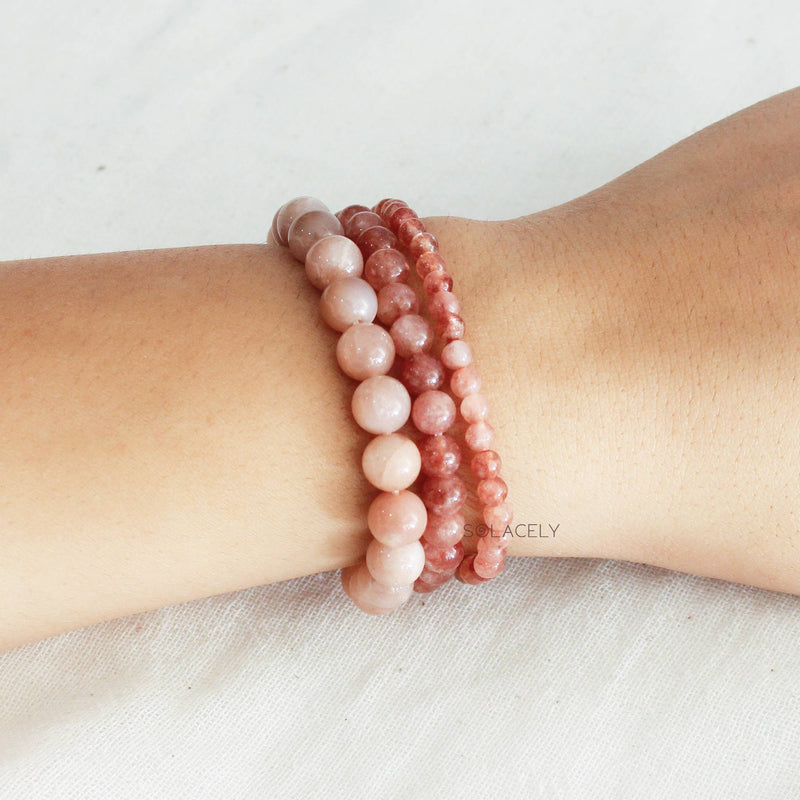
In crystal tradition, stones tied to identity, confidence, and self-worth are the ones associated with the 1st house. These pairings come from folk and spiritual practice, not science, and they are used as gentle focus tools for reflection, not as remedies. Keeping such stones on a desk, altar, or bedside is a familiar quiet ritual.
A few stones are commonly named for first-house themes.
| Crystal | Traditional 1st-house theme |
|---|---|
| Clear Quartz | Clarity and a clear sense of self |
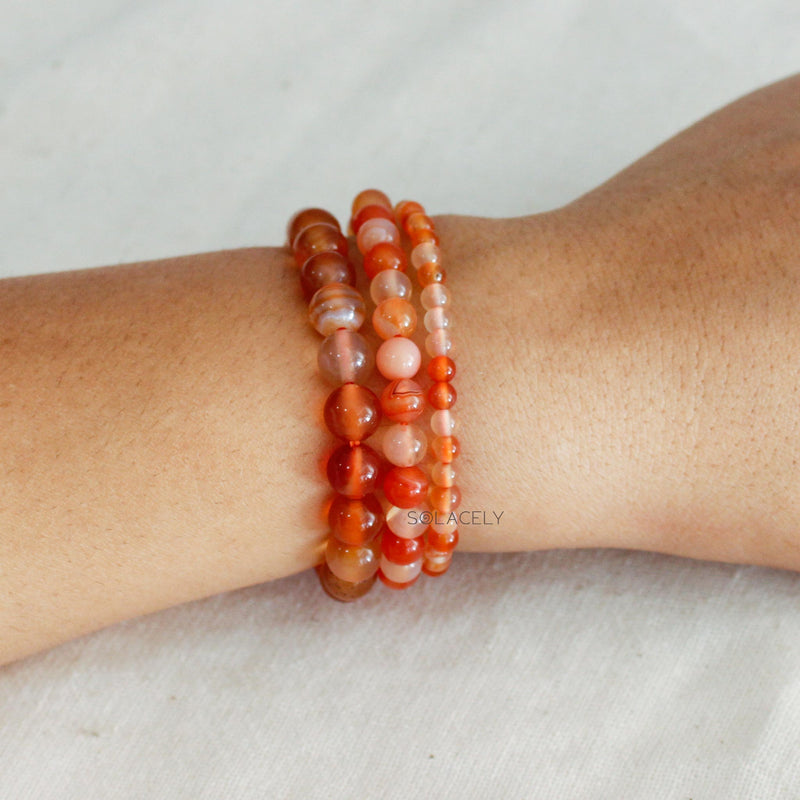
| Carnelian | Confidence, courage, vitality |
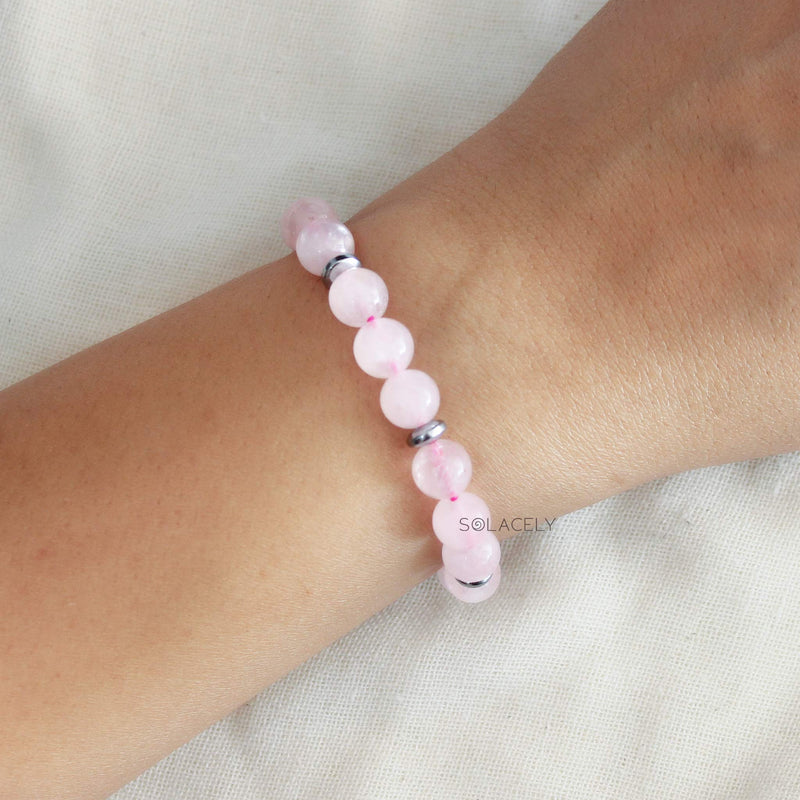
| Rose Quartz | Self-love and gentle self-worth |
| Citrine | Optimism and self-assurance |
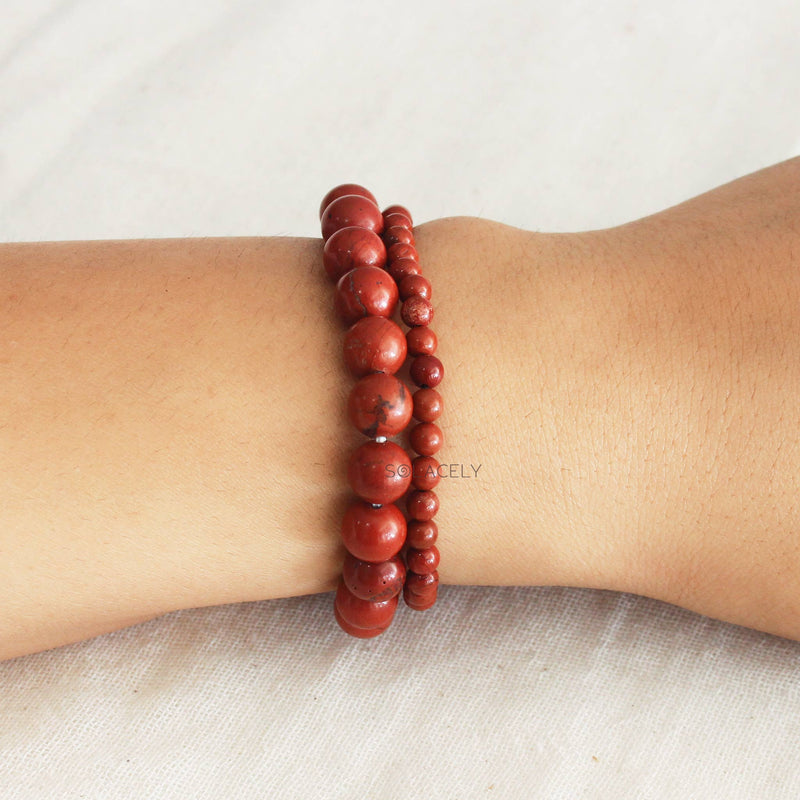
| Red Jasper | Grounding and steady presence |
Tumbled stones and beaded bracelets are the easiest starting formats, which keeps them a simple, meaningful gift or self-buy. Carnelian in particular is a long-standing choice for confidence, and it appears often in our crystals for Aries guide, since Aries and the 1st house share the same self-starting spirit. Choose the stone whose intention you actually want to sit with, not the longest list.
Why birth time matters so much for the first house
The 1st house is the single most time-sensitive part of your chart, because the Ascendant that sets it moves roughly every two hours. Get the time wrong and you do not just misread one detail, you rotate the entire house wheel, placing every planet in the wrong life area. This is the most common reason two readings of the 'same' person disagree.
If you know your birth time to the minute, your 1st house and rising sign are reliable. If you only know it roughly, treat the Ascendant with some caution, especially if you were born near the two-hour changeover between signs. And if you have no birth time at all, some readers use a 'whole sign' approach based on your date and place, which still gives sign meanings but leaves house placements approximate.
For those drawn to how timing and the sky interact more widely, our Lion's Gate Portal 888 guide looks at one charged moment in the astrological calendar. Precision is the quiet key to the 1st house, worth the small effort of finding your exact birth time.
Sources
- Encyclopaedia Britannica, astrology: history, the horoscope, and the house system. britannica.com
- Encyclopaedia Britannica, Ascendant, the rising degree of the zodiac in a natal chart. britannica.com
- Encyclopaedia Britannica, horoscope, the chart of the heavens cast for an exact time and place. britannica.com
Frequently asked questions
About the author


Written by Chetna Sharma, crystal healing practitioner and co-founder of Solacely. Chetna has worked with healing crystals for over a decade and curates Solacely's protective stone collection.