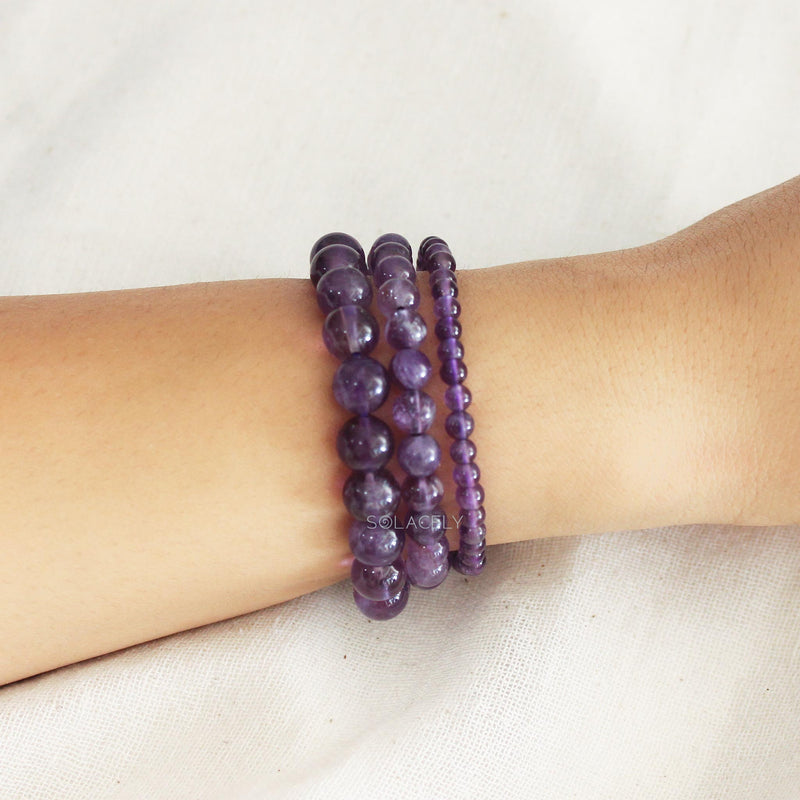
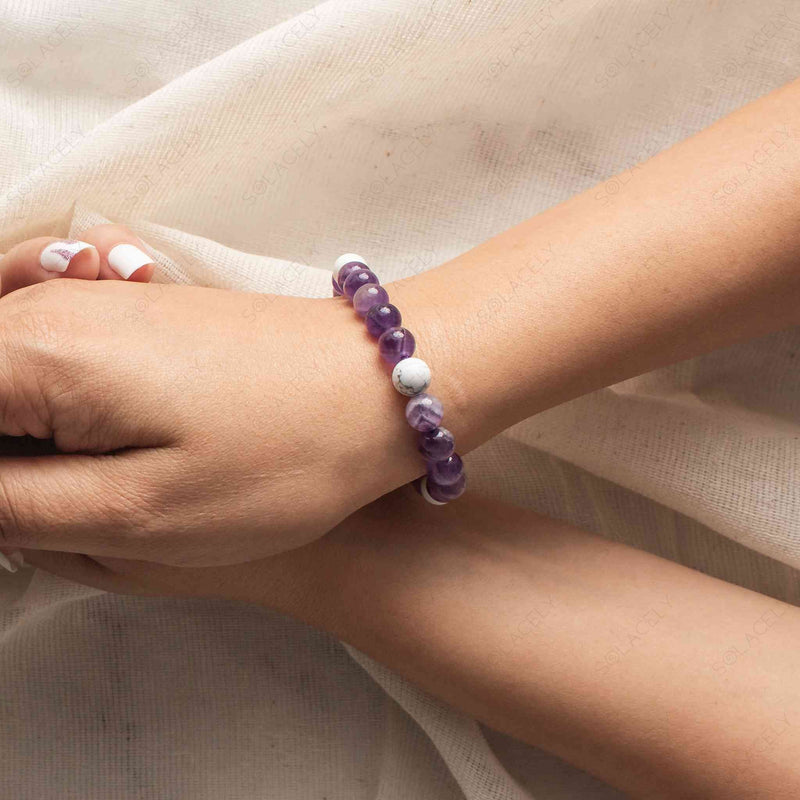
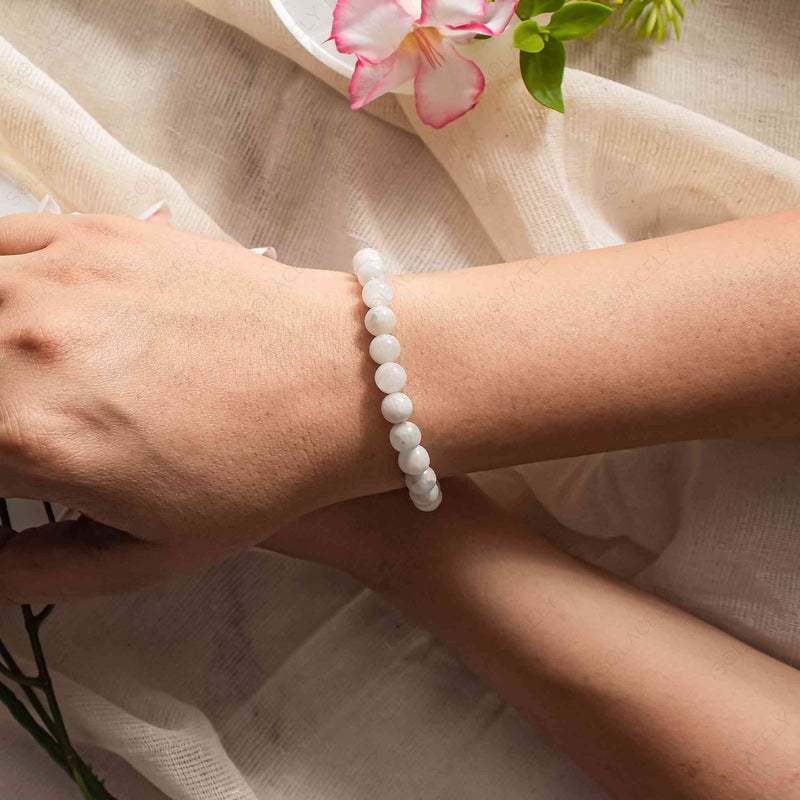
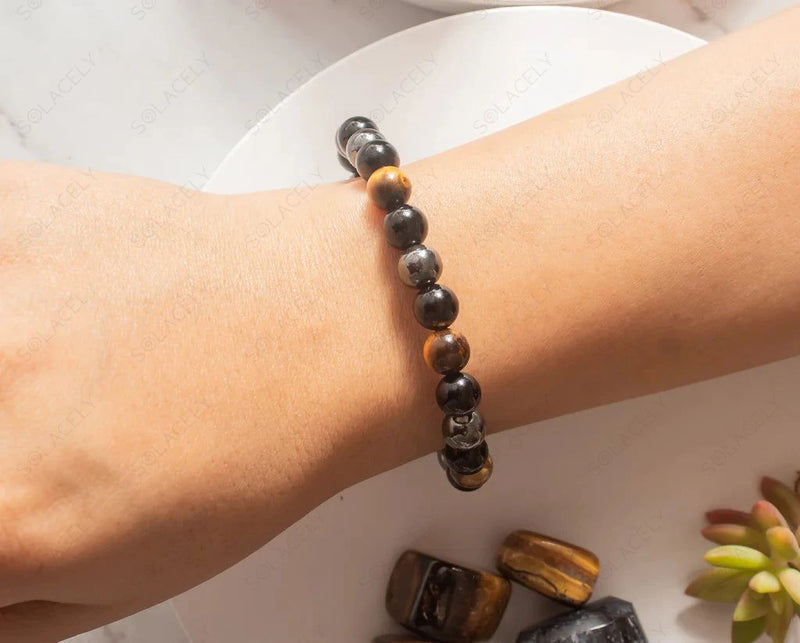
Carnelian, moonstone, rose quartz, and green aventurine are the stones people keep close while trying to conceive. In crystal tradition carnelian belongs to vitality and warmth, moonstone to cycles and patience, rose quartz to tenderness between partners, and green aventurine to hope. They are something to hold through a long wait, kept alongside the care of your clinic. Here is how people use them, and where the clinical help sits.
Key Takeaways
- Carnelian is the traditional stone of vitality and warmth, which is why it leads this list.
- Moonstone is kept for patience with cycles, rose quartz for tenderness between partners, green aventurine for hope.
- Infertility is common. The WHO estimates around one in six adults experience it at some point.
- Both partners are assessed, and the male side starts with a semen analysis.
- Stones are company through the wait. Your clinic is what treats it, so keep them in the loop.
Why carnelian is the traditional choice
Of the stones people reach for while trying to conceive, carnelian is the one with the longest history behind it. It is a warm orange-red chalcedony, a variety of quartz, and it has been worn for vitality and courage since antiquity, turning up in Egyptian and Roman jewellery and amulets.
The colour is a large part of why. Warm, blood-orange, lit from within: it is the kind of stone that reads as energy in the hand, and traditions tend to attach meanings that match how a thing looks and feels. Carnelian became the stone of drive and warmth, and it kept that association for a very long time.
Practically it is a good one to carry. As a quartz it sits at 7 on the Mohs hardness scale, as Encyclopaedia Britannica notes, so it survives a pocket, a keyring, or daily wear as a bracelet without scuffing.
The four stones, and what each is kept for
You do not need all of them. One stone, chosen for the thing that is hardest right now, is worth more than a set in a drawer.
| Stone | Traditionally kept for | How it is carried |
|---|---|---|
| Carnelian | Vitality, warmth, drive | Pocket or bracelet, durable at 7 |
| Moonstone | Cycles, patience with timing | Bedside or pendant, softer at 6 |
| Rose quartz | Tenderness between partners | Worn or shared, a pair each |
| Green aventurine | Hope, keeping the door open | Pocket stone, durable at 7 |
The rose quartz pairing is worth a mention on its own. Some couples keep a matching stone each, which is less about the mineral and more about having a shared object through something you are going through together. Our guide to crystals for fertility covers the tradition for both partners.
Where the clinical picture sits
This part deserves to be said clearly and early, because the isolation around fertility is often harder than the diagnosis. Infertility is common. The World Health Organization estimates that roughly one in six adults worldwide experience it at some point in their lives.
Male factors contribute in a substantial share of cases, which is why both partners are investigated rather than assuming the cause sits with one of them. On the male side the core test is a semen analysis, looking at count, motility, and morphology. Depending on the results, a clinician may check hormone levels or look for treatable structural causes such as a varicocele.
The Eunice Kennedy Shriver National Institute of Child Health and Human Development sets out the causes and routes in detail. The usual point to seek help is twelve months of trying, or six months if your partner is over 35, and sooner where there is a known risk factor. Your clinic is what treats this. The stone in your pocket is what keeps you company between appointments.
What clinicians will ask about
If you want something practical to do while you wait, this is where the effort goes. These are the factors that come up in a consultation, and they are worth discussing with a doctor rather than acting on alone.
| Factor | Why it comes up |
|---|---|
| Smoking and alcohol | Both are associated with semen quality |
| Heat exposure | Prolonged heat to the testes is a recognised factor |
| Weight | Both very high and very low weight affect hormones |
| Medication and steroids | Some drugs, including anabolic steroids, affect sperm production |
| Underlying conditions | Varicocele, infection, and past surgery are treatable |
Bring this list to the appointment. A conversation that starts with specifics gets somewhere faster than one that starts from scratch.
Using a stone through the wait
A fertility journey has a particular shape: a two-week wait, repeated, sometimes for years, with appointments and results and a lot of quiet in between. That is exactly the sort of stretch where having one small physical thing to hold earns its place.
Keep it simple. One stone, carried or kept by the bed. Attach it to a specific moment rather than an outcome: the drive to the clinic, the night before results, the conversation with your partner about what comes next. Hold it, breathe slowly, and let it mark the moment.
Keep the intention about how you want to be rather than what you want to happen. Staying patient, staying kind to each other, staying in it together. Those are things you can actually carry out, and they hold up better than pinning a wish on a single cycle. The U.S. National Center for Complementary and Integrative Health notes that mindfulness practices can help many people manage stress, and a slow breath with something solid in your hand is the simplest version of that.
Many clinics also offer counselling as part of treatment, and it is worth taking. Our guide to crystals for anxiety and stress covers more on the waiting side.
Caring for these stones
Carnelian and green aventurine are the sturdy ones at 7 on the Mohs scale, so warm soapy water and a soft brush is all they need, and they handle a pocket happily. Rose quartz is equally hard but fades in strong sunlight, so keep it out of a sunny window.
Moonstone is the delicate one here, around 6 to 6.5 with cleavage planes that can split on a sharp knock. Give it a soft pouch of its own and keep it away from harder stones in a bag.
If you also cleanse stones in the spiritual sense, gentle methods suit all four. Our step-by-step on how to cleanse and charge crystals covers which methods suit which material, and which to skip.
Sources
- World Health Organization - Infertility fact sheet
- NICHD (National Institutes of Health) - Infertility and fertility
- NHS - Infertility, causes and when to seek help
- National Center for Complementary and Integrative Health - Meditation and Mindfulness
Frequently asked questions
About the author


Written by Chetna Sharma, crystal healing practitioner and co-founder of Solacely. Chetna has worked with healing crystals for over a decade and curates Solacely's protective stone collection.