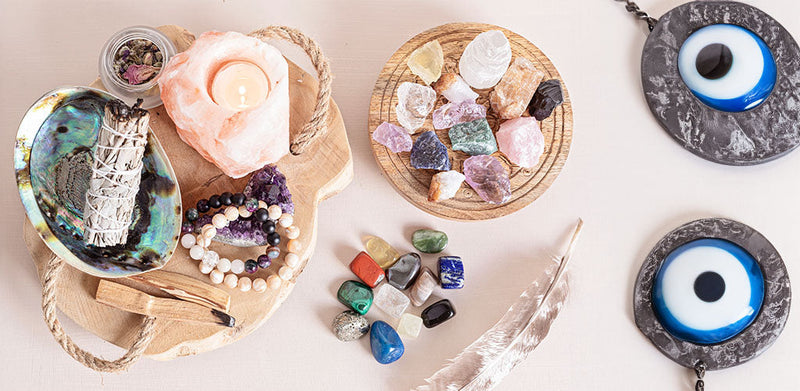
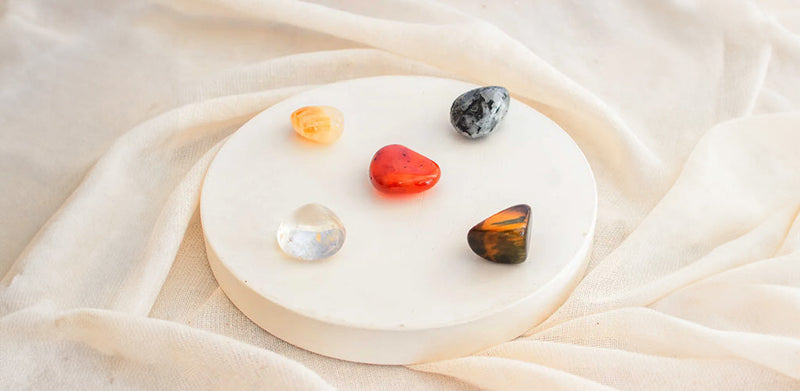
Place crystals by what a room is for. Amethyst and selenite in bedrooms, citrine and green aventurine where work and cooking happen, rose quartz in shared living space, and black tourmaline or onyx at the entrance. A few deliberate placements you actually notice work better than a collection scattered everywhere.
Key takeaways
- Start at the entrance. In most traditions the threshold is the first placement.
- One piece per room, matched to what that room is for.
- Keep activating stones out of bedrooms. Citrine and carnelian belong where you are awake.
- Trees, clusters and spheres stay visible; small tumbles fade into the background.
- Never rinse selenite. It is water soluble.
Why placement follows purpose
The organising idea across feng shui, vastu and modern crystal practice is the same: match the object to the activity of the space. A stone traditionally kept for alertness in a room meant for sleep is working against the room.
It also means the piece stays meaningful. An amethyst on the bedside table is a reminder, every night, that this room is for winding down, and that daily noticing is a large part of what a home practice offers.
The entrance
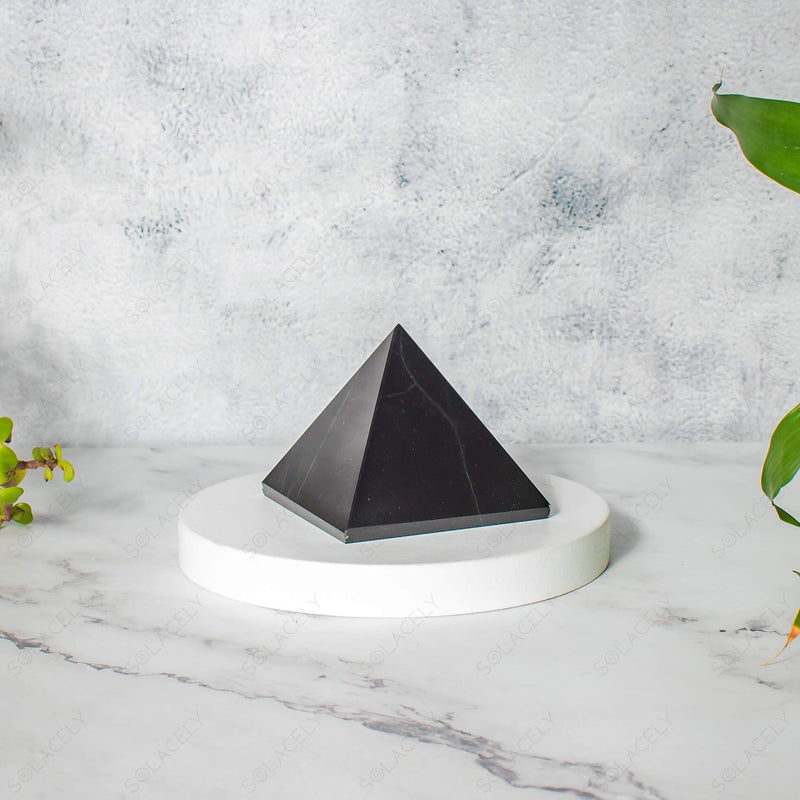
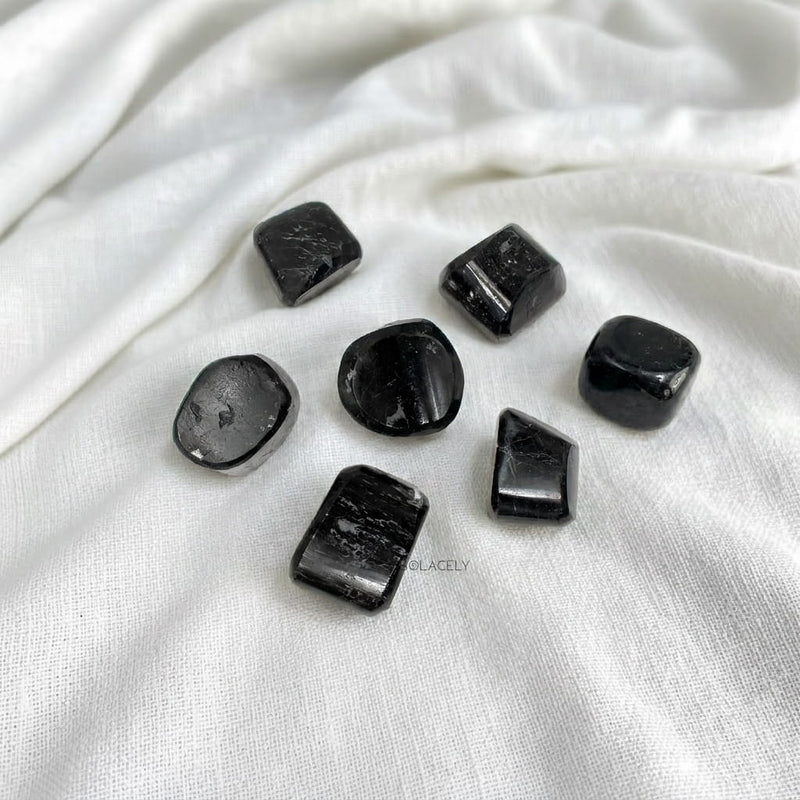
Thresholds get treated first in nearly every tradition, and the stones used are the boundary ones: black tourmaline, black onyx, black obsidian, or a substantial amethyst cluster.
The practical placement is a bowl or small tray on a hall table, or a piece on a shelf near the door. Some people put a tumbled stone in the pocket of the coat they wear most, on the same logic extended outward. Our crystals for home protection guide covers threshold practice in full, and if you have recently moved in, crystals for a new home covers the clearing sequence.
Room by room
| Room | Traditional choice | Why |
|---|---|---|
| Entrance | Black tourmaline, black onyx, amethyst cluster | Threshold and boundary |
| Bedroom | Amethyst, selenite, howlite, moonstone | Winding down and sleep |
| Living room | Rose quartz, amethyst, clear quartz | Shared space, harmony between people |
| Kitchen | Citrine, carnelian, green aventurine | Nourishment, activity, abundance |
| Home office | Fluorite, citrine, tiger's eye, pyrite | Focus and work |
| Bathroom | Clear quartz, selenite (kept dry) | Clearing; the traditional washing-away space |
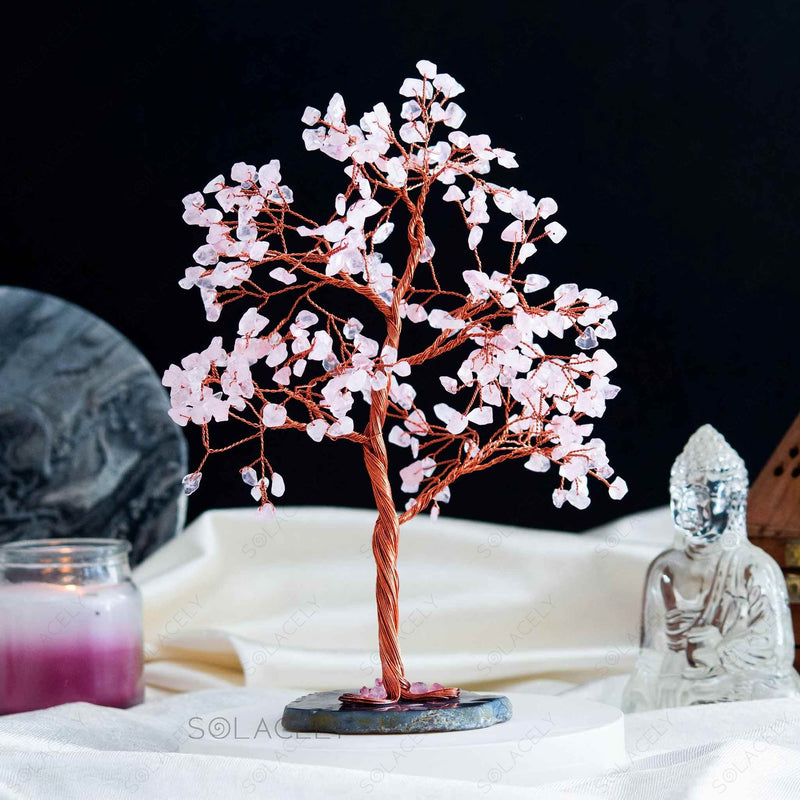
| Children's room | Rose quartz, amethyst, blue lace agate | Gentle stones; keep small pieces out of reach |
The bedroom deserves the strongest word. Traditional practice is consistent that activating stones do not belong there, so if a citrine cluster sits on your nightstand and you keep waking at three, move it before you change anything else. Our crystals for sleep guide covers the bedroom set in detail.
Which formats stay visible
This is the practical difference nobody mentions. A bowl of small tumbled stones on a shelf becomes invisible within about a week, and a piece you do not notice stops doing its work.
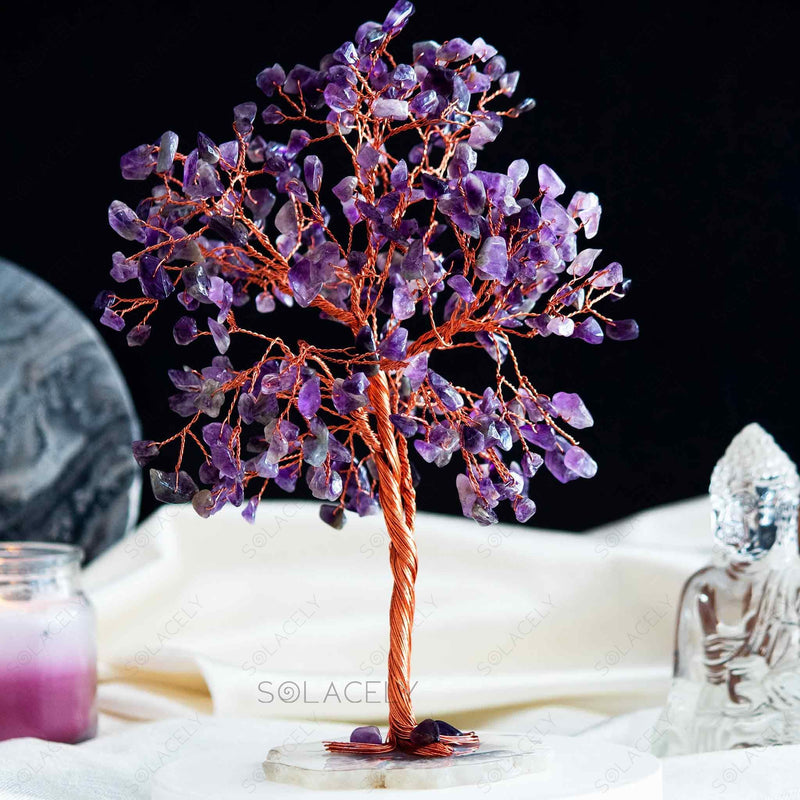
Objects that keep working are the ones that read as decor in their own right: crystal trees, clusters, spheres, towers and pyramids. They hold a sightline and guests ask about them, which keeps them in your awareness.
If budget is a constraint, one substantial piece in the room that matters most beats six small ones spread thin. Our crystals for home decor guide covers formats and placement so they look intentional rather than cluttered.
What the stones are
Most of the home set is quartz family, which is exactly why amethyst, citrine, rose quartz and clear quartz are affordable enough to keep several around a house. Quartz is among the most abundant minerals in the Earth's crust.
Amethyst is the purple variety of quartz, coloured by iron, and the February birthstone. Selenite is the outlier: a form of gypsum, very soft at 2 on the Mohs scale, and water soluble, which is why it appears in every care warning on this page.
Maintenance people skip
Home crystals get dusty and then get ignored. Monthly is a reasonable rhythm for both the physical and the energetic side, and doing them together makes it more likely to happen.
- Dust with a dry soft brush. Clusters trap dust in every crevice.
- Skip water on selenite entirely. A dry cloth only.
- Skip water on clusters too. Moisture sits in the gaps and takes days to dry.
- Use sound, smoke or moonlight instead. All are safe for every stone here.
- Cleanse entrance pieces more often. Tradition treats them as doing the most work.
For the wider intention behind a home practice, our crystals for positive energy and luck guide is the companion read.
One household note
Keep small tumbled stones away from young children and pets, since they are the right size to be swallowed. Heavy pieces such as towers and spheres should sit where they cannot be knocked onto a foot, and selenite left on a damp bathroom shelf will deteriorate.
The placement traditions described here are cultural and spiritual practice. They are not medical claims and crystals do not affect physical health, air quality or household safety. Keep small stones away from children and animals.
Sources
Written by Chetena Sharma. Reviewed by the Solacely editorial team.
Frequently asked questions
About the author


Written by Chetna Sharma, crystal healing practitioner and co-founder of Solacely. Chetna has worked with healing crystals for over a decade and curates Solacely's protective stone collection.