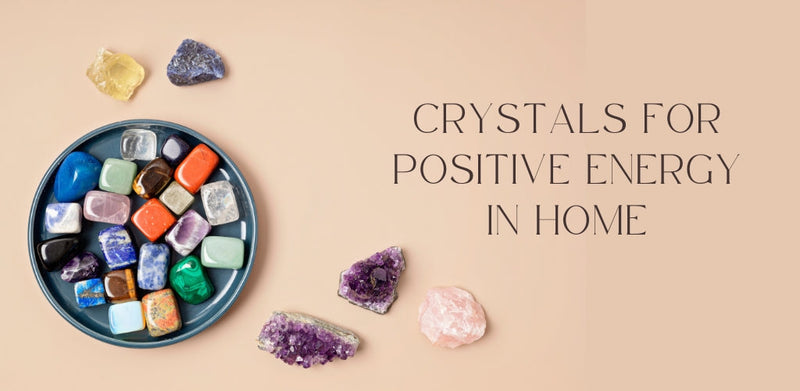
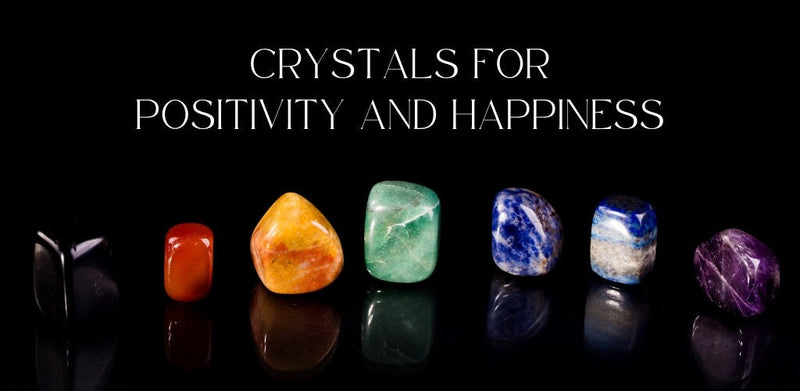
Citrine, clear quartz, green aventurine, sunstone, selenite and amazonite are the stones most often kept for good vibes. This is a placement practice rather than a healing one: the stones sit in rooms you use daily and act as small, visible prompts toward a lighter mood.
Key takeaways
- The six good-vibes stones are citrine, clear quartz, green aventurine, sunstone, selenite and amazonite.
- Good vibes is an atmosphere practice. Place stones where you already spend time rather than carrying one for a crisis.
- Selenite is gypsum and very soft, around 2 on the Mohs scale. Water will damage it, so never rinse a selenite wand.
- Citrine, amethyst and rose quartz all fade in strong sun, so keep a display off a sunny windowsill.
- A placed stone keeps an intention in view a dozen times a day, which is where practitioners say the shift in a room comes from.
- Every metaphysical use described here is traditional belief, not medical fact.
What does good vibes mean in crystal practice?
It means atmosphere: how a room feels to walk into, and how your day feels at three in the afternoon. It is a gentler intention than most crystal guides start with, and it is also the most common reason people buy their first stone. They want the flat to feel less flat, and a bright stone on a shelf is the easiest place to begin.
The practice is different from its neighbours in one important way. Good-vibes stones are placed rather than carried. They live on windowsills, hallway tables, desks and shelves, working as ambient objects that catch your eye a dozen times a day. That distinguishes them from the stones people pocket before a hard moment, covered in crystals for courage, and from the ones used in a deliberate reflective routine, covered in crystals for emotional healing.
Scale the practice accordingly. A citrine cluster by the kettle catches you every morning and holds the intention there while you wait for the water to boil. That small daily contact is the whole method, and it is why placement matters more here than any other part of the tradition.
Which crystals are used for good vibes?
Six stones come up again and again, and they are chosen mostly for warmth, brightness and colour. Between them they cover the three places a home usually feels heavy: the entrance, the workspace and the room where everyone actually sits.
| Stone | Traditional association | Best placement |
|---|---|---|
| Citrine | Warmth, enterprise, cheerfulness | Kitchen, till, desk |
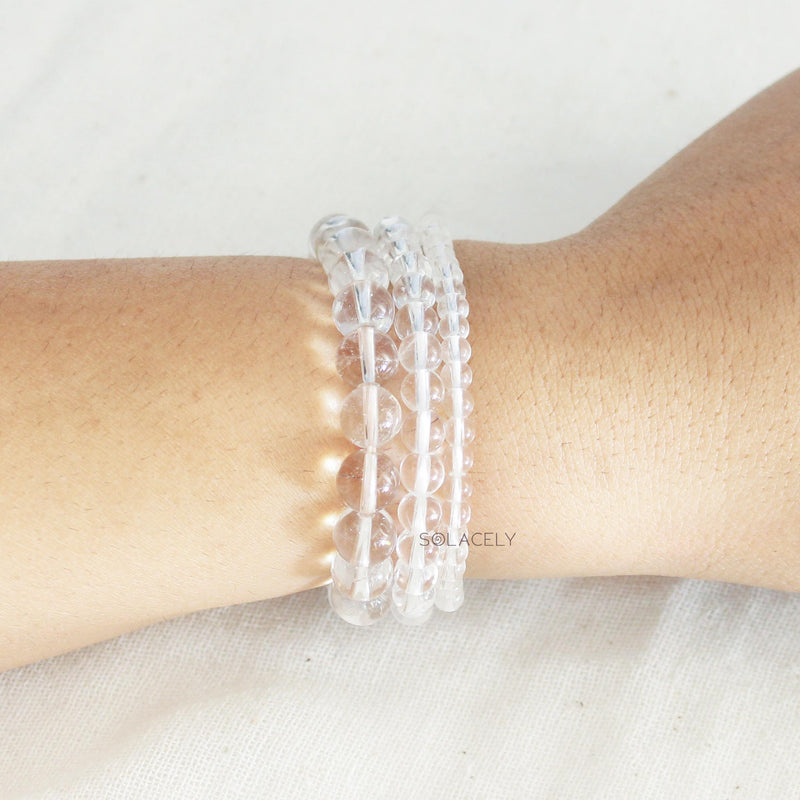
| Clear quartz | Clarity, amplifying other stones | Anywhere, centre of a grid |
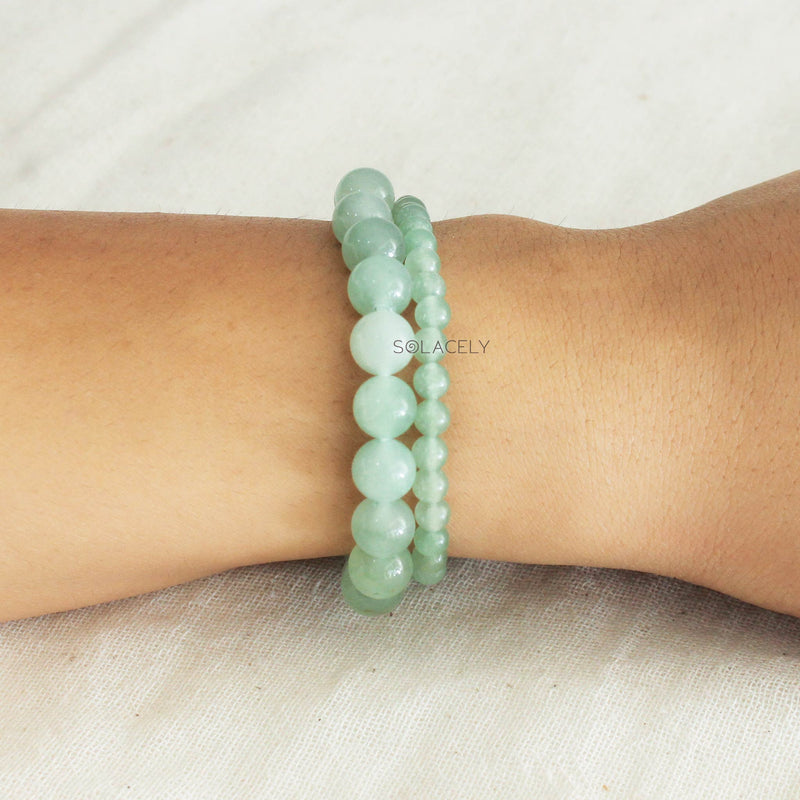
| Green aventurine | Opportunity and ease | Hallway, front door, plant pots |
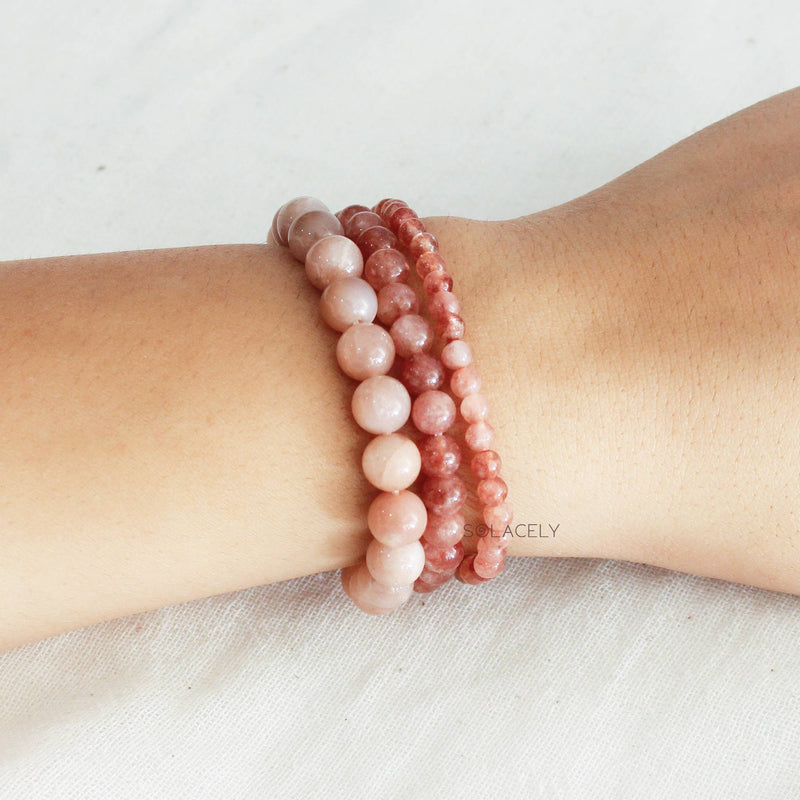
| Sunstone | Optimism and vitality | South-facing window, living room |
| Selenite | Clearing and freshness | Bedroom, meditation corner |
| Amazonite | Calm honesty and easy talk | Dining table, shared spaces |
Three of the six are quartz-family stones, which makes them cheap, tough and easy to find. Sunstone and amazonite are feldspars, the mineral group mineralogy identifies as the most abundant in the earth's crust. Sunstone gets its glitter from tiny reflective inclusions, an effect known as aventurescence, and green aventurine takes its name from the same phenomenon.
Selenite is the outlier, and it is not a quartz at all. It is a crystallised variety of gypsum, and its softness has real consequences for how you look after it, which we come back to below.
Where should you put crystals in your home?
Put them where you already look. That single rule solves most placement questions, and it beats any elaborate directional system for people who are not following a specific tradition. A stone tucked behind a bookcase is decorative storage, not a practice.
- Entrance. Green aventurine or clear quartz on the hall table, at the point where the outside day gets set down.
- Kitchen. Citrine near the kettle or the coffee machine, since almost everyone stands still there twice a day.
- Desk. Clear quartz point and a small citrine within your sightline, not behind the monitor.
- Living room. Sunstone somewhere daylight catches it, ideally on a shelf rather than a sunny sill.
- Dining table. Amazonite, traditionally the stone of honest and unhurried conversation.
- Bedroom. Selenite on a bedside table. Keep energising stones such as citrine and sunstone out of here.
Grouping helps if you like the idea of a grid. A simple arrangement is one clear quartz point in the centre with three or four smaller stones around it, all sitting on a tray so the whole thing looks intentional rather than abandoned. Our guide to crystals for positive energy in the home works through room-by-room layouts in more detail.
Do crystals really change the energy of a room?
People describe it as the room holding a mood rather than losing one. In crystal practice a placed stone marks a space the way a candle or a photograph does, and the tradition of setting bright stones at thresholds and hearths runs back a very long way in a great many cultures. The reputation was earned over generations of people doing exactly this.
The practical version is attention. A visible object tied to a stated intention keeps that intention in front of you several times a day, and the US National Center for Complementary and Integrative Health notes that mindfulness practices, which rest on this kind of deliberate attention, have been studied for stress and general wellbeing and are safe for most people. A stone on a shelf is a very low-effort version of the same idea.
Practitioners will also tell you that the ritual around the stone counts. Placing a piece usually means clearing the surface it sits on, opening a window, moving a lamp. Treat all of that as part of the practice rather than a separate chore. The stone, the tidy surface and the fresh air belong together, and doing the whole thing at once is what people mean when they say a room lifted.
One more thing worth knowing. A stone that has been in the same spot for a year stops registering. Move it, dust it, set the intention again, and it starts working on you the way it did in the first week.
How do you look after good-vibes stones?
Care depends almost entirely on hardness and light sensitivity, and this is where most collections quietly get ruined. Two rules cover nearly everything.
Never put selenite in water. Selenite is a crystallised form of gypsum, hydrous calcium sulfate, described in mineralogy as a soft and widespread sulfate mineral. It rates about 2 on the Mohs scale, soft enough to mark with a fingernail, and it degrades in water. Wipe it with a dry cloth and nothing else.
Keep coloured quartz out of strong sun. Citrine, amethyst and rose quartz all fade with prolonged exposure, and the colour never returns. A sunny windowsill is the single most common place people display crystals and the riskiest spot for half of them. Sunstone and clear quartz cope far better, so give them the bright spot.
Beyond that, the routine is simple. Dust the pieces monthly, wash quartz-family stones in warm soapy water and dry them fully, and cleanse energetically with moonlight, sound or a rest on a selenite plate. Salt water is best skipped entirely, since it damages soft stones and metal fittings alike. Solacely's tumble packs are an easy starting point if you want several small stones for placement rather than one large piece.
How do you build a starter set that actually gets used?
Start with three stones, not ten. A clear quartz point, one citrine and one green aventurine will cover clarity, warmth and openness between them, and three objects are few enough that you will notice each one instead of tuning out a shelf full of clutter.
Give each stone one sentence of intention when you place it. Something plain: this one is here because I want the mornings to feel less rushed. Say it once, then leave it alone. Revisit the arrangement seasonally, when you are cleaning anyway, and move anything that has stopped catching your eye.
Two extras earn their place later. Selenite for the bedroom, because it is the traditional clearing stone and it looks lovely with a lamp behind it, and amazonite for wherever people talk. If you want the wider list of stones associated with cheerfulness specifically, our guide to crystals for positivity and happiness goes further, and crystals for joy covers the stones tradition ties most closely to delight rather than calm.
The properties described here reflect traditional and cultural belief around crystals. They are not medical claims and are not a substitute for professional healthcare or mental health support. If you are managing a health concern or persistent low mood, please speak to a qualified practitioner.
Sources
Written by Chetena Sharma. Reviewed by the Solacely editorial team.
Frequently asked questions
About the author


Written by Chetna Sharma, crystal healing practitioner and co-founder of Solacely. Chetna has worked with healing crystals for over a decade and curates Solacely's protective stone collection.