Crystals for Children's Bedrooms: A Safety-First Parent Guide


About 11% of U.S. children aged 3 to 17 have a diagnosed anxiety disorder, and roughly 35% of children get less sleep than is recommended for their age (CDC, 2024). Plenty of parents come to crystals looking for a small, low-stakes ritual to help. That's a reasonable instinct, and a few well-chosen stones can sit usefully in a child's bedroom as part of a calming bedtime routine. The catch is that crystals are not toys, and not every stone is safe around kids.
This guide is written for parents. It walks through the safety rules first, then the age-by-age framework, then the seven crystals we'd actually feel comfortable putting in a child's room, and finally the stones to keep out. It is not medical advice, and it is not a substitute for talking to your pediatrician about sleep, anxiety, or behaviour.
- Under-3 rule. No loose tumbled stones in a toddler's bedroom. Anything that fits inside a 1.25 by 2.25 inch cylinder is a federally-defined choking hazard (CPSC, 16 CFR 1501).
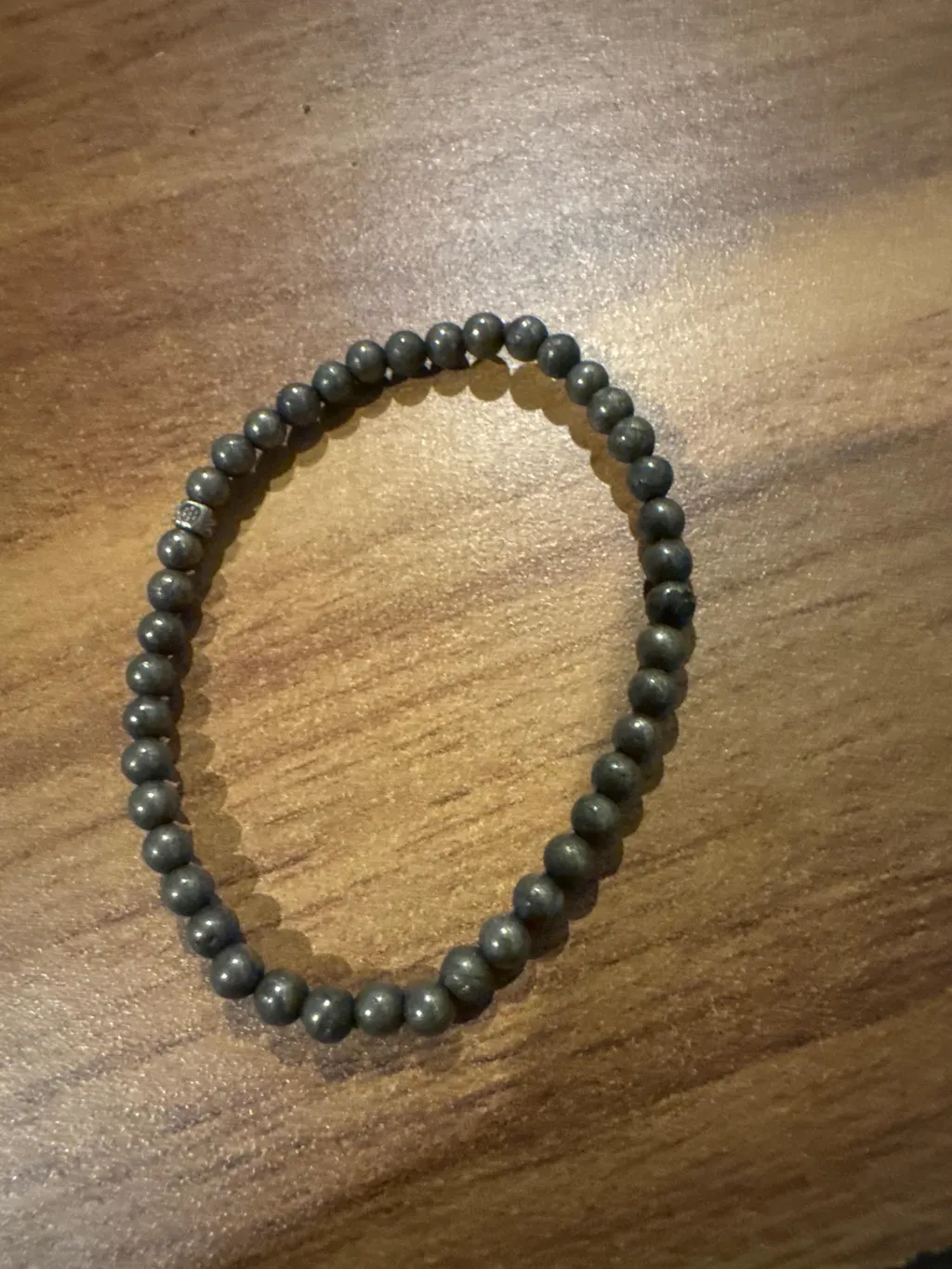
- Skip three crystals entirely for kids' rooms: Pyrite (releases sulfuric acid when wet), raw Black Obsidian (sharp shards if chipped), and so-called "magnetic Hematite" jewelry (rare-earth magnets are extremely dangerous if swallowed).
- Seven generally safe options, when intact and out of reach of toddlers: Amethyst, Rose Quartz, Clear Quartz, Selenite (kept dry), Moonstone, Aventurine, and Black Tourmaline (tumbled).
- Crystals support, they don't treat. Use them as a tactile bedtime cue (hold, name, put down), not as a replacement for medical care for anxiety or sleep concerns.
- Inspect monthly. Children chip, drop, and rub stones. A monthly check for cracks or sharp edges keeps the practice safe over time.

The Three Safety Rules That Come Before Anything Else
Most crystal articles for children's rooms skip the safety section and go straight to the stones. That's the wrong order. Before any stone goes near a child, three rules apply.
Rule 1: The CPSC Choking-Hazard Rule (Under 3)
Federal regulation 16 CFR 1501 defines a "small part" as any object that fits entirely inside a cylinder 1.25 inches wide and 2.25 inches deep. That cylinder approximates a fully-expanded toddler airway (CPSC). Almost every tumbled crystal sold for home use fits in it. The plain-language version: if your child is under 3, do not put loose tumbles anywhere they can reach. Larger uncut clusters (palm-sized or bigger) on a high shelf are a different conversation, but loose tumbles are not.
Rule 2: The Toxicity Rule (No Mouthing, No Wet Stones)
Children put things in their mouths. Some crystals are reasonably safe in that scenario (Amethyst, Rose Quartz, Clear Quartz are all chemically stable quartz). Others are not. Pyrite reacts with moisture to form sulfuric acid (International Gem Society). Malachite carries toxic levels of copper. Cinnabar contains mercury. Galena contains lead. The hard rule for kids' rooms: only chemically-stable, non-water-reactive stones, and even then, never as something the child is encouraged to taste, lick, or put in a water bottle.
Rule 3: The Magnet Rule (Avoid "Magnetic Hematite")
Many crystal bracelets and necklaces sold as "magnetic hematite" are actually a synthetic ferrite or contain small rare-earth (neodymium) magnets. Swallowed magnets, especially two or more, can pinch through intestinal tissue and cause perforation, which the U.S. FDA has flagged as a serious paediatric injury risk. If a piece is labelled magnetic, keep it out of children's hands entirely.
Age Tiers: What's Appropriate at Each Stage
The phrase "crystals for children's bedrooms" covers everything from a 9-month-old's nursery to a 12-year-old's first solo room. The risks are wildly different across those years. Here's a tiered framework parents can use.
| Age | Loose tumbles in room? | Where to place | Adult role |
|---|---|---|---|
| Under 3 | No loose tumbles. Large unbroken clusters only, on a shelf out of reach. | Above shoulder height, behind glass or other barrier where possible. | Direct, continuous adult control of access. |
| 3 to 5 | Tumbled stones only. No raw stones, no jewelry overnight. | Above child's eye level. Daily quick visual check. | Parent selects and places. Child observes. |
| 5 to 8 | Tumbled stones in a defined "calm corner" with parent guidance. | Low shelf, dish, or pouch the child can access deliberately. | Parent supervises selection, teaches use, inspects monthly. |
| 8+ | Greater autonomy. Crystal jewelry possible with breakaway clasps. | Wherever the child chooses, with periodic parent check-ins. | Parent inspects for chips, edges, and damaged jewelry quarterly. |
7 Generally Safer Crystals for Children's Bedrooms
The list below is the short list, not the long one. Each stone listed is chemically stable, widely available as a polished tumble, and (when intact and out of reach of under-3s) reasonable to place in a child's bedroom. We've cut the original article's longer list to remove the genuinely problematic stones.
1. Amethyst — For Calm and Bedtime Routines
Amethyst is purple quartz, chemically stable, non-toxic when intact, and the most-recommended bedroom stone in the entire crystal tradition. It pairs naturally with bedtime rituals: a child holds it during a goodnight breath, names what they're letting go of, and places it on the shelf before sleep. The visual cue alone often does more than the stone.
2. Rose Quartz — For Emotional Warmth
Rose Quartz is pink quartz. Same chemistry, same stability, same low-risk profile as Amethyst. It's the heart-stone of the tradition and a natural fit for children navigating new siblings, school transitions, or social anxiety.
3. Clear Quartz — For a Visual Anchor
Clear Quartz is the universal stone. For a child, it works as a simple "look at the light" object, a meditative cue that's easy to teach. We'd recommend a single tumbled point rather than a sharp natural cluster for children's rooms.
4. Selenite — For a Soft Glow (Keep Dry)
Selenite is gypsum. It's soft (Mohs 2), it can crumble, and it dissolves in water. Treat it as a display piece on a high shelf, never as something a child handles often or anywhere it can get wet. We have a fuller breakdown in our moonstone guide, which has the same delicate-mineral profile.
5. Moonstone — For Older Children Who Wake at Night
Moonstone is a feldspar with two directions of perfect cleavage, which means it chips more easily than its hardness suggests. We'd reserve it for 8+. It is non-toxic and safe as a display piece. Its lunar associations make it a popular bedside stone for older kids who wake often.
6. Aventurine — For Confidence and "Lucky Charm" Use
Green Aventurine is a quartzite, non-toxic and stable. Children often respond well to a "lucky stone" framing for things like first days of school, new friendships, or sports tryouts. It's a meaningful tactile object without the ritual heaviness of some other stones.
7. Black Tourmaline (Tumbled Only) — For "Protection" Framing
Black Tourmaline is the protective stone in the tradition, often placed near windows or doorways. It's chemically stable, non-toxic, and safe when polished. The strong caveat: tumbled only. Raw Black Tourmaline often has sharp points that can injure if dropped on bare feet or if a child handles it.
The 5 Crystals We'd Skip in a Child's Bedroom
Some popular "crystals for kids" lists, including the previous version of this article, recommend stones we now believe shouldn't be in children's rooms at all, or only under specific conditions. Here's what to leave on the shelf in the shop.
| Stone | Concern | Verdict |
|---|---|---|
| Pyrite | Iron sulfide. Reacts with moisture and can release sulfuric acid (IGS). Never near a child's mouth. | Skip in any room a child accesses. |
| Malachite | Contains toxic levels of copper that can leach if wet or ingested. | Skip for kids' rooms. |
| Black Obsidian (raw) | Volcanic glass. Sharp edges; razor-like shards if chipped. | Tumbled only, ages 8+. Raw forms: skip. |
| "Magnetic Hematite" jewelry | Often contains rare-earth magnets. Swallowed magnets can perforate intestines. | Skip in any form for children. |
| Tiger's Eye (raw) | Contains crocidolite (an asbestos mineral). Encapsulated in quartz when intact and considered safe (IGS), but raw or broken pieces can release fibers. | Polished/tumbled only, ages 8+. Skip raw. |
How to Build a Calm Bedtime Ritual With One Stone
If you take only one thing from this article, take this: one stone, one minute, every night. The ritual is the active ingredient, not the mineral. Sleep itself is the bigger lever. About 35% of U.S. children sleep less than recommended for their age, and short sleep duration is associated with higher rates of anxiety and depression in children (CDC MMWR, 2021). A consistent wind-down routine, in any form, is the highest-leverage move you can make.
A simple, age-appropriate template:
- Pick one stone together. Let the child choose between Amethyst and Rose Quartz, in your hand. Two options is plenty.
- Place it on a fixed shelf. Same spot every night. Above reach for under-5s, within reach with parent guidance for older kids.
- One sentence at lights-out. Something simple they choose: "Tomorrow will be okay" or "I'm safe in my bed." The stone is just the visual anchor.
- Put it back. The stone stays on the shelf. It does not come into the bed.
How to Cleanse and Maintain the Stones (Child-Safe Methods)
Children's stones should be cleansed without water, salt, or fragile manipulation. The reasons are practical: many stones don't tolerate water (Pyrite, Malachite, Selenite, magnetic jewelry), salt is an eye and skin irritant for kids, and fragile cleansing methods (sun for hours, complex grids) tend to migrate the stones into spots where toddlers can reach them.
Two child-safe cleansing methods we'd actually use:
- Moonlight overnight on a shelf, ideally on a full-moon night. Contact-free, safe for every stone in the safer-7 list above.
- Sound, with a small bell or singing bowl played near the stone for 30 to 60 seconds. Also contact-free.
For physical cleaning, a soft slightly-damp cloth followed by a dry cloth handles dust and skin oils on the safer-7 stones. Skip submerging anything intended for a child's room.
When to Stop the Practice
It's worth saying out loud: there are situations where this practice should be paused or stopped, not adjusted.
- If your child is having any significant or persistent sleep, anxiety, mood, or behaviour issue. See a pediatrician. Crystal practice can be reintroduced later as a small supportive layer once a clinical plan is in place.
- If your child has put a stone in their mouth more than once. Move all stones above reach, regardless of age, until the impulse has passed.
- If the practice is creating anxiety rather than calming it (some children become attached to a "talisman" in a way that worsens their distress without it). Switch to a non-object cue, like a phrase or a stuffed animal already in the bed.
- If you suspect a stone has been chipped, swallowed, or damaged. Inspect, replace, and call Poison Control or your pediatrician if anything was ingested.
Frequently Asked Questions
Are crystals safe to keep in a child's bedroom?
Most common tumbled crystals such as Amethyst, Rose Quartz, and Clear Quartz are non-toxic and safe to keep in a child's bedroom IF they are placed out of reach of children under 3 (because of choking risk under CPSC 16 CFR 1501) and broken or sharp pieces are removed. Some crystals, including Pyrite, raw Black Obsidian, and so-called magnetic Hematite jewelry, carry specific risks and should be avoided in kids' rooms.
What is the CPSC choking-hazard rule for small parts?
Under 16 CFR 1501, any object that fits entirely inside a 1.25-inch by 2.25-inch cylinder is classified as a "small part" and is banned from products intended for children under 3 (CPSC). Most tumbled crystals fit inside that cylinder, which means they are choking, aspiration, and ingestion hazards for toddlers. The simplest safe rule for parents of under-3s is to keep all loose tumbles out of reach.
Which crystals should I avoid in a child's bedroom?
Skip Pyrite, which can release sulfuric acid in damp conditions and should never be near a child's mouth. Skip Malachite, which contains toxic copper. Skip raw Black Obsidian, which is volcanic glass and can chip into razor-sharp shards. Avoid magnetic Hematite jewelry. Tiger's Eye should be polished only, because raw fibers can include crocidolite, an asbestos mineral that's safe when fully encapsulated in the polished stone but a concern in raw form (IGS).
Can crystals help a child sleep or feel calmer?
There is no clinical evidence that crystals treat anxiety or sleep disorders in children. About 11% of U.S. children aged 3 to 17 have diagnosed anxiety and roughly 35% sleep less than recommended (CDC, 2024). Persistent sleep or anxiety concerns should always go to a pediatrician first. Crystals can play a small supportive role as a tactile bedtime ritual (something to hold, name, and put down), but they are not a substitute for medical care.
What age can a child have a crystal in their room?
Under 3, no loose tumbles in the bedroom. Larger unbroken clusters can sit on a high shelf out of reach. Ages 3 to 5, tumbled stones placed on high shelves with daily checks for chips. Ages 5 to 8, low-access placements with parent guidance. Ages 8 and up, more autonomy is reasonable, but parents should still inspect stones periodically for wear or damage.
How do I clean a child's crystals safely?
Wipe with a soft, slightly damp cloth, then dry. Skip submerging stones for under-12 children's crystals because some stones (Pyrite, Malachite, Selenite) react badly to water and others may shed micro-particles. Skip salt-water cleansing. For energetic cleansing, moonlight overnight or sound (a bell or singing bowl) are both child-safe and contact-free.
Can a child wear a crystal pendant or bracelet?
Crystal jewelry for children should be reserved for ages 3 plus and only worn under direct supervision. The American Academy of Pediatrics has long advised against any jewelry on infants, including teething necklaces, because of strangulation and choking risk. For older children, choose smooth tumbled stones in secure breakaway clasps, and remove jewelry for sleep, baths, and unsupervised play.
About the author