To unblock the crown chakra (Sahasrara) in the yogic tradition, you settle the mind and make room for stillness: meditate in silence, pray or reflect, spend time in nature, practise gratitude, eat lightly, and keep crystals like amethyst, clear quartz, or selenite nearby. Do a little daily, and keep it consistent.
Key Takeaways
- 'Unblocking' the crown chakra is a tradition, not a medical procedure. It means practices that quiet the mind and invite openness, calm, and a sense of meaning.
- The core routine is gentle and mostly free: silent meditation, prayer or reflection, time in nature, gratitude, and eating lightly. Ten minutes a day beats one long weekend session.
- Research from the NIH links meditation and mindfulness to genuine stress relief, so the calm you feel is well documented, even if the 'energy' framing is belief.
- Crystals traditionally tied to the crown are amethyst, clear quartz, and selenite, kept nearby as a focus for intention.
- Teachers suggest grounding at the root chakra first, so a 'floaty' crown practice stays balanced rather than untethered from daily life.
What 'unblocking' the crown chakra really means
In tradition, 'unblocking' the crown chakra means loosening the mental habits, chronic stress, rigidity, cynicism, ego-attachment, that are said to close it, and inviting a calmer, more open state instead. It is not a forceful activation or a medical fix. You are making space and softening, not switching something on. The work is quiet by design.
The crown chakra, Sahasrara, is the seventh and highest centre in the yogic system, sitting at the top of the head. It is described as the seat of awareness, wisdom, and connection to something larger than yourself. If you want the fuller background before starting, our crown chakra definition and meaning guide covers where it sits and what it governs.
Be honest about what a 'blockage' is. It's a symbolic language for feeling foggy, flat, disconnected, or cynical, not a diagnosable condition. Reading about it can nudge you toward rest, reflection, and meaning. That's the real value. You don't need to believe in subtle energy to find those habits worth building.
Signs your crown chakra may feel 'blocked'
Tradition describes a 'blocked' crown chakra as a quiet cluster of feelings, not a loud crisis: mental fog, a loss of purpose, cynicism about meaning, spiritual restlessness, or an over-attachment to status and possessions. It rarely announces itself. It tends to show up as flatness, as the sense that something important is just out of reach.
Here is how chakra writing frames the common signs, alongside the everyday form each usually takes.
| Described sign | Everyday form |
|---|---|
| Disconnection | Feeling cut off, that nothing means much |
| Cynicism | Dismissing meaning, purpose, or wonder |
| Mental fog | Trouble focusing, feeling scattered |
| Spiritual restlessness | Chasing practice after practice, never settling |
| Rigidity | Closed-minded, unable to sit with uncertainty |
| Over-attachment to ego | Life reduced to comparison and possessions |
Read this gently. Much of it overlaps with ordinary burnout and being permanently rushed. If several centres feel 'off' at once, our overview of essential chakra balancing techniques is a calm place to begin before you focus on the crown alone.
Step 1: Meditate in silence
Silent meditation is the single most recommended practice for the crown chakra, because Sahasrara is associated with pure awareness rather than doing. You sit, quiet the mind, and rest attention lightly at the top of the head. Even ten minutes daily is enough to start. Consistency matters far more than length or intensity.
There's solid ground under this one. According to the U.S. National Center for Complementary and Integrative Health (NCCIH), part of the National Institutes of Health, meditation and mindfulness practices can help reduce stress and anxiety and support well-being for many people. So the calm is well documented, even if the mechanism is attention and rest rather than subtle energy.
A simple way to begin:
1. Sit with a straight spine in a quiet spot, phone away. 2. Take ten slow breaths, letting each exhale lengthen. 3. Rest your attention softly at the crown of your head, or just above it. 4. If it helps, picture a soft violet or white light, or a lotus opening there. 5. When thoughts pull you away, notice it kindly and return to the breath. 6. Start at five minutes and build up over the weeks.
Step 2: Sit in real silence and stillness
Beyond formal meditation, tradition treats plain silence as its own crown practice: a few minutes each day with no phone, no podcast, no input, just stillness. The crown is linked to receptivity, and constant noise is said to crowd it out. Silence is less a technique than a subtraction. You remove, rather than add.
This is harder than it sounds in a busy Indian household, so keep it realistic. Early morning before the house wakes, a quiet corner during a commute, or the last ten minutes before sleep all work. The point isn't a silent retreat. It's small pockets of quiet, repeated often enough to become a habit.
Notice what silence does over a week or two. Thoughts settle. The urge to fill every gap softens. Many people describe feeling clearer and less scattered, which is exactly the 'open crown' tradition points to. If sitting still feels agitating at first, that restlessness is worth watching kindly rather than fighting. It usually eases.
Step 3: Pray, reflect, or contemplate
Prayer and quiet contemplation are classic crown-chakra practices because the crown is described as the bridge to something larger than the self. This is deliberately non-denominational. It can be formal prayer, a personal reflection, reading a verse slowly, or simply sitting with a question about meaning. The form matters less than the sincerity behind it.
In the Indian context this fits naturally alongside existing devotional habits, a few quiet minutes at the home mandir, a shloka read slowly rather than rushed, or japa with a mala. The crown practice is less about the ritual's mechanics and more about the attitude: humility, openness, and a pause from the endless doing of daily life.
If prayer isn't your language, contemplation works just as well. Sit with a single honest question, what matters to me, what am I grateful for, and let it stay open without forcing an answer. The crown is linked to insight that arrives when you stop grasping. Reflection makes room for it. Keep it short and regular.
Step 4: Spend time in nature
Time in nature, especially open skies, is a widely recommended crown-chakra practice, because the sense of vastness it brings mirrors the openness tradition attaches to Sahasrara. Standing under a wide sky, watching stars, or simply sitting among trees is said to cultivate receptivity and perspective. The scale gently pulls you out of small, looping worries.
You don't need a mountain. A terrace at dusk, a morning walk in a park, a few minutes watching the sky, all of it counts. What tradition prizes here is the shift from screens and walls to something larger and unhurried. Stargazing in particular is linked to the crown, that quiet awe at how big the night is.
There's a practical benefit too, separate from any belief. Time outdoors and gentle walking are simply good for mood and stress. If you find nature grounding as much as expansive, that's a feature, not a bug. A settled body supports a clear mind. Our guide to nurturing and healing the root chakra covers that grounding side.
Step 5: Practise gratitude and lightness
Gratitude is a crown-chakra staple because the crown is associated with meaning and connection, and gratitude gently rebuilds both. A short daily practice, naming three things you're thankful for, works against the cynicism and disconnection tradition ties to a blocked crown. It costs nothing and takes under two minutes.
'Lightness' is the companion practice. Many teachers suggest eating lightly, or occasionally fasting in a gentle, sensible way, on the traditional idea that a lighter body supports a clearer, more open mind. In India this fits comfortably with existing vrat and simple-eating customs. Keep it moderate and never skip meals if you're unwell, pregnant, diabetic, or advised otherwise by a doctor.
| Practice | How to do it | Time |
|---|---|---|
| Gratitude note | Name three things you're thankful for | 2 min daily |
| Light eating | Simple, unhurried, not overfull | Ongoing |
| Digital pause | An hour without screens before bed | Daily |
| Letting go | Release one grudge or fixed opinion | Weekly |
The thread running through all of it is loosening your grip, on possessions, on being right, on constant input. That release is what tradition means by an 'open' crown.
Step 6: Use crown chakra crystals
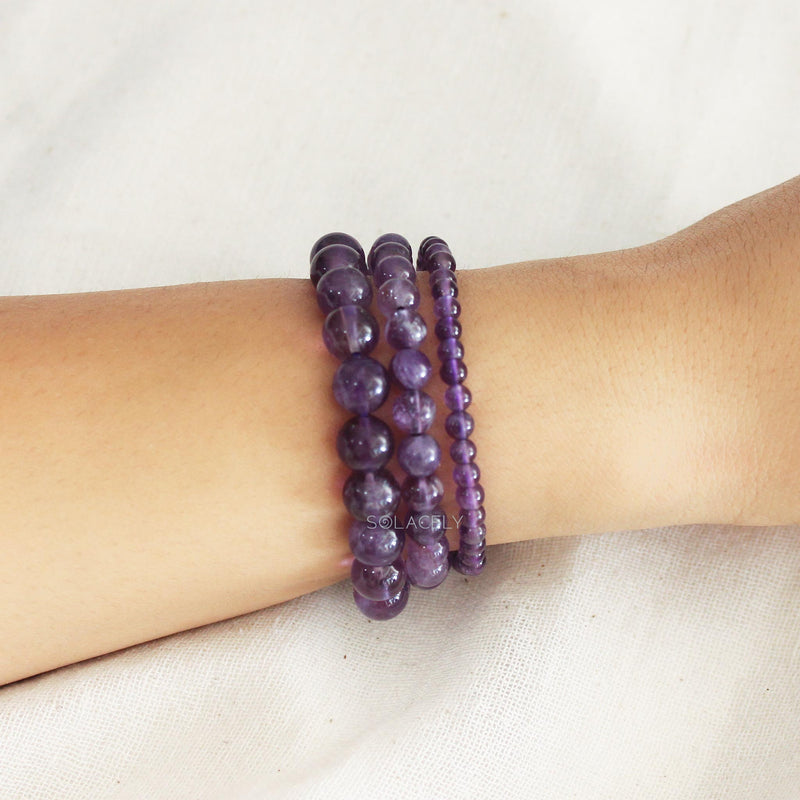
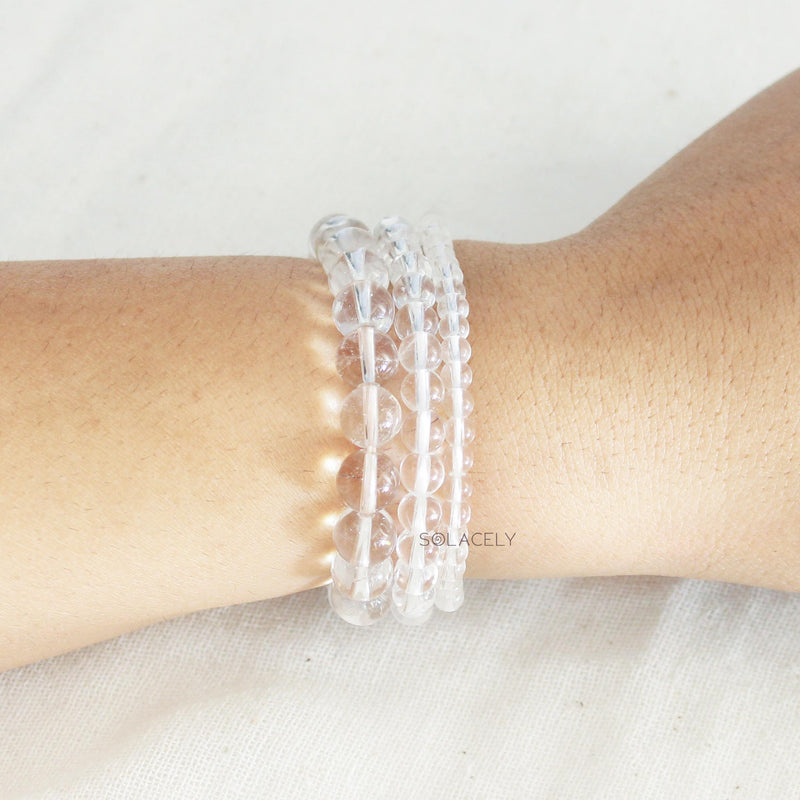
The crystals most often paired with the crown chakra are amethyst, clear quartz, and selenite, chosen for their violet, clear, and white tones that match the chakra's colours. In this tradition, crystals are kept nearby during meditation as a focus for intention, not as a treatment. They're a prompt to slow down, a beautiful object that anchors a habit.
Amethyst is a purple variety of quartz. According to the Gemological Institute of America (GIA), amethyst gets its violet colour from trace iron and natural irradiation within the quartz. That violet is exactly why chakra tradition links it to the crown, and amethyst is also the stone associated with calm. Clear quartz is read as an all-purpose 'clarity' stone, and selenite as a gentle, 'cleansing' white.
| Crystal | Colour | Traditional crown association |
|---|---|---|
| Amethyst | Violet / purple | Calm, clarity, spiritual awareness |
| Clear quartz | Colourless, clear | Clarity, openness, amplifying intention |
| Selenite | White, translucent | Peace, stillness, 'cleansing' |
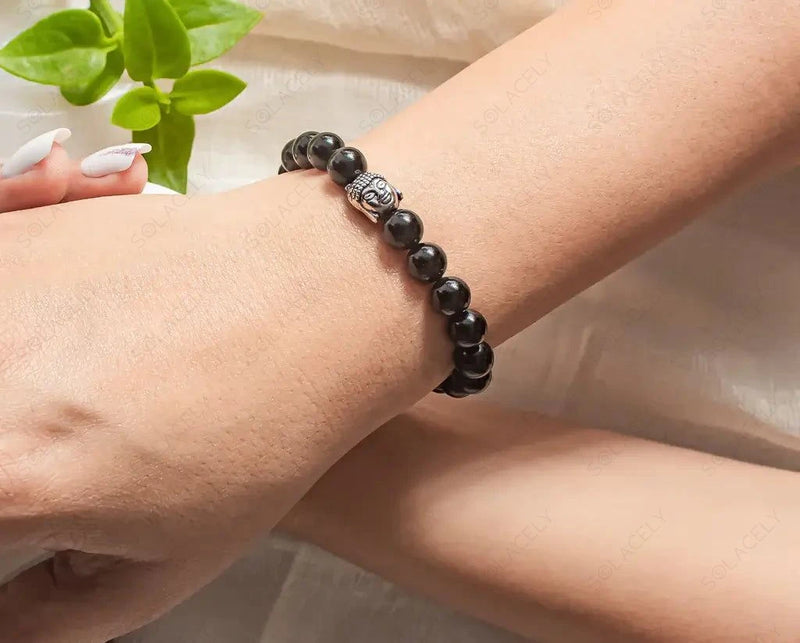
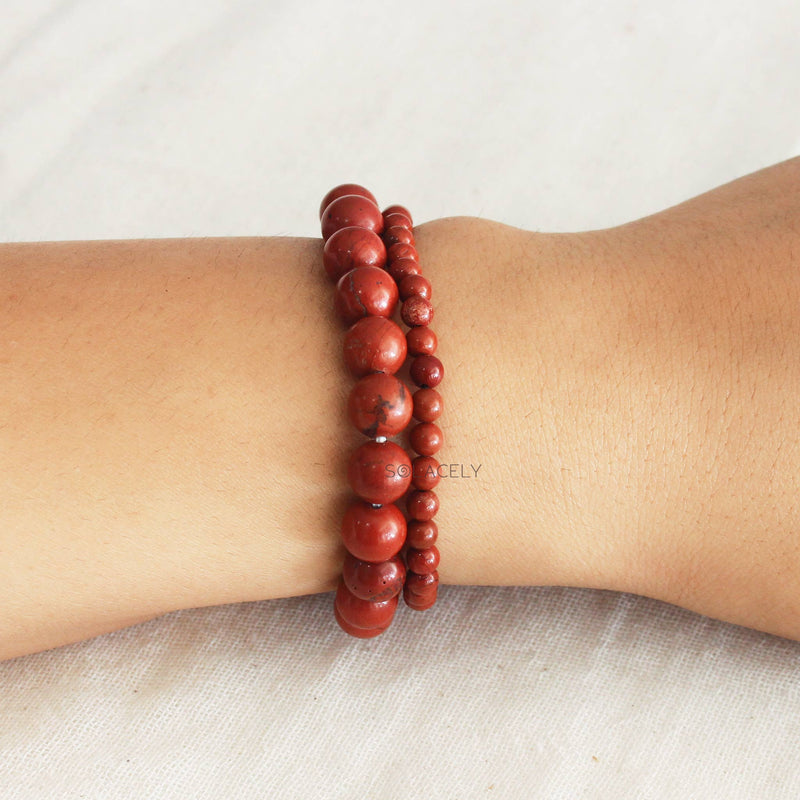
How people use them is simple: hold one during meditation, rest it near where you sit, or wear it as a bracelet through the day as a quiet reminder. Keep expectations gentle: a stone is a lovely anchor for a habit, not a cure. For how the same idea maps onto a different centre, see our piece on crystals for the heart chakra.
Step 7: Ground first, then build a simple routine
Because the crown sits at the very top of the chakra column, most teachers insist you ground at the base first, so the practice stays balanced rather than 'floaty' or untethered from daily life. A settled root and a clear crown are said to support each other. Skipping the foundation is the most common beginner mistake.
The order tradition recommends is bottom-up: steady the root, then work upward. The third-eye chakra sits directly below the crown and is closely linked to it, insight opening into awareness, so it's a natural neighbour to tend alongside. Our guide on how to unblock the third eye chakra pairs well with this one.
A realistic daily routine might look like this: two minutes of gratitude in the morning, ten minutes of silent meditation, a light and unhurried lunch, a short evening walk under the sky, and an amethyst kept where you sit. That's under twenty minutes of intention. Keep it small enough to actually repeat. For the full map of how all seven centres connect, our complete guide to the chakras explained is the hub this article belongs to, and the meaning of the sacral chakra shows how the lower, emotional centres sit on the same column.
Sources
- Encyclopaedia Britannica, "Chakra," centres of psychic energy in the subtle body in yoga and tantra. britannica.com
- U.S. National Center for Complementary and Integrative Health (NIH/NCCIH), "Meditation and Mindfulness: What You Need To Know." nccih.nih.gov
- Gemological Institute of America, amethyst (purple quartz) colour and formation. gia.edu
Frequently asked questions
About the author


Written by Chetna Sharma, crystal healing practitioner and co-founder of Solacely. Chetna has worked with healing crystals for over a decade and curates Solacely's protective stone collection.