Rune symbols for prosperity are Elder Futhark marks people associate with money, growth, and wealth in motion. The core three are Fehu (movable wealth and income), Jera (returns earned over a cycle), and Othala (wealth you keep, build, and pass on). They are a focus tool rooted in Norse tradition, not a promise of results.
Key Takeaways
- Prosperity is money in motion: earning, cash flow, and business momentum. That is what sets this guide apart from our broader abundance post.
- The three money runes: Fehu (wealth and income), Jera (returns over a cycle), and Othala (assets you keep and pass on). Uruz and Ansuz support the drive and the deal-making.
- All belong to the Elder Futhark, the oldest runic alphabet, which Britannica dates in use among Germanic peoples from about the 3rd century CE.
- A bind rune (two or three runes overlaid) is the traditional way to hold a single wealth intention.
- Pair by intention: Pyrite and Citrine for Fehu, Green Aventurine for Jera, Tiger's Eye for Othala.
What Are Rune Symbols for Prosperity?
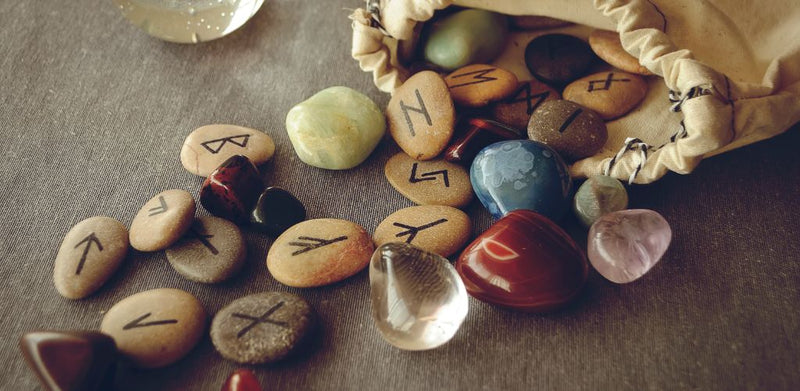
Prosperity runes are Elder Futhark letters that people read as themes of wealth, income, and financial growth. In Norse and wider Germanic belief they were carved into wood, bone, or metal as marks of intention. Treat them as heritage and symbolism, a way to focus effort, not as a financial instrument or a guaranteed outcome.
Runes are an alphabet first. The Elder Futhark holds 24 characters, and each one had a name and an everyday meaning, cattle, harvest, homestead, that later folk practice read as themes worth reflecting on. According to Britannica, the runic alphabet was used among Germanic peoples from roughly the 3rd century CE, with the oldest inscriptions appearing even earlier on tools and weapons.
That plain, working-life origin is exactly why these marks suit money goals. Fehu meant 'cattle,' the living, breeding wealth of a herding household. When someone chooses it today for prosperity, they borrow a very old idea: value you can grow, count, and put back to work. For the full alphabet, our guide to the deeper meanings of rune symbols walks through all 24.
Prosperity vs Abundance: Which Guide Do You Need?
Prosperity and abundance overlap, but they answer different questions. Prosperity is wealth in motion: earning, trade, cash flow, and financial momentum. Abundance is the felt sense of enough: a full harvest, health, warm relationships, steady growth. This post is the money guide. The thriving-and-contentment guide lives separately.
If your goal is income, a business result, or building assets, you are in the right place. This is the canonical hub for wealth-focused runework. If instead you want the wider, gentler sense of plenty, our companion post on rune symbols for abundance leans toward joy, roots, and vitality rather than bank balances.
Two runes appear in both traditions, Fehu and Jera, because wealth and harvest naturally cross over. Here we frame them through money: income you can grow and returns you earn over a cycle. Chasing a specific win, a deal, a launch, a promotion? That is a slightly different lens, covered in rune symbols for success.
The Prosperity Runes at a Glance
Five runes cover the money story: earning it, growing it, keeping it, driving toward it, and negotiating for it. Read the table as a quick map, then take each rune on its own. None of this is fortune-telling. It is a way to name which part of your financial life needs attention this season.
| Rune | Old name | Prosperity theme | Best paired crystal |
|---|---|---|---|
| Fehu | Fehu | Movable wealth, income, cash flow | Pyrite, Citrine |
| Jera | Jera | Returns earned over a full cycle | Green Aventurine |
| Othala | Othala | Assets, property, wealth you keep | Tiger's Eye |
| Uruz | Uruz | Drive and strength to build wealth | Red Jasper |
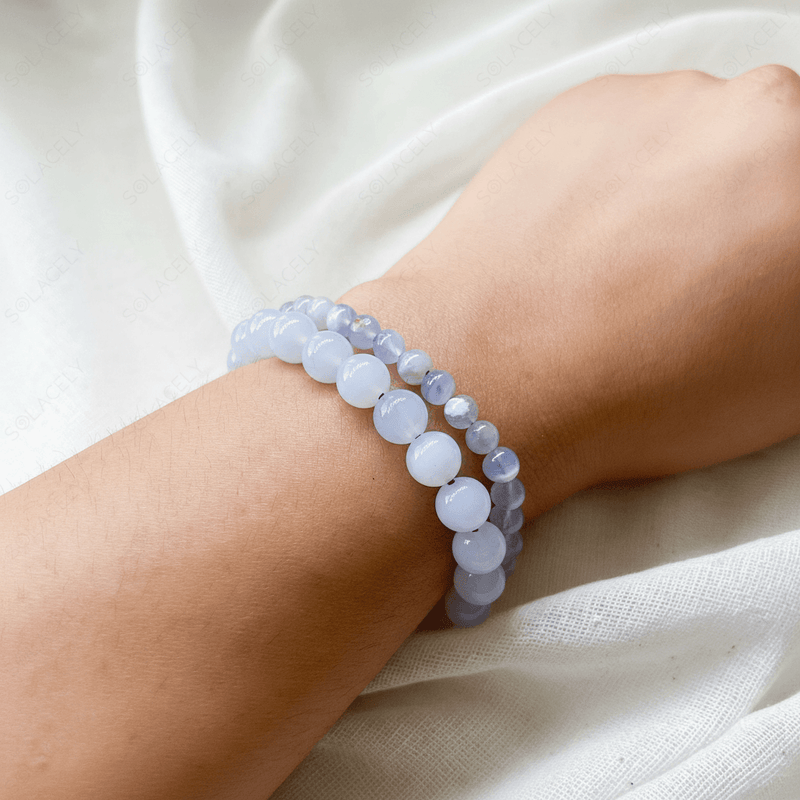
| Ansuz | Ansuz | Communication, deals, negotiation | Blue Lace Agate |
For the wider Norse context behind these marks, including how Viking-age carvers used them on trade goods and property, see our overview of Viking rune symbols.
Fehu: The Rune of Wealth and Income
Fehu is the first rune of the Futhark and the one most tied to prosperity. Its name means 'cattle,' the movable, breeding wealth of an early Germanic household. As a money symbol it points to income and liquid resources: your salary, your revenue, the value that flows in and can be put back to work.
In practice, people keep Fehu where money decisions happen, a wallet, a ledger, a work desk, as a nudge toward earning and reinvesting rather than hoarding. Because cattle reproduce, Fehu carries a quiet lesson about compounding: feed the herd before you count it, and let what you have generate more.
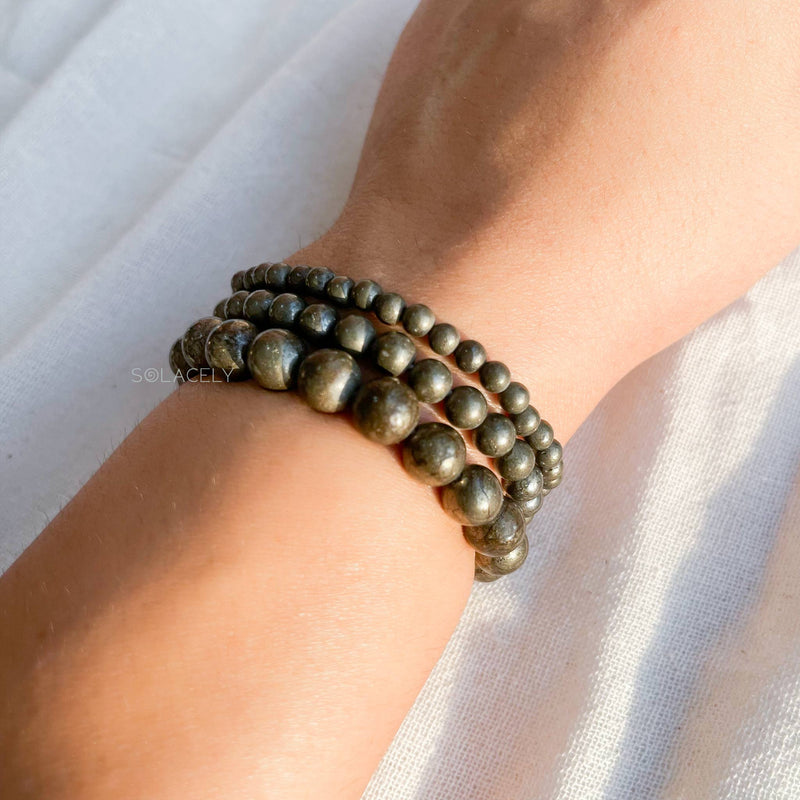
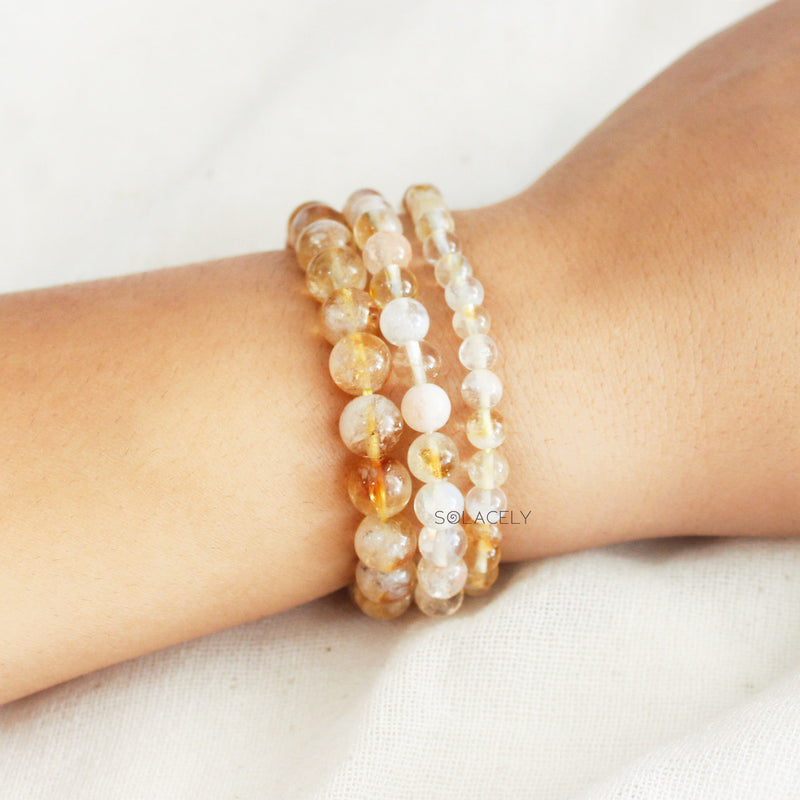
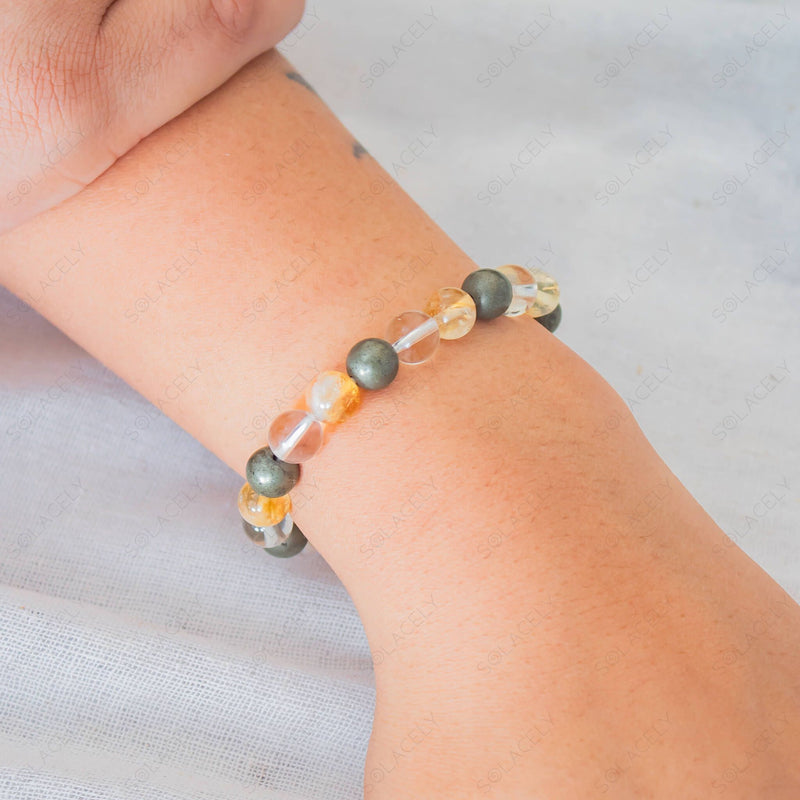
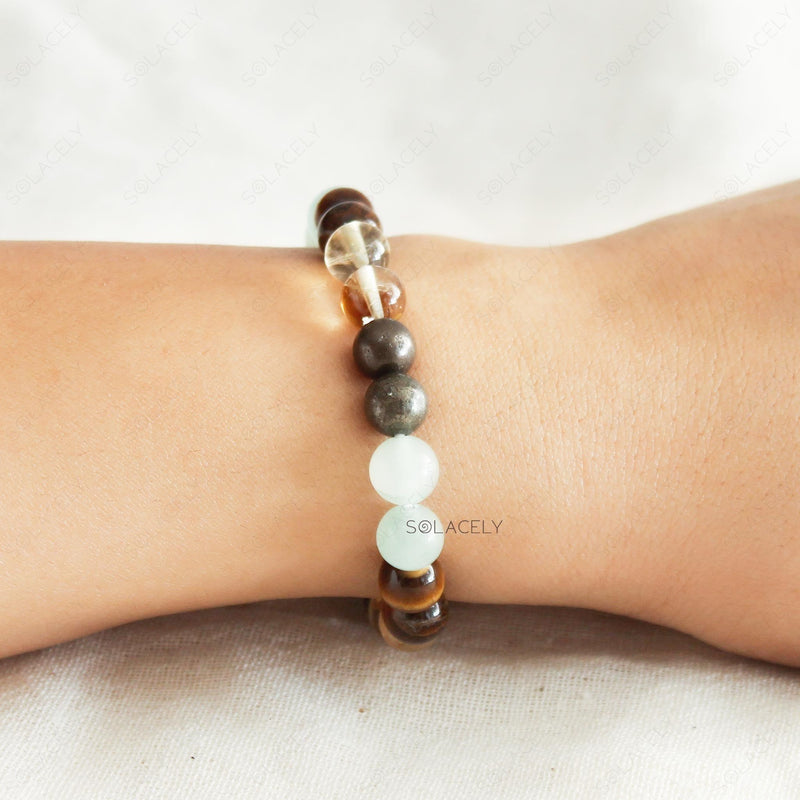
For crystal pairing, Fehu sits naturally with Pyrite and Citrine. In crystal tradition, Pyrite is the stone of wealth and confidence and Citrine the stone of abundance, so the match doubles down on Fehu's theme. Set a Fehu-carved chip beside a Pyrite cluster on your work table and let it stand for intention, nothing more. This is the single rune most beginners start with.
Jera: Returns That Come In Over a Cycle
Jera means 'year' or 'harvest' and is the rune of returns that arrive on a cycle. Its prosperity is patient money: capital that compounds, a business that finds its feet over quarters, a skill that pays off after months of practice. Nothing about Jera is instant, which is exactly why it steadies people tempted to pull out early.
Think of Jera as the rune of return on effort. Seeds planted in spring feed you in autumn. Money invested, or a venture nurtured, follows the same arc. It suits a regular investment plan, a new business, a long professional climb, anything where the reward is real but delayed. Green Aventurine, associated with growth and opportunity, is the natural pairing.
Because Jera also appears in abundance work, we frame it here as financial return rather than felt plenty. For the harvest-and-patience reading of the same rune, our abundance guide takes the gentler angle. Kept here, Jera is about money that grows if you hold your position.
Othala: Assets, Property, and Wealth You Keep
Othala means 'inheritance' or 'ancestral property,' the home, land, and heritage passed down a family line. In a prosperity frame, it is the rune of wealth you keep and build, not just income that passes through. Property, a family business, savings held for the next generation, all sit under Othala's roof.
Use Othala when the goal is accumulation and security: buying a home, holding assets, building something your children inherit. Where Fehu is money moving, Othala is money settled and rooted. For anyone whose financial life is bound up with family property, this is often the rune that lands hardest.
Tiger's Eye, a grounding stone linked in tradition with steady confidence and protection of resources, pairs well here. Placed near where you keep documents or plan long-term finances, an Othala mark can stand for the intention to hold and grow what you own. It is the quiet, grown-up end of prosperity work.
Uruz and Ansuz: The Drive and the Deal
Fehu, Jera, and Othala cover earning, growing, and keeping. Two more runes support the human side of prosperity: the energy to build and the words to close a deal. Uruz supplies drive and stamina; Ansuz supplies communication and clear negotiation. Both were everyday concepts long before anyone read them as money symbols.
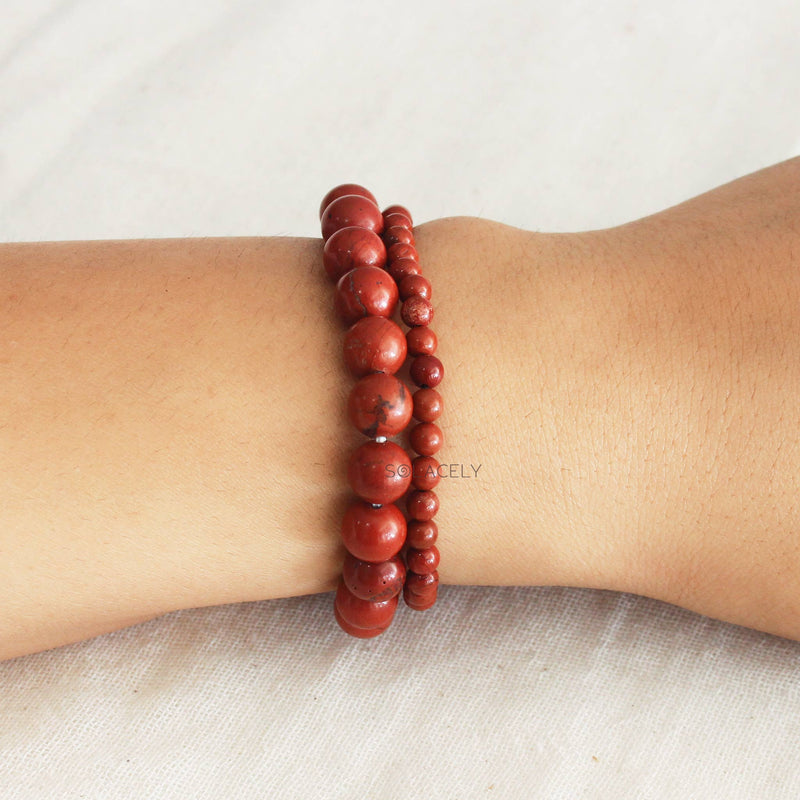
Uruz means 'aurochs,' the wild ox, and stands for raw strength, stamina, and the will to push a plan forward. In prosperity work it is the rune of hustle done right, the energy behind a launch or a hard quarter. Red Jasper, a stone of endurance in crystal tradition, is a fitting pair.
Ansuz means 'a god' or 'message,' linked to Odin, speech, and wisdom. Britannica notes Odin's association with poetry and magic in Norse mythology, and folk practice reads Ansuz as clear communication and sound judgement. People keep it in mind before negotiations, pitches, or interviews. Blue Lace Agate, a calming, expressive stone, pairs with it well.
How to Use Prosperity Runes: A Simple Bind Rune Method
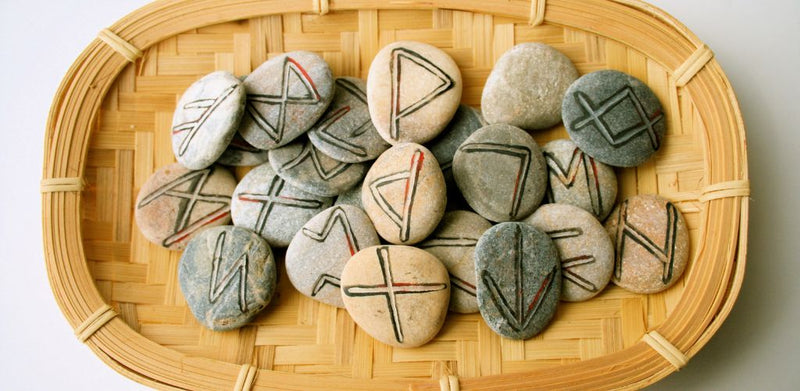
A bind rune is two or three runes overlaid into one mark to hold a single money intention. It is the traditional, low-effort way to work with prosperity runes, and it needs nothing more than a pen, a piece of wood, or a rune stone. Frame it as focus and reflection, not spellwork with guaranteed returns.
Here is a respectful, practical method:
- Name the money goal. Be specific: 'steady income from my new venture' or 'hold and grow this year's savings.'
- Pick two or three runes. For income you nurture, try Fehu plus Jera. For assets you build and keep, Fehu plus Othala. For a big pitch, Fehu plus Ansuz.
- Draw them overlaid. Share a common vertical stave so the runes merge into one clean symbol. Keep the orientation clear.
- Choose a surface. Paper, birch or pine wood, or a flat crystal. Many people simply draw it in a finance journal or planner.
- Charge it with attention. Hold it, restate the goal once, then place it where money decisions happen, a desk, a wallet, a workspace.
- Add a paired stone. Set the matching crystal beside the bind rune to keep the theme in view.
Redraw the bind rune when the goal changes, a new quarter, a new venture, a new target. There is no fixed schedule. The point is that it keeps the intention in front of you while you do the actual work. For the spiritual grounding behind runework, our guide to rune symbols for spirituality is a good companion read.
Pairing Prosperity Runes With Crystals
Pairing a rune with a stone that shares its theme makes the intention tangible. The rune names the money goal; the crystal gives you something to hold. In crystal tradition, stones are chosen by intention, Pyrite for wealth, Citrine for abundance, Tiger's Eye for grounded confidence, so the match is easy to build.
| Rune | Money intention | Crystal | Why it fits |
|---|---|---|---|
| Fehu | Income, cash flow | Pyrite, Citrine | Wealth and abundance stones |
| Jera | Returns over time | Green Aventurine | Growth and opportunity |
| Othala | Assets, property | Tiger's Eye | Grounded confidence, protection of resources |
| Uruz | Drive to build | Red Jasper | Endurance and stamina |
| Ansuz | Deals, negotiation | Blue Lace Agate | Calm, clear communication |
You do not need a matching stone for the practice to mean something. If you like the idea, wealth-building energy sits well with Capricorn's disciplined, long-game temperament, so our roundup of crystals for Capricorn is a useful starting point.
Common Mistakes to Avoid
The most common mistake is treating prosperity runes as a shortcut to money. They are focus tools rooted in old tradition, not a guarantee of income or returns. Kept in that frame, they are a calm, useful nudge toward your financial goals. Treated as magic that 'should pay out,' they only invite disappointment.
A few practical missteps to sidestep:
- Choosing by looks, not meaning. Fehu, Jera, and Othala answer different money questions. Match the rune to the actual goal.
- Ignoring orientation. A reversed rune can read differently. Keep your marks clear so they say what you mean.
- Overloading a bind rune. Two or three runes hold a focus; five or six blur it. Less is stronger.
- Confusing prosperity with abundance. If you want the felt sense of enough rather than money momentum, use the abundance guide.
- Skipping the work. Jera rewards effort over a full cycle. A symbol reminds you; it does not replace the plan, the discipline, or the patience.
For a wider vocabulary of manifestation marks beyond runes, our top manifest symbols guide covers sigils and symbols from several traditions. And for the growth-and-new-beginnings sense of fertility, both literal and creative, see rune symbols for fertility.
Sources
Frequently asked questions
About the author


Written by Chetna Sharma, crystal healing practitioner and co-founder of Solacely. Chetna has worked with healing crystals for over a decade and curates Solacely's protective stone collection.