A manifest symbol is a shape or mark, a rune, a sigil, a piece of sacred geometry, or a yantra, that people use to hold an intention and focus attention on a goal. It doesn't act on the world by itself. It works as a visual anchor: a reminder that keeps a wish specific, repeated, and top of mind.
Key Takeaways
- What they are: Manifestation symbols are focus tools, sigils, runes, sacred geometry, mantras and yantras, used to hold a clear intention, not magic that acts on its own.
- Main families: Sigils (personal designed marks), Norse runes, sacred geometry (lotus, mandala, Sri Yantra, infinity), and mantra-yantras like Om (ॐ) and the Shri Yantra.
- Deep roots: The Om symbol, yantras, and mandalas come from long Hindu, Buddhist and Jain traditions of meditation and focus.
- How to use: Pick one clear goal, choose or draw one symbol, place it where you'll see it daily, and pair it with steady real-world action.
- Belief, not fact: Any spiritual meaning here is tradition and personal belief. A symbol works by shaping your attention and habits.
Across cultures, people have drawn marks to concentrate desire into something they can see and return to. In the Hindu and Buddhist world, that lineage runs through the Om syllable, yantras, and mandalas used in meditation. In the Norse world, it runs through runes carved for prosperity and protection. This guide explains the main manifestation symbols, what they mean, and a grounded, belief-framed way to actually use them.
What is a manifest symbol?
A manifest symbol is a visual mark used to focus intention: a sigil, rune, geometric figure, or sacred syllable that represents a goal you want to work toward. It functions as a mental anchor. Seeing the symbol repeatedly keeps the intention specific and reminds you to act, which is how it earns its place in a manifestation practice.
The idea sits inside the broader 'law of attraction' and older meditation traditions. The symbol is not thought to grant wishes on its own. Instead, it does two practical things. First, it makes a vague hope concrete: 'I want to grow my business' becomes a single mark you can look at. Second, repetition builds attention. What you notice daily, you tend to plan around and pursue.
That reframing matters. A manifest symbol is best understood as a belief-based focus tool, closer to a vision board or a written affirmation than to a spell. Its value comes from clarity and consistency, both of which you can measure in your own behaviour.
Sigils: your own designed symbol
A sigil is a custom symbol you design to represent a single intention, usually by taking the letters of a written goal and combining them into one abstract mark. Popularised in 20th-century Western practice by artist Austin Osman Spare, sigils are personal by design: only you know what the finished shape means, which is said to help you release attachment to the outcome.
The classic method is simple. Write your intention as a short present-tense sentence, 'I speak with confidence,' for example. Cross out the vowels and any repeated letters. Take the remaining consonants and merge their shapes into a single glyph you find visually satisfying. There is no correct look; the mark is yours.
People then keep the sigil where it's seen often, inside a journal, as a phone wallpaper, or on a small card. Because you built it around one clear goal, it works as a private, repeatable cue. For a broader look at how designed and inherited marks carry meaning, our guide to the deeper meanings of rune symbols is a useful companion.
Norse runes as manifestation marks
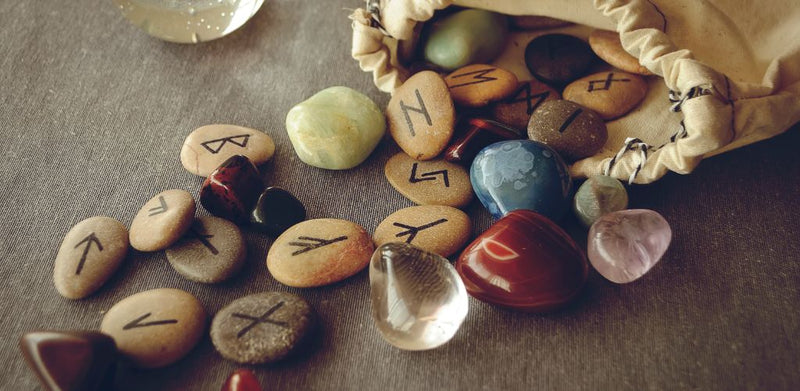
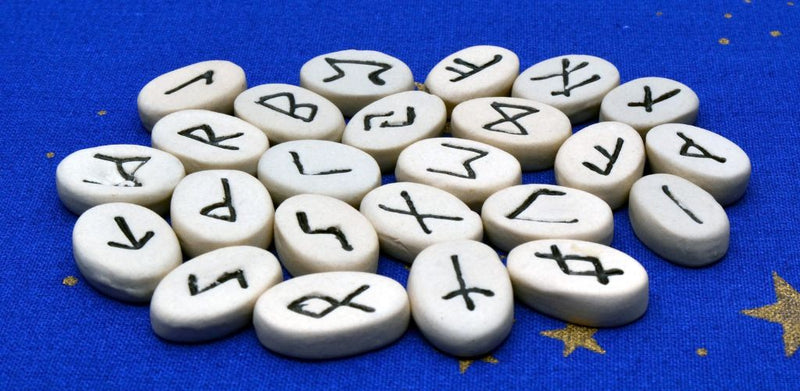
Runes are the letters of the Old Norse and Germanic alphabets, and each carries a name and a traditional meaning that people borrow for intention-setting. According to Britannica, the runic alphabet, or futhark, was used across Northern Europe from roughly the 3rd century CE, primarily for inscriptions on stone, wood, and metal, long before it became a modern tool for reflection.
Individual runes map neatly onto goals, which is why they show up so often in manifestation. Fehu is linked with wealth and cattle, historically a measure of prosperity. Sowilo represents the sun, success, and vitality. Uruz stands for strength. Practitioners either carry a single rune or arrange a few into a 'bind rune,' combining their shapes much like a sigil.
If you want to go deeper by goal, Solacely has focused guides on rune symbols for abundance, rune symbols for prosperity, and rune symbols for success. For the historical roots, see our overview of Viking rune symbols.
Sacred geometry: lotus, mandala, infinity
Sacred geometry refers to shapes and patterns, the lotus, mandala, infinity loop, and Sri Yantra, that many traditions treat as expressions of order and wholeness. These symbols are used in manifestation because their balanced, repeating forms are calming to look at and easy to meditate on, which supports sustained focus on an intention.
A few carry especially clear associations:
- Lotus flower: growth from difficulty, since it blooms clean out of muddy water. A symbol of steady, patient progress.
- Mandala: wholeness and balance. Used in Hindu and Buddhist practice as a meditation aid, its concentric design draws the eye inward.
- Infinity (∞): continuity and endless possibility, often chosen for goals about lasting love, learning, or resilience.
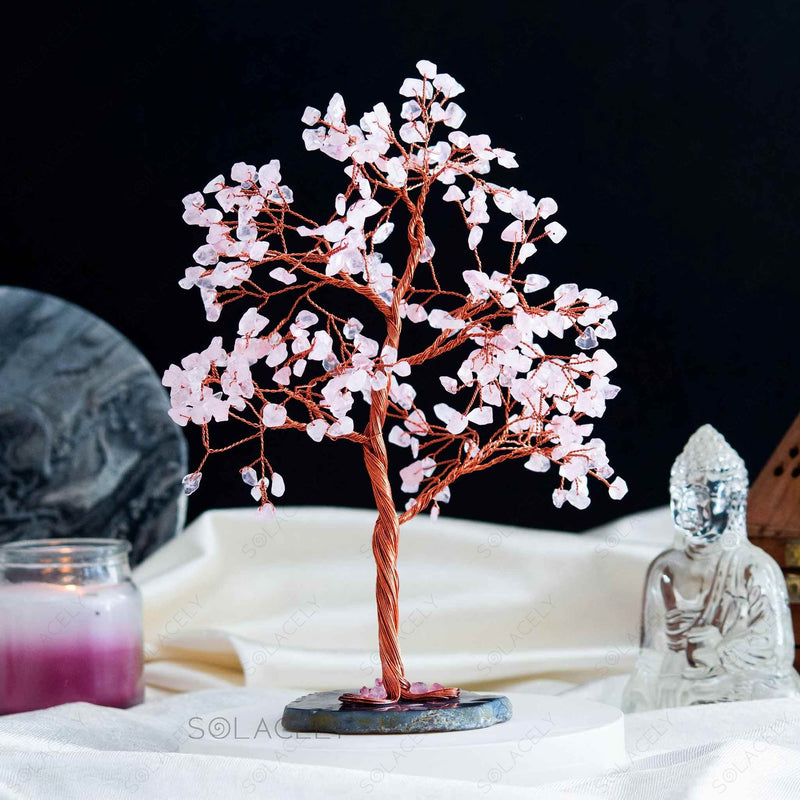
- Tree of Life: roots and branches as a picture of grounding and growth together.
These forms suit people who prefer a symbol that feels universal rather than one tied to a specific alphabet. You can meditate on a printed mandala, wear a lotus pendant, or keep an infinity mark in a journal as a daily anchor.
Om, yantras, and mandalas: the oldest focus tools
In Hindu, Buddhist and Jain tradition, manifestation-style focus tools include the Om syllable (ॐ), yantras like the Shri Yantra, and mandalas, all used for centuries as aids to meditation and concentration. According to Britannica, Om is a sacred syllable regarded in Hinduism as the sound-essence of ultimate reality, chanted at the start of prayers and recitations and used as a support for meditation.
Yantras take this further into geometry. The Shri Yantra, a pattern of nine interlocking triangles around a central point, is one of the best-known, used in worship and meditation as a diagram to focus the mind. Mandalas share this purpose: their concentric symmetry gives the attention a place to settle. These are the closest and oldest cousins of what the modern world now calls 'manifestation symbols.'
The key point is continuity of intent. Whether you chant Om, trace a yantra, or sit with a mandala, the mechanism is the same as a sigil or rune: a fixed point that gathers scattered attention into a single, repeated focus. That is why this tradition translates so naturally into a modern intention practice.
Popular manifest symbols and their meanings
Different symbols suit different goals, so it helps to see the common ones side by side. The table below summarises widely used manifestation symbols, their traditional associations, and the kind of intention people pair them with. Treat every meaning as cultural tradition and personal belief rather than guaranteed effect.
| Symbol | Origin / Tradition | Associated meaning | Common intention |
|---|---|---|---|
| Om (ॐ) | Hindu, Buddhist, Jain | Ultimate reality, sound of the universe | Calm, spiritual grounding |
| Shri Yantra | Hindu tantric | Wholeness, cosmic order | Focus, abundance |
| Lotus | South and East Asian | Purity, growth from difficulty | Patient progress |
| Mandala | Hindu, Buddhist | Balance, wholeness | Meditation, clarity |
| Fehu (rune) | Norse | Wealth, cattle | Prosperity |
| Sowilo (rune) | Norse | Sun, success | Achievement, energy |
| Infinity (∞) | Universal | Eternity, continuity | Lasting bonds, resilience |
| Hamsa | Middle Eastern | Protection, blessing | Warding off negativity |
| Tree of Life | Many cultures | Growth, connection | Family, stability |
| Sigil | Modern Western | Personal, self-defined | Any single specific goal |
Notice how many map to money and growth. If wealth is your focus, the rune family is worth exploring, and pairing a symbol with a stone said to support confidence, like pyrite, is a common companion practice.
How to use a manifest symbol with intention
Using a manifest symbol well is a matter of clarity and repetition: choose one specific goal, select or draw one symbol, place it where you see it daily, and back it with real action. The symbol keeps the intention visible; you supply the effort. Framed this way, it's a focus habit, not a shortcut.
Here is a simple, grounded routine:
1. Name one clear goal. Write it as a short present-tense line with a number and a date attached. Specific beats vague. 2. Pick one symbol. A rune for the theme, a sigil you design, or a yantra you connect with. One is enough; more dilutes focus. 3. Place it in sight. Phone wallpaper, journal cover, a card by your desk, or a piece of jewellery. You want to meet it daily. 4. Pair it with a moment. Look at it with your morning coffee or before sleep, take one slow breath, and restate the goal. 5. Act on it. Attach one small real-world step to each viewing. The symbol reminds; you move. 6. Review monthly. Keep what's working, retire what isn't. Intentions are allowed to change.
Common mistakes are easy to avoid. Don't stack ten symbols at once, don't treat the mark as a substitute for effort, and don't expect a deadline you didn't plan for. For a calendar-linked focus point, some people time a fresh intention to a charged date like the Lion's Gate Portal on 8 August.
Choosing the right symbol for your goal
The best manifest symbol is the one that matches your goal and feels personally meaningful, since attention follows connection. There's no universal 'most powerful' mark. A prosperity rune, a Shri Yantra, and a homemade sigil can each work equally well if the intention behind them is clear and you engage with them consistently.
Start from the goal, not the aesthetics. For money and career, the Norse abundance runes or Fehu are natural fits. For calm and grounding, Om or a mandala. For love and connection, the infinity loop or dedicated love rune symbols suit well. For a broadly spiritual practice, our guide to rune symbols for spirituality is a good starting point.
If two symbols appeal equally, choose the one you'll actually look at every day. A beautiful mark you ignore does nothing; a plain one you meet each morning does the real work of keeping you focused.
Sources
- Encyclopaedia Britannica, Om, the sacred syllable. britannica.com
- Encyclopaedia Britannica, the runic alphabet. britannica.com
- Encyclopaedia Britannica, yantra. britannica.com
Frequently asked questions
About the author


Written by Chetna Sharma, crystal healing practitioner and co-founder of Solacely. Chetna has worked with healing crystals for over a decade and curates Solacely's protective stone collection.