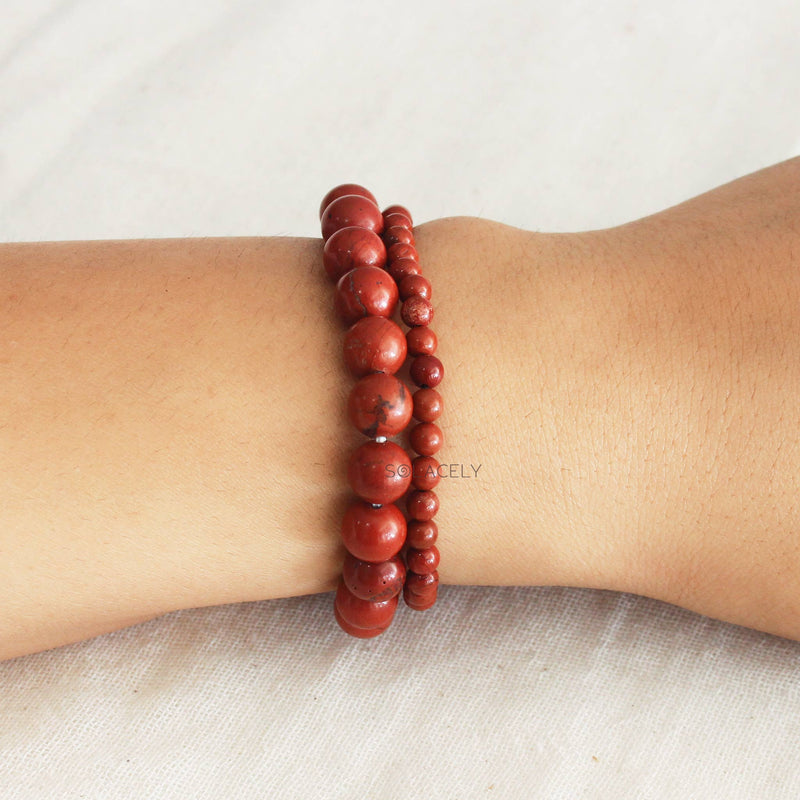
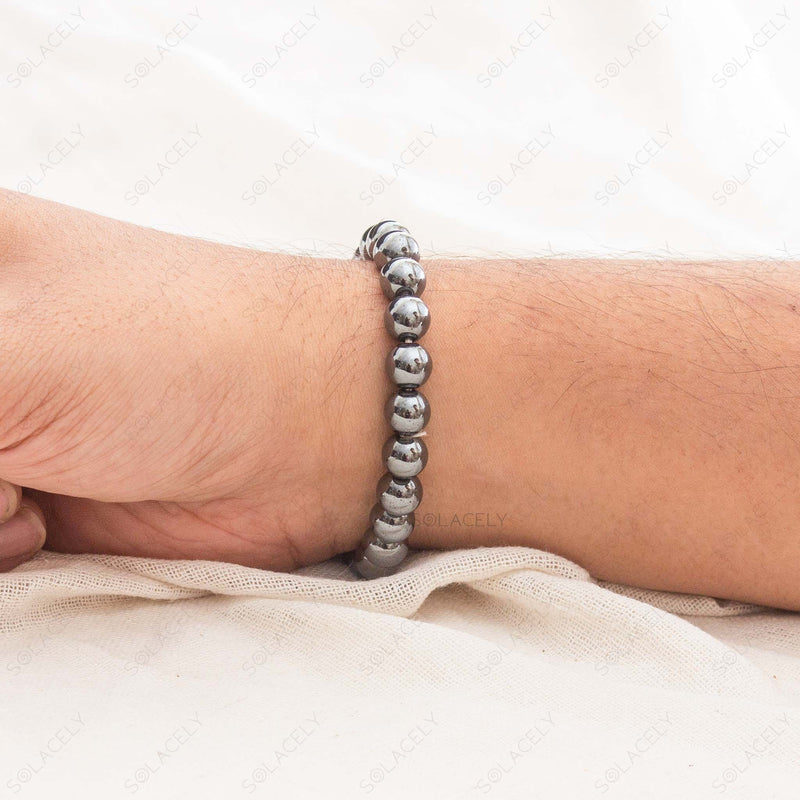
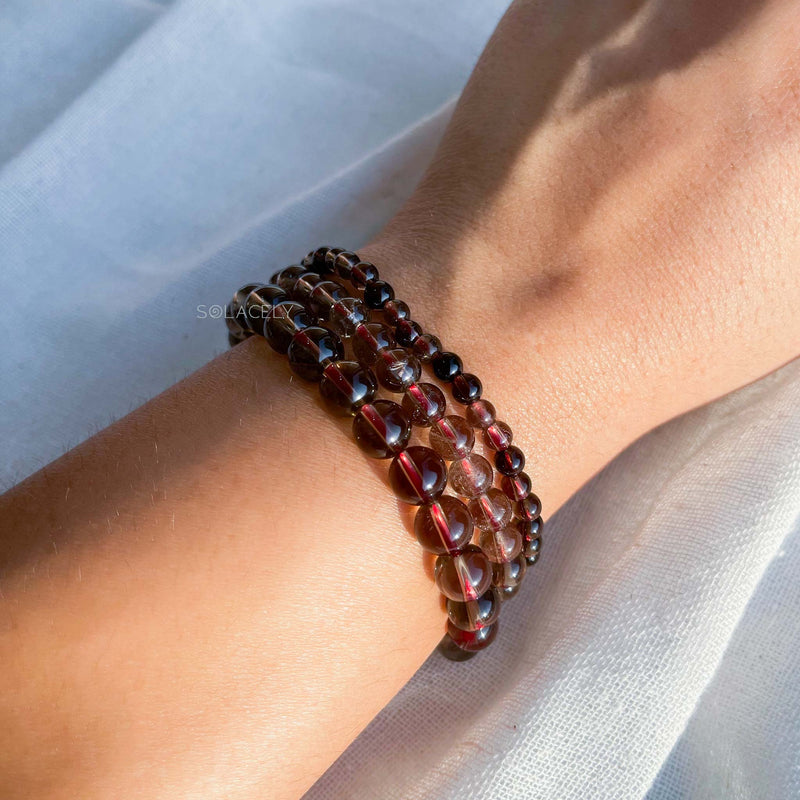
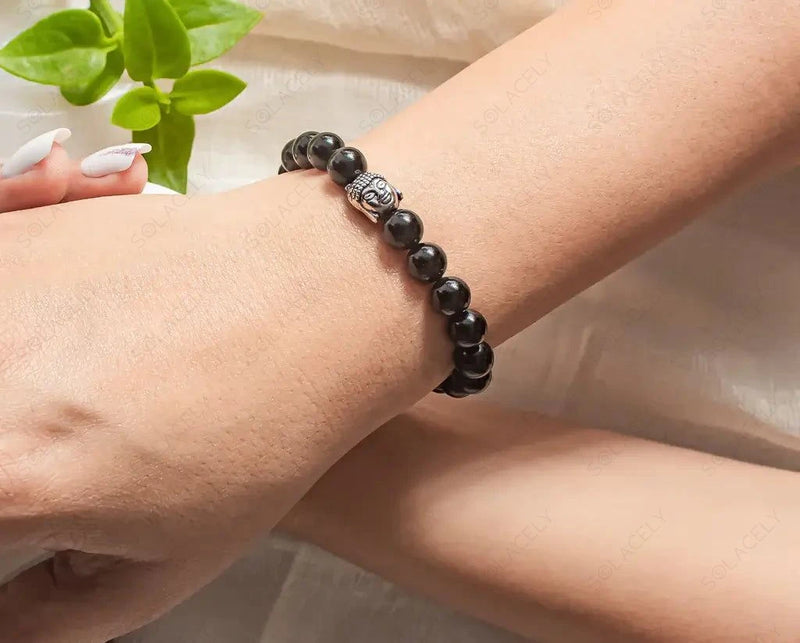
Red jasper, black tourmaline, hematite, smoky quartz, black obsidian and red garnet are the traditional root chakra stones. Red and black dominate the group, following the colour assigned to the base of the system, and each is kept for feeling planted rather than lifted. Root work goes downward, so placement is always low.
Key takeaways
- The root, muladhara, sits at the base of the spine and is treated as the foundation of the whole chakra system.
- Its stones are red and black: red jasper, garnet, black tourmaline, hematite, smoky quartz, obsidian.
- Traditionally kept for safety, belonging and steadiness.
- Place them low: base of the spine, between the feet, or a pocket at hip height.
- Practitioners start at the root before working with the upper centres.
What the root chakra is
Muladhara is the first of the seven main centres in classical yogic mapping, sitting at the base of the spine. Its name translates roughly as root support, and it is assigned the colour red and the element earth.
Tradition describes it as governing the most basic things: safety, belonging, having enough, and the sense that the ground will hold. It is treated as the foundation the rest of the system rests on, which is why teachers so often send students back to it. Working on insight and expression while the base feels unsteady is understood to be building on sand.
In practical description, a root that is settled shows up as being able to sit still without fidgeting, sleeping without a racing mind, and a general trust that things will be alright. Our beginner's guide to the chakra system covers how all seven relate.
The root chakra stones
| Stone | Traditionally kept for |
|---|---|
| Red jasper | Steady endurance; the classic red root stone |
| Black tourmaline | Holding a boundary; the most reached for of the group |
| Hematite | Weight and composure; noticeably dense in the hand |
| Smoky quartz | Clearing what you are carrying, and coming back into the body |
| Black obsidian | Facing what needs facing; a direct stone |
| Red garnet | Warmth and vitality at the base rather than severity |
Two colours dominate for two different reasons. Red is the colour assigned to the root in the classic sequence, which places jasper and garnet there straightforwardly. The black stones join them because dense, dark, weighty material carries the same grounding association, and hematite is the clearest example: it is an iron oxide and feels substantial in a way a similarly sized quartz simply does not.
If you are choosing one to start with, black tourmaline is the usual recommendation. Our black tourmaline guide covers it in full.
How to work with them
The single most useful rule is that root work goes low. People new to crystal practice tend to place everything at the forehead or the chest, which suits amethyst and rose quartz and works directly against a stone whose whole tradition is about the base.
- Lie down with the stone at the base of the spine, or on the floor between your feet if seated.
- Get your feet flat on the ground. Contact with the floor is part of the practice.
- Breathe out longer than you breathe in. Four in, six out. Longer exhales are the standard settling technique.
- Put your attention in your legs and feet, not your head. Notice weight rather than thought.
- Ten to fifteen minutes, daily rather than occasionally.
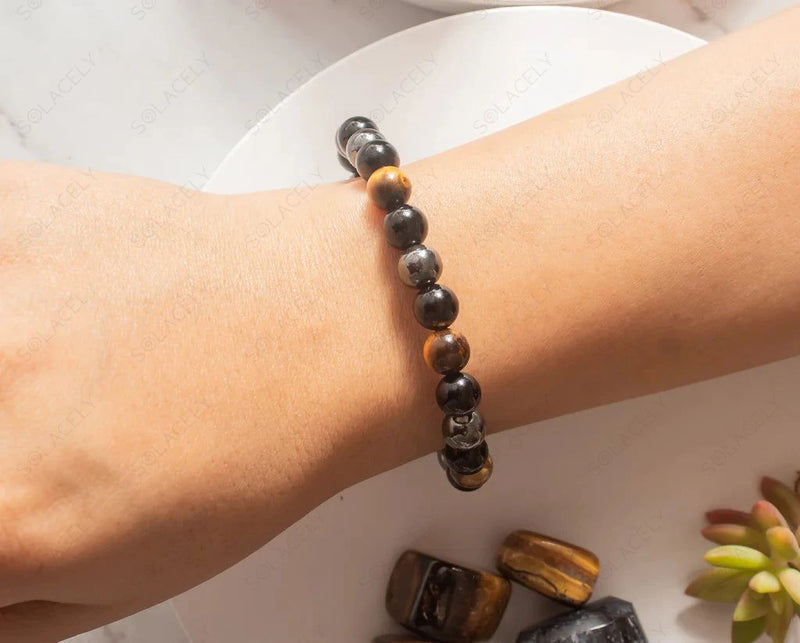
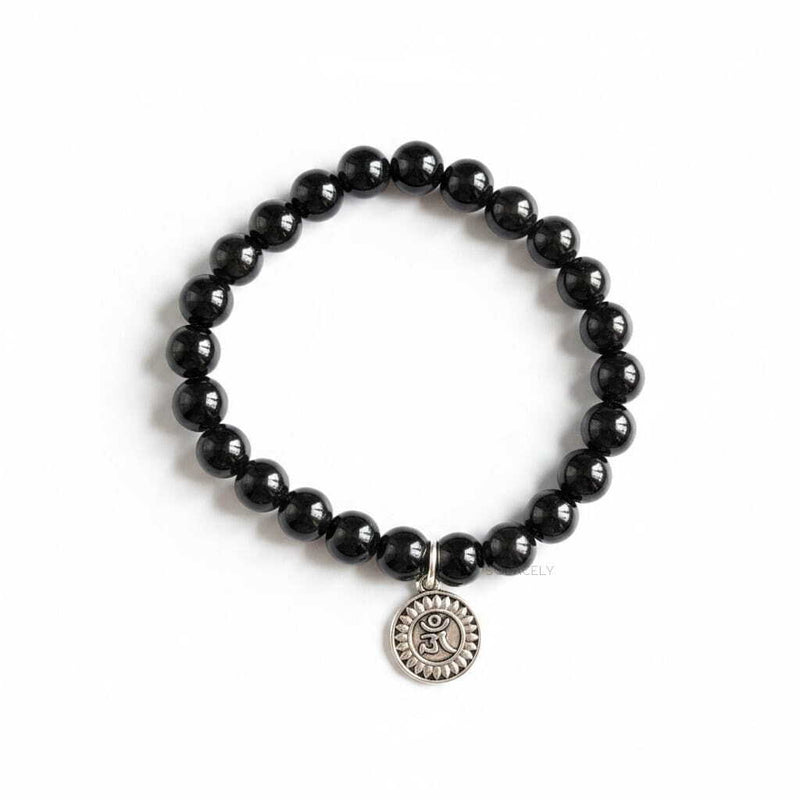
- Carry one at hip height through the day: a trouser pocket rather than a bag. Our black tourmaline bracelet is strung for exactly this - worn at the wrist, through the day.
Placing stones at the four corners of a room, or one by the front door, is the household version of the same idea and is covered in our crystals for protection guide.
Signs the root is asking for attention
Traditional description points at a recognisable cluster: feeling unsettled without a clear cause, difficulty trusting that things will hold, restlessness, and a sense of being slightly above your own life rather than in it. Periods of upheaval bring it up: moving house, changing job, the end of a relationship, anything that removes the usual structure of a week.
These are descriptive categories inside a tradition rather than diagnoses. Where something is persistent or physical, the sensible route is a doctor first and the crystal practice alongside.
Building the practice from the base up
Teachers conventionally work upward through the system, and there is a practical logic to it beyond the symbolism. Grounding stones are heavy, quiet and undemanding, which makes them the easiest place for a beginner to start. Nobody has ever found a hematite palm stone overwhelming.
Once the root feels settled, the sacral centre above it is the usual next step, covered in our sacral chakra crystals guide. The beginner's chakra stone guide sets out the full seven stone progression if you want to see where it leads.
Caring for root stones
Most of this group is durable. Red jasper and smoky quartz are quartz family stones at around 7 on the Mohs scale and take warm water and a soft cloth without complaint. Black tourmaline is harder still at 7 to 7.5, though raw specimens are brittle along their striations and are better kept out of long soaks.
Hematite has one specific quirk: dry it thoroughly, since it can develop rust spots if left damp. Black obsidian is natural volcanic glass and can hold a genuinely sharp edge on a broken piece, so check any raw specimen before handing it to someone else.
For energetic cleansing, sound, smoke, moonlight or a rest on selenite all suit the group. Grounding and protective stones are traditionally cleansed more often than others, and weekly suits a piece in daily use.
Chakra work and crystals are offered here for reflection and wellbeing as part of a long standing spiritual tradition. They are not a medical model, not a treatment for any condition, and not a substitute for professional healthcare. Keep small stones away from young children and pets.
Sources
Written by Chetena Sharma. Reviewed by the Solacely editorial team.
Frequently asked questions
About the author


Written by Chetna Sharma, crystal healing practitioner and co-founder of Solacely. Chetna has worked with healing crystals for over a decade and curates Solacely's protective stone collection.