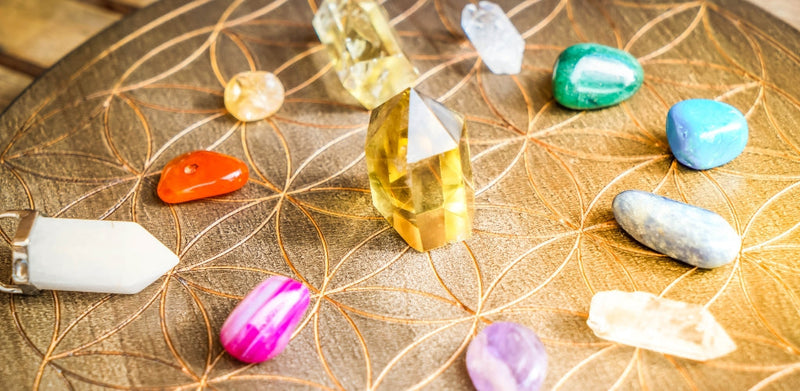
Seven stones sit where protection and good luck overlap: citrine, green aventurine, black tourmaline, tiger's eye, pyrite, jade and clear quartz. Citrine is the one stone that carries both jobs on its own, which is why it turns up in tills and coin purses across so many traditions.
Key takeaways
- Citrine bridges both jobs. If you want one stone rather than a pair, this is the traditional answer.
- Luck and protection are different halves. Luck is the thing turning up, protection is the boundary that lets you say yes to it.
- The classic carry pair is citrine with black tourmaline, matched at 7 and above on the Mohs scale, so they wear together without a spacer.
- Pyrite is a desk stone, not a wrist stone. Keep it dry, on a shelf, and out of reach of children and pets.
- Carried stones get cleansed daily, placed stones weekly. Moonlight and sound suit all seven.
- Everything described here is traditional belief and cultural practice, and nothing here is financial advice.
What does good luck mean in crystal practice?
Two things, and separating them makes the stone choice obvious. The first is opportunity, the sense of things turning up: the call back, the flat coming free, the introduction. Green aventurine is the traditional stone for that half, carried into interviews and pitches for generations.
The second is nerve, the willingness to act when the thing does turn up. Citrine and pyrite carry that half, and the tradition is unusually consistent about it. Citrine has been the merchant's stone for centuries, kept where money changes hands, and pyrite is the stone of drive and follow-through.
Protection is the third element, and it is why these two jobs are so often paired. A boundary is what lets you take an opportunity without being swept along by everyone else's plans. Black tourmaline is the standard companion for exactly that reason. Our crystals for protection guide covers the boundary side in full.
The seven stones at the intersection
Each does a slightly different share of the work.
| Stone | The luck half | The protection half |
|---|---|---|
| Citrine | Enterprise, abundance | Confidence to hold a line |
| Green aventurine | Opportunity turning up | Calm about the outcome |
| Black tourmaline | Clearing what blocks a move | The boundary itself |
| Tiger's eye | Nerve for a decision | Courage under pressure |
| Pyrite | Drive, and naming your price | Steadiness at a desk |
| Jade | Prosperity, long horizon | Harmony in a household |
| Clear quartz | Amplifies whichever you pair it with | The same |
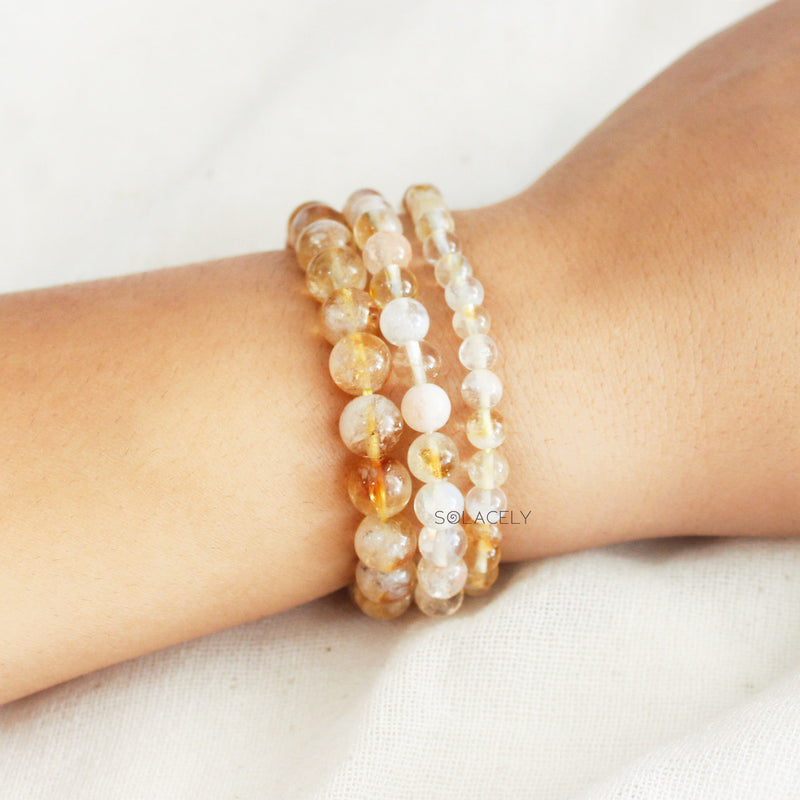
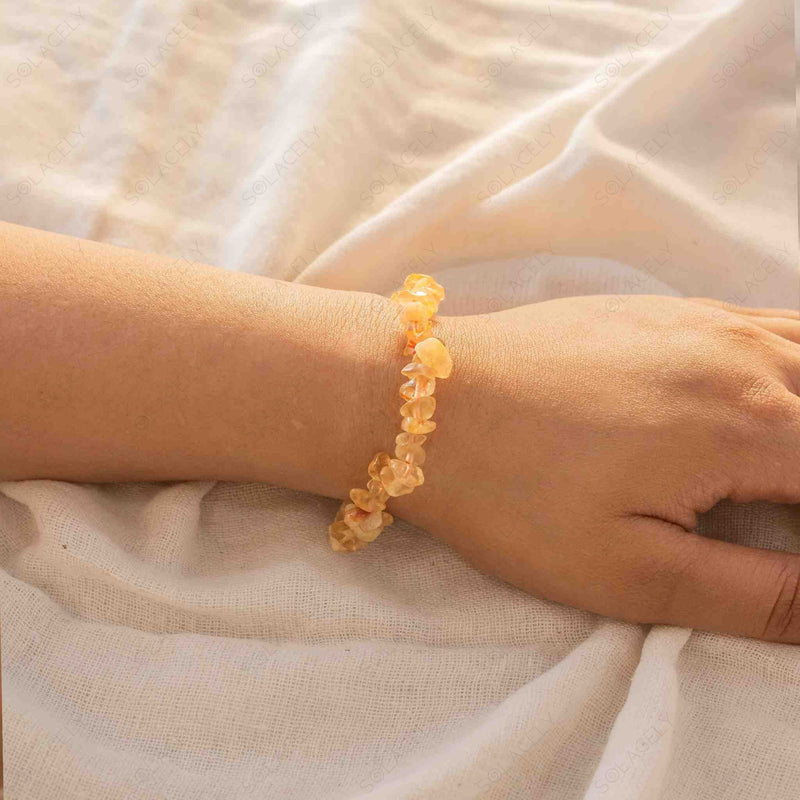
Citrine is the standard recommendation when someone wants one stone for both. It is quartz at 7 on the Mohs scale with no cleavage, so it takes daily wear in any format including a ring, and its warm gold sits beside almost any other colour. Our citrine guide covers the stone itself, including why warming quartz to draw out those golden tones is a long established and entirely stable trade practice.
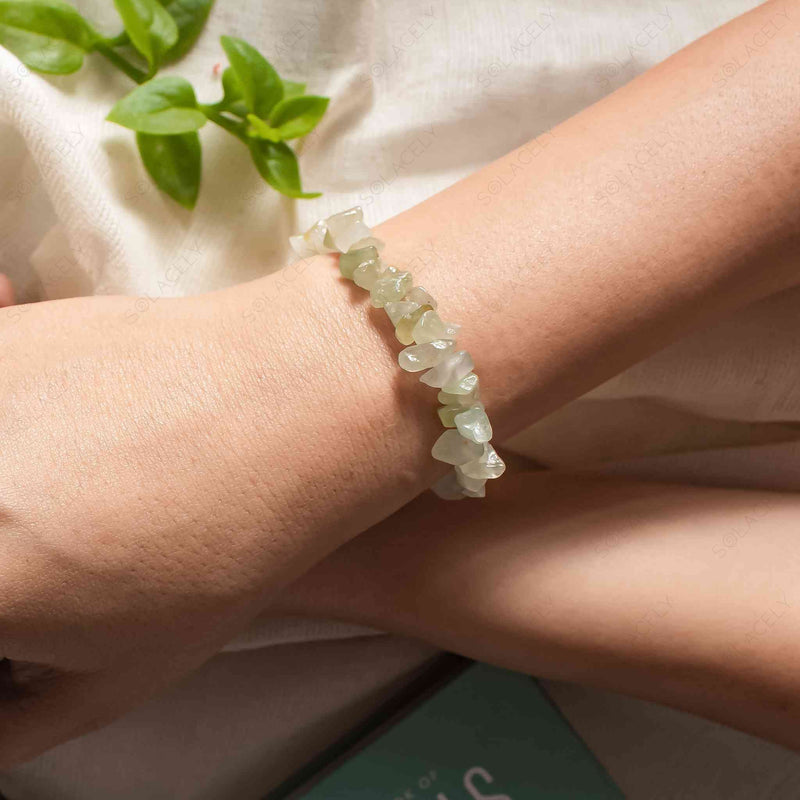
Green aventurine is the one to carry rather than place. It is the stone people put in a pocket before an interview, and the tradition calls it the stone of opportunity for exactly that reason.
Pyrite earns its place but not on a wrist. It reacts slowly with moisture, so daily skin contact is unkind to it, and the International Gem Society rates it high on its gemstone toxicity table. Kept dry on a shelf it lasts indefinitely.
Jade carries the longest continuous prosperity tradition of any stone here, running through Chinese practice for thousands of years, and it is the one most often given rather than bought for oneself.
Four traditional placements
Where these go is as settled as which they are.
- The wallet or coin pocket. A small citrine tumble, following the merchant's habit directly. The oldest placement in the practice.
- The desk. Pyrite and citrine together, on the surface where money decisions actually get made, which for most people now means a desk rather than a till.
- The southeast corner. The wealth corner in both Vastu and Feng Shui, and citrine is the traditional stone for it. Our Vastu remedies guide covers the directional logic.
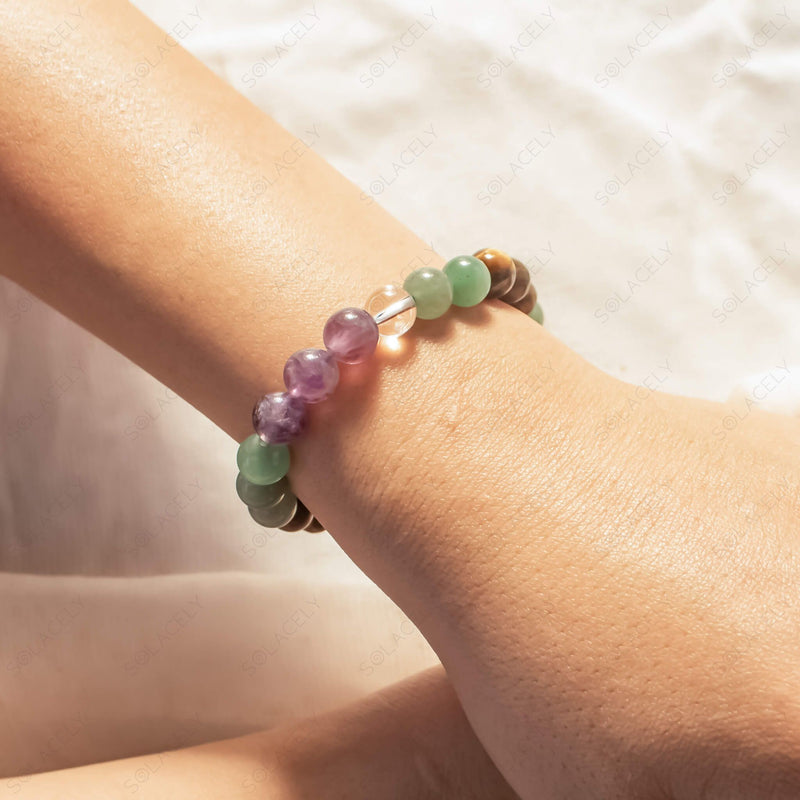
- Carried, on the body. Green aventurine in a pocket, or a citrine and tourmaline bracelet for the days that need both halves at once.
For the pairings themselves rather than the placements, our citrine combinations guide covers what goes with what.
How do you wear the protection and luck pairing?
Hardness decides most of it, and citrine's durability opens up formats that are closed to softer stones.
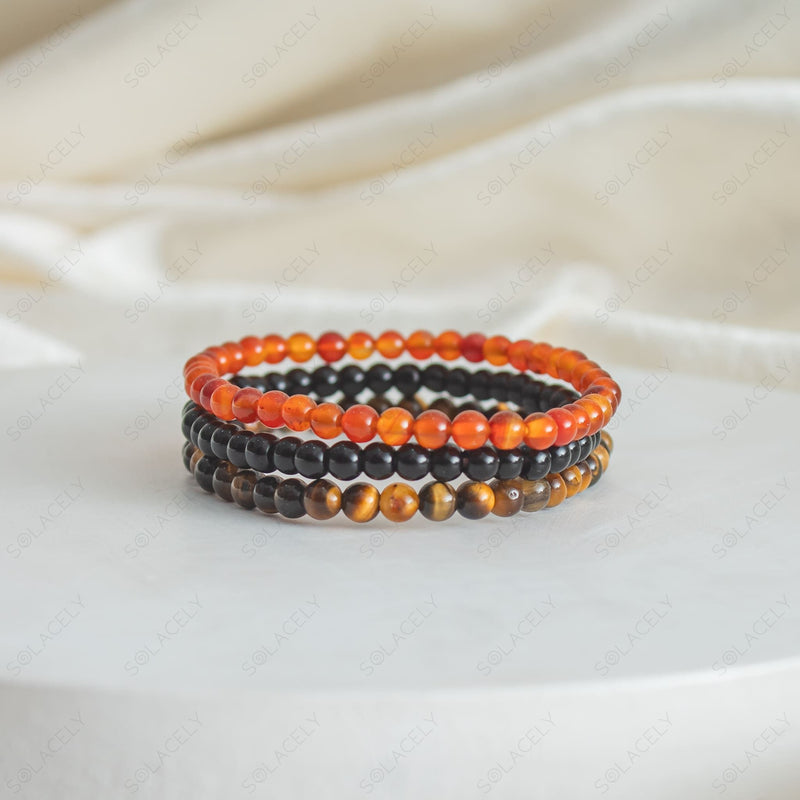
Citrine and black tourmaline is the everyday pair. At 7 against 7 to 7.5 they share a hardness, so an alternating bracelet needs no spacer bead and neither stone marks the other. This is the working week combination for people who have to ask for things.
Citrine and green aventurine is the softer version, both quartz family, both easy, and it suits people whose concern is opportunity rather than confrontation.
Tiger's eye takes the place of tourmaline for anyone who finds the black stones heavy. It is quartz at 7, it wears beautifully, and its chatoyant band makes it the most visible of the group.
Keep pyrite off the strand entirely. It belongs on the desk beside the bracelet rather than on it, and that is a care matter rather than a preference.
How do you cleanse them?
Carried stones meet skin, pockets and hand cream all day, so they are refreshed more often than anything sitting on a shelf.
| Method | Safe for | Avoid for |
|---|---|---|
| Moonlight overnight | All seven | Nothing |
| Sound, a bell or a bowl | All seven | Nothing |
| Rest on a selenite plate | All seven | Nothing |
| Cool running water | Citrine, aventurine, tourmaline, tiger's eye | Pyrite, which reacts with moisture |
| Brief sun | Nothing here, as a rule | Citrine, which pales permanently |
Daily for anything carried, weekly for anything placed, and the same evening after a difficult negotiation. The one hard rule is light: despite its sunny reputation citrine fades with sustained exposure and the colour does not return, so moonlight is the better charge every time.
Setting an intention you can actually check
The practice people describe getting the most from is a plain one, and it has more to do with rhythm than with wording.
Pick one stone and one sentence. Something specific enough to look at again: I am going to ask for the rate I want on the next three quotes. Write it down with the date, put it somewhere you will find it, and keep the stone where the work happens.
Then leave it a month. Revisiting a month-old intention is the whole point of the practice, and it is where practitioners say the value sits, far more than in any elaborate ritual on day one. Our crystals for money guide covers the same rhythm applied to a wider set of stones.
The properties described here reflect traditional and cultural belief around crystals. They are offered for reflection and wellbeing and are not medical advice, a diagnosis, or a treatment for any condition, and nothing here is financial advice. If you are making a significant financial decision, speak with a qualified adviser. Keep pyrite away from children and pets and handle it dry, keep small stones away from young children, and never place crystals in drinking water.
Sources
- Gemological Institute of America, Citrine Description
- International Gem Society, Gemstone Toxicity Table
Written by Chetena Sharma. Reviewed by the Solacely editorial team.
Frequently asked questions
About the author


Written by Chetna Sharma, crystal healing practitioner and co-founder of Solacely. Chetna has worked with healing crystals for over a decade and curates Solacely's protective stone collection.