Kunzite and Smithsonite


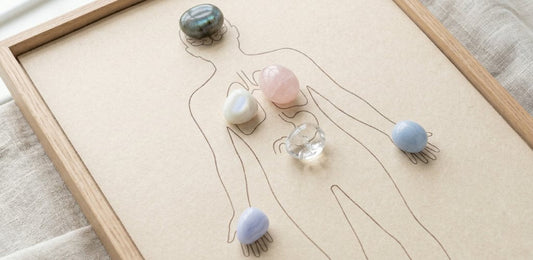
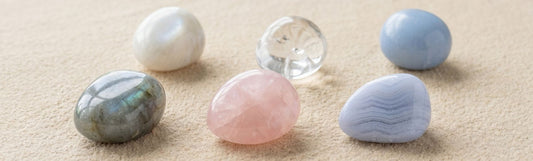
Kunzite and smithsonite are paired for gentle emotional comfort: kunzite is the soft pink stone of unconditional love and an open heart, while smithsonite is the soothing stone of comfort, security, and calm. Together they are a favourite for soothing anxiety, easing grief, and feeling emotionally held during tender times. They do not heal emotions on their own. Their honest value is as a pair of calming focuses for a self-soothing ritual, holding them while you breathe gently helps you meet hard feelings with kindness.
Key Takeaways
- Kunzite is the stone of unconditional love and an open heart; smithsonite is the stone of comfort, security, and soothing calm.
- Together they pair heart-opening with deep comfort, a gentle combination for anxiety, grief, and emotionally tender times.
- Their honest benefit is a self-soothing ritual and focus, not a literal emotional cure; the comfort comes from the pause and gentle breathing.
- Both are soft, delicate stones: kunzite fades in sunlight and cleaves easily, and smithsonite is soft and fragile, so handle both gently.
- These are traditional, belief-based associations offered as reflective self-care, not medical fact or a substitute for professional support.
What are kunzite and smithsonite good for together?
Kunzite and smithsonite are two of the gentlest, most soothing stones in the crystal world, and together they are all about emotional comfort. Kunzite, a soft pink variety of the mineral spodumene, is traditionally the stone of unconditional love and an open, tender heart. Smithsonite, a soft zinc carbonate mineral often in soft blue-green or pink, is the stone of comfort, security, and gentle calm.
Put them together and you get a pairing for tenderness and reassurance. People reach for this combination during emotionally hard times, when soothing anxiety, easing grief, or simply feeling held and comforted matters most. Kunzite opens and softens the heart, while smithsonite wraps that openness in a sense of safety, so difficult feelings feel a little more bearable.
Understood honestly, the pair is a gentle self-soothing ritual, not a cure for hard emotions. For the deeper work of processing feelings, our guide to crystals for emotional healing is a companion, and for the loving, heart-centred side, our note on loving crystals explores kunzite's family of stones.
What kunzite brings: an open, loving heart
Kunzite is the tender, heart-opening half of the pair. It is a pink to lilac gem variety of spodumene, and according to the Gemological Institute of America, spodumene is a lithium aluminium silicate, with kunzite owing its delicate pink to traces of manganese. That soft colour is part of why tradition links it so strongly with gentle, unconditional love.
Emotionally, kunzite is associated with opening the heart, releasing emotional tension, and meeting yourself and others with compassion, which is why it is chosen for anxiety, heartache, and times when you feel guarded or tender. The honest benefit is reflective: holding kunzite while you breathe and soften can be a small practice in self-compassion, letting a tight, anxious heart ease a little.
One important note is that kunzite is delicate. It has perfect cleavage, meaning it can split with a sharp knock, and its colour can fade with prolonged exposure to strong light. This fragility is oddly fitting for a stone of the tender heart, and it is a reminder to handle both the stone, and yourself, gently.
What smithsonite brings: comfort and calm
Smithsonite is the soothing, comforting half of the pair. It is a zinc carbonate mineral, and Encyclopaedia Britannica describes smithsonite as an ore of zinc that forms in soft, often botryoidal, grape-like masses with a gentle, silky lustre, appearing in soothing shades of blue-green, lilac, pink, and more. Its very look is calming, which suits its reputation.
Traditionally, smithsonite is the stone of comfort and security, chosen when you need to feel soothed, safe, and gently supported through stress or emotional strain. It is often described as a stone that feels like a reassuring hug, which is why people reach for it in anxious or overwhelming moments. The honest benefit is that calming reassurance a soft, cool stone can bring when held mindfully.
Like kunzite, smithsonite is soft and delicate, rating only about 4 to 4.5 on the Mohs hardness scale, so it scratches and chips easily and needs careful handling. In the pairing, smithsonite is the comfort and safety that lets kunzite's open heart feel supported, giving tender feelings a soft, secure place to rest.
Kunzite and smithsonite at a glance
Because each stone plays a distinct, complementary role, it helps to see how they divide the emotional work. The table below sums up what each brings and how they combine.
| Stone | Traditional theme | Role in the pair |
|---|---|---|
| Kunzite | Unconditional love, open heart | Softens and opens a guarded heart |
| Smithsonite | Comfort, security, calm | Wraps that openness in reassurance |
| Together | Gentle emotional comfort | Soothing anxiety, grief, tender times |
This blend of open-heartedness and comfort is what makes the pair so gentle. It suits moments of anxiety, sadness, or emotional tenderness, when you need both softness and safety. For a busy, anxious mind that pairs with these feelings, our guide to crystals for overthinking offers a calming approach to sit alongside them.
How to use kunzite and smithsonite together
Using this gentle pair is simple, and the aim is to soothe and soften during a tender moment. Let kunzite open the heart and smithsonite bring comfort, and pair both with slow, kind breathing. Here are gentle ways people use them.
- Hold one in each hand. Kunzite in one hand for an open heart, smithsonite in the other for comfort, then breathe slowly and let yourself soften.
- Use them in a self-soothing moment. When anxiety or sadness rises, hold the pair, feel their cool smoothness, and offer yourself a kind word.
- Keep them by your bed. A gentle pair on the nightstand is a comforting cue to wind down when feelings run high at night.
- Rest one over your heart. Lie down and place kunzite on your chest as you breathe, a quiet practice in easing emotional tension.
- Carry one for reassurance. A small tumbled smithsonite in a pocket gives you something soothing to hold in an overwhelming moment.
Whichever you choose, let the breath and self-kindness do the soothing while the stones act as gentle cues. Holding a stone and breathing slowly is a small mindfulness practice, and the U.S. National Center for Complementary and Integrative Health notes that mindfulness can help many people manage stress and difficult emotions. For deepening that self-compassion, our note on crystals for compassion is a gentle companion.
Choosing and caring for kunzite and smithsonite
Both of these stones are soft and delicate, so gentle care is essential to keep them beautiful. Choose pieces whose soft colours soothe you, since holding them is part of the comfort, and a smooth tumbled stone is ideal for resting in the hand. Because both are fragile, store them separately from harder stones, wrapped in soft cloth, to prevent scratches and chips.
Care is especially important here. Kunzite has perfect cleavage and can split with a knock, and its pink can fade in strong light, so keep it out of prolonged sunlight and handle it carefully. Smithsonite is soft at about 4 to 4.5 on the Mohs scale and sensitive to acids, heat, and knocks, so avoid harsh chemicals and rough handling, and clean it only with a soft, dry or barely damp cloth.
Neither stone likes prolonged water or salt, so avoid soaking them. To cleanse them in the spiritual sense, gentle dry methods such as sound, moonlight, or a brief pass through incense smoke are safest, protecting their delicate surfaces. Our step-by-step on how to cleanse and charge crystals covers gentle methods that suit soft stones.
Common mistakes with kunzite and smithsonite
A few slip-ups can damage these delicate stones or set up unrealistic expectations. Keep these in mind so the pair stays a gentle, lasting comfort.
- Leaving kunzite in sunlight. Strong light fades kunzite's pink, so keep it out of prolonged sun to preserve its colour.
- Handling them roughly. Both are soft and fragile; kunzite can cleave and smithsonite scratches easily, so treat them gently and store them apart.
- Soaking them in water. Neither likes prolonged water or salt, so cleanse them with dry methods instead.
- Expecting an emotional cure. The pair soothes and comforts as a ritual; it does not heal grief or anxiety on its own. Treat it as gentle self-care.
- Ignoring real distress. A comforting stone can ease a hard moment, but persistent anxiety, grief, or low mood deserves a professional, not just a crystal.
Frequently Asked Questions
What are kunzite and smithsonite good for together?
Together they offer gentle emotional comfort: kunzite opens and softens the heart with unconditional love, while smithsonite brings comfort, security, and soothing calm. The pair is a favourite for soothing anxiety, easing grief, and feeling emotionally held during tender times. Realistically, they work as a self-soothing ritual and focus, not a literal emotional cure. The comfort comes from the pause, the gentle breathing, and the self-kindness the stones help you reach.
What is kunzite used for?
Kunzite is the stone of unconditional love and an open heart, a pink variety of spodumene traditionally used for opening the heart, releasing emotional tension, and meeting yourself and others with compassion. People reach for it during anxiety, heartache, or guarded, tender times. Its honest benefit is reflective: holding it while you breathe and soften is a small practice in self-compassion. Note that kunzite is delicate and its colour fades in strong light.
What is smithsonite used for?
Smithsonite is the stone of comfort and security, a soft zinc carbonate mineral in soothing shades, chosen when you need to feel soothed, safe, and gently supported through stress or emotional strain. It is often described as feeling like a reassuring hug. Its honest benefit is the calming reassurance a soft, cool stone can bring when held mindfully. Smithsonite is soft and fragile, so it needs careful, gentle handling.
How do I use kunzite and smithsonite together?
Hold kunzite in one hand for an open heart and smithsonite in the other for comfort, then breathe slowly and let yourself soften. You can use the pair in a self-soothing moment when anxiety or sadness rises, keep them by your bed, or rest kunzite over your heart as you breathe. Let the gentle breathing and self-kindness do the soothing while the stones act as calming cues.
How do I care for kunzite and smithsonite?
Both are soft and delicate, so handle them gently and store them apart from harder stones in soft cloth. Keep kunzite out of prolonged strong sunlight, which fades its pink, and handle it carefully since it can cleave with a knock. Smithsonite is soft and sensitive to acids and heat, so avoid harsh chemicals. Cleanse both with dry methods like sound, moonlight, or incense smoke rather than soaking, since neither likes prolonged water.
Do kunzite and smithsonite really soothe emotions?
There is no scientific evidence that these stones heal emotions through their own energy. What genuinely helps is the self-soothing practice around them: holding a soft, cool stone, breathing gently, and offering yourself kindness is a form of mindfulness that can ease a hard moment. Understood that way, kunzite and smithsonite are a comforting, supportive tool. For persistent anxiety, grief, or low mood, please seek support from a professional and treat the stones as gentle self-care.
Sources
- Gemological Institute of America - Kunzite and spodumene description and properties: https://www.gia.edu/kunzite
- Encyclopaedia Britannica - Smithsonite, zinc carbonate mineral: https://www.britannica.com/science/smithsonite
- National Center for Complementary and Integrative Health (NIH) - Meditation and Mindfulness: What You Need To Know: https://www.nccih.nih.gov/health/meditation-and-mindfulness-what-you-need-to-know
About the author