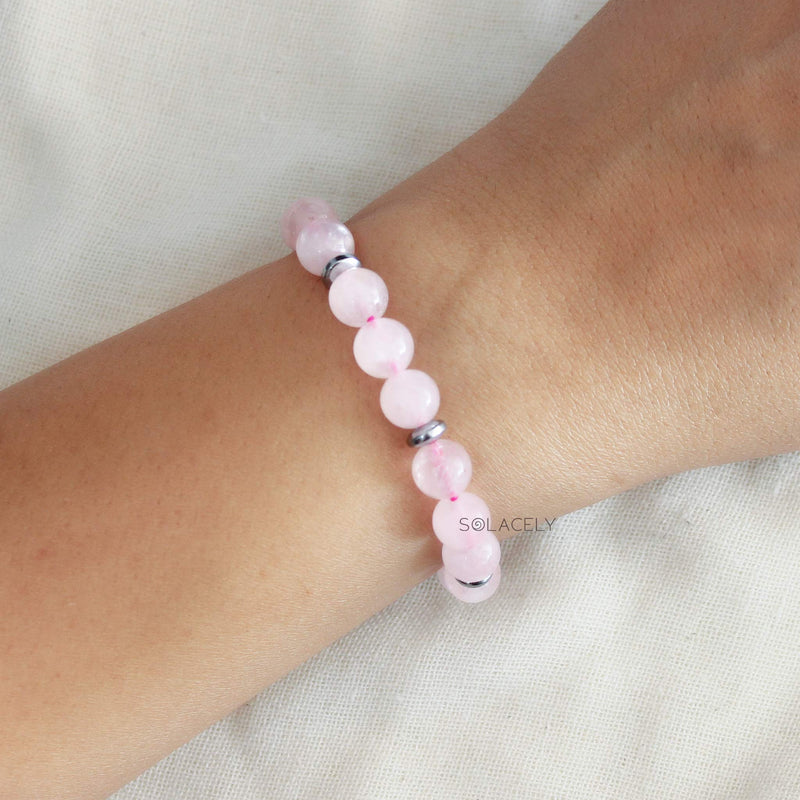
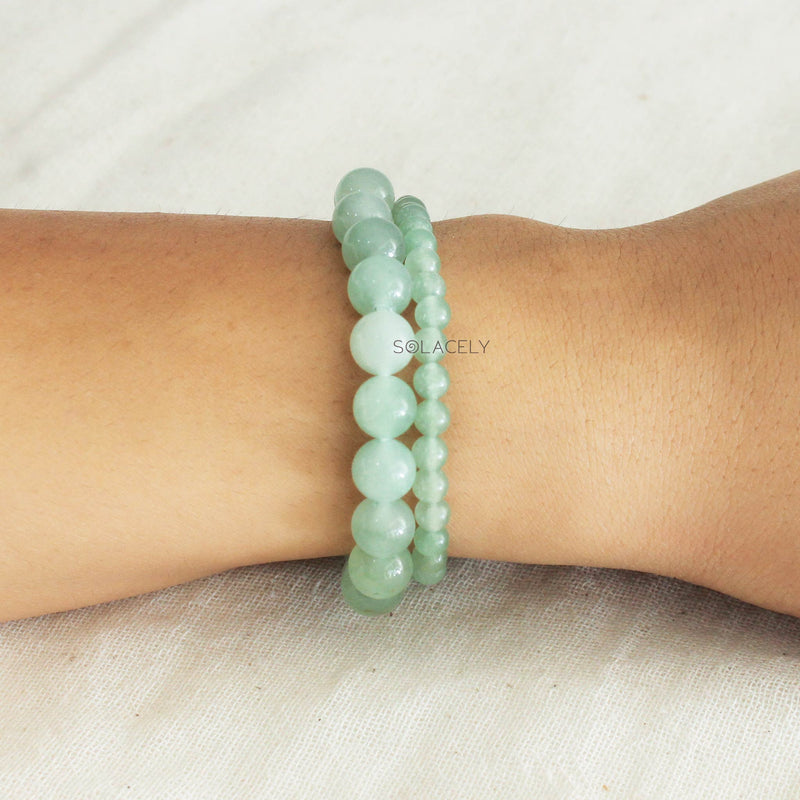
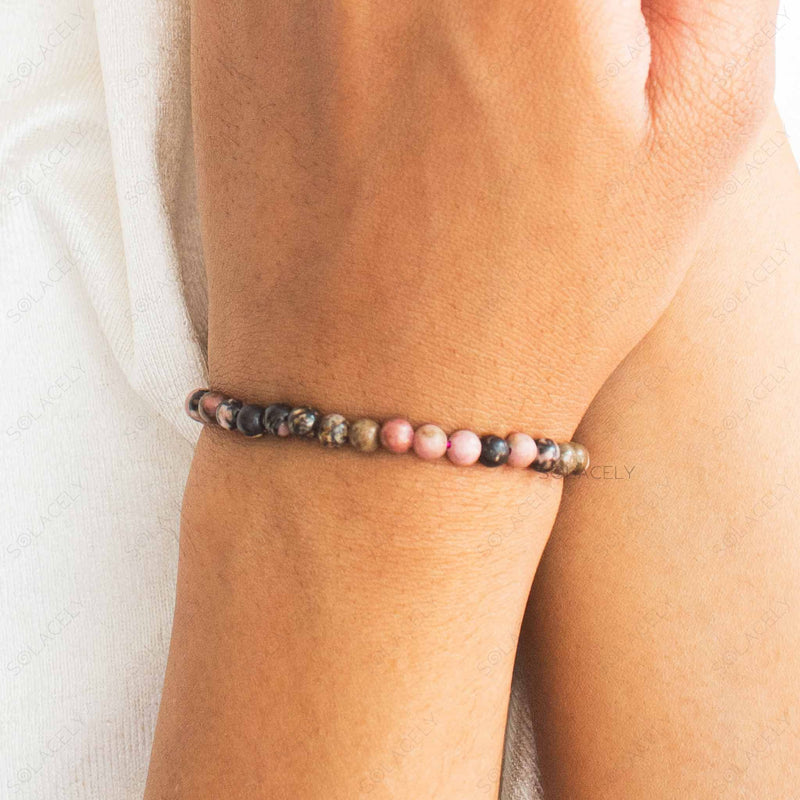
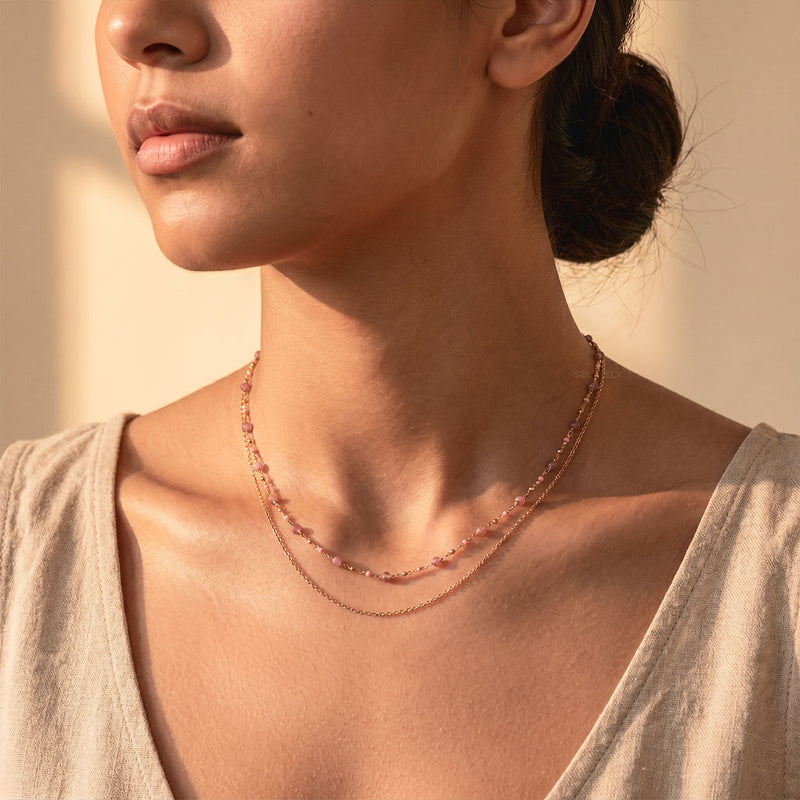
Loving crystals are the heart-centred stones traditionally used to cultivate love, warmth, and compassion, both for others and for yourself. The best known are rose quartz for unconditional love, rhodonite for compassion and healing, rhodochrosite for self-love, green aventurine for an open heart, and pink tourmaline for joyful, gentle love. They do not create love out of nothing. Their honest role is as a focus for a loving-kindness practice: holding one while you set an intention to be warmer and more open is a small ritual that helps you lead with your heart.
Key Takeaways
- Loving crystals are heart stones used to nurture love, warmth, and compassion for others and yourself, led by rose quartz.
- Top choices: rose quartz (unconditional love), rhodonite (compassion), rhodochrosite (self-love), green aventurine (open heart), pink tourmaline (joyful love).
- Their honest benefit is a loving-kindness cue: holding one while setting a warm intention helps you approach yourself and others more gently.
- Use them by holding one in reflection, wearing one over the heart, keeping one in your space, or gifting one.
- These are traditional, belief-based associations offered as self-care, not a way to control anyone or a substitute for real connection.
What are loving crystals?
Loving crystals are the stones that tradition links with the heart and with love in its broadest sense: romantic love, friendship, family warmth, compassion for others, and kindness toward yourself. Most are pink or green, the colours long associated with the heart, and they are used as gentle focuses for cultivating a more loving, open-hearted way of being.
The important thing to understand is what loving crystals are for. They are not tools to make a particular person love you or to control anyone's feelings. Instead, they support your own capacity to give and receive love, to soften, forgive, appreciate, and stay open. Understood that way, they are a lovely, heart-centred part of a self-care or mindfulness practice.
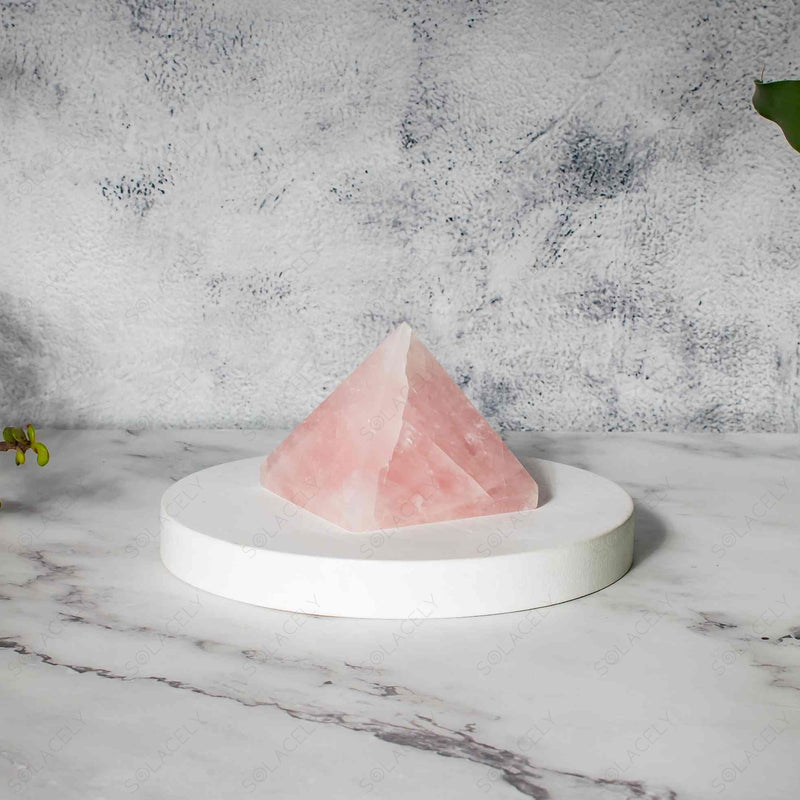
Rose quartz is the heart of this family, and it appears in nearly every love practice. For using it specifically to nurture your bonds, our guide to rose quartz crystal for relationships goes deeper, and for the compassion side of love, our note on rose quartz for compassion is a natural companion.
The best loving crystals and their meanings
Each loving stone carries a slightly different flavour of love, so it helps to match the stone to the kind of warmth you want to nurture. The table below sums up the classic choices and what tradition assigns to each.
| Crystal | Traditional meaning | Nurtures |
|---|---|---|
| Rose quartz | Unconditional love | Warmth for others and yourself |
| Rhodonite | Compassion, healing | Forgiveness and emotional repair |
| Rhodochrosite | Self-love | Kindness toward yourself |
| Green aventurine | Open heart, optimism | Openness to new connection |
| Pink tourmaline | Joyful, gentle love | Lightness and affection |
You do not need the whole set; one stone whose meaning speaks to you is plenty. Many people start with rose quartz for its all-round warmth and add rhodonite or rhodochrosite if forgiveness or self-love is where they most want to grow. For the healing side of love, our guide to crystals for emotional healing explores rhodonite and rose quartz further.
How loving crystals actually work
The honest mechanism is intention and reflection, not a love-giving power in the stone. There is no scientific evidence that a crystal emits love or changes anyone's feelings. What a loving crystal genuinely does is give your heart-work a physical focus: when you hold one and set an intention to be warmer, kinder, or more forgiving, it anchors that intention and reminds you to act on it.
That focusing effect is where the real value lives. Sitting quietly with a stone, breathing slowly, and turning your attention toward love and compassion is a loving-kindness practice, and the U.S. National Center for Complementary and Integrative Health notes that meditation and mindfulness can help many people feel calmer and more connected. Warmth you deliberately cultivate genuinely spills into how you treat people.
So a loving crystal works like a heart-shaped reminder you can hold. It does not love for you, and it cannot make anyone love you. What it does is keep love and kindness front of mind, gently nudging you to soften, appreciate, and open, which is a real and meaningful thing. The love itself comes from you; the stone simply helps you reach for it.
How to use loving crystals
Using loving crystals is simple, and the aim is to keep love and warmth gently present in your day. Focus each practice on your own openness and kindness rather than on changing anyone. Here are common ways people use them.
- Hold one in reflection. Sit quietly, hold the stone over your heart, breathe slowly, and set an intention to lead with love.
- Wear one over the heart. A pendant keeps a loving intention close through the day, especially before time with people you care about.
- Practise loving-kindness. Hold the stone and silently wish warmth to yourself, then to others, a simple, well-loved meditation.
- Keep one in your space. A stone in a shared room or on your desk is a soft reminder to be patient and kind.
- Gift one. Giving a loving crystal to someone you care about is a warm, traditional token of affection.
Whichever you choose, let the stone prompt the feeling and let your actions carry it. For releasing an old hurt that blocks the heart, our guide to crystals for forgiveness pairs beautifully with a loving-crystal practice.
Choosing and caring for your loving crystals
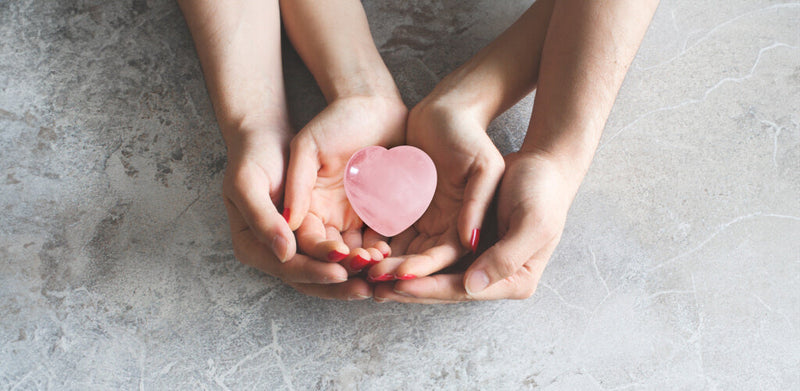
Choose a loving stone whose colour and feel you are drawn to, since you are far more likely to use one you love to hold. A smooth tumbled or heart-shaped stone is ideal for resting over the heart, while a small point or raw piece makes a sweet display. There is no need to spend a lot; one stone you connect with matters more than a collection.
Care varies a little by stone. According to the Gemological Institute of America, quartz rates 7 on the Mohs hardness scale, so rose quartz handles daily handling and a wipe with a soft cloth well. Rhodonite and rhodochrosite are softer, around 3.5 to 6.5, so keep them from knocks and store them apart from harder stones. Keep pink stones out of prolonged strong sunlight, which can fade their delicate colour.
If you like to cleanse your stones, rose quartz and green aventurine tolerate a gentle cool rinse, moonlight, or sound, while softer rhodochrosite is best cleansed with dry methods. Many people like to reset a loving stone's intention before a special occasion. Our step-by-step on how to cleanse and charge crystals covers which method suits which stone.
A simple daily loving-kindness practice
Loving crystals come alive inside a small, repeatable practice, and loving-kindness is one of the gentlest and most rewarding. It costs a few minutes and asks nothing but your attention, which is exactly why it is easy to keep. Do it in the morning to set a warm tone, or at night to soften the day.
- Sit comfortably and hold your loving stone over your heart, taking a few slow breaths to settle.
- Bring yourself to mind and silently offer a kind wish, such as may I be well, may I be at peace.
- Picture someone you love and extend the same wish to them.
- If you feel able, widen the circle to someone you find difficult, then to everyone.
- Rest a moment with the warmth before you carry on.
Repeat it as often as you like, and be patient, since an open heart is a habit that deepens with practice. The stone is simply your anchor, a warm, tangible reminder of the kindness you are choosing to grow.
Common mistakes with loving crystals
A few misunderstandings can turn a warm, heart-centred habit into disappointment. Keep these in mind so loving crystals stay a genuine part of how you give and receive love.
- Trying to control someone. Loving crystals cannot make anyone love you. Focus them on your own openness, never on influencing another person.
- Skipping self-love. Using them only for others while neglecting yourself misses the point; kindness to others grows from kindness to yourself.
- Expecting them to do the work. The stone is a cue; the love comes from your intention and actions. Pair it with real warmth.
- Soaking soft stones. Rhodochrosite and rhodonite are softer and dislike rough handling and water, so treat them gently.
- Leaving them in strong sun. Pink stones fade in prolonged sunlight, so keep them out of harsh light to preserve their colour.
Sources
- Gemological Institute of America - Quartz description and varieties (rose quartz): https://www.gia.edu/quartz
- Encyclopaedia Britannica - Quartz, mineral properties and Mohs hardness: https://www.britannica.com/science/quartz
- National Center for Complementary and Integrative Health (NIH) - Meditation and Mindfulness: What You Need To Know: https://www.nccih.nih.gov/health/meditation-and-mindfulness-what-you-need-to-know
Frequently asked questions
About the author


Written by Chetna Sharma, crystal healing practitioner and co-founder of Solacely. Chetna has worked with healing crystals for over a decade and curates Solacely's protective stone collection.