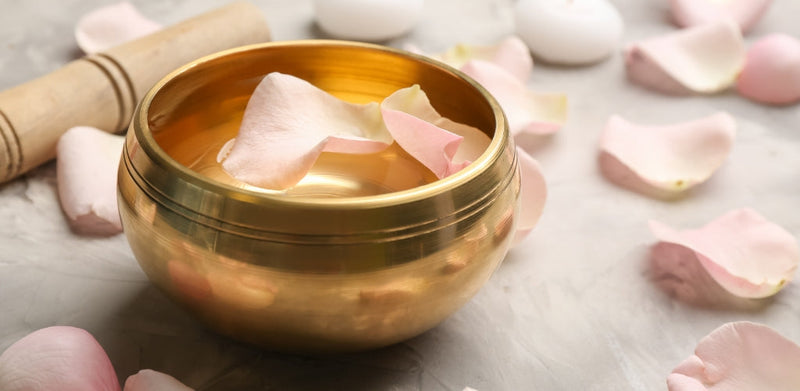
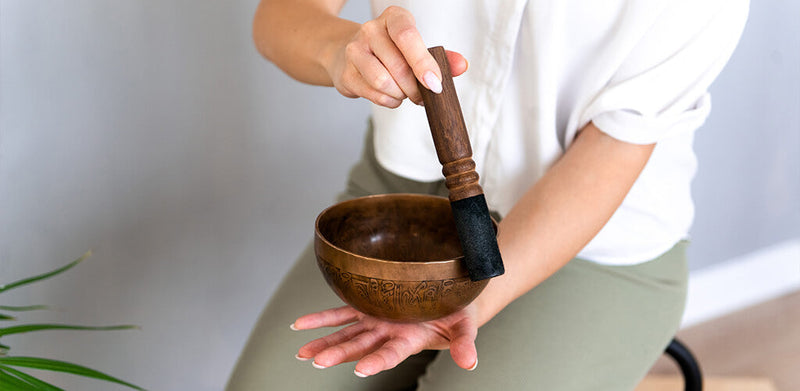
Using a singing bowl for manifestation means using its sound as a focus anchor for a clear intention, not as a magic switch that pulls things toward you. You strike the bowl, let the tone hold your attention, and use that quiet, single-pointed moment to picture and affirm what you're working toward. The sound steadies your mind; you do the work.
Key Takeaways
- A singing bowl helps manifestation by acting as a focus anchor: the sustained tone quiets mental chatter so you can visualise and affirm one clear intention. It's a mindset and attention practice, not a guarantee of outcomes.
- A simple ritual: cleanse your space, strike the bowl, breathe, state your intention out loud, visualise it, then journal it down. Ten to fifteen minutes is plenty.
- The new moon is the traditional time to set fresh intentions, since the lunar cycle is read as a symbol of new beginnings. Any quiet, undisturbed moment works just as well.
- Crystals often paired with intention work are citrine (abundance), pyrite (wealth and confidence), and clear quartz (clarity and amplifying focus). These are affordable, and a starter singing bowl is an entry-level to mid-range buy.
- There's no scientific evidence that thoughts or sound cause external events. Treat manifestation as a way to sharpen focus, motivation and follow-through, framed as belief, not proven cause and effect.
How to use a singing bowl for manifestation
To use a singing bowl for manifestation, treat the tone as a cue to focus. Sit quietly, strike or rim the bowl, and while the sound rings out, hold one specific intention in mind, spoken as if it's already true. The bowl doesn't send your wish anywhere; it just helps you concentrate on it fully.
Think of it as a bookmark for your attention. Most of us set a goal, then lose it under a hundred distractions by lunch. A singing bowl session carves out a few deliberate minutes where the only thing in the room is you and one clear intention. That single-pointed focus is the real mechanism here.
The steady, decaying tone gives your mind something simple to rest on, much like the breath in meditation. When your thoughts wander, the sound pulls them back. Over a few sessions, this trains a calmer, more deliberate kind of attention. If you're new to the instrument itself, our beginner's guide to sound healing covers the basics of striking, rimming, and listening before you layer intention on top.
What manifestation with a singing bowl really is (and isn't)
Manifestation is the practice of clarifying what you want and holding steady attention on it, so your choices and effort line up behind that goal. A singing bowl supports it as a focus tool. It is not a spell, and there's no evidence that sound or thought moves outcomes in the outside world on its own.
Let's be plain about the science. There's no research showing that vibrations, frequencies, or focused wishing cause external events like money arriving or a job offer landing. The 'law of attraction' is a belief from the New Thought tradition, not a tested law of physics. Anyone promising guaranteed results from a bowl is overselling it.
What does have some support is quieter and more useful. According to the National Center for Complementary and Integrative Health, meditation and mindfulness practices can reduce stress and improve attention. A small 2017 pilot study by Goldsby and colleagues, published in the Journal of Evidence-Based Complementary & Alternative Medicine, found that a singing bowl sound meditation was associated with less tension and better mood afterward, though the sample was tiny and uncontrolled, so it proves very little on its own.
So here's the honest frame: the value of a singing bowl manifestation practice is that it calms you, sharpens your focus, and keeps a goal front of mind. A clear, motivated, less anxious person tends to notice opportunities and follow through. That's a real, human effect, not magic.
A step-by-step singing bowl manifestation ritual
A full singing bowl manifestation ritual takes about ten to fifteen minutes and moves through six stages: cleanse, settle, sound, state, visualise, and record. You don't need anything special beyond your bowl, a quiet room, and something to write with. Keep it simple and repeatable so you'll actually do it.
Here's the sequence many practitioners follow:
- Cleanse the space. Tidy the area, dim harsh lights, silence your phone. Some people play the bowl a few times first, treating the sound as a reset for the room.
- Settle your body. Sit tall on the floor or a chair. Take five slow breaths, letting your shoulders drop on each exhale.
- Sound the bowl. Strike it once, or run the mallet around the rim, and simply listen until the tone fully fades. Do this two or three times to arrive.
- State your intention. Say one clear, present-tense intention out loud: 'I am building a steady, growing business,' not 'I hope I won't fail.' Keep it specific and positive.
- Visualise it. Strike the bowl again and, as it rings, picture the intention in detail, how it looks, feels, and what you're doing in that scene.
- Record it. Write the intention in a journal or on a card. Closing the session on paper makes it concrete and gives you something to revisit.
Do this once and it's a nice moment. Do it regularly and it becomes a habit that keeps your goals visible. Below is the same ritual as a quick reference.
| Stage | What you do | Why it helps |
|---|---|---|
| Cleanse | Tidy space, play bowl to reset | Signals 'this is focused time' |
| Settle | Sit tall, five slow breaths | Calms the nervous system |
| Sound | Strike or rim, listen to full decay | Anchors attention on one tone |
| State | Speak the intention aloud, present tense | Makes the goal concrete and specific |
| Visualise | Picture the intention in detail | Rehearses the outcome, builds motivation |
| Record | Write it down | Turns a fleeting thought into a plan |
If you'd like a longer seated practice to build around this, our guide to Tibetan singing bowl meditation walks through posture, breath, and timing in more depth.
Writing your intention: journaling and affirmations
Journaling turns a vague wish into a clear, workable intention, which is exactly what a manifestation practice needs. After you sound the bowl, write your intention in the present tense, add why it matters, and note one small action you can take this week. The bowl focuses the mind; the pen makes the goal specific.
Wording matters more than people expect. 'I want more money' is fuzzy and fear-tinged. 'I am steadily growing my savings and enjoying the work that funds it' is specific, positive, and points somewhere. Present-tense phrasing keeps the intention framed as a direction you're already moving in, not a distant maybe.
A few prompts that work well alongside a bowl session:
- The intention: one sentence, present tense, positive. 'I am ___.'
- The why: two lines on what this would change for you.
- The evidence: any small sign it's already underway, however tiny.
- The next step: one concrete action within seven days.
That last line is the one that quietly does the heavy lifting. Manifestation without action is just daydreaming; the action step is where focus turns into follow-through. Revisit your journal at the next session and update it. Pairing sound with writing also grounds you in the moment, which our guide to using a singing bowl for grounding explores if your mind tends to race.
Manifestation crystals to pair with your bowl: citrine, pyrite & clear quartz
Crystals often paired with intention work are citrine, pyrite, and clear quartz. In this tradition they're kept as physical reminders of a goal, not as engines that produce it. Citrine is linked to abundance, pyrite to wealth and confidence, and clear quartz to clarity and amplifying focus. Hold one during your session or set it beside the bowl.
There's real mineralogy under the symbolism. According to the Gemological Institute of America, citrine is a yellow-to-orange variety of quartz, coloured by traces of iron, and much of the citrine on the market is heat-treated amethyst. Pyrite, 'fool's gold,' gets its metallic golden shine from iron sulphide, which is why it became a folk symbol of wealth. The associations are cultural, but the stones themselves are honest minerals.
| Crystal | Colour | Traditional manifestation association |
|---|---|---|
| Citrine | Golden yellow to amber | Abundance, optimism, drawing in prosperity |
| Pyrite | Metallic gold | Wealth, confidence, decisive action |
| Clear Quartz | Clear, colourless | Clarity, focus, amplifying an intention |
A simple way to use them, framed as ritual rather than remedy:
- Hold one in your palm while you sound the bowl and state your intention.
- Place it on your journal so it sits with the written goal between sessions.
- Keep it on your desk as a daytime cue to remember what you're working toward.
- Choose by intention: citrine or pyrite for a money or career goal, clear quartz when you want a general focus boost.
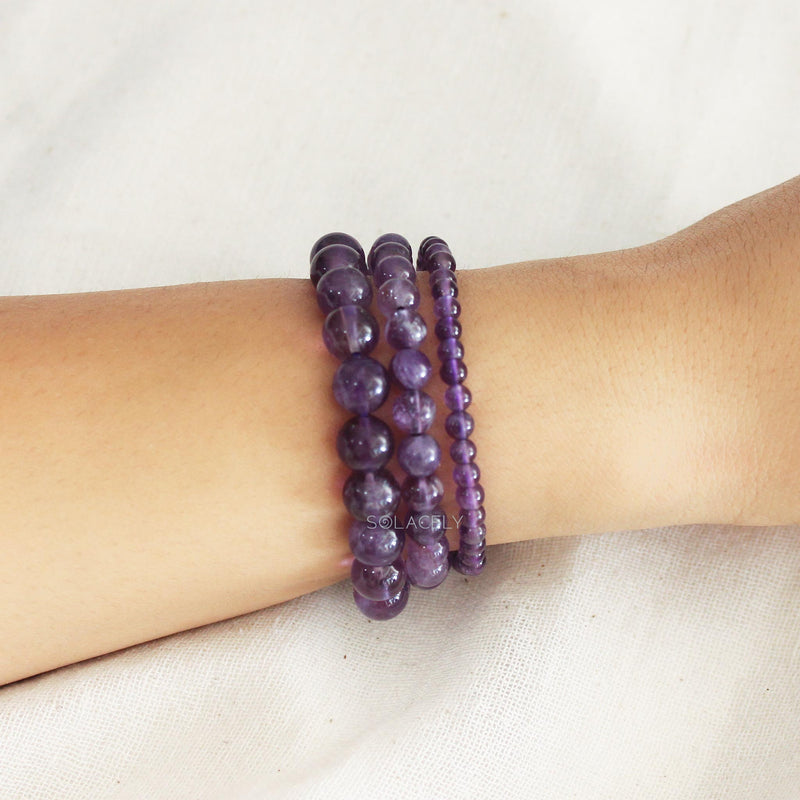
Pick one or two you're drawn to rather than the whole set. A common starting pair is citrine for abundance and clear quartz to keep the intention sharp. Small tumbles and bracelets are the affordable entry point, with clusters and finer pieces a step up from there.
New moon timing and building a rhythm
The new moon is the traditional time to set fresh intentions, because the dark, 'empty' moon is read as a symbol of new beginnings and a clean slate. Many people do a longer singing bowl manifestation ritual on the new moon, then shorter check-ins through the month. That said, any quiet, undistracted moment works; the timing is symbolic, not required.
The logic is about rhythm, not astronomy. A monthly anchor gives your practice a natural reset: you set or refresh intentions at the new moon, then use the fuller moon two weeks later to reflect on progress and release what isn't serving you. It's a tidy loop that keeps goals from drifting out of sight.
| Moon phase | Traditional theme | How to use your bowl |
|---|---|---|
| New moon | New beginnings, fresh intentions | Full ritual: set one or two clear goals |
| Waxing moon | Building, momentum | Short daily session, revisit the intention |
| Full moon | Peak, reflection, release | Reflect on progress, let go of what's stuck |
| Waning moon | Rest, clearing | Gentle sound, journal what you learned |
You don't have to follow the moon at all. A weekly Sunday-evening session, or a two-minute strike each morning, builds the same steady attention. Tying the practice to a rhythm you already keep, a new-moon evening, or the start of a festival like Diwali when people already set fresh intentions, makes it easy to remember. Consistency beats perfect timing every time.
Choosing a singing bowl for manifestation
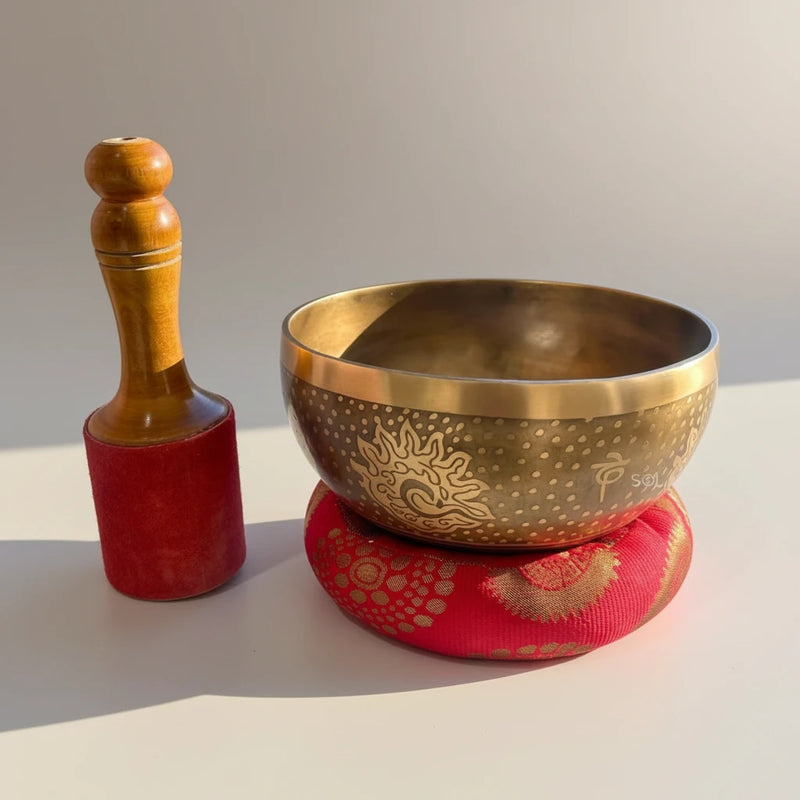
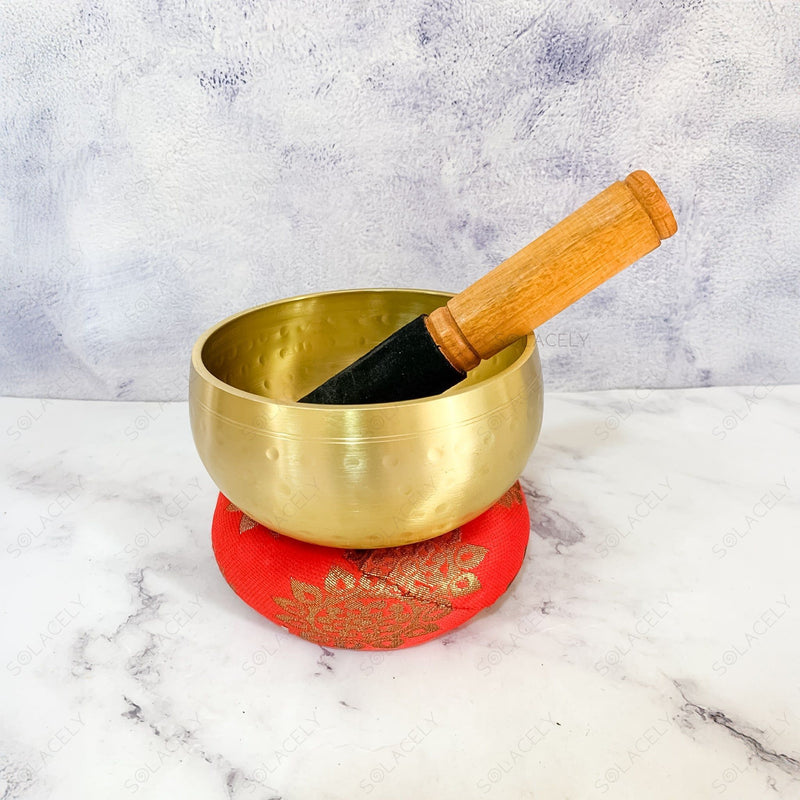
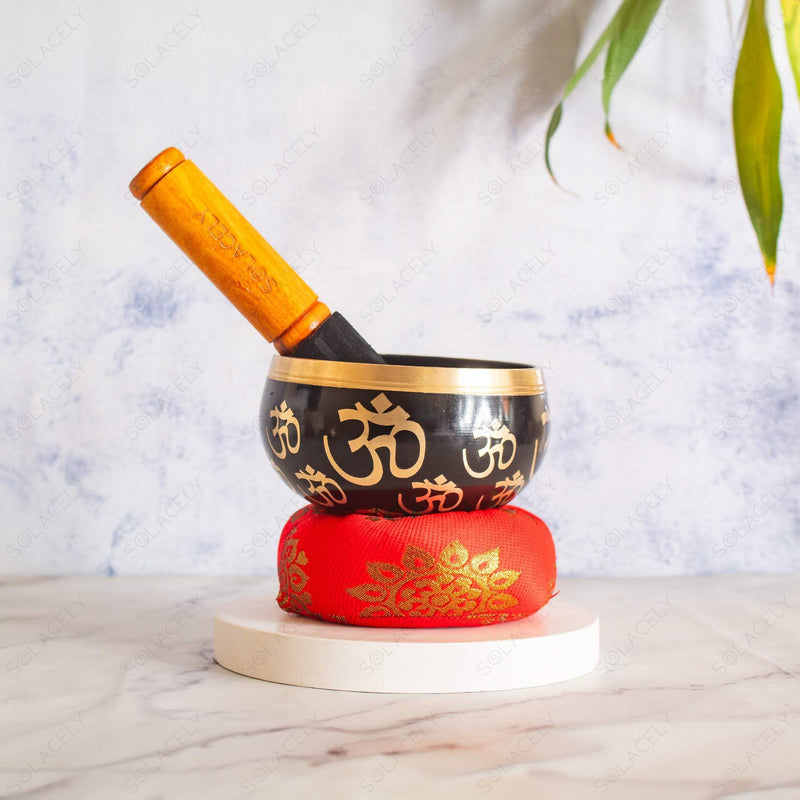
For manifestation, choose a bowl whose tone you genuinely like listening to, since you'll want to sit with it often. A medium hand-hammered brass or seven-metal bowl, roughly 12 to 15 cm across, is a versatile starting size. A good beginner bowl with a mallet and cushion sits in the entry-level to mid-range band.
Tone matters more than any chart. A bowl you find soothing will pull you back to practice; one that sounds harsh to you won't, no matter what frequency it's labelled. If you can, listen before buying. If you're shopping online, look for a clear sound sample and a sustained, even decay rather than a short, clanging note.
- Size: small bowls (under 12 cm) give higher, brighter tones; larger ones give deeper, longer-lasting notes. Medium is a safe first choice.
- Material: hand-hammered brass or 'seven-metal' bowls are the traditional, affordable pick; crystal bowls are pricier and purer in tone.
- Kit: make sure it comes with a mallet and a ring cushion, so you can play it cleanly from day one.
- Budget: entry level for a solid beginner bowl, mid range for a larger or finer-toned one.
If you're weighing frequency claims, our singing bowl frequencies chart lays out how notes are commonly mapped to chakras, while our overview of the singing bowl's benefits for the mind keeps those benefits honestly framed. For the fuller instrument background, start at our singing bowl hub.
Common mistakes to avoid
The biggest mistake in singing bowl manifestation is treating the bowl as the worker and yourself as the spectator. The practice sharpens focus and motivation; it doesn't deliver results while you wait. Expecting the sound to 'attract' outcomes with no action behind them is the fastest way to feel let down and quit.
A few other pitfalls come up often:
- Vague intentions. 'I want to be happy' gives your focus nothing to hold. Get specific.
- Fear-based wording. 'I don't want to be broke' keeps your mind on being broke. Flip it to what you do want.
- No action step. Visualising without a next move is daydreaming. Always name one small thing to do.
- Chasing the 'right' frequency. No single Hz has been shown to manifest anything. Pick a tone you like and stop worrying about the number.
- Giving up in a week. This is a habit, not a hack. The benefit is in the repetition, not one dramatic session.
Get those right and the practice does what it can actually do: it gives you a calm, deliberate few minutes to clarify a goal, keep it in view, and steady the mind that has to pursue it. That's a genuinely useful ritual, as long as you meet it halfway.
Sources
- Gemological Institute of America — Citrine, a yellow-to-orange variety of quartz
- National Center for Complementary and Integrative Health (NIH) — Meditation and mindfulness, evidence overview
- Goldsby TL et al., 'Effects of Singing Bowl Sound Meditation on Mood, Tension, and Well-being,' Journal of Evidence-Based Complementary & Alternative Medicine, 2017
Frequently asked questions
About the author


Written by Chetna Sharma, crystal healing practitioner and co-founder of Solacely. Chetna has worked with healing crystals for over a decade and curates Solacely's protective stone collection.