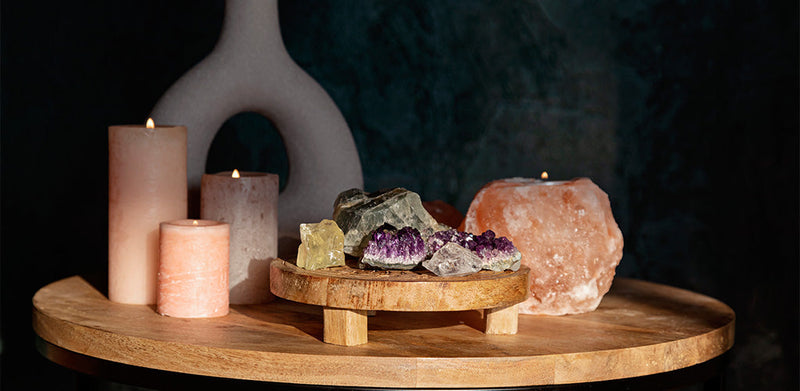
Eight stones do almost all the work in a home: black tourmaline, selenite, rose quartz, amethyst, citrine, clear quartz, smoky quartz and green aventurine. Each has a room it belongs in. Start with three, place them where you will actually see them, and add only when a specific need turns up.
Key takeaways
- Eight stones cover a whole house. Most people need three or four of them.
- Placement beats quantity. A stone you walk past twice a day does more than a drawer full you never see.
- The bedroom stays calm and the desk stays active. Do not put the working stones where you sleep.
- Cleanse anything left out weekly. Moonlight and sound are safe for every stone in the house.
- Keep tumbled stones off floor level with a toddler about, and keep pyrite and selenite out of water.
- Everything described here is traditional belief and cultural practice.
The eight stones that do the work
You can furnish an entire home from this list, and most households settle on three or four of them within a year.
| Stone | Traditionally kept for | Where it goes |
|---|---|---|
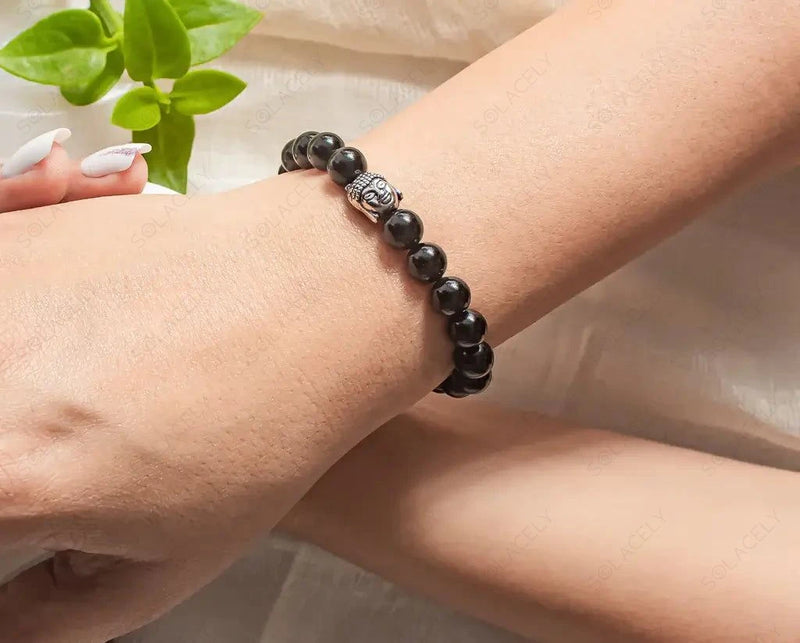
| Black tourmaline | Boundaries, the threshold | Front door, desk |
| Selenite | Clearing, and refreshing the others | High, dry shelf |
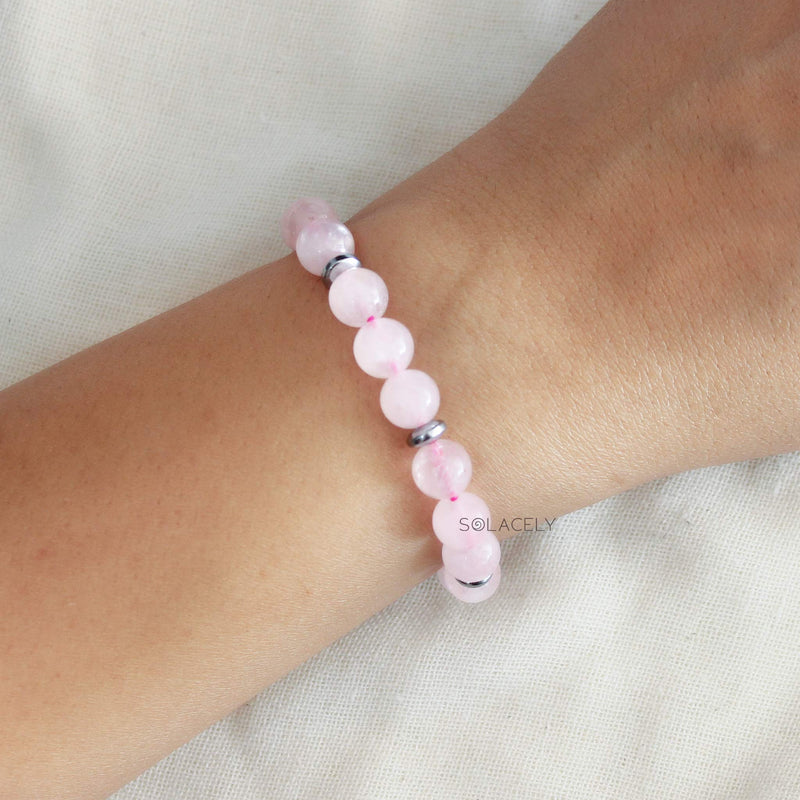
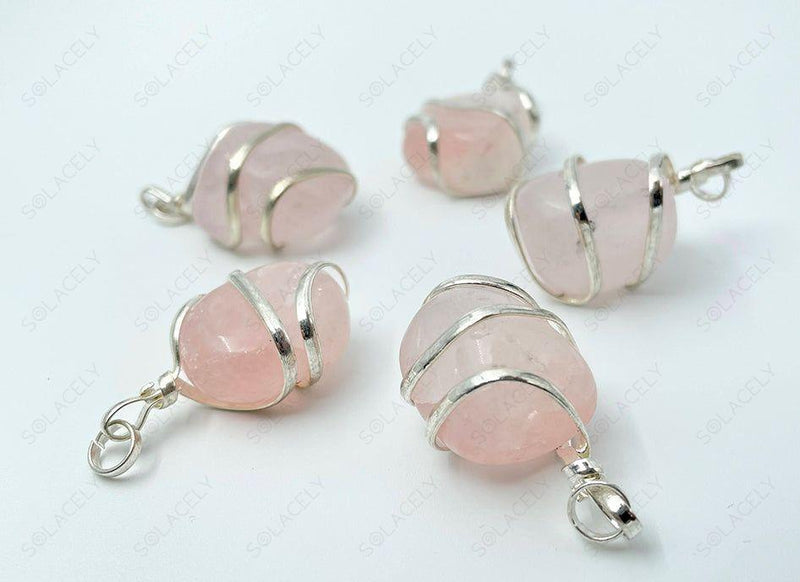
| Rose quartz | Warmth, affection, self kindness | Living room, bedroom |
| Amethyst | Rest and the quiet end | Bedside table |
| Citrine | Enterprise and abundance | Southeast corner, desk |
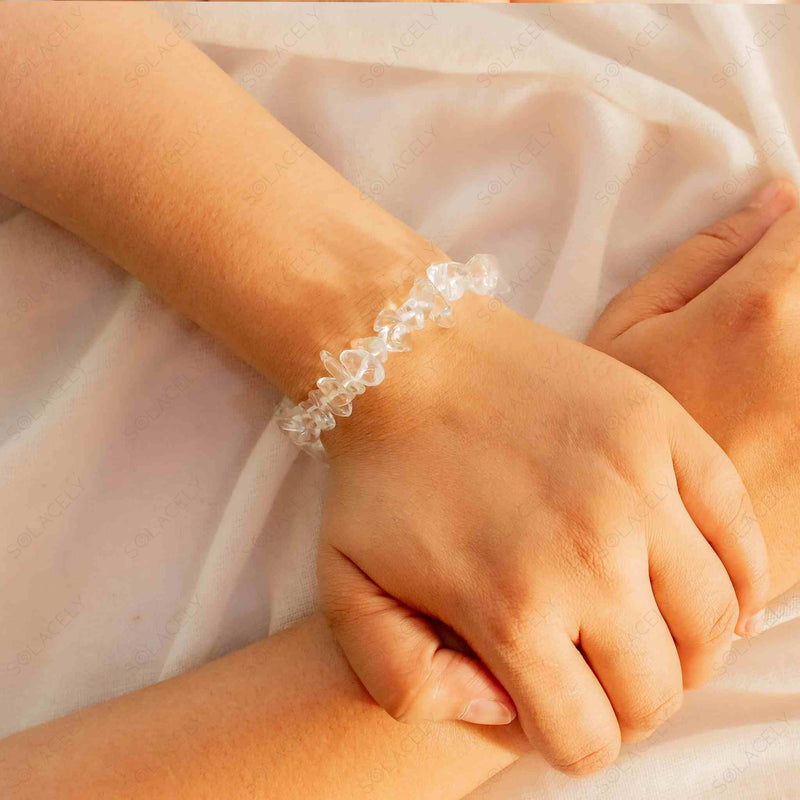
| Clear quartz | Amplifying whatever it sits beside | Anywhere, paired |
| Smoky quartz | Steadying a room after friction | Coffee table, study |
| Green aventurine | Opportunity, and things turning up | Entryway, desk |
If you are buying for the first time, black tourmaline, rose quartz and amethyst cover the three jobs most households actually want: a boundary at the door, warmth where people gather, and quiet where they sleep. Add a selenite when you want a way to keep the others fresh.
The room by room map
The tradition assigns stones by what a room is for, which is why the same stone rarely suits two rooms.
The entrance takes black tourmaline, two tumbles either side of the door, with green aventurine nearby if you want the opportunity association as well as the boundary. Our home protection guide covers the weekly threshold ritual that goes with it.
The living room takes rose quartz for warmth and smoky quartz for settling. This is the room where a household's mood is most visible, so it is the one where people notice a placement working. Our living room guide goes further.
The bedroom takes amethyst and rose quartz, and nothing else. Every practitioner tradition agrees on keeping the active stones out of the room you sleep in. Our bedroom guide covers what to do with the bedside.
The kitchen and dining table take carnelian or citrine for warmth and appetite, or a small hematite dish where mealtimes are where the friction shows up. Our dining room guide covers the table itself, including why the tradition keeps the dark stones away from where a household eats.
The desk takes citrine for enterprise, black tourmaline for a boundary around the working day, and clear quartz to amplify whichever of those you care about. This is the one surface where three stones at once is genuinely traditional.
The bathroom takes nothing. Sustained humidity is unkind to selenite, to cords, and to anything on a wire.
What if you want a stone for an intention rather than a room?
Most people arrive with a feeling rather than a floor plan. This is the shorter route in.
- The house feels unsettled. Selenite on a high shelf, black tourmaline at the door, and the weekly ritual.
- The household is short tempered. Smoky quartz where people sit, rose quartz where they eat.
- Nobody is sleeping. Amethyst on the bedside, and everything else out of the bedroom.
- Money is the worry. Citrine in the southeast corner of the room you use most. Our crystals for money guide covers the practice around it.
- You have just moved in. That has its own sequence, spread across the first fortnight, in our new home blessing guide.
Five rules that keep a home practice working
These come up in every tradition, and they are the difference between a practice and a collection.
- Visible beats hidden. The stone is doing its job when you notice it on the way past. In a drawer it is just a stone in a drawer.
- One intention per stone. A rose quartz asked to handle money, sleep and a difficult sibling is not going to hold your attention on any of them.
- Fewer, tended. Four stones cleansed weekly outperform twenty that never get touched. Over-collecting is the most common early mistake.
- Match the stone to the room's real use. If the dining table is where homework happens, treat it as a desk.
- Give it a month. Set one plain, checkable intention, then look back at it in four weeks rather than four days.
How do you cleanse crystals at home?
Anything left out in a room accumulates dust and, in the tradition, the residue of the week. Weekly for open placements, monthly for anything tucked away.
| Method | Safe for | Avoid for |
|---|---|---|
| Moonlight overnight | Everything | Nothing |
| Sound, a bell or a bowl | Everything | Nothing |
| Rest on a selenite plate | Everything | Selenite itself |
| Cool running water | Quartz family, tourmaline | Selenite, pyrite, malachite, hematite |
| Brief sun, under an hour | Hematite, black obsidian, red jasper | Amethyst, citrine, rose quartz, which pale |
The simplest workable rule for a whole house is moonlight or sound for everything, since neither can damage anything you own. Save the water rinse for the quartz family and skip it entirely if you cannot remember which is which.
Crystals with children, pets and sensitive skin
None of this is a reason to keep stones out of a family home. It is the handful of habits that make it easy.
Any tumbled stone is a choking size for a child under three. That changes where placements go, not whether you have them. Shelves rather than floors, and nothing loose in a room where a small person plays unsupervised.
Keep pyrite and malachite out of reach and handle them dry. The International Gem Society rates both high on its gemstone toxicity table. They are fine on a shelf and wrong on a wrist.
Skip magnetic hematite jewellery. Much of what is sold under that name contains rare earth magnets, and swallowed magnets can cause serious internal injury. Ordinary hematite is the one you want.
Nothing goes in drinking water. Not selenite, not pyrite, not anything else. Our children's bedroom guide covers age appropriate placements in more detail, and the short version is that anything in a child's room belongs on a high shelf rather than within reach of the bed.
The properties described here reflect traditional and cultural belief around crystals. They are offered for reflection and wellbeing and are not medical advice, a diagnosis, or a treatment for any condition. If you are managing a health concern, please speak with a GP or a qualified practitioner. Keep pyrite and malachite away from children and pets and handle them dry, keep small tumbled stones away from children under three, avoid magnetic hematite jewellery, and never place crystals in drinking water.
Sources
Written by Chetena Sharma. Reviewed by the Solacely editorial team.
Frequently asked questions
About the author


Written by Chetna Sharma, crystal healing practitioner and co-founder of Solacely. Chetna has worked with healing crystals for over a decade and curates Solacely's protective stone collection.