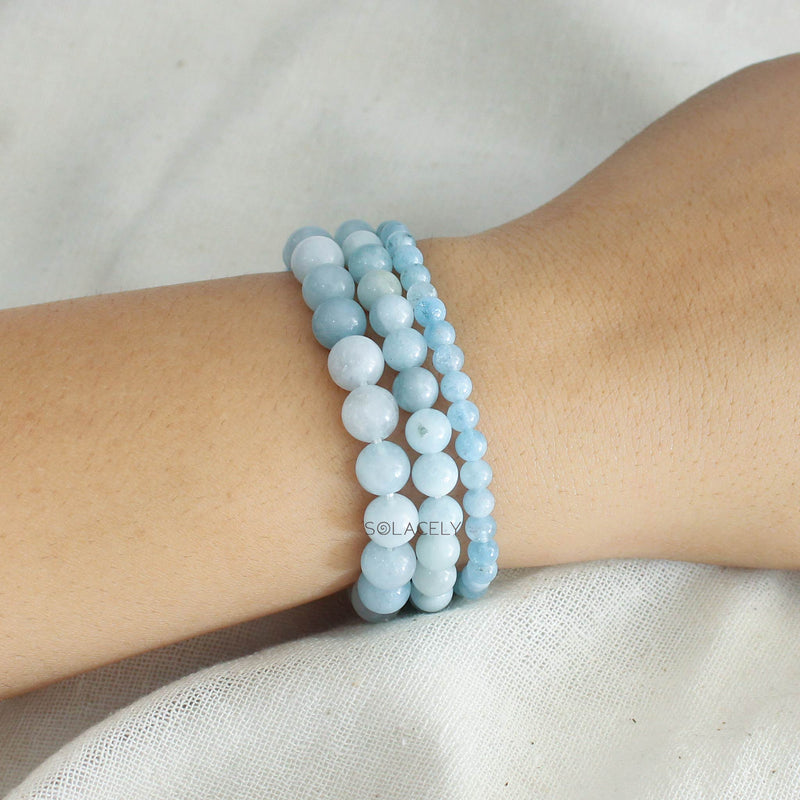
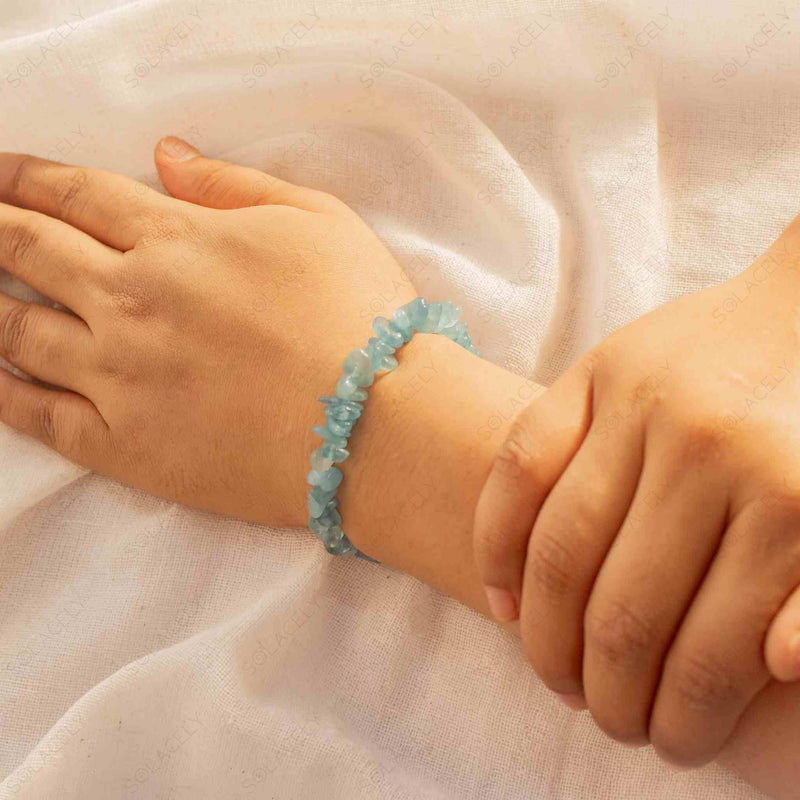
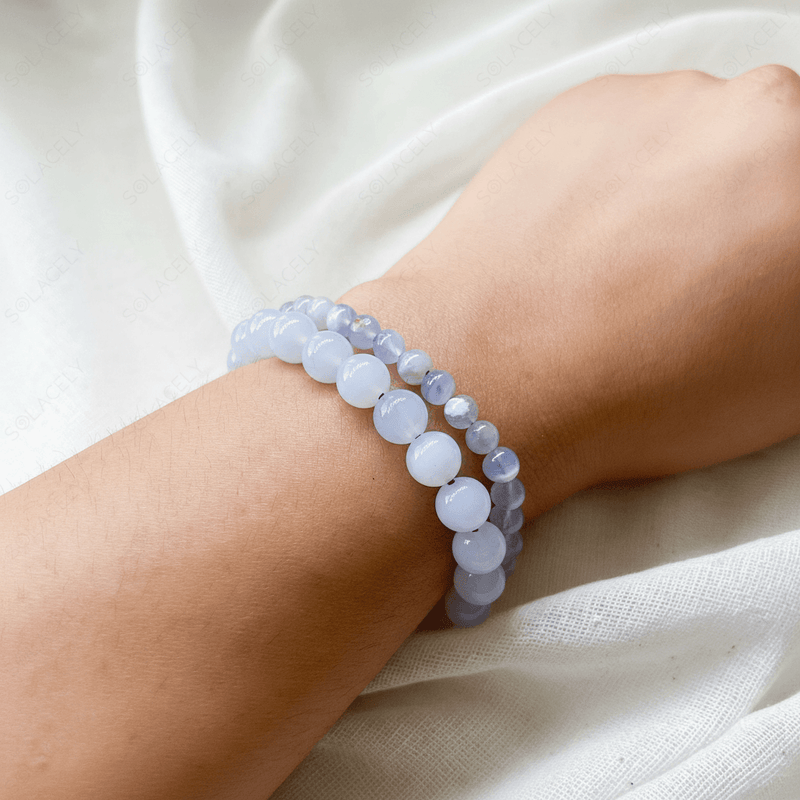
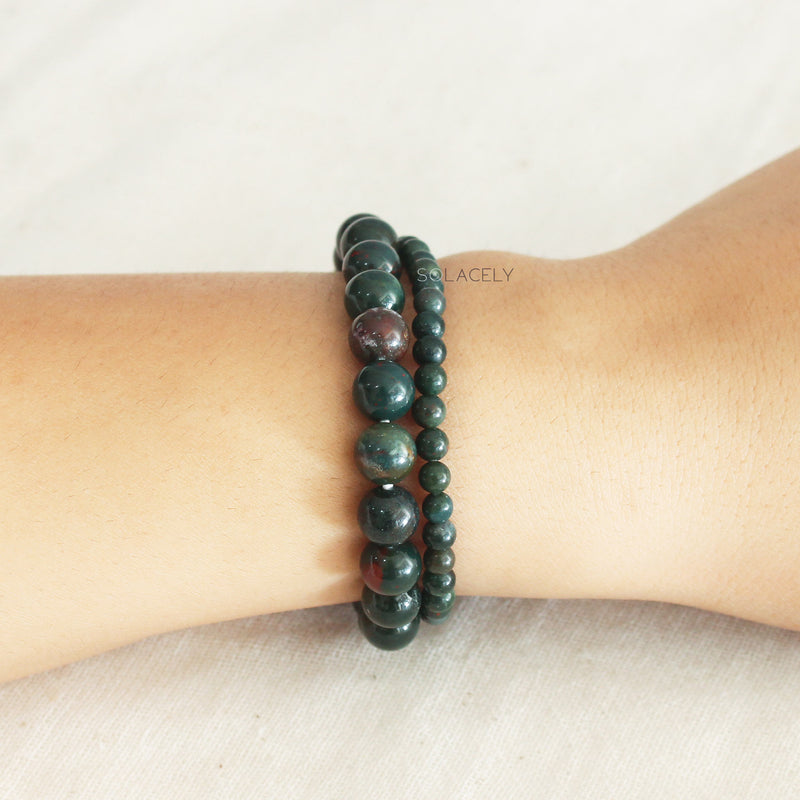
March has two birthstones: aquamarine and bloodstone. Aquamarine is the modern and better known choice, a pale blue green beryl kept for calm and safe passage. Bloodstone is the older traditional stone, a deep green chalcedony flecked with red, carried for courage and stamina. They are near opposites, which makes choosing between them straightforward.
Key takeaways
- Aquamarine is a beryl, the same mineral family as emerald, and takes its name from the Latin for sea water.
- Bloodstone is green chalcedony with red iron oxide flecks, and is the older of the two.
- Aquamarine is kept for calm, clear speech and safe travel over water.
- Bloodstone is kept for courage, vitality and endurance; the classic athlete's stone.
- Both are durable enough for daily wear, though aquamarine can pale in long sun.
Aquamarine, the sea stone
Aquamarine is beryl, the same mineral species as emerald, coloured pale blue to blue green by traces of iron. Its name comes straight from the Latin aqua marina, sea water, and the association has followed it ever since.
Sailors carried it for centuries as protection on a voyage, and it was believed to keep the sea calm for those aboard. That maritime history is the root of everything attached to it now: safe passage, steadiness in rough conditions, and a general association with calm that has outlived the sailing.
It is a hard stone, around 7.5 to 8 on the Mohs scale, which makes it excellent for rings and daily wear. The colour runs from the palest sky to a deeper sea blue, and gemmological grading favours a clear, even, more saturated blue. Which end of that range you prefer is a matter of taste and budget rather than quality alone.
In chakra practice aquamarine sits at the throat, kept for speaking calmly under pressure, which our throat chakra guide covers alongside the other blue stones.
Bloodstone, the older March stone
Bloodstone, also called heliotrope, is a deep green chalcedony scattered with red flecks. Those flecks are iron oxide inclusions, and they are what gives the stone both its name and its long association with vitality.
It is the older of the two March stones by a considerable margin, worn as an amulet since antiquity and carved into seals and intaglios across the classical world. Medieval Christian tradition attached its own story to the red markings, which cemented its place in European lapidaries.
Its traditional keeping is courage, stamina and steady physical energy, and it remains the classic athlete's stone in modern crystal practice, carried for endurance rather than for a burst. It is a chalcedony at around 7 on the Mohs scale, so it is hardy and takes knocks well, which suits how it tends to be used.
Choosing between them
| Aquamarine | Bloodstone | |
|---|---|---|
| Appearance | Transparent pale blue to blue green | Opaque deep green with red flecks |
| Mineral | Beryl | Chalcedony (quartz family) |
| Hardness | 7.5 to 8 | Around 7 |
| Traditionally kept for | Calm, clear speech, safe travel | Courage, stamina, vitality |
| Chakra | Throat | Root and heart |
| Character | Cool and gentle | Warm and robust |
The choice comes down to what the piece is for. Aquamarine suits someone who wants calm, or who is about to travel, or who needs to speak well. Bloodstone suits someone who needs to keep going: training, recovering, or getting through a long demanding stretch.
Many people who buy for a March birthday choose aquamarine for the look and bloodstone for the intention, and giving both is not unusual.
Wearing and giving them
- Aquamarine pendant. Sits well at the collarbone for the throat placement.
- Aquamarine ring. Hard enough for everyday wear; a popular alternative engagement stone.
- Bloodstone in a kit bag. The traditional athlete's placement, handled before and after rather than worn during.
- Bloodstone bracelet. Worn through a demanding period rather than for a single event.
- Either as a March birthday gift. Aquamarine reads as jewellery, bloodstone as a talisman.
For the courage and stamina side, our crystals for confidence selection covers the wider set, and crystals for emotional healing covers the calmer end.
Caring for both
Both take warm water, a soft cloth and a full dry, which makes this an easy pair to look after.
Aquamarine is hard and resists scratching, but its colour can pale with sustained direct sunlight, so keep it off a bright windowsill. Avoid steam and ultrasonic cleaners, particularly on any stone with visible inclusions.
Bloodstone is hardy and takes water without complaint. It benefits from an occasional light polish with a soft cloth to keep the green deep, and it should be stored away from harder gems.
For energetic cleansing, moonlight suits aquamarine well given its water associations, and sound or smoke suit bloodstone. Monthly is a comfortable rhythm for either.
March birthstones alongside the rest of the year
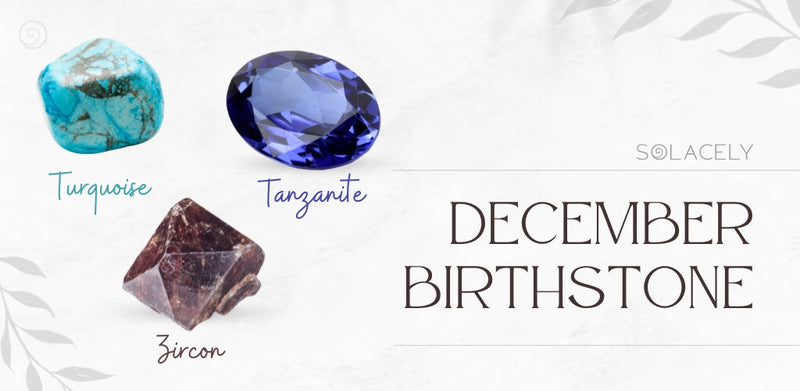
March is one of several months carrying more than one stone, a situation that arises because modern trade lists sit alongside much older traditional ones rather than replacing them. December carries three, covered in our December birthstone guide.
Where a month offers a choice, the practical approach most people take is to pick by intention rather than by which list a stone appears on. Both March stones are genuinely traditional, and both have centuries behind them.
Crystals are offered here for reflection and wellbeing as part of a long standing tradition. They are not a treatment for any medical condition, they do not affect blood or circulation, and they are not a substitute for professional healthcare.
Sources
Written by Chetena Sharma. Reviewed by the Solacely editorial team.
Frequently asked questions
About the author


Written by Chetna Sharma, crystal healing practitioner and co-founder of Solacely. Chetna has worked with healing crystals for over a decade and curates Solacely's protective stone collection.