Crystals for Protection and Good Luck: 7 Stones at the Intersection


A 2010 study by Damisch and colleagues at the University of Cologne found that participants given an "activated lucky charm" performed measurably better on motor, memory, and cognitive tasks than a control group with the same charm de-activated by a researcher (Damisch et al., 2010, Psychological Science). The mechanism wasn't magic; it was self-efficacy. Holding a meaningful object made participants more willing to try, more persistent, and more confident — and that produced real outcomes. This is the most useful frame for crystals at the intersection of protection and luck: the stone isn't doing the work, but the practitioner doing the work with the stone is performing differently than they would without it.
- Seven stones bridge protection and luck in the tradition: Citrine, Green Aventurine, Tiger's Eye, Jade, Sunstone, Black Tourmaline, and Clear Quartz.
- Citrine is the default if you want one stone for both jobs — the "merchant's stone" of the tradition.
- The placebo and superstition research is the honest framing (Damisch 2010; Kaptchuk 2008, 2010). Lucky charms work — through self-efficacy, not magic.
- Citrine is the most-cited daily luck stone in the tradition — paired with Black Tourmaline for protection and Green Aventurine for opportunity, it covers most of the practice.
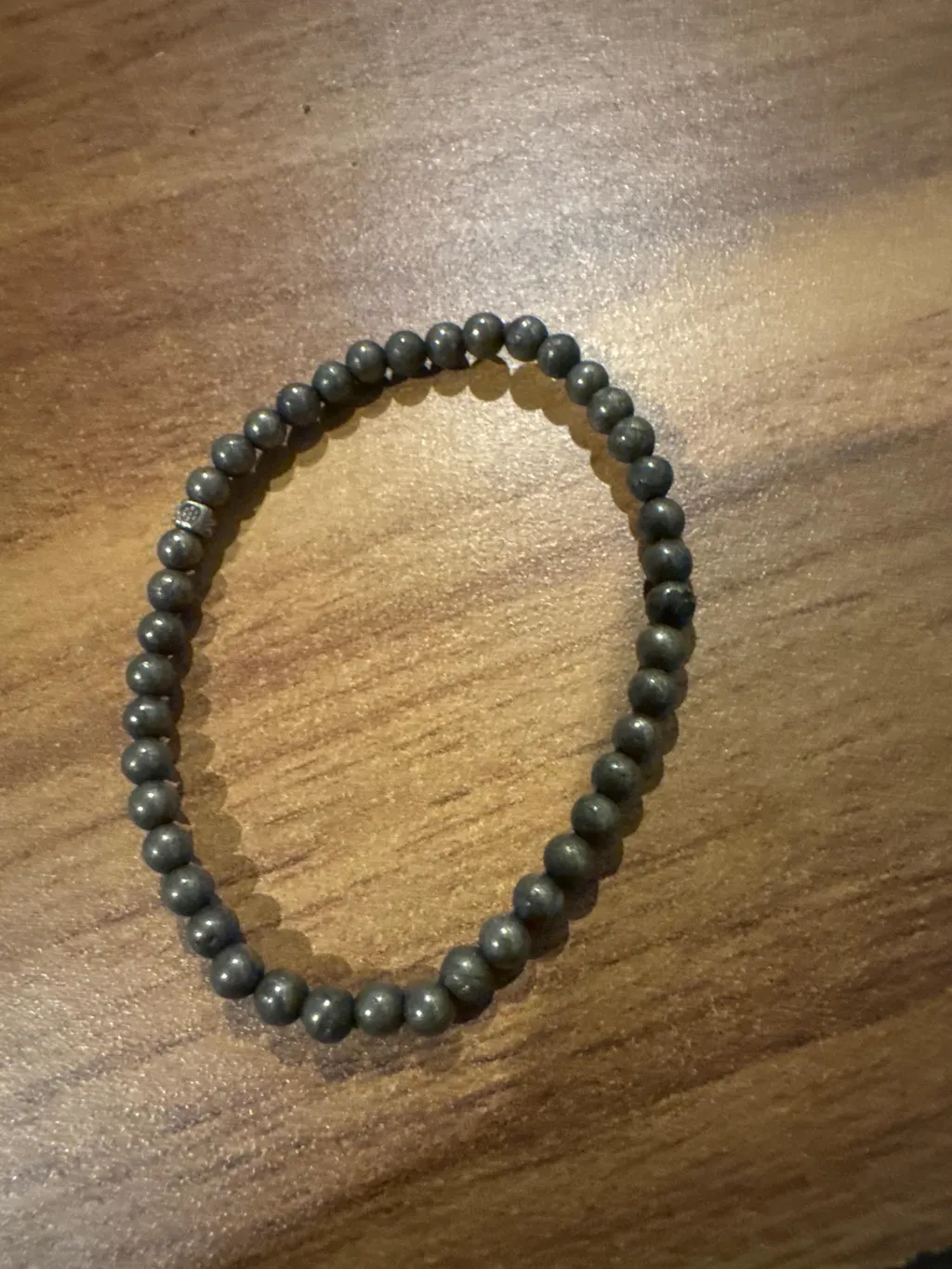
- Pyrite is widely sold for luck but the International Gem Society rates it "high" toxicity (IGS) and it reacts in moisture. We don't recommend it.

- What "good luck" means in crystal practice
- The placebo and superstition research that explains why lucky charms work
- The 7 stones at the protection-luck intersection
- 4 traditional placements: wallet, desk, threshold, daily carry
- Cleansing rhythm and toxicity warnings
- Where the practice stops
What "Good Luck" Means in Crystal Practice
"Luck" sounds passive, like winning a lottery or being in the right place. The crystal tradition treats it as something quieter and more active: an attentional state that lets a person notice opportunities they would otherwise miss, and feel confident enough to act on them. That definition matters because it changes the practice. A "lucky crystal" in the tradition isn't an amulet that bends reality — it's a small physical anchor for a particular way of moving through a day.
The protection layer sits on top of that. Most "luck" stones are also traditional protective stones because the tradition treats opportunity-noticing and threat-noticing as the same nervous-system function. A practitioner who is too anxious to feel safe is also too anxious to spot openings. Calm the nervous system, and both jobs get easier. That's why Citrine, Tiger's Eye, and Green Aventurine appear on lists for both prosperity and protection.
The Science of Lucky Charms (Briefly)
The most useful framing of crystal practice for luck is the placebo-and-superstition research, which is unusually clear for a wellness topic. Three studies are worth knowing:
- Damisch et al., 2010, Psychological Science. Participants holding "activated" lucky charms performed better on motor, memory, and cognitive tasks than controls. The effect was mediated by raised self-efficacy — the charm made participants believe they could do the task, and that belief changed the outcome (Damisch et al., 2010).
- Kaptchuk et al., 2008, BMJ. A randomised controlled trial of placebo treatment in IBS patients found that the "augmented placebo" group (sham acupuncture plus a warm, ritualised practitioner relationship) reported significant symptom improvement over both no-treatment and basic-placebo groups. Ritual itself, separate from any active ingredient, produced measurable change (Kaptchuk et al., 2008).
- Kaptchuk et al., 2010, PLoS ONE. Patients explicitly told they were receiving placebo pills still showed significant clinical improvement. The mechanism doesn't require deception — only the meaningful ritual structure (Kaptchuk et al., 2010).
The honest synthesis: a lucky crystal is doing real work, but the work it's doing is on the practitioner's confidence, attention, and willingness to act, not on the world's underlying causal structure. Hold that distinction clearly and the practice becomes more effective, not less. The people who get the most from lucky stones are the ones who don't expect them to do the impossible.
The 7 Stones at the Protection-Luck Intersection
1. Citrine — The Merchant's Stone
The most-cited stone at this intersection. Citrine is yellow-to-orange quartz, traditionally placed in cash registers, wallets, and on the southeast corner of a desk. The tradition treats it as both a protective stone (against stagnation, low mood, and "negative" attention) and a prosperity stone (the "merchant's stone" of European folklore). If you want one stone that bridges both jobs, this is the standard recommendation. Pair it with a small Clear Quartz in the wallet for the classic abundance setup, or with a Green Aventurine on a work desk for opportunity-focused practice.
2. Green Aventurine — The Stone of Opportunity
Green Aventurine is quartzite with mica or fuchsite inclusions, traditionally called "the stone of opportunity" in the gem-and-mineral folklore. The tradition associates it less with attracting wealth than with making the practitioner more willing to take a small chance — apply for the job, send the email, ask the question. That's a useful narrowing. The stone supports decision-making courage rather than passive luck-attraction.
3. Tiger's Eye — Courage Under Pressure
Tiger's Eye is golden-brown chatoyant quartz (the "cat's-eye" effect comes from parallel mineral fibres). The tradition treats it as both protective and lucky in a specific case: situations that require courage to act despite uncertainty. Best as a pocket carry on days that involve presentations, negotiations, or first attempts at something difficult. Pairs naturally with the Damisch lucky-charm framing — it's the stone for practitioners who already know what to do but need a confidence anchor to do it.
4. Jade — The East Asian Wealth-and-Protection Tradition
Jade — both nephrite and jadeite — sits at the protection-and-luck intersection more centrally than any other stone in East Asian practice. The Chinese tradition pairs Jade with both wealth attraction and protection from misfortune, often combined in a single small worn pendant or bracelet. The tradition is far older than the European "lucky charm" framing; Jade has been worn for protective and prosperity purposes in continuous practice since the Neolithic period.
5. Sunstone — Joyful Confidence
Sunstone is a feldspar variety with metallic mineral inclusions that produce a glittering optical effect. The tradition associates it with the "luck" subset that overlaps with mood — the cheerful confidence that makes a person noticeable in a room and willing to enter conversations. Pairs well with Citrine for practitioners whose "luck blockage" is really a mood or social-energy issue.
6. Black Tourmaline — The Protective Anchor
Most "luck" practices benefit from a separate, dedicated protective anchor rather than asking the same lucky stone to do both jobs. Black Tourmaline is the standard. The tradition pairs a small Tourmaline at the threshold or on a desk with the lucky stones in the wallet or pocket — separating the protection job (boundary, absorption) from the luck job (attention, confidence). This pairing is covered in detail in our protective-crystal pillar guide.
7. Clear Quartz — The Amplifier
Clear Quartz is the all-purpose amplifier of the tradition. It doesn't add a new function; it's said to "magnify" the intent set with whichever stone it accompanies. The classic combination: a small Citrine plus a small Clear Quartz in the wallet, or Green Aventurine plus Clear Quartz on the desk. Clear Quartz on its own is rarely the answer for luck-and-protection practice; it earns its place as a paired support.
4 Traditional Placements
| Placement | Primary stone | Why this spot |
|---|---|---|
| Wallet | Citrine + small Clear Quartz | Tactile cue every time money is handled — anchors the prosperity intention to the actual moment of spending |
| Work desk | Green Aventurine or Tiger's Eye | In line of sight during decision moments; cues willingness to act |
| Threshold | Black Tourmaline + small Citrine | Pairs protection with the daily entry/exit moment; classic 'leaving prepared, returning home' setup |
| Daily carry | Tiger's Eye or Sunstone | Pocket stone for a confidence anchor during the day's challenges |
Cleansing Rhythm for the Luck-Protection Pairing
| Stone | Frequency | Best method | Avoid |
|---|---|---|---|
| Citrine | Weekly | Moonlight overnight or sound | Long sun (color fades) |
| Green Aventurine | Weekly | Cool running water or moonlight | Salt burial (over time) |
| Tiger's Eye | Weekly | Sound, sage smoke, or moonlight | Strong solvents |
| Jade | Monthly | Soft cloth + warm water | Harsh chemicals; ultrasonic cleaners |
| Sunstone | Weekly | Moonlight or Selenite plate | Salt burial (long term) |
| Black Tourmaline | Weekly | Cool running water (30s) or Selenite | None major |
| Clear Quartz | Weekly | Any method | None major |
The cleansing-and-resetting sequence is part of the practice, not a chore. Each weekly cleanse is also the moment to restate the intention attached to the stone. Pew Research found that 26% of U.S. adults already say they believe spirits or spiritual energy can reside in physical objects (Pew, 2023); the small ritual structure is what people are reaching for, not a literal physics claim.
A Skeptic's Read on Lucky Crystals
Here is the most useful internal reframe for anyone who finds the "metaphysical" framing uncomfortable. Take the Damisch et al. result seriously and run it back through the tradition: a lucky crystal is doing exactly the job a lucky charm does in the experiment — providing a meaningful object that primes confidence, raises self-efficacy, and increases willingness to act. The tradition's vocabulary is metaphysical; the underlying mechanism is psychological.
That reframe doesn't undermine the practice. It clarifies it. The practitioner who carries Tiger's Eye to a difficult meeting and acts more decisively isn't deluded; they are making intentional use of the same psychological mechanism that has been measured in controlled trials with sham objects. The stone is the carrier; the active ingredient is the practitioner's relationship to it. Anyone selling crystals as causal agents — "Citrine attracts wealth" with no qualifier — is overstating the case. The honest framing is more interesting and more sustainable.
Where the Practice Stops
Crystals do not generate income, change probabilities, attract specific people or outcomes, replace financial planning, or substitute for the practical work of building a career or business. They do not interact with insurance, taxes, contracts, or any of the actual mechanisms by which money moves in the world. Anyone selling crystals on those promises is overstating the case.
What the practice does, reliably, is anchor a small daily attention practice to a physical object — checking the wallet, glancing at the desk stone, returning to the day's intention. That structure of attention has a modest, real, well-studied effect on confidence and willingness to act. It sits alongside, not instead of, budgeting, work, networking, and the slow real-world building of the kind of life the practitioner is trying to construct.
Frequently Asked Questions
Which crystal is best for both protection and good luck?
Citrine is the most-cited stone at the intersection. The tradition treats it as both a protective stone (against negative energy and stagnation) and the classic "merchant's stone" for prosperity. Green Aventurine is the second most-cited, traditionally called the "stone of opportunity." If you want one stone that does both jobs, Citrine is the standard recommendation. Pair it with a small Black Tourmaline if you want a separate, dedicated protective anchor.
Do lucky crystals actually work?
A 2010 study by Damisch et al. published in Psychological Science found that activated lucky charms measurably improved participant performance on motor and cognitive tasks — not because of magic, but because they raised self-efficacy and willingness to attempt. The mechanism is the same one that makes placebo treatments effective: a meaningful object plus an expectation produces a real behavioural change. The crystal isn't doing the work; the practitioner's primed attention and confidence is.
Where should I keep crystals for protection and luck?
Four traditional placements: a Citrine or Tiger's Eye in the wallet for prosperity attention; a small Green Aventurine on the work desk for opportunity-oriented decisions; Black Tourmaline at the threshold for protective grounding; and one stone carried daily in a pocket as a tactile cue. Keep the placements small and intentional — over-cluttering reads as anxious rather than abundant in the tradition.
Can I combine multiple lucky crystals?
Yes, and the tradition has a few classic pairings. Citrine plus Green Aventurine is the most-cited "abundance grid" combination — sun energy plus opportunity. Black Tourmaline plus Citrine pairs protection and prosperity in one shelf or wallet. Avoid mixing more than three luck-and-protection stones in any one place; the tradition treats over-stacking as a sign that the practice has become anxious rather than confident.
How do I cleanse luck and prosperity crystals?
Weekly for stones in fixed placements (desk, wallet, threshold). Daily for any stone carried on the body. Citrine fades in long sun exposure, so use moonlight or sound rather than a sunny windowsill. Green Aventurine is stable in cool water. Skip Pyrite for water cleansing entirely — it can react and form sulphuric residue. Replace any prosperity-focused intention each time you cleanse; the tradition treats the cleansing-and-resetting cycle as a single ritual rather than two.
Are crystals a substitute for financial planning?
No. Crystal practice is a complementary, faith-based tradition. It does not generate wealth, replace budgeting, or substitute for financial advice. What it can do is anchor a small daily attention practice — checking the wallet, glancing at the desk stone, returning to the day's intention. That structure of attention has modest value in the same way any small daily ritual does. It sits alongside, not instead of, the practical work of managing money.
About the author