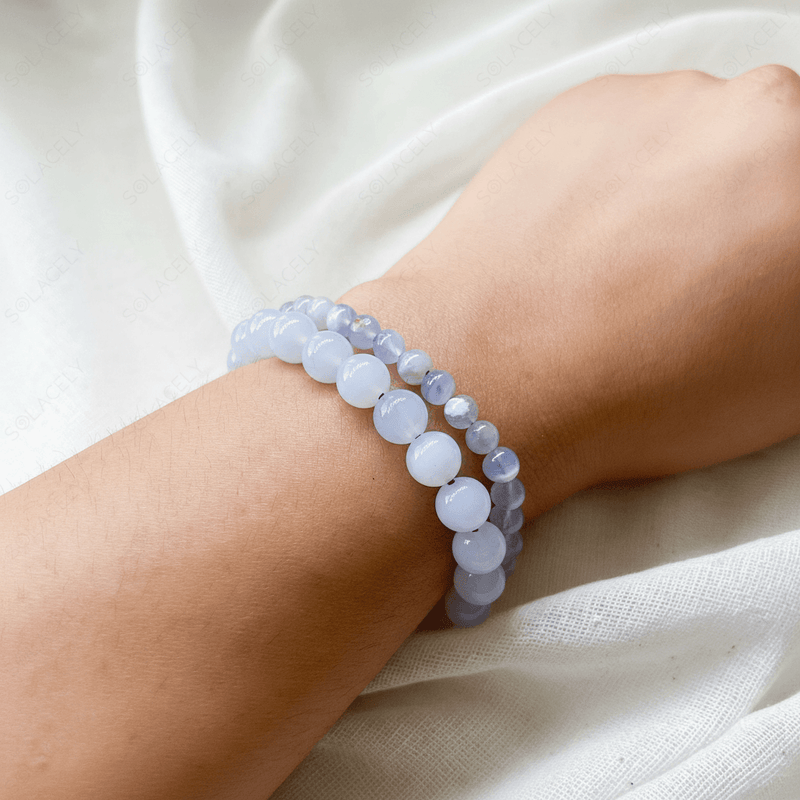
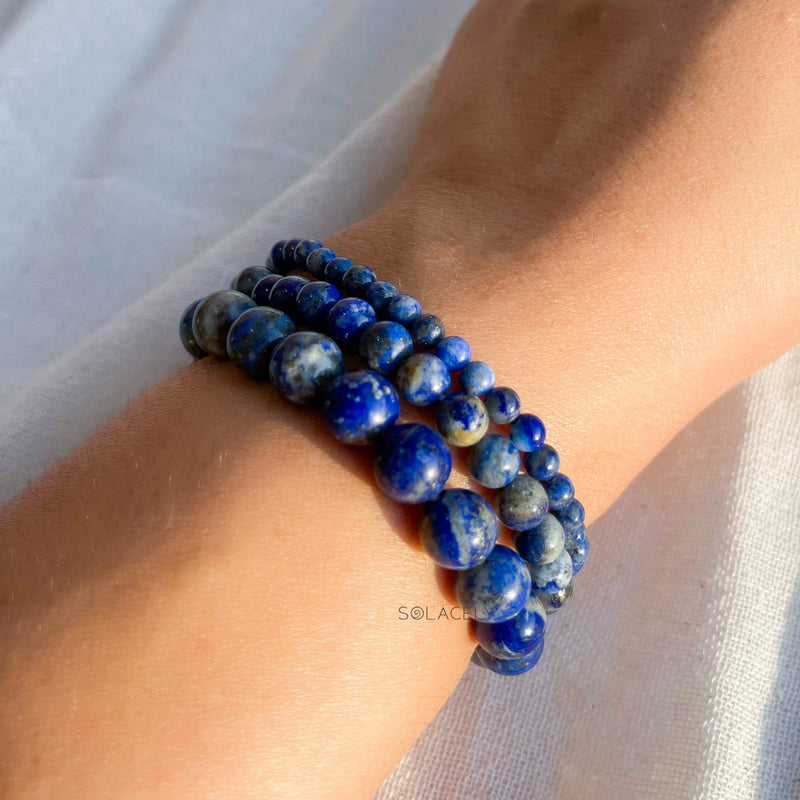
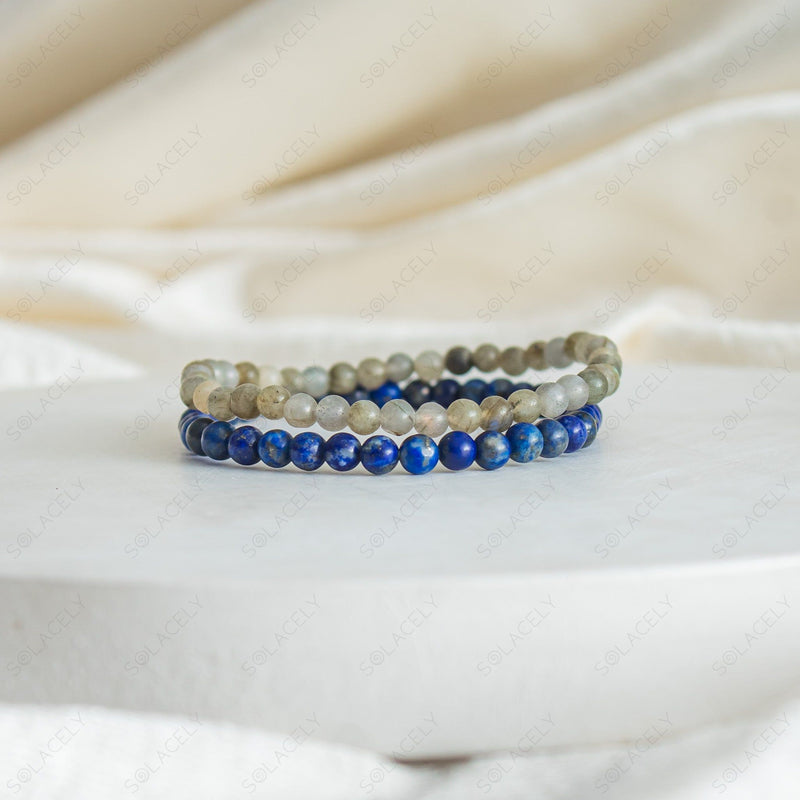
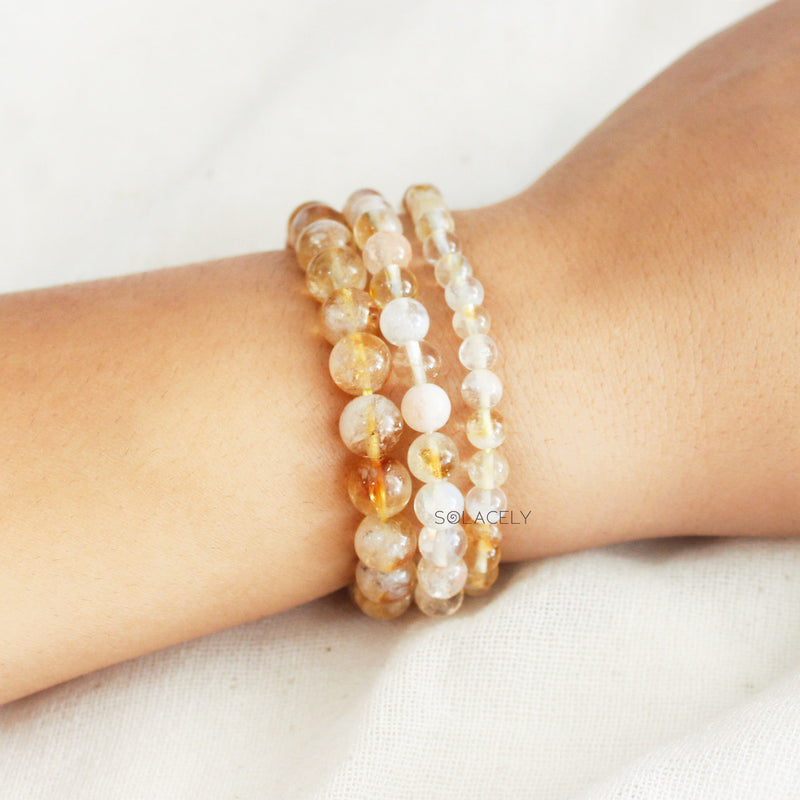
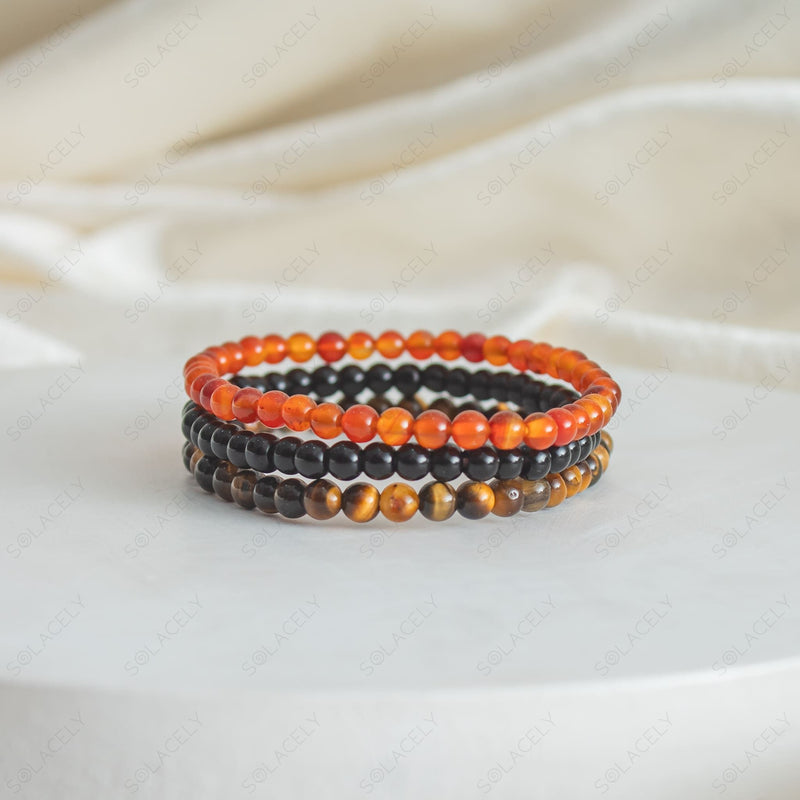
Blue lace agate, lapis lazuli, sodalite, aquamarine and angelite are the crystals singers keep close, all assigned to the throat chakra. They are traditionally held for the nerves and self-consciousness that come with performing, and they pair naturally with the hydration, warming up and rest that keep a voice in good order.
Key takeaways
- The throat set: blue lace agate, lapis lazuli, sodalite, aquamarine, angelite.
- Traditionally kept for calm and courage before performing.
- Hold the stone during your warm up, so it ties to the preparation routine.
- Vocal care: hydration, no shouting, warming up, resting a tired voice.
- Hoarseness lasting more than two weeks deserves a doctor.
What the tradition addresses
Singing has two halves. There is the trained mechanism: breath support, technique, hydration, rest. And there is what happens the moment you walk out in front of people, when a voice that was fine in rehearsal tightens up.
That second half is where the throat stones sit. They are kept for nerves, for self-consciousness, and for the willingness to be heard, which is exactly what the throat centre governs in yogic tradition. Singers have used them as part of preparation for a long time, and the pre-performance ritual is where they belong.
The throat chakra stones
| Stone | Traditionally kept for | Best moment |
|---|---|---|
| Blue lace agate | Calm, unhurried speech | Warm up, before a difficult piece |
| Lapis lazuli | Truthful expression, saying the real thing | Original material, personal songs |
| Sodalite | Clear thought while speaking | Spoken parts, presenting, teaching |
| Aquamarine | Courage; the traditional stone for being heard | Auditions and first performances |
| Angelite | Gentleness with yourself | After a performance that went badly |
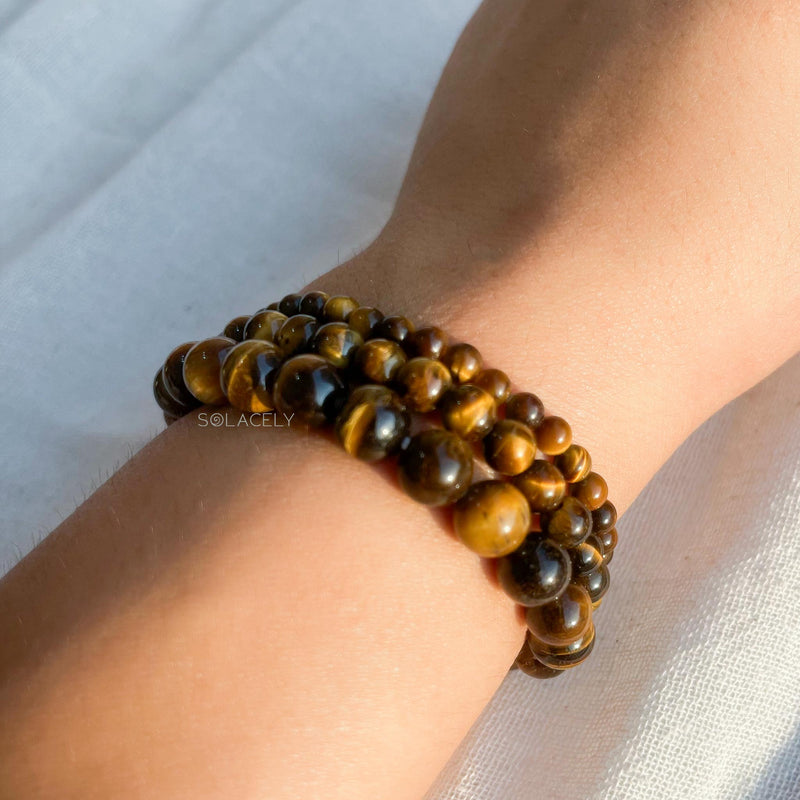
| Tiger's eye | Nerve in front of people | Large or unfamiliar audiences |
Blue lace agate is the standard first choice, and the reason is that its traditional association is calm speech rather than power or volume, which matches what most singers actually want before going on. Lapis lazuli has the deepest history of the group, mined in Afghanistan for thousands of years and ground into ultramarine for painters, and its association with truthful expression is old and consistent.
Building a pre-performance ritual
- Same order, every time. Hydrate, physical warm up, vocal warm up, hold the stone, walk on.
- Hold it during warm up, not on stage. The association you are building is with preparation.
- One sentence, said the same way. Something plain that you actually believe.
- A short pendant is the alternative. Resting near the collarbone, it stays with you without occupying a hand.
- Introduce it in rehearsal. A ritual works because it is familiar, so build it in before performance day.
Our throat chakra crystals guide covers placement work in more detail, and crystals for confidence covers the wider set for being in front of people.
Looking after your voice
The National Institute on Deafness and Other Communication Disorders sets out what protects a voice, and the list is short and unglamorous:
- Drink water. Vocal folds work best hydrated, and this is the most repeated advice in vocal health for good reason.
- Avoid smoke. It irritates and inflames the folds.
- Do not shout or strain. Including in loud bars after a gig, which is where a lot of damage actually happens.
- Warm up properly. Cold voices tear the way cold muscles do.
- Rest a tired voice. Pushing through hoarseness turns temporary problems into lasting ones.
- Avoid throat clearing. Sip water instead.
The medical line worth knowing: hoarseness lasting more than two weeks should be checked by a doctor, since persistent voice change is more treatable early.
Why blue, and why the throat
Vishuddha, the throat centre, is the fifth chakra and is assigned the colour blue. In yogic tradition it governs communication, honest expression and the willingness to be heard, and every blue stone above sits there through that correspondence.
There is a nice consistency in it: the throat centre's traditional difficulty is not being unable to speak but being unwilling to, which is precisely the singer's problem. Our beginner's chakra stone guide covers the full mapping, and our agate guide covers blue lace agate in its wider family.
After a difficult performance
Every singer has them. The traditional stones for the aftermath differ from those for the run-up: angelite, rose quartz and rhodonite, all kept for self-forgiveness rather than nerve.
That distinction is worth keeping, because the instinct after a bad night is to reach for the confidence stone again. Our crystals for emotional healing guide covers the recovery side.
Crystal practices described here are traditional and cultural, and nothing here is medical advice. Persistent hoarseness, pain when singing, or voice loss should be assessed by a doctor or a laryngologist.
Sources
Written by Chetena Sharma. Reviewed by the Solacely editorial team.
Frequently asked questions
About the author


Written by Chetna Sharma, crystal healing practitioner and co-founder of Solacely. Chetna has worked with healing crystals for over a decade and curates Solacely's protective stone collection.