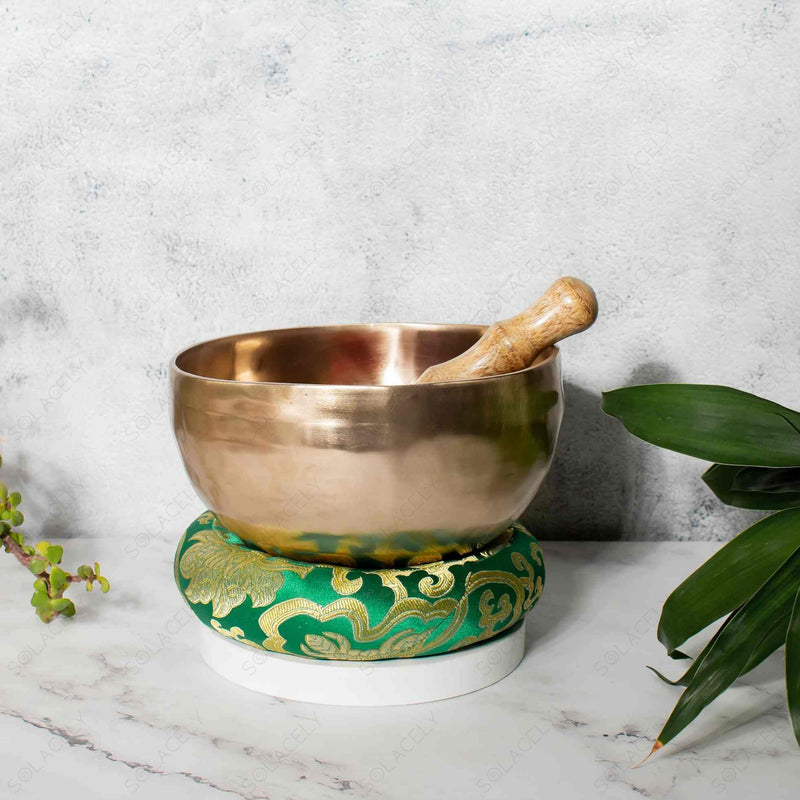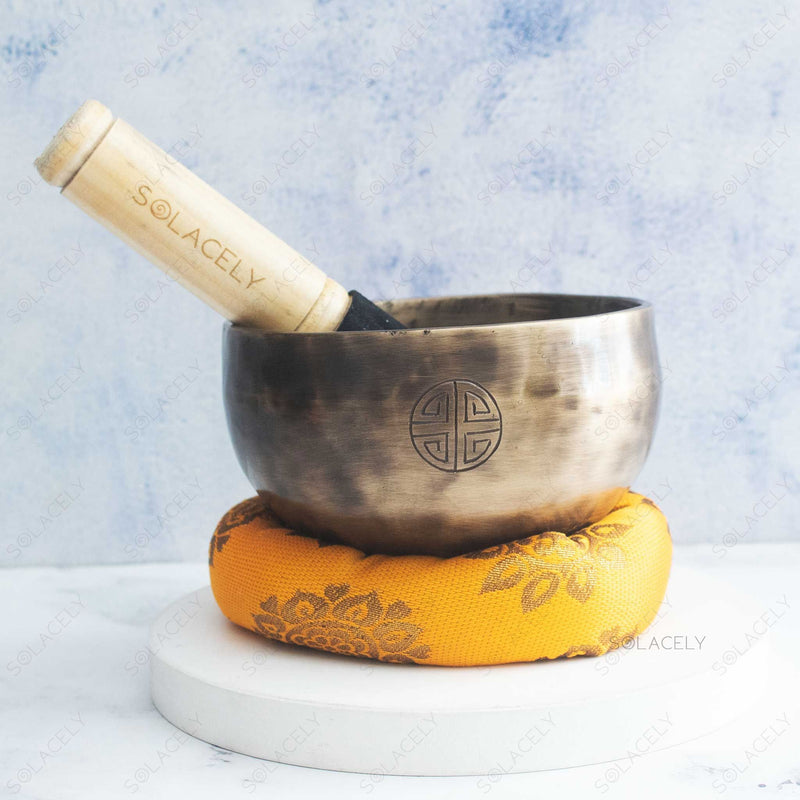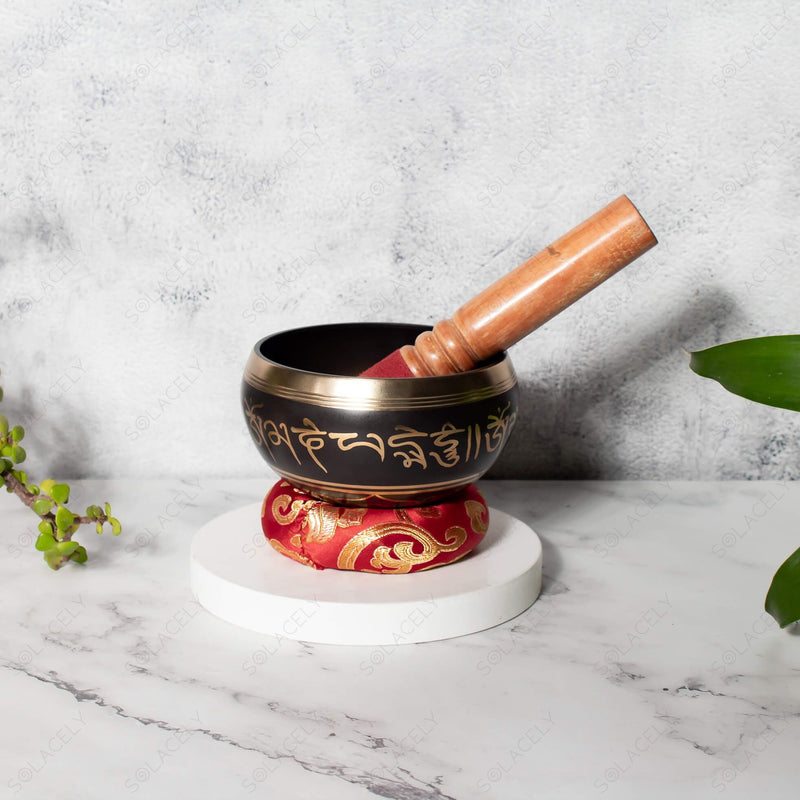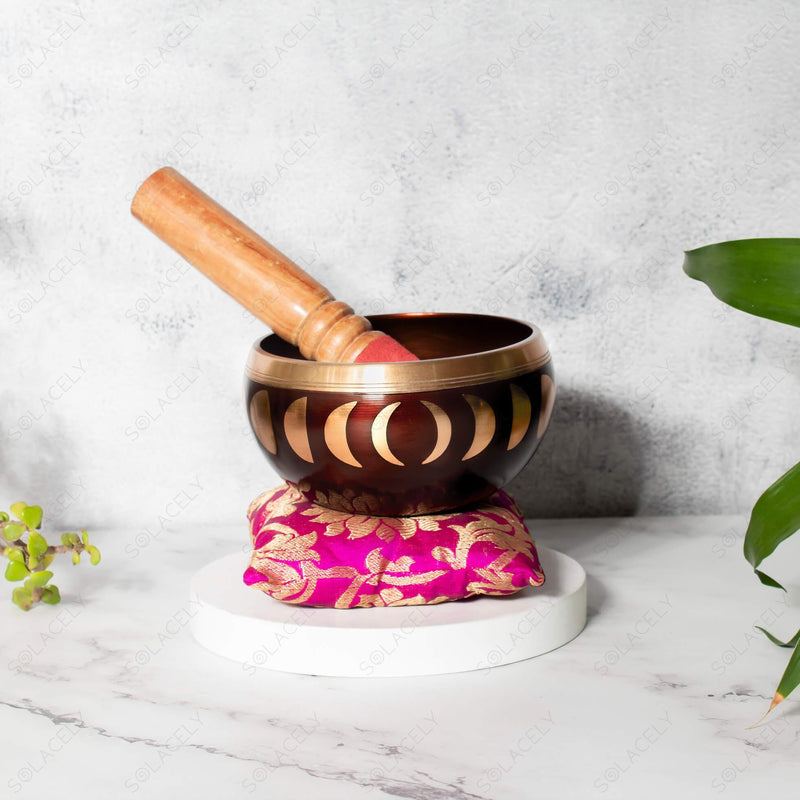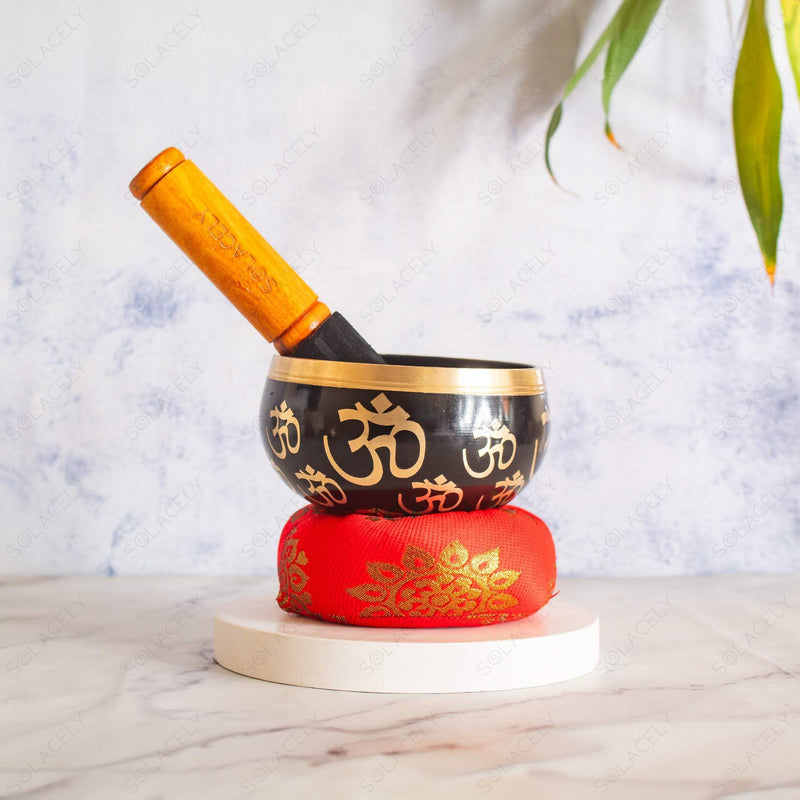
Singing Bowls

About Singing Bowls

Singing bowls are ancient instruments that produce resonant, harmonious tones when struck or circled with a mallet. These sacred vessels create sound vibrations that ripple through both air and body, offering a tangible bridge between the physical and spiritual realms.

Used for centuries in meditation, healing ceremonies, and spiritual practices, singing bowls transform spaces into sanctuaries of peace. Their sustained tones guide practitioners into deeper states of awareness while promoting physical and energetic balance.

A Tradition Rooted in Ancient Wisdom

The origins of singing bowls trace back over 2,000 years to the Himalayan regions of Tibet, Nepal, and India. Tibetan Buddhist monks incorporated these sacred instruments into meditation practices, recognizing their profound ability to still the mind and open the heart.

Traditional bowls were handcrafted by artisan metalworkers who understood the spiritual significance of their work. Each bowl was created as a unique instrument, its particular tone emerging from the careful balance of metals and the maker's intention.

Today, this ancient practice continues alongside modern innovations. Crystal singing bowls, developed in recent decades, offer pure, ethereal tones that complement their traditional metal counterparts.

Types of Singing Bowls in Our Collection

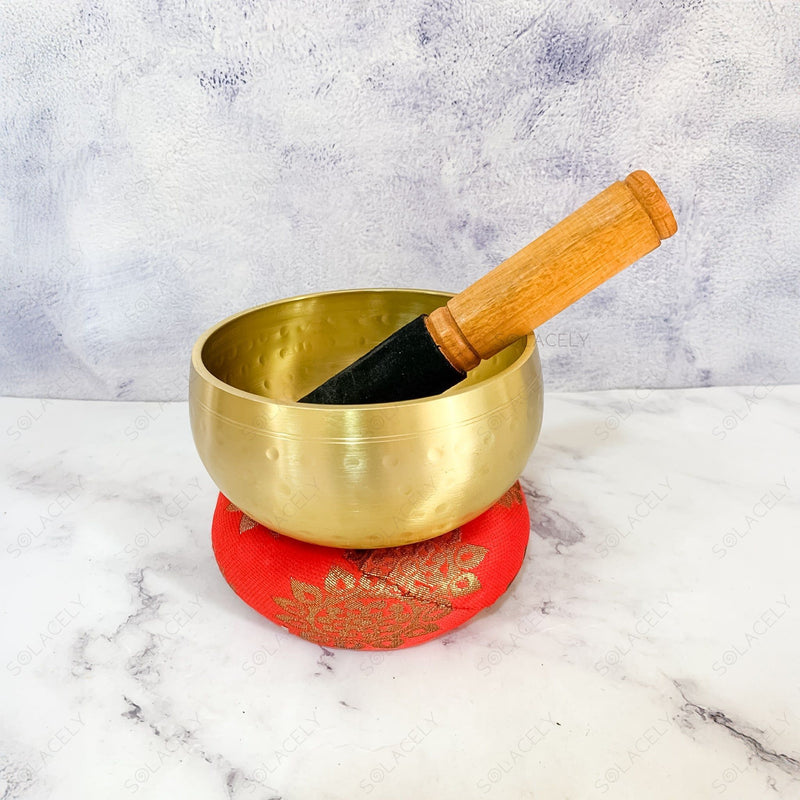
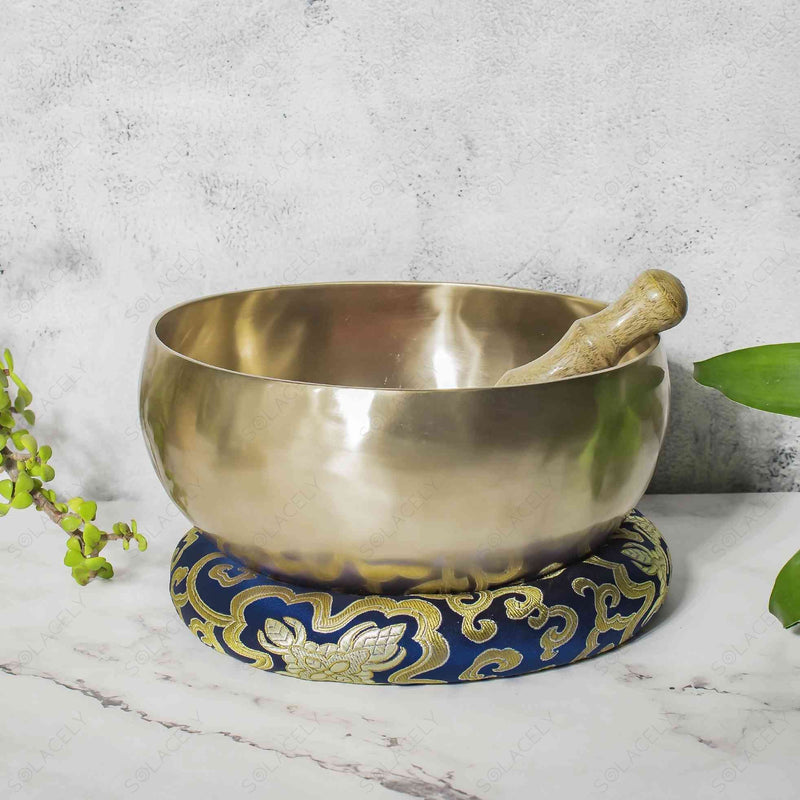
  • Tibetan Metal Singing Bowls: Handcrafted from seven-metal alloy, these traditional bowls produce rich, complex overtones. Each piece carries slight variations in sound, making every bowl distinctive. The metals traditionally include gold, silver, mercury, copper, iron, tin, and lead—each corresponding to celestial bodies and energetic properties.
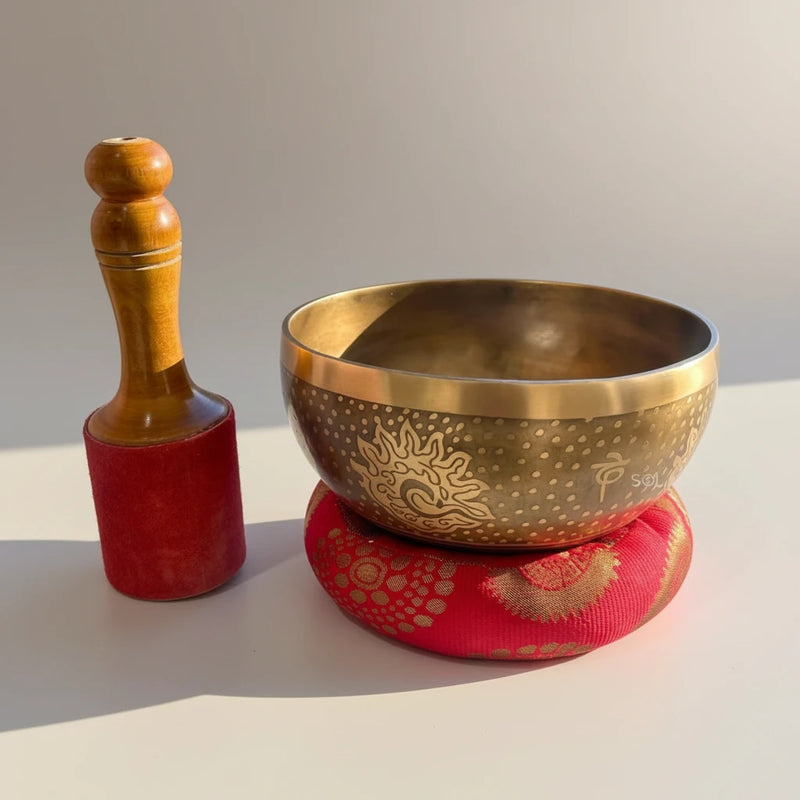
  • Hand-Hammered Artisan Bowls: Meticulously crafted by skilled artisans using traditional techniques passed down through generations. The hammering process creates unique sonic patterns and visual beauty, with each strike of the hammer contributing to the bowl's final voice.
  • Chakra-Tuned Collections: Specifically calibrated to correspond with the seven main chakras, these bowls support targeted energy work. Each note aligns with a particular energy center, from the root's grounding C note to the crown's transcendent B.

What Defines a High-Quality Singing Bowl

  • Sound Purity and Resonance Premium singing bowls produce clean, sustained tones without metallic harshness or unwanted overtones. The sound should feel smooth and enveloping, creating an immersive sonic environment that supports deep meditation.
  • Vibration Sustain Quality bowls maintain their resonance for extended periods after striking. This sustain allows the sound to fully develop and creates the characteristic "singing" effect as vibrations continue to build and evolve.
  • Material Integrity Authentic Tibetan bowls use traditional metal alloys properly balanced for optimal acoustics. Crystal bowls should be made from pure quartz without impurities that could compromise tone quality or structural integrity.
  • Craftsmanship Excellence Hand-hammered bowls display visible marks of traditional creation while maintaining structural balance. The wall thickness, rim finish, and overall symmetry all contribute to sonic performance and longevity.

Benefits & Uses

Deepening Meditation Practice

Singing bowls serve as anchors for wandering minds. The sustained tone provides a focal point that naturally draws attention inward, making it easier to enter and maintain meditative states.

The rhythmic nature of playing a bowl—whether striking or rimming—creates a meditative practice in itself. This active engagement combines movement, breath, and sound into a holistic experience that settles both body and mind.

Many practitioners find that bowl meditation accelerates their journey to deeper awareness states that might otherwise take years of silent practice to achieve.

Sound Healing and Vibrational Therapy

Sound healing operates on the principle that everything in the universe vibrates at specific frequencies. When our bodies fall out of harmonic balance, we experience this as physical discomfort, emotional turbulence, or spiritual disconnection.

Singing bowls introduce pure, coherent vibrations that encourage our cells and energy systems to return to their natural resonant state. This entrainment effect happens naturally as the body responds to the bowl's stable frequency.

Key healing applications include:

  • Releasing tension held in muscles and fascia
  • Calming the nervous system and reducing cortisol levels
  • Supporting the body's natural healing processes
  • Addressing energetic blockages and stagnation
  • Promoting cellular regeneration through harmonic resonance

Chakra Balancing and Energy Alignment

Each chakra resonates at a specific frequency corresponding to musical notes. When you play a bowl tuned to a particular chakra's note, the sound directly interacts with that energy center.

This targeted approach allows practitioners to address specific imbalances. A sluggish root chakra might respond to a deep C note bowl, while an overactive throat chakra could benefit from exposure to a G note's balancing frequency.

Regular chakra bowl practice helps maintain energetic hygiene, preventing minor imbalances from developing into more significant disruptions in wellbeing.

Space and Energy Clearing

Sound waves physically move through space, disrupting stagnant energy patterns. The vibrations from singing bowls literally shift the energetic atmosphere of a room, making them powerful tools for space clearing.

Use singing bowls to:

  • Clear lingering emotional residue after difficult conversations
  • Refresh the energy of therapy or healing spaces between clients
  • Establish sacred space before meditation or ceremony
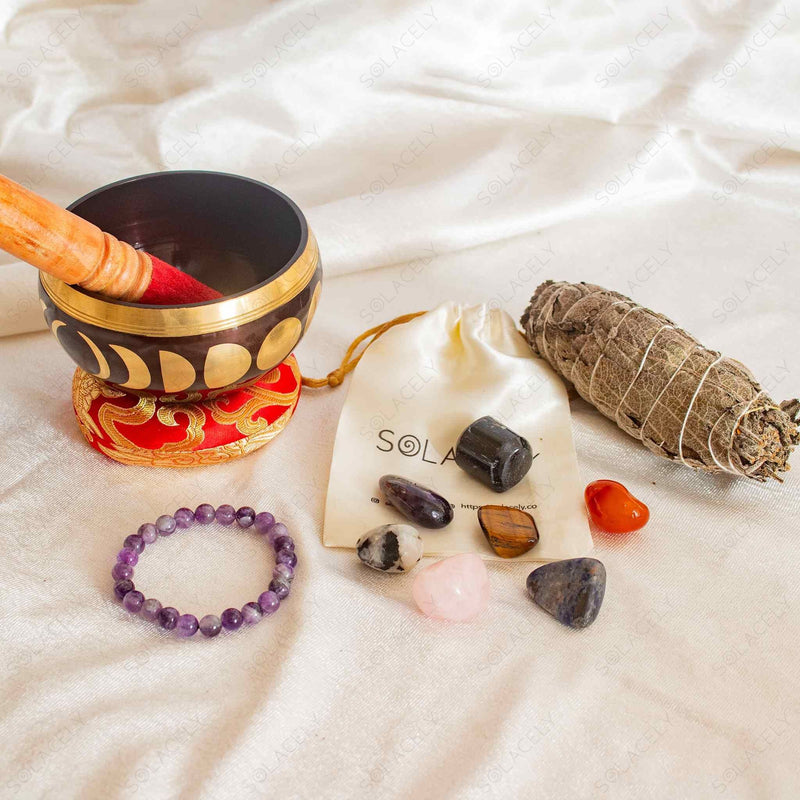
  • Cleanse crystals, jewelry, and other energetically-sensitive objects
  • Mark transitions between activities or states of being

The sound penetrates corners, closets, and areas where stagnant energy tends to accumulate, reaching places that smoke or other clearing methods might miss.

Stress Relief and Emotional Grounding

The physiological response to singing bowl tones is immediate and measurable. Brain wave patterns shift from beta (active thinking) toward alpha (relaxed awareness) and theta (deep meditation) states within minutes of exposure.

This isn't merely relaxation—it's a fundamental shift in nervous system functioning. The parasympathetic nervous system activates, triggering the body's rest-and-restore mode.

Emotional benefits include:

  • Releasing accumulated tension and anxiety
  • Processing difficult emotions in a supported way
  • Cultivating present-moment awareness
  • Reducing rumination and mental looping
  • Accessing deeper layers of emotional wisdom

The grounding effect helps practitioners feel more embodied and connected to physical reality, countering the dissociation and disconnection that modern life often creates.

Matching Bowls to Intended Use

  • Personal Meditation Practice Choose a bowl whose tone resonates with your current life focus. If you're working on speaking your truth, a throat chakra bowl supports this intention. If you're cultivating self-love, a heart chakra bowl becomes your ally.Size matters less than resonance. Trust your intuitive response to different tones—your body knows what it needs.
  • Professional Healing and Therapy Build a versatile collection that addresses multiple energy centers. Having a complete chakra set allows you to respond to each client's unique needs. Invest in quality over quantity. Two exceptional bowls serve better than seven mediocre ones.
  • Group Facilitation and Sound Baths Larger bowls with powerful projection ensure everyone in the space receives the full vibrational benefit. Consider bowls with extended sustain that allow you to create layered soundscapes. Having bowls tuned to different notes enables you to guide participants through progressive chakra journeys.
  • Yoga Class Enhancement Portable medium-sized bowls work well for marking transitions, supporting savasana, or establishing sacred space. Choose bowls that won't crack under the demands of regular transport. Clear, projecting tones help cut through the ambient noise of studio environments.
  • Home Décor and Sacred Space Beyond their sonic properties, singing bowls serve as beautiful focal points for altars and meditation spaces. Hand-hammered bowls with intricate patterns add visual beauty alongside their practical function. Even when not in active use, their presence reminds you of your spiritual commitments and creates an energetic anchor in your home.

The Value of Sound Samples

While descriptions provide useful information, nothing replaces hearing a bowl's actual voice. Sound samples allow you to experience the tone quality, sustain, and overtone character before purchasing.

Listen for qualities that resonate with your body and spirit. Does the tone feel soothing or energizing? Does it call you inward or expand your awareness outward? These subjective responses matter more than technical specifications.

If possible, listen with eyes closed to fully focus on the sonic experience. Notice where you feel the sound in your body and how it affects your breathing and heart rate.

How to Play Your Singing Bowl

The Striking Technique

Striking produces a clear, bell-like tone that announces the bowl's presence and establishes the fundamental note. This technique works beautifully for marking transitions, opening or closing practice, and initial chakra activation.

Step-by-Step Process:

  • Hold the bowl in your non-dominant hand, resting it on your flat palm with fingers extended. Avoid cupping the bowl, as this dampens the vibration. For larger bowls, place them on a cushioned surface or ring stand.
  • Grasp the mallet like a wand, with a relaxed grip that allows slight movement at the wrist. Tension in your hand transfers to the strike, creating harsh tones.
  • Position the mallet at approximately a 45-degree angle to the bowl's rim. Aim for the upper third of the bowl's outer wall, where the metal thickness creates optimal resonance.
  • Strike the bowl with a firm but gentle motion, using the padded side of the mallet. Think of it as inviting the bowl to sing rather than forcing sound from it.
  • Allow the mallet to bounce naturally away from the bowl after contact. Keeping it pressed against the wall stops the vibration immediately.
  • Listen as the tone develops. Quality bowls reveal layers of overtones that emerge seconds after the initial strike.

The Rimming Technique

Rimming creates sustained, singing tones that seem to grow from silence into powerful waves of sound. This technique supports extended meditation, deep healing work, and building energetic intensity.

Mastering the Rim:

  • Begin with the bowl stable and still. Rest it on a cushion or hold it steady in your palm without gripping tightly.
  • Press the mallet against the bowl's outer rim with moderate, consistent pressure. Too light and you'll hear only scratching; too heavy and the sound chokes.
  • Circle the rim slowly and steadily, maintaining constant speed and pressure. Imagine you're stirring thick honey—smooth and deliberate.
  • Start with the leather or suede side of the mallet for warmer tones. Once you've established the fundamental, you can experiment with the wooden end for brighter, more cutting sounds.
  • As the bowl begins to sing, continue your circular motion without changing pressure or speed. The sound will build gradually, sometimes taking 30-60 seconds to reach full volume.
  • Listen for the moment when the bowl "locks in" to its resonant frequency. You'll feel slight resistance in the mallet as the vibration synchronizes.
  • To sustain the tone indefinitely, maintain your steady rhythm and pressure. To bring the sound to a close, gradually lighten your pressure while slowing your circular motion.

Common Beginner Mistakes

  • Gripping Too Tightly: Tension anywhere in your body—especially hands, shoulders, and jaw—translates to the bowl as inconsistent pressure or choppy movement. Practice relaxed awareness.
  • Inconsistent Speed: Rimming requires steady, metronomic circling. Speed variations create volume fluctuations and can cause the bowl to stop singing entirely. Focus on maintaining rhythm.
  • Insufficient Pressure: Many beginners fear damaging the bowl and apply too little mallet pressure. While bowls do require care, they need firm contact to produce sustained tones.
  • Starting Too Fast: Rushing the rimming motion prevents the bowl from establishing its fundamental frequency. Slower speeds allow the vibration to build properly.
  • Lifting the Mallet: Maintaining consistent rim contact is essential. Any gap between mallet and bowl interrupts the vibration, forcing you to rebuild the sound from silence.
  • Wrong Mallet Selection: Using a mallet that's too large or small for your bowl compromises tone quality. Match mallet size to bowl diameter for optimal results.

Practice Tips for Better Sound

  • Develop Consistent Pressure Awareness: Practice rimming with your eyes closed, focusing entirely on the sensation of pressure between mallet and bowl. Your body will learn the correct feeling faster than your mind can analyze it.
  • Start With Striking: If rimming feels frustrating initially, focus on perfecting your striking technique. Success with striking builds confidence and helps you understand your bowl's voice.
  • Use a Metronome: Practicing rimming at a set tempo (try 40-60 BPM) trains consistent speed. Once you've internalized the rhythm, you can vary tempo intentionally.
  • Record and Listen: Recording your practice sessions reveals subtle inconsistencies you might not notice in real time. Listening back accelerates improvement.
  • Practice in Silence Choose quiet practice times when you can hear every nuance of your technique. Background noise masks the feedback your ears need to refine your skill.
  • Experiment With Angles: Once you've mastered basic technique, explore slight variations in mallet angle and rim position. Different zones of the bowl produce subtly different overtone patterns.
  • Be Patient With Yourself: Quality rimming technique typically requires 2-4 weeks of regular practice. Some bowls are easier to play than others, especially for beginners. If you're struggling, the bowl might not be the issue—you're simply building a new skill.

Care & Maintenance

Cleaning Your Singing Bowl

  • Regular Dusting: Use a soft, dry microfiber cloth to remove dust after each use. This simple practice prevents buildup that can eventually dull the bowl's tone and finish.
  • Gentle Washing: For deeper cleaning, wash metal bowls with lukewarm water and mild, unscented soap. Avoid harsh detergents or abrasive materials that could scratch the surface or remove decorative elements.
  • Thorough Drying: Dry bowls completely before storage, paying special attention to any etched patterns or decorative elements where water might collect. Moisture left on metal bowls can lead to oxidation over time.
  • Energetic Cleansing: Beyond physical cleaning, regularly clear your bowl's energetic field. Sound healers often accumulate energy from their healing work, and bowls benefit from periodic clearing.
  • Moonlight cleansing works beautifully—leave your bowl in moonlight (especially during full moons) to reset its energetic signature. Sage smoke, palo santo, or sound from other bowls also clears accumulated energy effectively.

Storage Recommendations

  • Safe Placement: Store bowls in locations where they won't be knocked over or dropped. Chips and cracks permanently alter a bowl's acoustic properties and can't be repaired without changing its voice.
  • Cushioned Support: Place bowls on fabric cushions, silk squares, or specialized ring stands that support without dampening vibration. Avoid hard surfaces that could scratch the base or allow the bowl to slide.
  • Separate Storage: If you own multiple bowls, store them separately or with cushioning between them. Contact between bowls can cause scratches, dents, or chips—even minor surface damage affects tone.
  • Temperature Consideration: Avoid extreme temperature fluctuations, which can stress metal bowls over time. Crystal bowls are particularly sensitive to rapid temperature changes, which could cause cracking.
  • Away From Direct Sunlight: Prolonged sun exposure can fade decorative elements and affect the metal's properties. Crystal bowls may focus sunlight into concentrated points that could damage nearby objects.
  • Dust-Free Environment: While some dust accumulation is inevitable, storing bowls away from dusty areas reduces cleaning frequency and preserves finish quality.

Protecting Sound Quality and Finish

  • Handle With Clean Hands: Oils and acids from skin contact gradually affect metal finishes. While bowls are meant to be used, washing hands before playing helps preserve decorative elements and patina.
  • Avoid Chemical Exposure: Keep bowls away from cleaning products, perfumes, essential oils, and other chemicals that could react with metal surfaces or leave residues affecting sound.
  • Monitor for Changes: Regularly assess your bowl's tone quality. Subtle changes might indicate needed cleaning or adjustments to storage conditions.
  • Strike Spot Rotation: Vary where you strike the bowl slightly to distribute wear evenly. Repeatedly striking the exact same spot can create subtle depressions over years of use.
  • Gentle Usage: While bowls are sturdy instruments, they're not indestructible. Use appropriate striking force—enough for clear tone without unnecessary impact.

Mallet Care and Handling

  • Clean Mallets Regularly: Mallet covers accumulate oils and dust that affect their grip on the bowl's rim. Wipe leather or suede covers with a slightly damp cloth periodically.
  • Maintain Cover Integrity: Check mallet wrapping for loose threads or worn areas. Damaged covers produce inconsistent tones and may scratch your bowl.
  • Store Properly: Keep mallets with your bowl or in a dedicated space where they won't be crushed or deformed. Flattened mallet heads don't produce even tones.
  • Match Mallets to Bowls: Using inappropriately sized mallets can damage both tools. Small mallets on large bowls require excessive force; oversized mallets on small bowls produce muddy tones.
  • Replace When Needed: Mallets are tools that eventually wear out. If your tried-and-true technique suddenly produces inconsistent results, your mallet likely needs replacement rather than your bowl needing adjustment.

Size & Sound Guide

Understanding Diameter and Depth

Bowl dimensions directly influence tone quality, pitch, and volume. Larger diameters produce lower frequencies, while smaller bowls create higher pitches. Depth affects resonance and sustain—deeper bowls typically offer longer-lasting tones.

  • Small Bowls (3-5 inches diameter): Typically 2-3 inches deep with thin walls. These bowls weigh 8-16 ounces and produce bright, clear tones in higher octaves. Their compact size makes them easy to hold for extended periods.
  • Medium Bowls (6-8 inches diameter): Usually 3-4 inches deep with moderate wall thickness. Weighing 1-3 pounds, these versatile bowls balance portability with substantial sound projection and work well across multiple chakras.
  • Large Bowls (9-12 inches diameter): Measuring 4-6 inches deep with thicker walls for durability. These bowls weigh 3-7 pounds and create powerful, room-filling tones with pronounced bass frequencies.
  • Extra-Large Bowls (13+ inches diameter): Can exceed 6 inches in depth with substantial wall construction. Weighing 7-15+ pounds, these professional instruments produce profound vibrations felt throughout the body.

Weight Considerations

A bowl's weight reflects its wall thickness, metal composition, and overall construction quality. Heavier bowls generally produce louder volumes and longer sustain, though this isn't an absolute rule.

Lighter bowls offer easier portability and handling, especially for practitioners with hand or wrist sensitivity. Consider your physical comfort alongside sonic preferences.

For therapeutic work where you'll place bowls on the body, weight becomes crucial. Bowls too heavy cause discomfort; bowls too light may shift position during treatment.

Note, Frequency, and Chakra Correspondence

Understanding the relationship between musical notes and energy centers helps you select bowls that support specific intentions.

  • Root Chakra Note: C | Frequency: 256 Hz | Color: Red
    Qualities: Grounding, security, physical vitality, survival instinct, connection to earth Bowl characteristics: Deep, resonant tones; larger diameter; warm, bass-heavy sound
  • Sacral Chakra Note: D | Frequency: 288 Hz | Color: Orange
    Qualities: Creativity, emotional flow, sensuality, pleasure, adaptability Bowl characteristics: Warm mid-range tones; comfortable to hold; fluid sound quality
  • Solar Plexus Chakra Note: E | Frequency: 320 Hz | Color: Yellow
    Qualities: Personal power, confidence, digestion, willpower, sense of self Bowl characteristics: Bright mid-range tones; energizing sound; clear projection
  • Heart Chakra Note: F | Frequency: 341 Hz | Color: Green
    Qualities: Love, compassion, forgiveness, emotional healing, connection Bowl characteristics: Balanced mid-range; soothing yet opening; harmonious overtones
  • Throat Chakra Note: G | Frequency: 384 Hz | Color: Blue
    Qualities: Communication, authentic expression, truth, creative voice, listening Bowl characteristics: Clear, articulate tones; higher mid-range; crystalline quality
  • Third Eye Chakra Note: A | Frequency: 426 Hz | Color: Indigo
    Qualities: Intuition, insight, imagination, inner vision, psychic awareness Bowl characteristics: High, penetrating tones; activating sound; promotes focus
  • Crown Chakra Note: B | Frequency: 480 Hz | Color: Violet/White
    Qualities: Spiritual connection, transcendence, universal consciousness, enlightenment Bowl characteristics: Highest tones; ethereal quality; expansive resonance

Choosing Size for Your Space

  • Personal Home Meditation Spaces (100-150 sq ft): Small to medium bowls (5-8 inches) provide ample sound without overwhelming compact areas. Their tones fill the space comfortably while maintaining clarity and definition.
  • Dedicated Yoga or Meditation Rooms (200-400 sq ft): Medium to large bowls (7-10 inches) offer the projection needed for these spaces. Their sustained tones reach corners effectively while supporting individual or small group practice.
  • Professional Studios and Healing Rooms (400-800 sq ft): Large bowls (9-12 inches) ensure every participant receives full vibrational benefit. Multiple bowl sizes allow you to create layered soundscapes that fill three-dimensional space.
  • Large Group Spaces and Sound Bath Venues (800+ sq ft): Extra-large bowls (12+ inches) plus multiple supporting bowls create the powerful sonic presence these venues require. Consider acoustic properties—carpeted spaces absorb sound differently than hardwood floors.
  • Outdoor Ceremonies: Sound dissipates quickly in open air. Choose larger bowls (10+ inches) with powerful projection for outdoor use. Wind conditions and ambient nature sounds also factor into bowl selection.
  • Treatment Rooms and Therapy Spaces: Medium bowls (6-8 inches) work ideally for one-on-one sessions where intimacy matters more than volume. These sizes allow close placement to specific body areas during sound healing work.

Your Journey With Sacred Sound Begins Here

Choosing a singing bowl is choosing a companion for your spiritual journey. Unlike passive tools, these instruments grow with you—their voices becoming more familiar, their vibrations more aligned with your energy as your practice deepens.

Trust your intuition throughout this selection process. The bowl that calls to you may not match your logical criteria, yet that resonance matters more than specifications. Your body recognizes the frequencies it needs for healing and growth.

Whether you're establishing a daily meditation practice, expanding your healing toolkit, or answering a spiritual calling you don't yet fully understand, your singing bowl will meet you exactly where you are. Each strike, each rim, each vibration is an invitation to come home to yourself.

The bowl you choose today begins a relationship that may span decades. It will witness your transformations, support your darkest moments, and celebrate your breakthroughs. It will become a touchstone—a tangible reminder that peace exists within reach, accessible through something as simple as sound.

Take your time. Listen deeply. Allow the right bowl to find you.

Happy Customers

View all reviews