Diamond and white sapphire are the classical gemstones for Venus, Shukra in Vedic practice, with white zircon and white topaz kept as familiar substitutes. In the wider crystal tradition, Venus is served by softer stones: rose quartz, emerald, green aventurine, jade, opal, morganite and pink tourmaline. Friday is the traditional day.
Key takeaways
- The classical Venus gemstones in Vedic practice are diamond and white sapphire, with white zircon and white topaz named as substitutes.
- Friday is the day of Shukra, and silver, platinum or white gold are the traditional metals for a Venus ring.
- The wider crystal tradition adds rose quartz, morganite, pink tourmaline, emerald, green aventurine, jade and opal.
- Diamond sits at 10 on the Mohs scale, white sapphire at 9, emerald and morganite at 7.5 to 8, and opal at only 5.5 to 6.5.
- In Western astrology Venus rules Taurus and Libra, which is why those two signs share so much of this stone list.
- Opal can craze in dry heat and emerald is usually oiled, so both stay out of ultrasonic and steam cleaners.
What is Venus, Shukra, associated with?
Venus, called Shukra in Vedic astrology, is traditionally associated with love, beauty, art, pleasure, partnership and material comfort. It is the planet of taste and attraction rather than effort. Friday is its day, the southeast its direction in Indian tradition, and the number six its number.
In Indian tradition Shukra is the guru of the asuras, and the planet is credited with everything refined: music, poetry, dance, perfume, good food, fine cloth and the pleasure of company. It is given charge of marriage and partnership, of the arts, and of the comfort of the home. Vehicles, jewellery and anything kept purely for its beauty fall under the same heading.
Venus is also a day and a direction, which is why so much of the practice around it is scheduled rather than improvised. Friday belongs to it, the southeast corner belongs to it in vastu practice, and six is its number. Where Saturn asks for patience and long effort, Venus asks for enjoyment, so the two planets are often studied as a pair. Our guide to crystals for Saturn covers that other temperament and its very different stone list.
Which gemstones are traditionally worn for Venus?
Diamond is the classical Shukra gemstone, and white sapphire is the substitute named most often beside it. Both are colourless and bright, which is exactly the quality the tradition is after. White zircon and white topaz appear on the same list. Friday morning is the traditional time to first put one on.
Metal matters as much as stone in this practice. Silver, platinum and white gold are the traditional settings for Venus, since a cool white metal keeps the stone's brightness rather than warming it. Many lineages ask that the stone touch the skin through an open back in the setting. The ring finger is the usual placement, although the middle finger appears in some traditions.
Gemmological reference works place diamond at 10 on the Mohs scale, the very top of that scale, and white sapphire at 9. Hardness is part of why these two became the classical choice: a stone worn every day for decades has to survive the wearing. Practitioners generally suggest speaking to an astrologer before commissioning a classical Venus ring, since the weight of the stone and the timing of the first wearing are set individually.
Which softer crystals are kept for Venus energy?
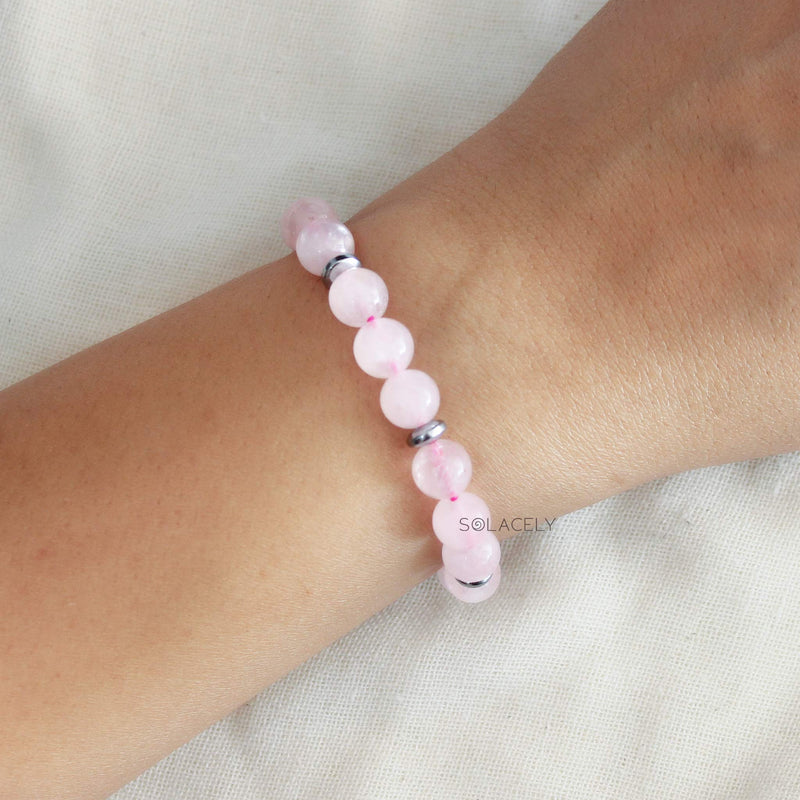
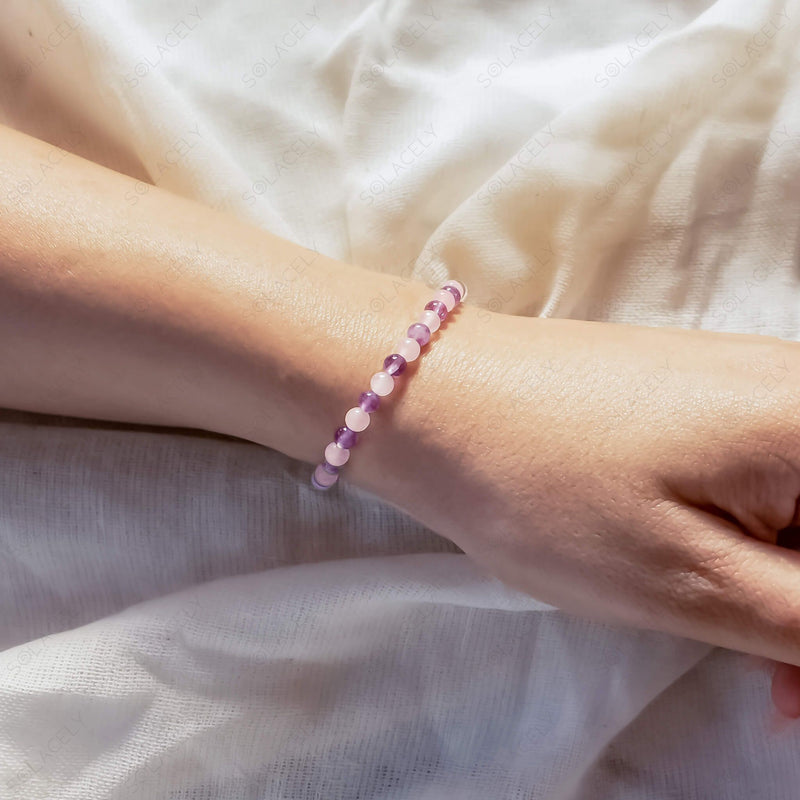
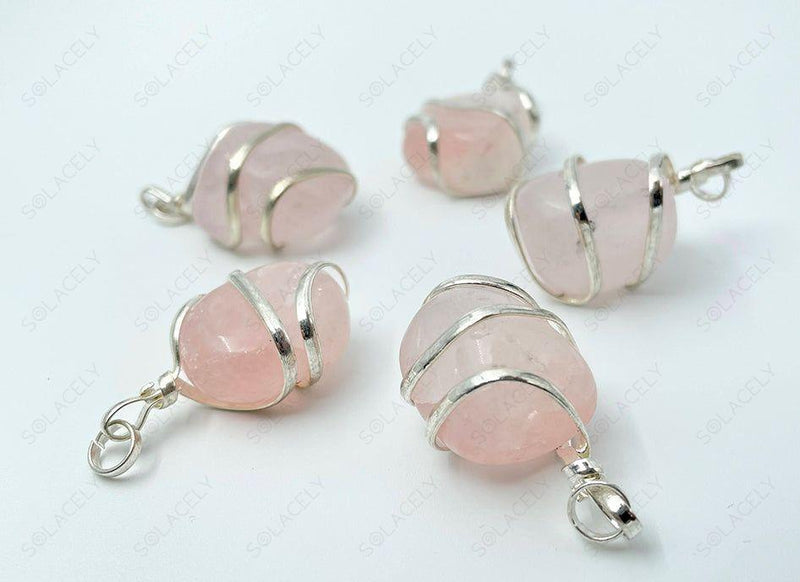
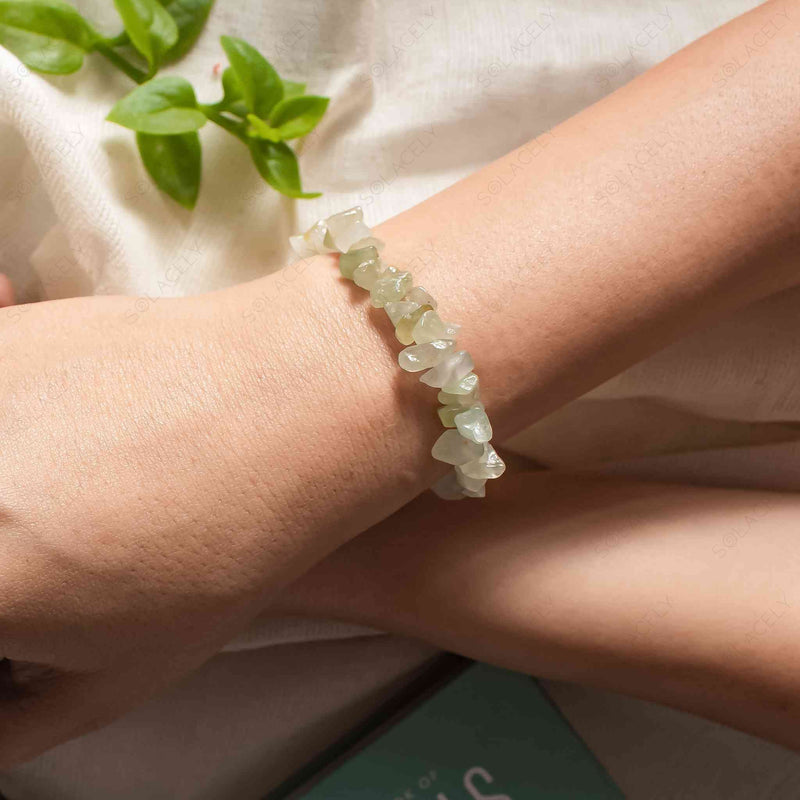
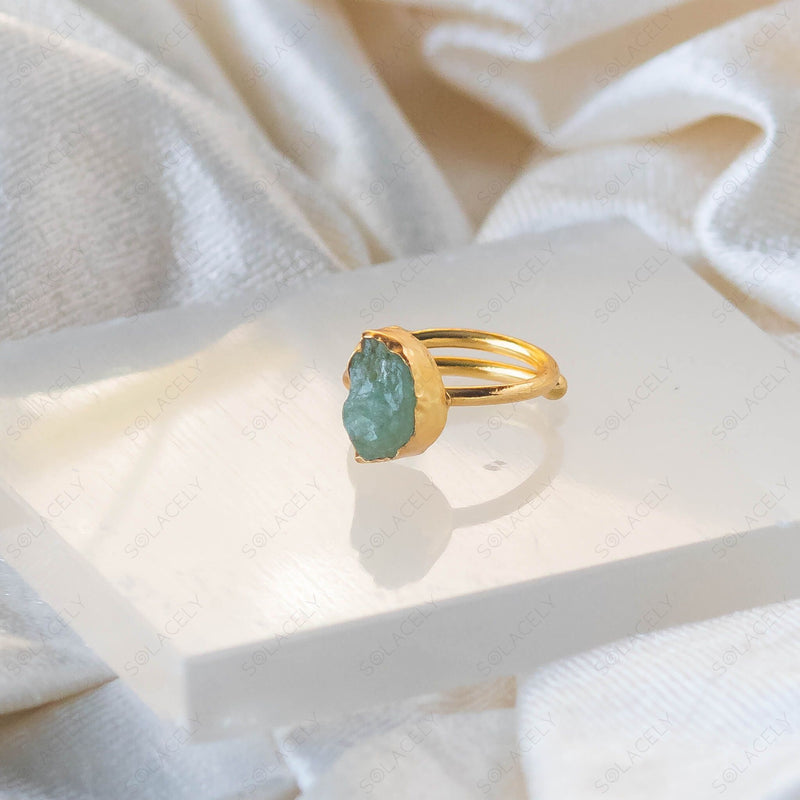
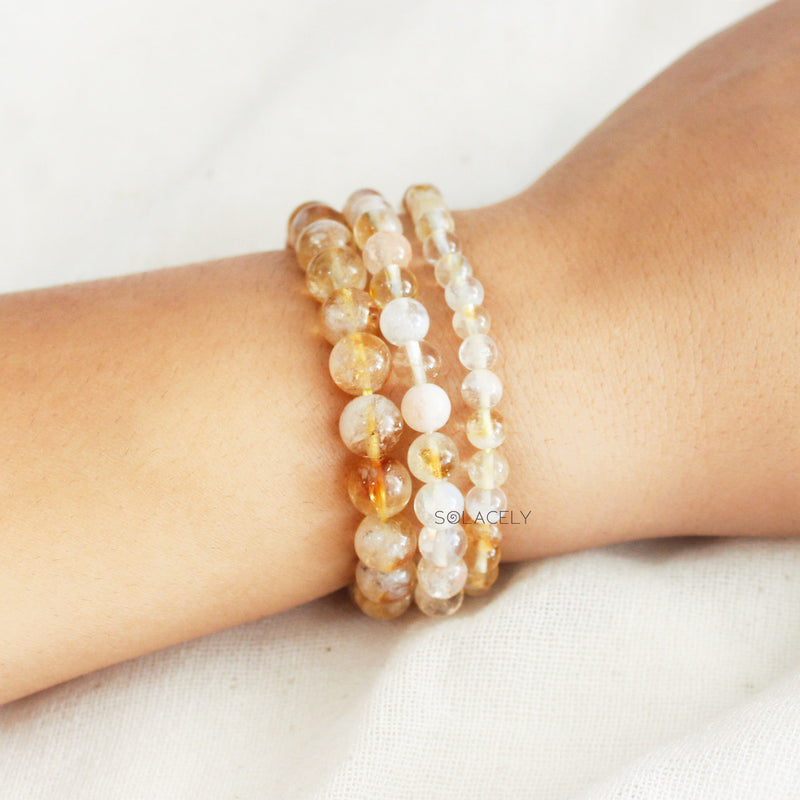
Rose quartz is the stone most people actually reach for. Beside it sit morganite, pink tourmaline, emerald, green aventurine, jade and opal: the pink and green stones that carry Venus's colours in the wider crystal tradition. All of them are easier to come by, and easier to wear every day, than a classical diamond.
| Stone | Colour | Mohs hardness | Traditionally kept for |
|---|---|---|---|
| Rose quartz | Soft pink | 7 | Tenderness and self kindness |
| Morganite | Peach pink | 7.5 to 8 | Warmth in close relationships |
| Pink tourmaline | Pink to raspberry | 7 to 7.5 | Comfort after a hard stretch |
| Emerald | Deep green | 7.5 to 8 | Beauty, growth and refined taste |
| Green aventurine | Mid green | 7 | Ease, opportunity and good humour |
| Jade | Green to creamy white | 6 to 7 | Harmony at home, long partnership |
| Opal | Play of colour on a pale body | 5.5 to 6.5 | Charm, artistry and delight |
Why pink and green? Venus is given both colours in most systems. Pink covers the affectionate, tender side of the planet, and green covers the growing, comfortable, well fed side. Rose quartz and morganite belong to the first group. Emerald, aventurine and jade belong to the second. Opal and pink tourmaline drift between the two, which is a large part of their appeal.
Rose quartz is the entry point for almost everyone, and our guide to rose quartz for love sets out how it is traditionally kept. For the beauty and self presentation side of Venus, our guide to crystals for beauty covers much the same family from a different angle.
Why does Venus rule Taurus and Libra?
In Western astrology Venus rules two signs: Taurus, an earth sign, and Libra, an air sign. Taurus takes the planet's love of comfort, texture, food and steady possession. Libra takes its love of balance, harmony, beauty and partnership. One planet, expressed two very different ways.
That split shows up plainly in the stone lists. Taurus tends towards the green, grounded end: emerald, green aventurine, jade and rose quartz on a heavier chain. Our guide to crystals for a Taurus woman works through that list in detail. Libra tends towards the lighter, more sociable end: opal, morganite, pink tourmaline and lepidolite, usually in something delicate. Our guide to the best crystals for each zodiac sign sets Libra beside the other eleven.
Do you have to be a Taurus or a Libra to wear these? Not at all. Venus sits somewhere in every chart, and people with strong Venus placements gravitate here whatever their sun sign. The stones are kept for the qualities, not for the label on the sign.
How are Venus stones traditionally worn and used?
Friday is the traditional day, and the wrist or the ring finger is the usual place. Most people start a Venus stone on a Friday morning, keep it on through the week, and wear it on the left side when the intention is receptive rather than outgoing. Consistency matters far more than ceremony.
Placement around the home follows the same logic. A pair of rose quartz pieces on the bedside table. A piece of jade or aventurine in the southeast corner of a room. A small dish of tumbles on the dressing table where you get ready in the morning. Venus is the planet of pleasant surroundings, so its stones tend to end up where you spend agreeable time rather than where you work.
A short Friday habit is enough for most people. Rinse the stone, dry it, hold it for a minute and name plainly what you are keeping it for. Fresh flowers, clean sheets, something that smells good: the tradition pairs Venus stones with small acts of care rather than long ritual. The stone keeps the intention in view for the rest of the week.
How do you care for Venus crystals?
Softness is the thing to watch on this list. Opal sits at only 5.5 to 6.5 on the Mohs scale and holds water within its structure, so it can craze in dry heat. Emerald is usually oiled. Both belong well away from ultrasonic and steam cleaners, along with jade and morganite.
Everyday care
Lukewarm water, a drop of mild soap and a soft cloth suits every stone here, followed by proper drying. Store softer pieces in their own pouches rather than loose in a box with harder ones, since diamond at 10 will scratch anything it meets, sapphire included. Rose quartz and the other coloured quartzes prefer to be kept out of prolonged strong sunlight, which can pale them over time.
Opal wants humidity rather than dry air. Keep it off radiators, car dashboards and hot windowsills, and take it off before a long soak in hot water. Jade takes daily wear well but dislikes sudden changes in temperature. Pink tourmaline at 7 to 7.5 copes with most of what a bracelet meets, though the edges of a faceted stone can chip on a sharp knock.
Two practical safety notes stay with every stone in the cabinet. Do not place crystals in water you intend to drink, and keep small tumbles and beads well away from young children and pets, since they present a choking risk. Check bracelet elastic every few months, because a strand that lets go over a tiled floor is how most tumbles get damaged.
Crystals are traditional and spiritual objects, not medical devices. Nothing here is medical advice, and no crystal treats, cures or prevents any condition. Nothing here is financial, legal or relationship advice either. If you have a health concern, please speak to a qualified doctor or healthcare professional, and never delay or stop treatment on the strength of a stone. Keep small stones and beads away from young children and pets, as they present a choking risk, and do not place crystals in water you intend to drink.
Sources
Written by Chetena Sharma. Reviewed by the Solacely editorial team.
Frequently asked questions
About the author


Written by Chetna Sharma, crystal healing practitioner and co-founder of Solacely. Chetna has worked with healing crystals for over a decade and curates Solacely's protective stone collection.