Master number 11 is one of numerology's three master numbers, often called the spiritual messenger or the intuitive. It carries the qualities of the number 2 raised to a higher, more charged frequency: deep intuition, inspiration, sensitivity, and idealism. Unlike ordinary totals, an 11 is left intact rather than reduced to a single digit, which is what marks it as a master number.
Key Takeaways
- 11 is a master number and is kept as 11, not reduced to 2, even though it echoes 2's cooperative, sensitive nature.
- Common nicknames include the spiritual messenger, the intuitive, and the illuminator.
- Core gifts: heightened intuition, inspiration, empathy, and idealism. Core challenges: anxiety, nervous energy, and self-doubt.
- You may carry an 11 if your Life Path from your full birth date totals 11 before final reduction.
- Grounding stones such as amethyst and selenite are traditionally used to steady 11's restless energy.
What does master number 11 mean in numerology?
Master number 11 represents heightened intuition, spiritual awareness, and inspired vision. In numerology it's treated as the most intuitive of all numbers, a channel between everyday life and deeper insight. Numerologists describe 11 as visionary and idealistic, someone who senses what others miss and feels called to inspire or uplift.
The idea that numbers carry meaning is old. According to Britannica's overview of number symbolism, cultures have assigned spiritual significance to numbers for thousands of years, long before modern numerology took shape. Master number 11 sits within that tradition as a symbol of illumination and awakening.
People connected to 11 often report a strong inner compass. They pick up on moods, unspoken tension, and subtle shifts in a room. That radar can feel like a gift and a burden at once, which is one reason 11 is considered such a demanding number to carry well.
If you're new to how these numbers are found, our guide to what a Life Path number is walks through the basics before you go deeper on the master numbers.
Why isn't master number 11 reduced to the number 2?
Master number 11 isn't reduced because numerology treats 11, 22, and 33 as special repeating digits that hold amplified power in their unreduced form. Normally you'd add 1 + 1 to get 2 and stop there. With master numbers, tradition keeps the double digit intact so its heightened, more intense meaning isn't lost.
Think of it this way. The number 2 is gentle, diplomatic, and cooperative. When that energy doubles into 11, it doesn't just get stronger, it changes character. It becomes spiritually charged and far more demanding to live with. Numerologists hold both readings at once: an 11 shows the visionary intensity of the master number and the quieter, partnership-driven core of the 2 underneath.
Isn't it strange that two ones can mean more than a single two? That paradox is exactly why master numbers get their own category. The repetition is the point. Seeing the same digit twice is read as a signal of amplified potential, along with amplified pressure to use it.
The same logic applies to the other master numbers. If you want to compare, see master number 22, the master builder, and master number 33, the master teacher.
What are the traits of a master number 11?
Master number 11 blends visionary strengths with real emotional challenges. Its defining traits are sharp intuition, creative inspiration, deep sensitivity, and a pull toward idealism. Those same qualities, when ungrounded, can tip into anxiety and nervous energy. Numerology frames 11 as high potential paired with high strain, a wiring that rewards balance.
What are the strengths of master number 11?
People with an 11 are often natural inspirers. They lead through insight rather than force, and they tend to sense the emotional truth of a situation quickly. Common strengths include:
- Intuition: a strong gut sense that often proves accurate.
- Inspiration: the ability to spark ideas and hope in others.
- Empathy: genuine attunement to how people feel.
- Idealism: a vision of how things could be better.
- Creativity: imaginative thinking across art, teaching, and healing work.
What challenges does master number 11 face?
The flip side of 11's sensitivity is a nervous system that runs hot. Because they absorb so much, 11s can struggle with anxiety, overwhelm, and self-doubt. Idealism can curdle into disappointment when reality falls short. Many 11s also wrestle with indecision, swinging between grand vision and hesitation because they feel every angle so intensely.
In practice, the work of an 11 is grounding. Sleep, routine, boundaries, and steady creative outlets tend to help far more than pushing harder. When an 11 stays regulated, that intense radar becomes a clear signal rather than static.
How do you know if you have master number 11?
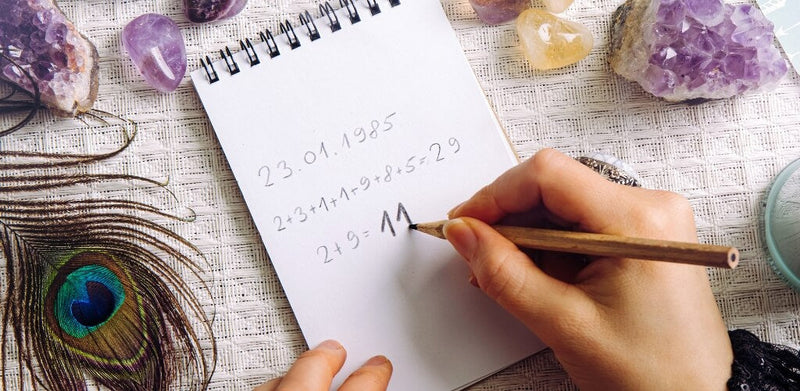
You carry master number 11 when your Life Path number, calculated from your full birth date, totals 11 before it would be reduced to a single digit. The Life Path is the most common place an 11 shows up, though it can also appear in your name-based numbers. The key is that the running total reaches 11 or 29 at a meaningful step.
Here's a clean way to check your Life Path:
- Step 1: Write your birth date as numbers, for example 29 / 09 / 1990.
- Step 2: Reduce each part. Day: 2 + 9 = 11 (a master number, keep it). Month: 0 + 9 = 9. Year: 1 + 9 + 9 + 0 = 19, then 1 + 9 = 10, then 1 + 0 = 1.
- Step 3: Add the parts: 11 + 9 + 1 = 21, then 2 + 1 = 3. In this example the final Life Path is 3, but the 11 appearing in the day is still read as an active master influence.
An 11 Life Path specifically appears when the full total lands on 11 (or on 29, which sums to 11) at the final step. If math isn't your favorite, our Life Path number calculator does the reduction for you and flags any master numbers.
How does master number 11 relate to the number 2?
Master number 11 always carries the number 2 as its foundation, because 1 + 1 equals 2. Numerologists read the two together: 11 is the visionary, high-frequency expression, while 2 is the grounded, relational base beneath it. An 11 that feels overwhelmed can often steady itself by leaning into simple, 2-like qualities: partnership, patience, and cooperation.
The number 2 is associated with harmony, diplomacy, and sensitivity to others. Those threads run right through the 11 personality, which is why so many 11s are peacemakers and connectors. The difference is intensity. Where a 2 seeks quiet balance, an 11 feels driven to inspire on a larger scale, sometimes at the cost of their own calm.
Understanding both layers helps. When the visionary 11 energy gets exhausting, returning to the steady 2 underneath is a practical reset. Crystals traditionally chosen for the 2 energy overlap with those used for the 11, which you can explore in our post on crystals for Life Path number 2.
Which crystals traditionally support a master number 11?
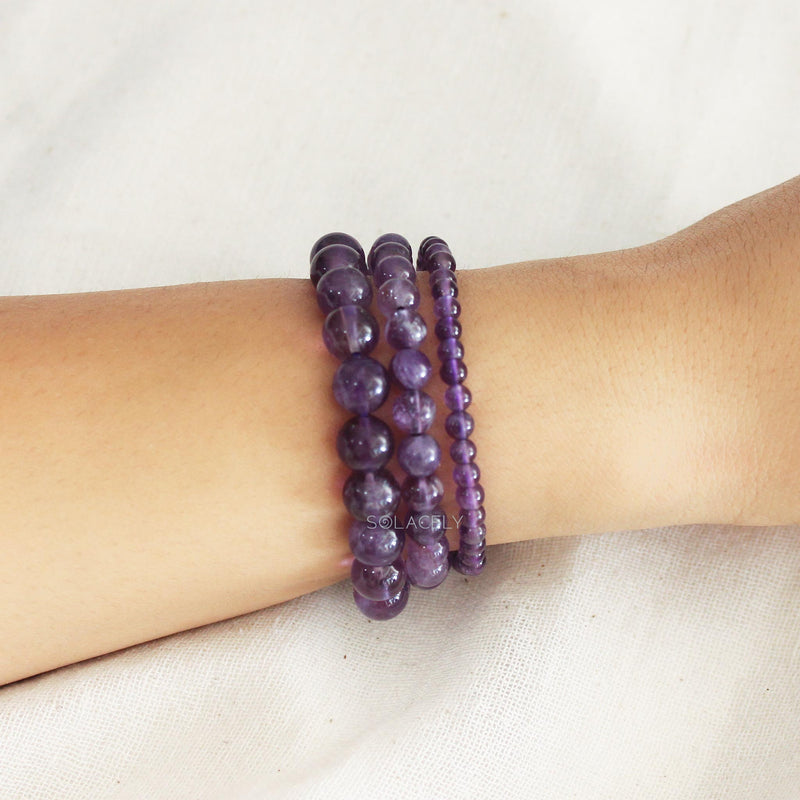
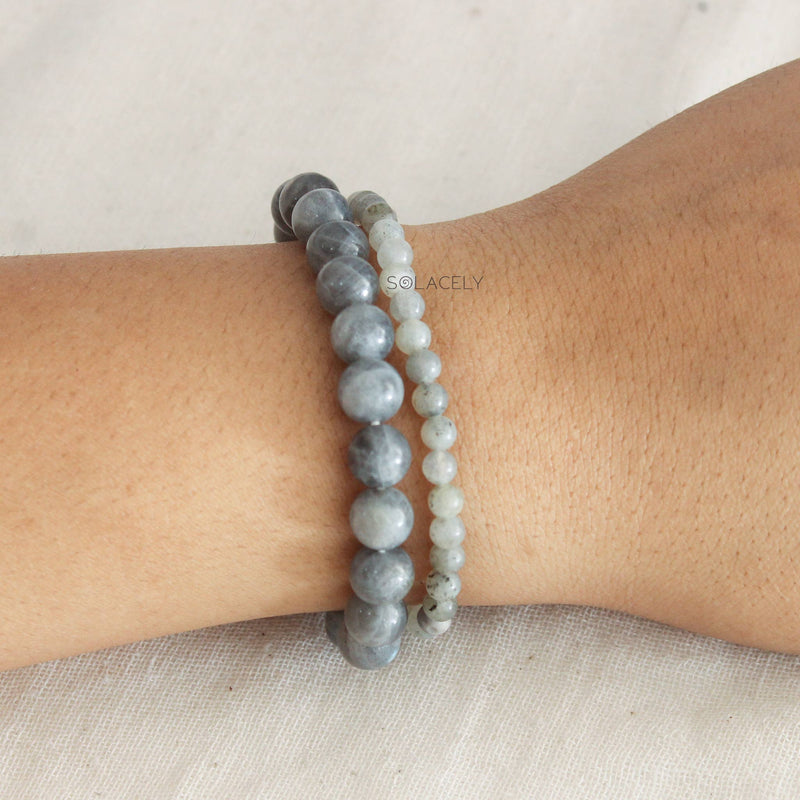
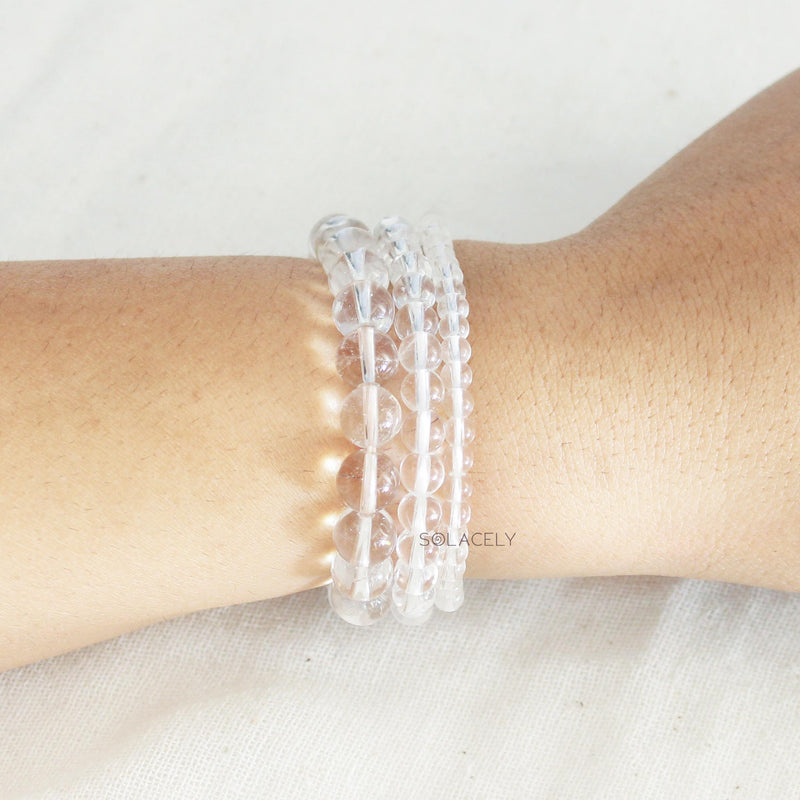
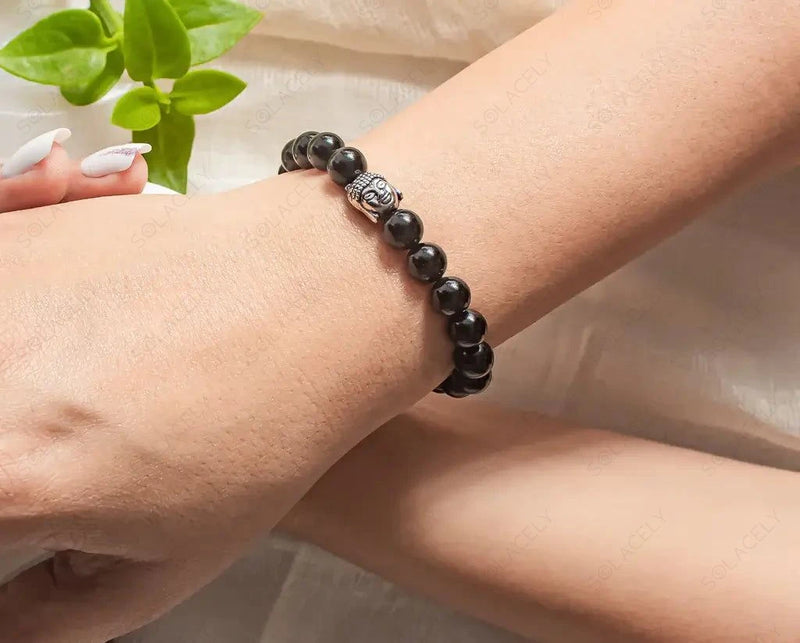
Crystal traditions pair master number 11 with grounding, intuition-friendly stones: amethyst, selenite, labradorite, and clear quartz. These aren't cures for anxiety, they're focus tools some practitioners use during meditation or reflection to steady 11's restless energy. The goal is grounding an already sensitive, intuitive nature so it feels less like static.
Here's how each stone is traditionally used:
| Stone | Traditional use for 11 |
|---|---|
| Amethyst | Calm, sleep support, quieting an overactive mind |
| Selenite | Mental clarity and clearing before intuitive work |
| Labradorite | Protecting sensitive energy; supporting insight |
| Clear quartz | Focus and amplifying intention during reflection |
A note on the mineralogy behind two favorites. According to the GIA, amethyst is the purple variety of quartz that gets its color from trace iron and irradiation. Labradorite's flashing play of color, called labradorescence, is well documented on Mindat and comes from light scattering inside the stone's internal structure, not from any spiritual property.
If you'd like a ready-made set, Solacely's calming amethyst and selenite pieces are a gentle starting point for anyone drawn to the 11 path. Keep expectations simple: use them as reminders to slow down, not as a substitute for real rest and support.
Sources
Frequently asked questions
About the author


Written by Chetna Sharma, crystal healing practitioner and co-founder of Solacely. Chetna has worked with healing crystals for over a decade and curates Solacely's protective stone collection.