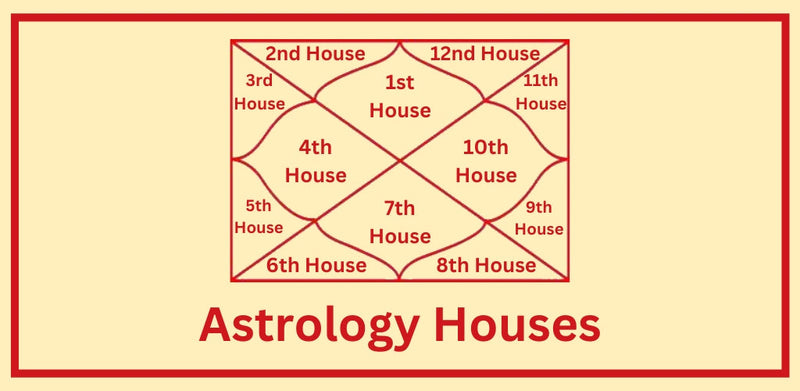
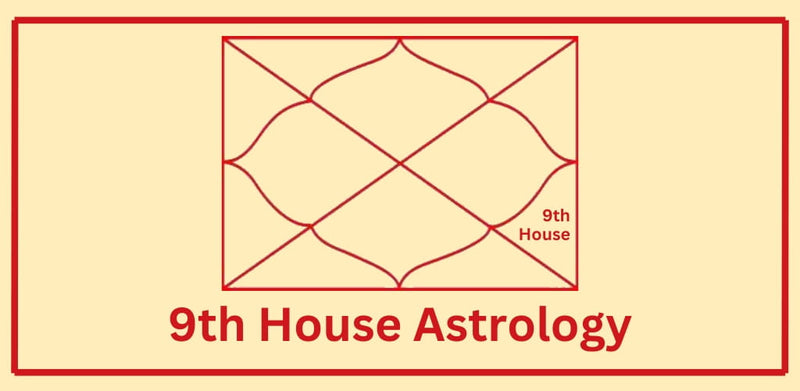
The tenth house in astrology is the house of career, reputation and public standing. It describes what you are known for and the direction your working life is visibly heading, rather than the daily tasks of a job. Its cusp is the Midheaven, the highest point in the chart. Linked to Capricorn and ruled by Saturn.
Key Takeaways
- The tenth house covers career, ambition, reputation, authority and how the world sees your work.
- Its cusp is the Midheaven (MC), the highest point the Sun reached on your birth day, sitting at the top of the chart wheel.
- Its natural sign is Capricorn and its natural ruler is Saturn, which brings discipline, structure and slow-built authority.
- In Vedic astrology it is Karma Bhava, the house of action and profession, and one of the four strong angular houses.
- The sixth house is your job; the tenth is your career. They are not the same and often diverge sharply.
- Astrology is a reflective tradition, not prediction. Nothing here forecasts success, income or career outcomes.
What the tenth house governs
The tenth house handles your public life: profession, ambition, reputation, status and authority. It sits at the very top of the chart, the most visible point in the wheel, which is exactly how it is read. This is the part of you that other people can see from a distance.
The distinction from the sixth house is the one worth getting right. The sixth is the job: the tasks, the colleagues, the commute, the conditions. The tenth is the career: what it adds up to, what it says about you, where it is going. Someone can have an admired tenth house and a wretched sixth, grinding through days they hate in a role that looks impressive. The reverse is just as common and often happier.
According to Encyclopaedia Britannica, the twelve-house horoscope descends from Hellenistic astrology, and this segment carried themes of honour, office and public reputation from the beginning. For the full map, see our guide to the 12 astrological houses.
The Midheaven: the top of your chart
The cusp of the tenth house is the Midheaven, also called the Medium Coeli or MC. Astronomically it is the highest point the Sun reached on the day you were born, the culmination of its arc. In the chart wheel it sits at the top, directly above the Ascendant on the horizon.
Because it is calculated from your exact birth time, the Midheaven moves quickly. A couple of hours' error will shift it into a different sign entirely, which is why career readings depend on an accurate birth time more than almost anything else in a chart.
The traditional reading is that the Midheaven describes your vocation and your public face: not just what job you do but what you are for, in the eyes of others. It is often experienced as a direction rather than a destination, the thing you keep moving toward across decades.
Its opposite point is the Imum Coeli at the base of the chart, the cusp of the fourth house of home and roots. Tradition reads the pair as the private foundation and the public structure built on it. Our guide to the fourth house covers the other end.
Karma Bhava: the tenth house in Vedic astrology
In Indian astrology the tenth house is Karma Bhava, the house of action. The name is exact: karma here means deeds, the work you do in the world, and the house governs profession, status, authority, honour and public conduct.
It is a kendra, one of the four angular houses, and is counted among the strongest positions in a chart. Classical texts read a well-placed tenth as a marker of professional standing and recognised achievement. Some schools also assign the mother to this house, where Western practice usually places a parent at the fourth.
The Vedic emphasis is subtly different from the Western one. Where modern Western astrology reads the tenth as vocation and self-realisation through work, Jyotish reads it more plainly as deeds and their consequences: what you do, and what follows from having done it.
Planets in the tenth house
Because the tenth is angular, planets here are read as strongly emphasised. Whatever the planet governs tends to become publicly visible and bound up with reputation.
| Planet in the 10th | Traditional reading |
|---|---|
| Sun | Identity fused with career; a strong drive to be recognised for what you do |
| Moon | Public life tied to feeling; work that involves caring for or reaching people |
| Mercury | A career built on communication: writing, teaching, analysis, negotiation |
| Venus | Work involving beauty, diplomacy or relationships; a well-liked public presence |
| Mars | Driving ambition and competitive energy; leadership, and a risk of burning out |
| Jupiter | Expansive career growth; teaching, law, publishing, or work with a moral dimension |
| Saturn | At home here; slow, durable authority earned through long effort and responsibility |
| Uranus | An unconventional career path; poor fit for hierarchy, drawn to reform or invention |
| Neptune | Vocation as calling; artistic or caring work, sometimes an unclear professional direction |
| Pluto | Power and transformation in public life; careers that get rebuilt from the ground up |
None of these is a prescription. A tenth-house Saturn does not mean decades of thankless grind, and a tenth-house Neptune does not doom anyone to drift.
The sign on your Midheaven
Everyone has a sign on the Midheaven, and for most people it is more useful than any planet, because it describes the tone of the public role that will actually fit.
Fire signs on the MC (Aries, Leo, Sagittarius) suggest visible, expressive work with room to lead or perform. Earth signs (Taurus, Virgo, Capricorn) point to competence, craft and institutions; reputation built on reliability. Air signs (Gemini, Libra, Aquarius) suit careers of ideas, communication and networks. Water signs (Cancer, Scorpio, Pisces) do best where the work has emotional meaning, in care, art, or anything requiring depth.
A practical question: what would you want said about your work by someone who did not know you personally? The Midheaven sign usually describes the answer you would find satisfying, which is worth knowing before you spend a decade chasing a different one.
Crystals traditionally paired with the tenth house
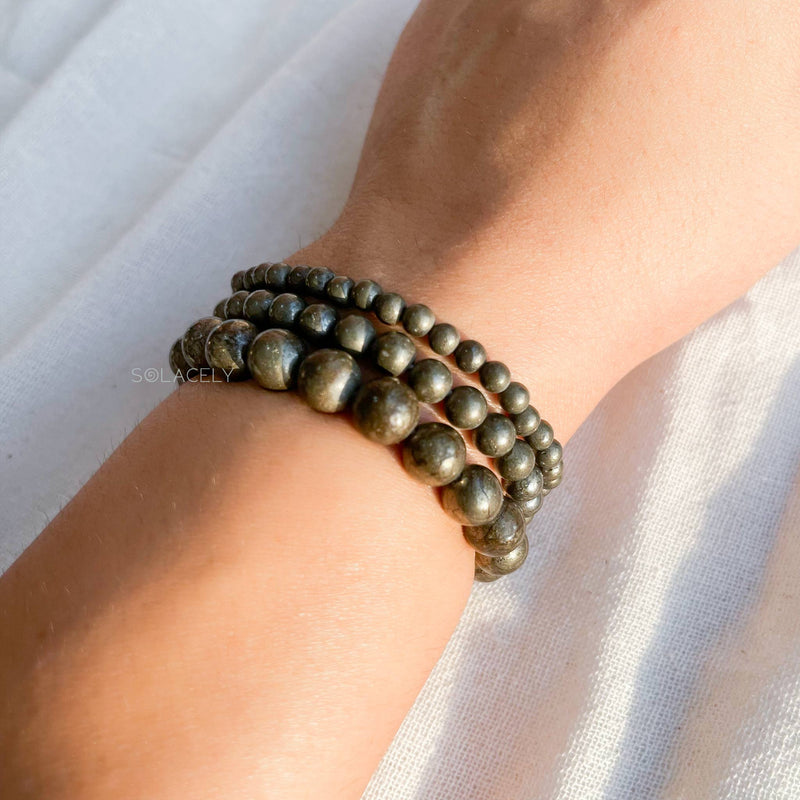
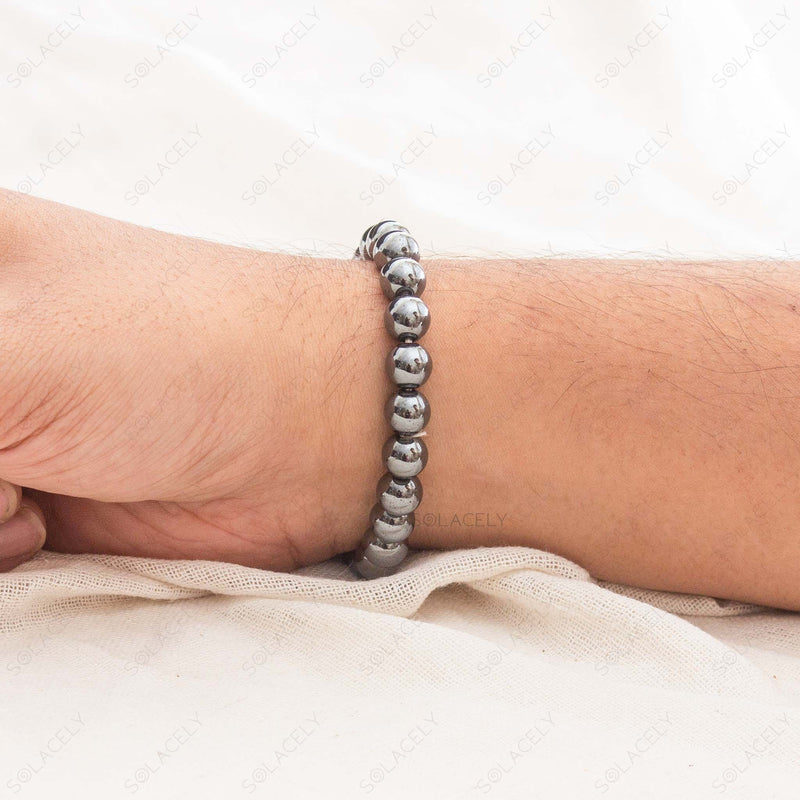
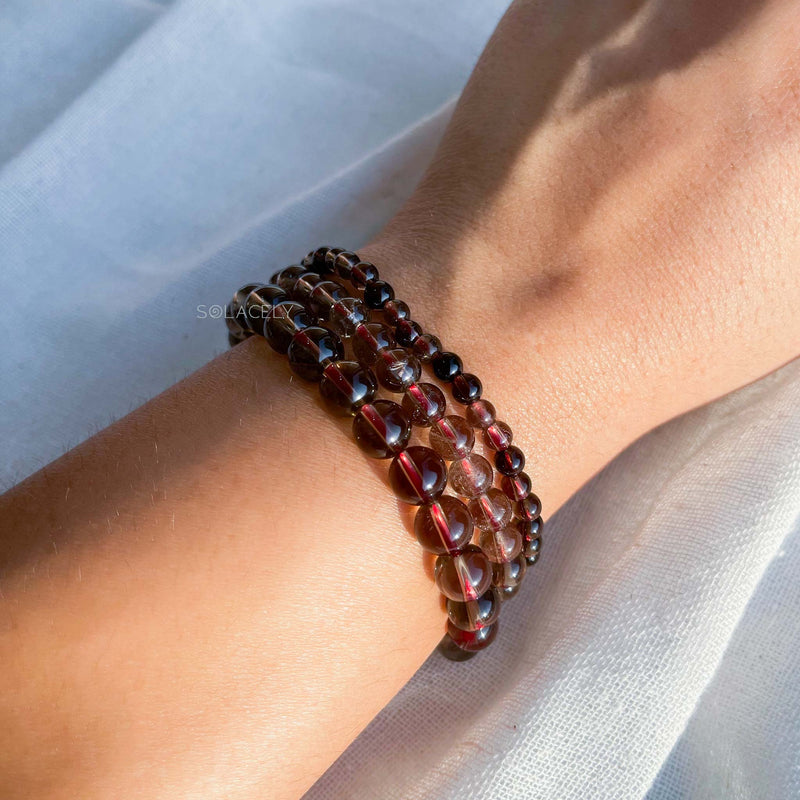
Because the tenth house is Saturn-ruled and concerned with ambition and standing, the stones associated with it are those linked to drive, focus and composure: pyrite, citrine, hematite, black tourmaline and tiger's eye. In crystal tradition they are kept on a desk or worn as a working-day cue.
| Crystal | Traditional tenth-house association |
|---|---|
| Pyrite | Drive, confidence and professional will |
| Citrine | Optimism and abundance; keeping ambition warm rather than grim |
| Hematite | Composure and steadiness under public pressure |
| Black tourmaline | Boundaries and protection in demanding working environments |
| Tiger's eye | Focus and courage for visible, high-stakes work |
Pyrite's nickname, fool's gold, comes from its metallic lustre and pale brassy colour, which is exactly why crystal tradition attached it to ambition and worldly success. One stone where you work is enough. For the sign that shares this house's discipline, see our guide to crystals for Capricorn.
Working with your tenth house
The tenth house is where ambition meets the question of whether it is your ambition. Saturn's involvement gives it a particular flavour: this is the slowest house in the chart, and its rewards are supposed to arrive late rather than early.
- Separate the career from the job. If the tenth looks good and the sixth feels awful, the problem is the daily conditions, not the direction.
- Check whose standard you are meeting. Reputation is other people's opinion. The tenth house works best when the public role also satisfies you privately.
- Expect it to be slow. Saturn's traditional promise is durability, not speed. Authority in this house is built over years.
- Mind the fourth house. The axis runs from home to career. A tenth house pursued at the total expense of the fourth is the classic imbalance.
- Take the Midheaven seriously. Of everything in a chart, this is the point most worth reading properly, and it needs an accurate birth time.
The house directly opposite is the fourth, home and roots. Tradition reads the axis as the fundamental trade between private life and public standing. The ninth house of belief sits just below, and the eleventh house of community and hopes follows above.
Sources
- Encyclopaedia Britannica, astrology: the horoscope and the house system. britannica.com
- Encyclopaedia Britannica, horoscope, the chart of the heavens and its twelve houses. britannica.com
- Encyclopaedia Britannica, pyrite, the iron sulfide mineral known as fool's gold. britannica.com
Frequently asked questions
About the author


Written by Chetna Sharma, crystal healing practitioner and co-founder of Solacely. Chetna has worked with healing crystals for over a decade and curates Solacely's protective stone collection.