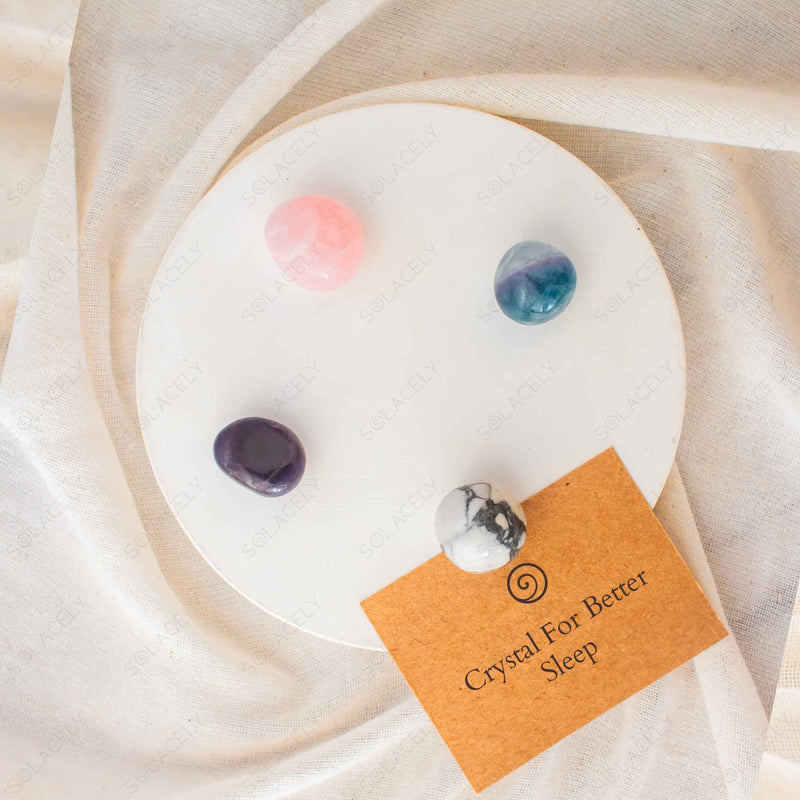
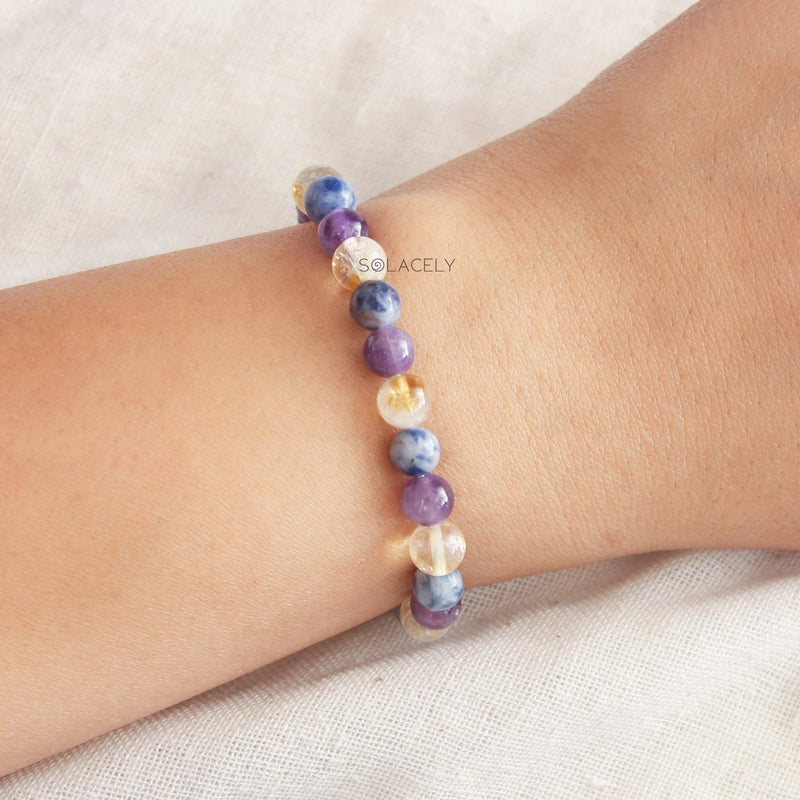
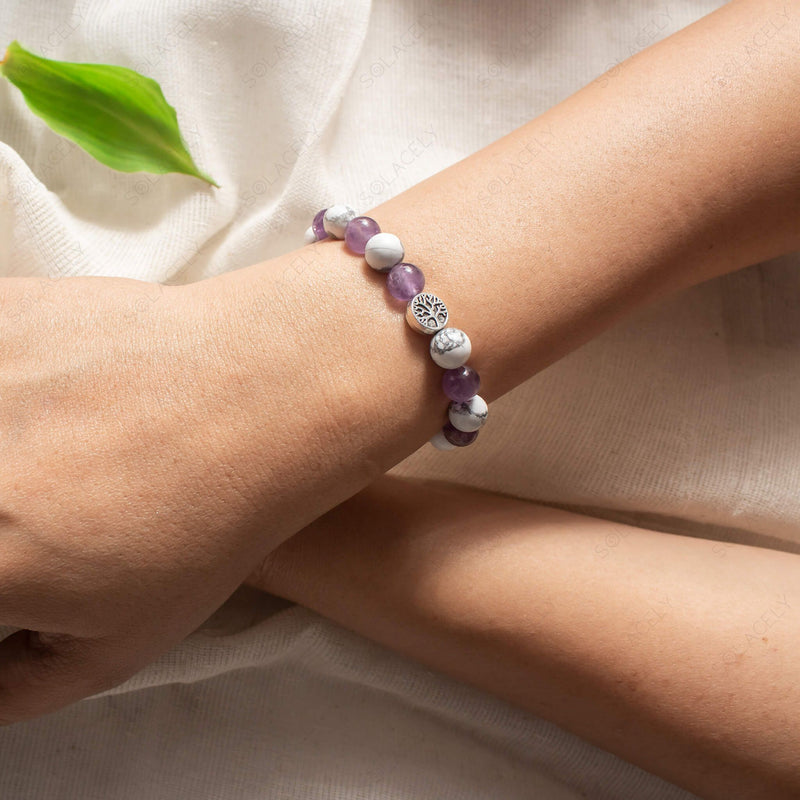
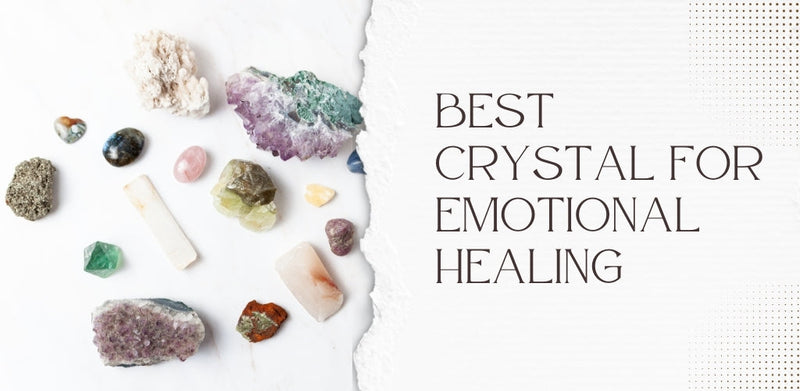
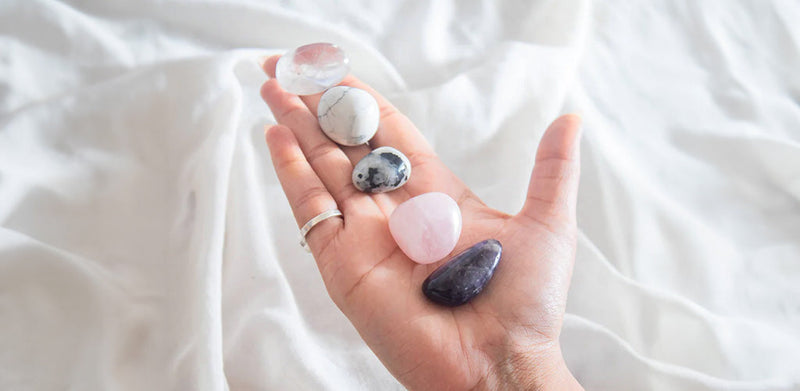
Amethyst, rose quartz, lepidolite, howlite and clear quartz are the stones people keep through a painful stretch. Pain is treated by a clinician, and that is the route that addresses it. What a stone offers alongside is something to hold during the hard hours, and a cue to slow your breathing.
Key takeaways
- Comfort stones: amethyst, rose quartz, lepidolite, howlite, clear quartz.
- New, severe or worsening pain is a doctor's appointment. Book it first.
- The practice is slow breathing with something to hold, in for four and out for six.
- Keep it within reach of where the hard hours happen.
- Lepidolite and howlite are soft. Keep lepidolite out of water entirely.
- A comfort object sits beside your care, never in place of it.
Start with the appointment
Pain is information, and the people equipped to read it are clinicians. Anything new, severe, worsening, or lasting more than a few days needs an appointment. Sudden chest pain, a severe headache unlike your usual, or pain following an injury needs urgent care rather than a wait.
That is the first and most important thing on this page. What follows is about the hours in between appointments, and about living alongside something that has already been assessed.
Why people reach for a stone at all
Long or recurring pain is wearing in a way that is hard to describe to anyone who has not had it. The hours are long, the nights are longer, and a great deal of the difficulty is the waiting.
A comfort object gives those hours a small piece of structure. Something to hold, something to do with your hands, a cue to breathe more slowly rather than shallow and fast. Relaxation techniques of that kind are well supported for stress and sleep, and slow breathing with a long exhale is the simplest of them.
That is a modest thing and it is offered here as exactly that. It sits beside proper treatment, and it is company rather than care.
The five stones
| Stone | Traditionally kept for | Care note |
|---|---|---|
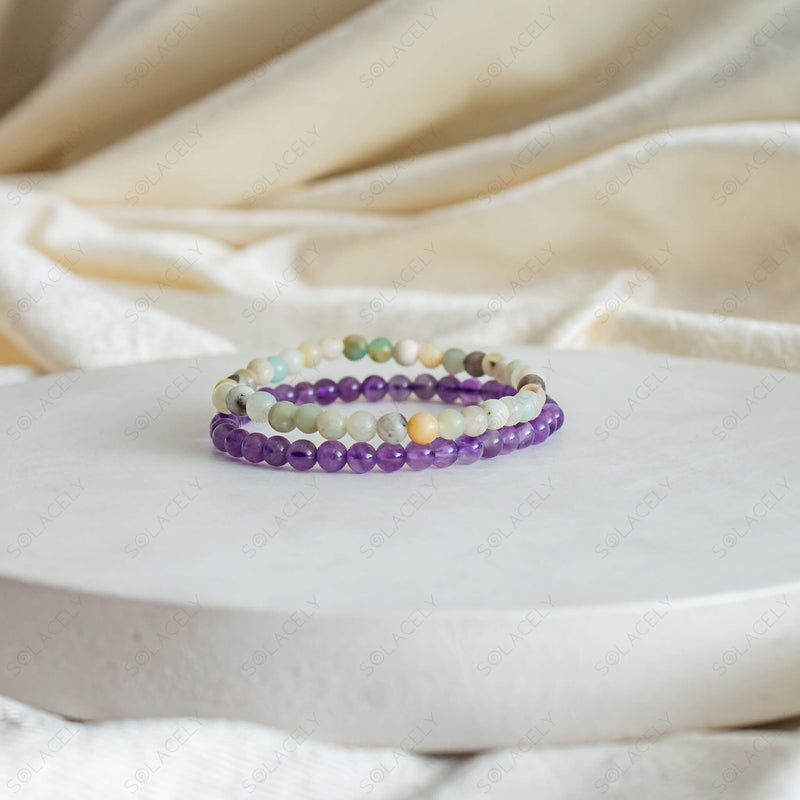
| Amethyst | The nights, when pain keeps you awake | Fades in sun |
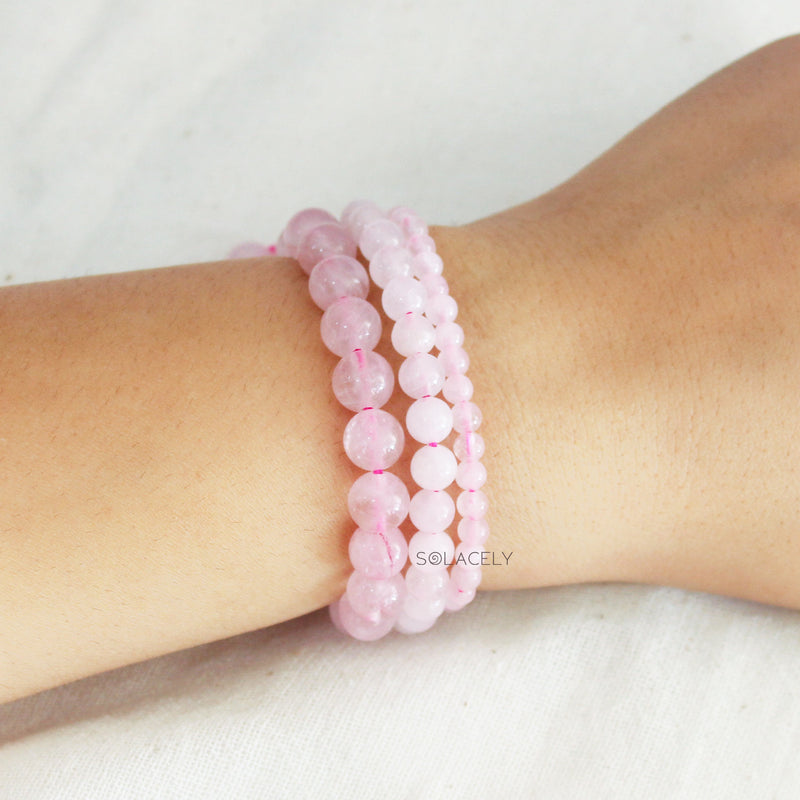
| Rose quartz | Self kindness through a long stretch | Fades in sun |
| Lepidolite | The emotional churn that comes with it | Soft mica, keep dry |
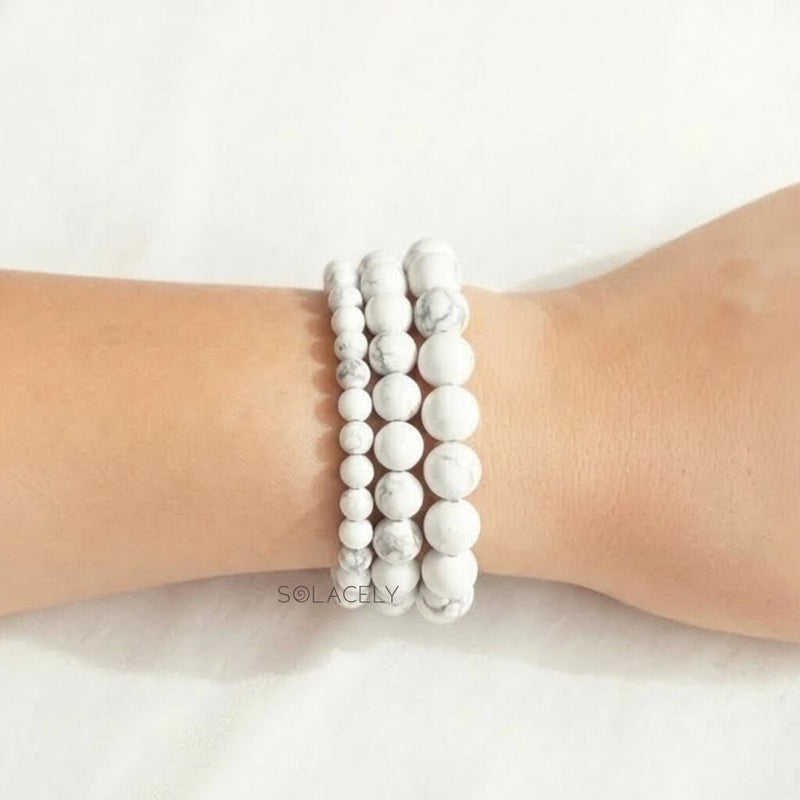
| Howlite | Tension before appointments | Soft at 3.5, scuffs easily |
| Clear quartz | The all rounder, most robust of the five | None |
These all belong to the calming group. None of them belongs to a treatment tradition, and the reason they appear on this page is that difficult hours are easier with something steadying to hand.
The ninety second routine
- Hold the stone in one hand, thumb on the flattest face.
- Breathe in through the nose for a count of four.
- Breathe out through the mouth for a count of six.
- Move your thumb once across the surface on each exhale.
- Ten breaths, then stop.
The longer exhale is the part that settles you. The thumb movement gives restless attention somewhere concrete to go, which makes the count far easier to hold than breathing alone.
Where to keep it
Within reach of where the difficult hours happen. A bedside table if the nights are worst. A pocket if you are managing through a working day. Beside the chair you sit in when you need to stop.
A stone kept in another room gets admired and never used, and the whole value here is being able to reach for it without getting up. One stone, one fixed place.
Handling the softer ones
Lepidolite is a mica, soft and built in layers, and water works into those layers and lifts them. Wipe it with a dry cloth and cleanse it with sound or smoke rather than water. Howlite is soft at around 3.5 and will scuff with daily carrying, which is normal rather than damage.
Amethyst and rose quartz both soften in colour with sustained direct sunlight, so keep them off a bright windowsill. Clear quartz is the most robust of the five and needs nothing special.
What else helps
Sleep, gentle movement where your clinician says it is safe, and not managing it alone. Long term pain is isolating, and people who stay connected to friends, family or a support group generally do better than people who withdraw.
If low mood has come along with the pain, which is common, that is worth raising at your next appointment too. Our guides to crystals for calming and crystals for emotional healing cover the same comfort practice from other angles.
The uses described here reflect traditional and cultural crystal practice, shared for reflection. Crystals are not a medical treatment and do not diagnose, treat, cure, relieve or prevent any condition, including pain. Never delay, replace or stop medical care or prescribed medication. Pain that is new, severe, worsening or unexplained should be assessed by a qualified healthcare professional, and sudden chest pain, severe headache or pain after an injury needs urgent medical attention.
Sources
- NCCIH, Relaxation Techniques: What You Need To Know
- NCCIH, Meditation and Mindfulness: What You Need To Know
Written by Chetena Sharma. Reviewed by the Solacely editorial team.
Frequently asked questions
About the author


Written by Chetna Sharma, crystal healing practitioner and co-founder of Solacely. Chetna has worked with healing crystals for over a decade and curates Solacely's protective stone collection.