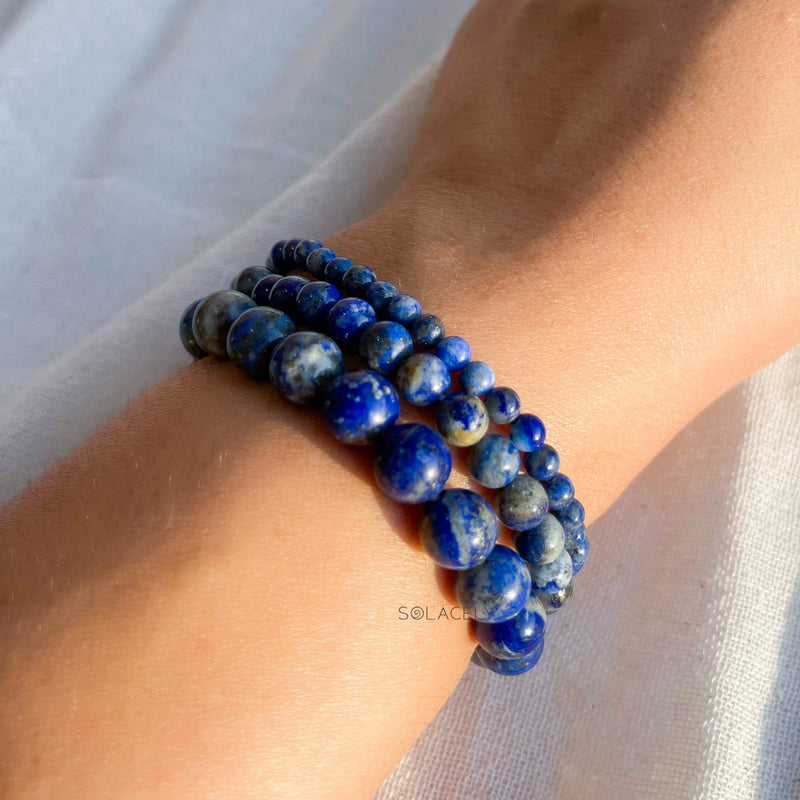
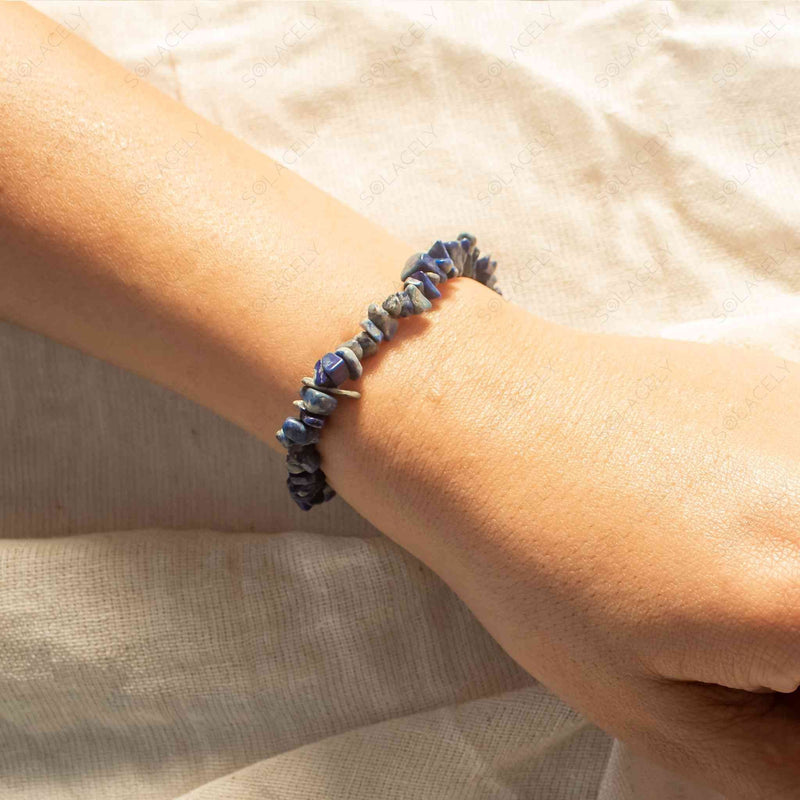
September's birthstone is sapphire. It is the blue variety of corundum, rated 9 on the Mohs scale and second only to diamond in hardness, which is why it survives generations of daily wear. Lapis lazuli appears as an older alternative in some traditional lists, but sapphire is the modern standard.
Key takeaways
- Sapphire is the modern September birthstone, with lapis lazuli named in some older traditional lists.
- It is corundum, the same mineral as ruby. Red corundum is called ruby; every other colour is sapphire.
- At 9 on the Mohs scale it is the second hardest gem material after diamond, making it ideal for everyday rings.
- Sapphire comes in almost every colour, including the rare pinkish orange padparadscha.
- Heat treatment is routine and should be disclosed. Untreated stones command a substantial premium.
Why sapphire is September's stone
Sapphire has been the recognised September birthstone since the modern list was standardised in the early twentieth century, and it carried strong associations long before that. In medieval Europe it was linked to the clergy, to truth telling, and to protection on a journey, which is roughly where its modern reputation for wisdom and constancy comes from.
The colour is a large part of the story. A deep, slightly velvety blue is the shade most people picture, and it is the one that historically carried the associations with sincerity and faithfulness. That symbolism is cultural convention rather than anything demonstrable, but it is old and consistent enough to be worth knowing.
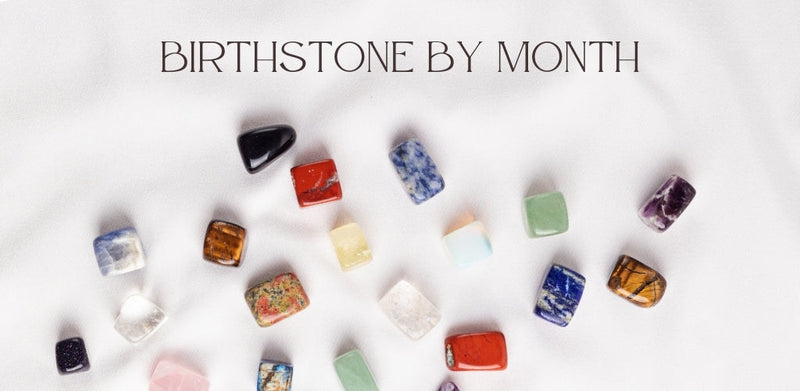
If you want the full twelve month set rather than one stone, the birthstones by month guide lays out both the modern and traditional lists side by side.
What sapphire actually is
Sapphire is corundum, an aluminium oxide, and so is ruby. The only difference between them is trace chemistry: chromium produces red and that stone is called ruby, while iron and titanium produce blue and every non-red colour is called sapphire. Geology.com describes corundum as an extremely hard mineral rated 9 on the Mohs scale.
That hardness is the practical headline. A sapphire ring worn daily for decades will still look sharp, which is more than can be asked of softer stones like opal or moonstone. It is also why sapphire is used industrially for watch crystals and scratch resistant screens.
The Gemological Institute of America notes that sapphire occurs in a wide range of colours beyond blue, including yellow, green, pink, purple and colourless, and that the rare pinkish orange variety known as padparadscha is among the most prized of all.
Colour, origin, and what drives price
Blue sapphire price is driven overwhelmingly by colour, then clarity, then origin. The most valued blue is a strong, saturated tone that is neither so dark it reads black in low light nor so pale it looks washed out. That middle range is what the trade calls vivid.
Origin genuinely matters in this market, unusually so. Kashmir sapphires, mined for only a few decades in the nineteenth century, command extraordinary premiums for a velvety texture created by microscopic inclusions. Burmese and Ceylon material also carry name recognition, while Madagascar has become a major modern source.
| Factor | What to look for | Why it matters |
|---|---|---|
| Colour | Saturated medium blue, even across the stone | The single biggest driver of value |
| Clarity | Eye clean at arm's length | Fine silk inclusions can improve texture, large ones do not |
| Cut | Even, no dark window in the centre | Poor cutting kills brightness regardless of colour |
| Treatment | Stated on the invoice | Heat is routine; diffusion and filling are not the same thing |
| Origin | Report from an independent lab | Kashmir and Burmese material carry large premiums |
Treatment: what is normal and what is not
Almost all commercial sapphire is heat treated. Controlled heating improves colour and clarity, the practice is centuries old, and the trade considers it standard and permanent. It should still be disclosed, and untreated stones with good colour sell for considerably more.
Two other treatments deserve more caution. Lattice diffusion introduces elements at the surface to create or deepen colour, and if the stone is later recut the colour can be lost. Fracture filling with glass strengthens badly included material and leaves a stone that is far more fragile than its hardness suggests, and it will not survive ultrasonic cleaning.
The rule is simple. Ask what treatment the stone has had, ask for it in writing, and for anything expensive ask for an independent laboratory report. A seller who cannot answer plainly is telling you something.
Lapis lazuli, the traditional alternative
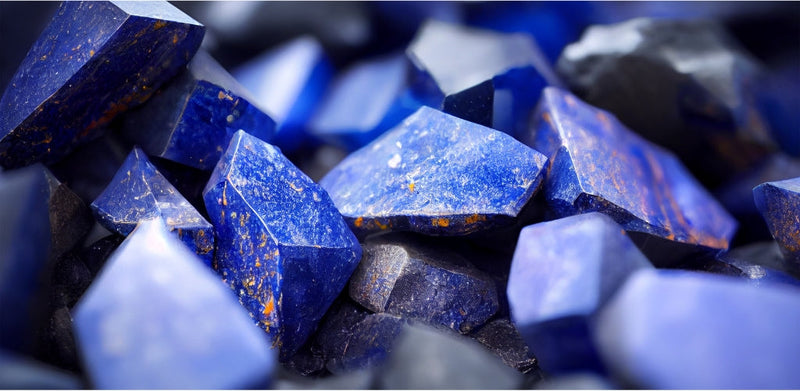
Several older birthstone lists name lapis lazuli for September, and it still appears as an alternative today. It is a rock rather than a single mineral, composed mainly of lazurite with flecks of golden pyrite and white calcite, and it has been mined in Afghanistan for thousands of years.
It is a completely different proposition to wear. Lapis is soft, around 5 to 5.5 on the Mohs scale, and porous, so it should be kept away from chemicals and never soaked. It also gets dyed frequently, which is worth asking about. The lapis lazuli guide covers this properly.
Choose between them on use rather than tradition. Sapphire for a ring you will never take off, lapis for a pendant with visual character and a much lower price.
Caring for a sapphire
Sapphire is genuinely low maintenance. Warm soapy water and a soft brush is all it needs, and its hardness means it tolerates handling that would damage most stones. Rinse and dry it properly, since soap film is the usual reason a sapphire looks dull rather than any damage.
The one caveat is treatment dependent. Ultrasonic and steam cleaners are fine for untreated and simply heated stones, but they can damage fracture filled material. If you do not know what your stone has had done to it, stick to soap and water.
Store it away from softer stones, because at 9 on the Mohs hardness scale a sapphire will scratch almost everything else in a jewellery box. If you are collecting across months, the neighbouring October birthstone and August birthstone guides follow the same format.
Sapphire beyond blue
Fancy sapphire, which is the trade term for every colour other than blue, is worth knowing about because it is often better value. Yellow, green, teal, peach and grey sapphires all carry the same hardness and the same September credentials, and they typically cost a fraction of an equivalent blue.
Two categories stand out. Padparadscha, a delicate pinkish orange, is among the most expensive of all sapphires and the name is strictly policed by laboratories. Colour change sapphire shifts from blue in daylight toward purple under incandescent light, an effect caused by trace vanadium.
Teal and parti sapphires, which show two or three colours in a single stone, have become popular for engagement rings in recent years. They are usually untreated Australian or Montana material, which appeals to buyers who want a documented, minimally processed stone rather than the traditional Ceylon blue.
Star sapphire and the effect behind it
Star sapphire shows a six rayed star that glides across the dome as the stone moves. The effect, called asterism, comes from needle-like rutile inclusions arranged in three intersecting directions within the corundum. Light reflects off those needles and forms the rays.
It only appears in cabochon cut stones, because the dome is what focuses the reflection, and it requires a single strong light source to show properly. Under diffuse office lighting a star sapphire looks flat, which surprises people who bought one under a jeweller's spotlight.
The material is necessarily included rather than eye clean, so it is judged on entirely different criteria to a faceted sapphire: sharpness of the star, how well centred it is, and whether all six rays are of even length.
The traditional meanings described here reflect cultural and historical belief around gemstones. They are not medical claims and are not a substitute for professional healthcare or advice. Gemstone value assessments in this article are general guidance, not a valuation; for anything significant, obtain an independent laboratory report.
Sources
Written by Chetena Sharma. Reviewed by the Solacely editorial team.
Frequently asked questions
About the author


Written by Chetna Sharma, crystal healing practitioner and co-founder of Solacely. Chetna has worked with healing crystals for over a decade and curates Solacely's protective stone collection.