A high-end corporate gift is a premium, well-made object chosen for a specific recipient rather than pulled from a bulk catalogue. The right pick depends on two things: the tier of the relationship and the impression you want the object to leave a year later. A modest desk crystal suits a whole team; a single statement specimen suits a key client or a member of the leadership group. Get that match right and the budget almost sets itself.
Key Takeaways
- Decide the relationship tier first (team, key client, leadership), then set the budget to match it. Doing it the other way round is why gifting goes generic.
- Three practical tiers: a premium team piece, an executive piece for key clients and managers, and a statement piece for leadership and top accounts.
- Buy fewer and better for clients and leaders. Standardise one tasteful piece across a large team.
- Displayed objects such as crystal trees, singing bowls and geodes outlast consumables, so the cost per impression is usually lower.
- Order three to four weeks ahead for the festive peak, and earlier still if you need engraving or curated packaging.
What counts as a high-end corporate gift?
A high-end corporate gift is a premium item that reads as considered rather than promotional. The material, the weight and the finish carry the impression, not a printed logo. That is the whole distinction, and it is worth stating plainly because the phrase gets stretched to cover branded mugs and diaries.
It should not. A genuine premium gift survives the desk test: a year later it is still in view, still used or displayed, because it is worth keeping. That quality of permanence is what separates a gift from swag, and it is not a function of price alone. A well-chosen mid-tier object beats an expensive one that nobody wants on their desk.
This guide is about concrete picks by tier. For the strategy and positioning behind premium gifting, our companion piece on luxury corporate gift ideas covers the why and the etiquette. This one covers the what and the how much.
The three gifting tiers, and who each suits
Premium corporate gifting sorts cleanly into three tiers: a premium tier for teams and mid-level clients, an executive tier for key clients and managers, and a statement tier for leadership and your most valuable accounts. Match the tier to the relationship, and let the value scale with what that relationship is actually worth to the business.
Spreading a fixed budget thin is the most common mistake we see. Fifty inexpensive gifts read as obligation. Ten considered ones read as respect. When a relationship matters, buy fewer and better. The recipient can tell the difference immediately, and so can everybody who sees the object on their desk afterwards.
| Tier | Relative spend | Best for | Example picks |
|---|---|---|---|
| Premium | Entry premium | Teams, mid-tier clients | Crystal tree, singing bowl, boxed desk piece |
| Executive | Mid-range | Key clients, managers | Large agate slice, curated crystal hamper |
| Statement | High | Leadership, top accounts | Amethyst cluster, geode, tiered gift box |
Set the tier first, then choose within it. Deciding on the object before the tier is how gifting runs over cost and under-impresses at the same time.
Premium tier: picks for teams
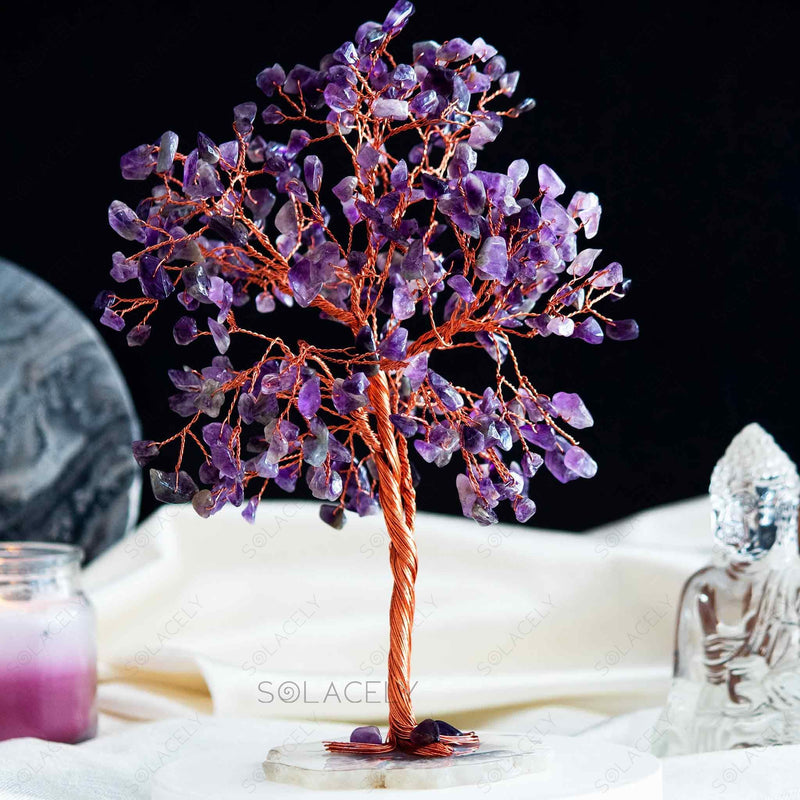
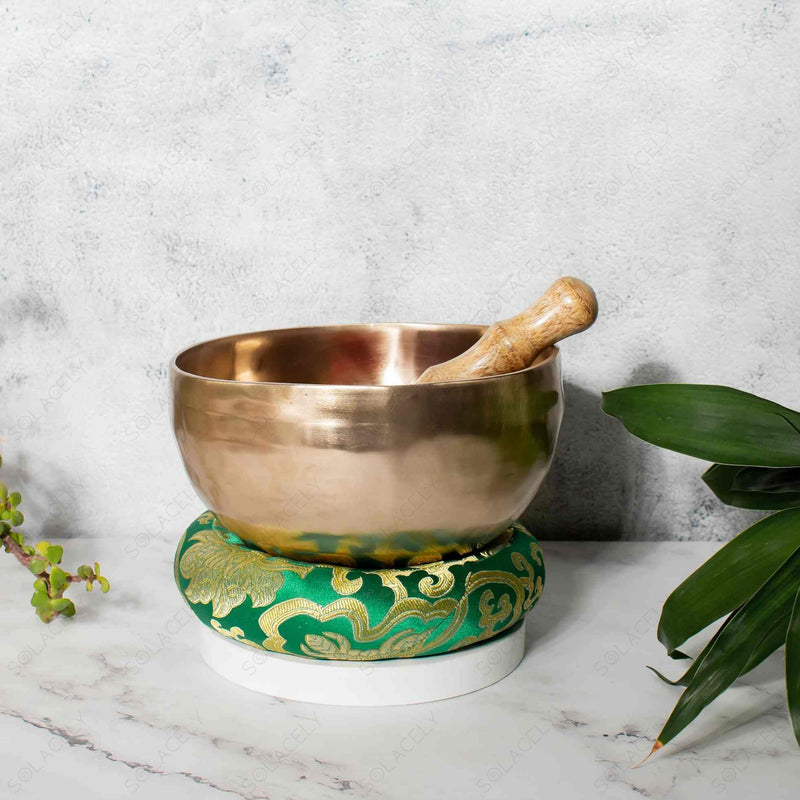
The premium tier is where most team and mid-client gifting lands, and it is generous enough for objects that feel genuinely considered. A crystal tree symbolising steady growth, a Tibetan singing bowl for calm, or a boxed desk crystal all work here. These pieces have presence and a use, and they package well for a large, consistent run across an organisation.
For teams, consistency matters more than variety. One well-chosen piece, identical in every box, reads as a deliberate company gift. A mismatched assortment reads as leftover stock, however good the individual items are. Pick one object in this tier and standardise it.
- A crystal tree on an agate base, for growth and prosperity symbolism
- A compact Tibetan singing bowl, for mindfulness and a moment of quiet in the working day
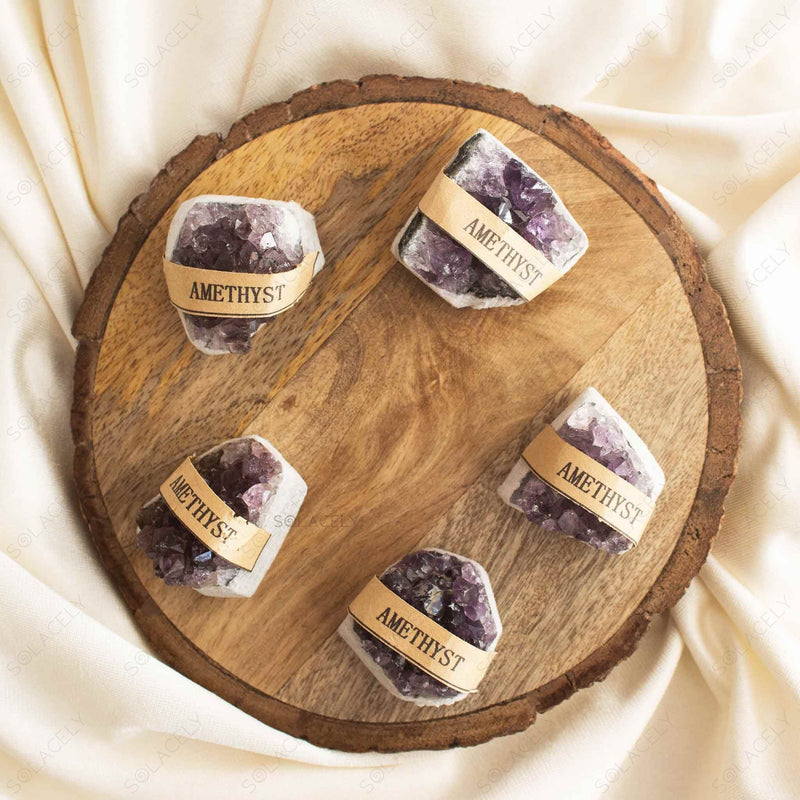
- A boxed desk crystal such as amethyst or pyrite, traditionally linked with focus and confidence
- A small curated hamper pairing one stone with a hand-signed note card
Intention adds a quiet story without turning the gift into a lecture. Pyrite is traditionally associated with confidence and enterprise; citrine with abundance. One line on the card is enough. For a wider set of team-appropriate choices, see our guide to corporate gifts for employees.
Executive tier: picks for key clients
The executive tier is for people whose relationship justifies a real step up: key clients, senior managers and partners. Here you can move to a larger agate slice, a substantial cluster, or a curated hamper pairing two or three considered pieces in premium packaging. The object should feel weighty and singular, clearly chosen for that person rather than allocated to them.
This is the tier where personalisation earns its keep. A discreet engraved initial or a handwritten note lifts a good object into a memorable one. Keep branding light. An executive gift that shouts your logo stops being a gift and starts being advertising, and the recipient registers the switch instantly.
For account-specific choices and the etiquette of gifting people you do business with, our note on corporate gifts for clients is the practical companion. Around the festive peak, Diwali gifts for corporate clients covers seasonal picks in the same tier.
One caution worth stating plainly: gifting government, public-sector or regulated clients close to a purchasing decision can read as influence rather than goodwill. When in doubt, keep the value modest, document it, or skip it entirely.
Statement tier: for leadership and top accounts
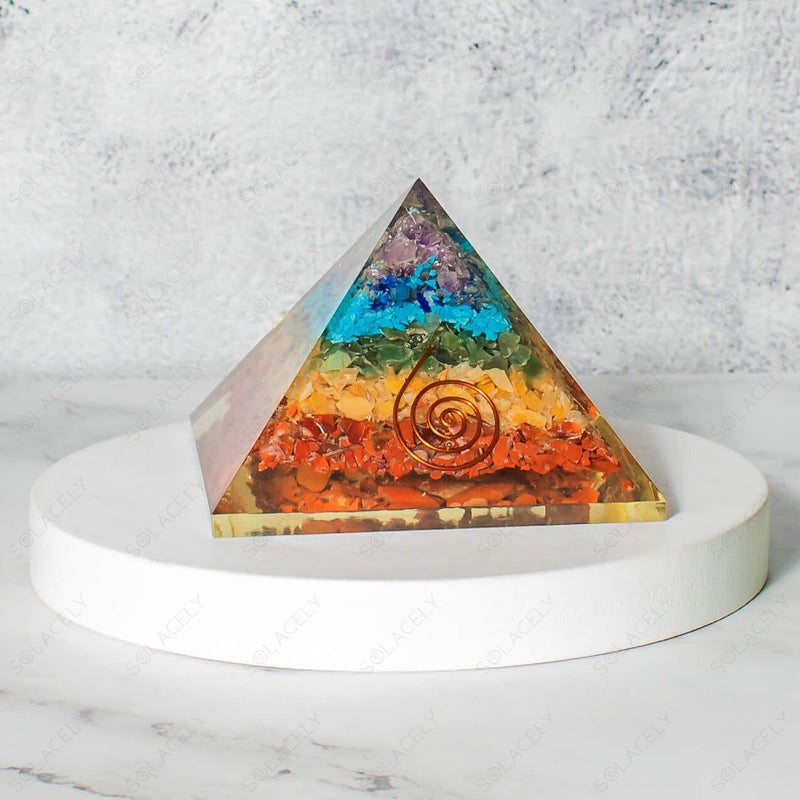
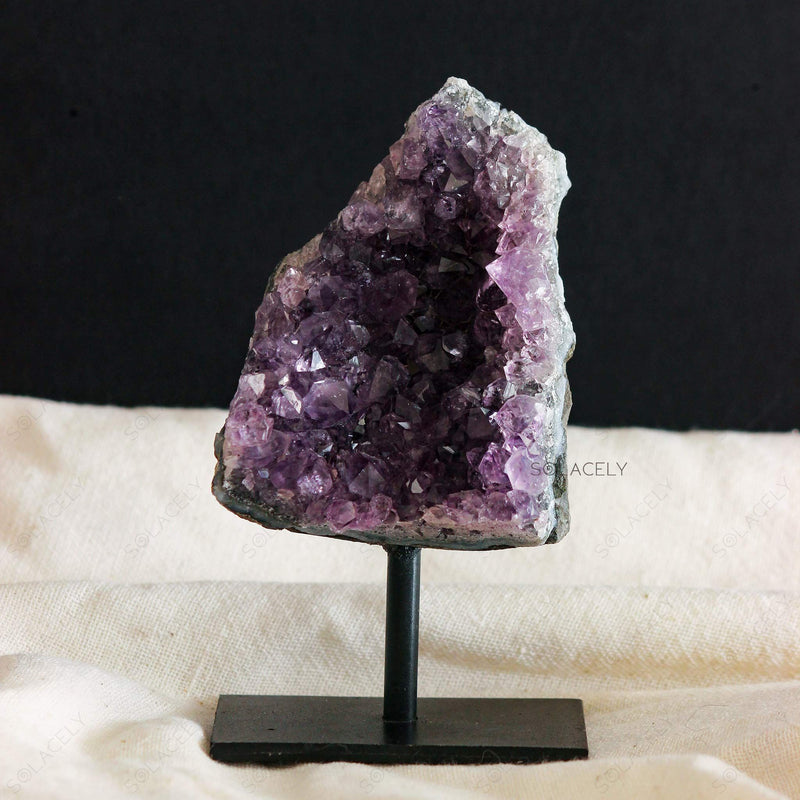
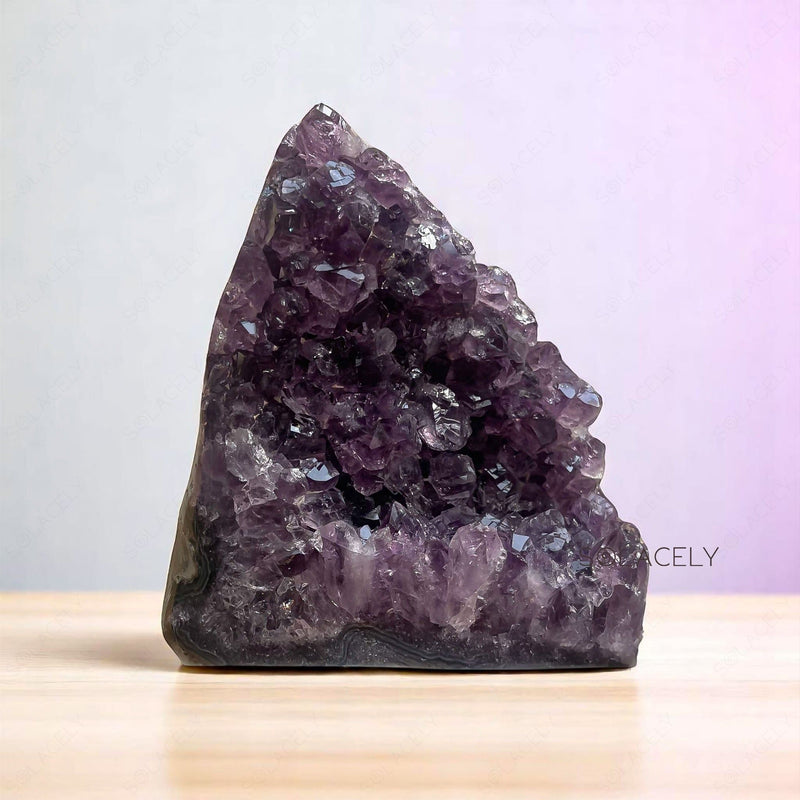
The statement tier is reserved for leadership, your most valuable accounts and genuine milestone moments. A large amethyst cluster, a natural geode, or a tiered gift box built around a single centrepiece belongs here. These are objects with real presence, the kind that anchor a desk or a boardroom shelf and quietly signal that the relationship was worth the investment.
Restraint is the rule at this level. One exceptional object beats a crowded hamper every time. The recipient should feel the quality immediately, in the weight of the piece and the finish of the box, without a single logo working hard to prove it. If you find yourself adding items to justify the spend, you have chosen the wrong centrepiece.
Our edit of luxury crystal product gifts collects the pieces that suit this top tier, where a single specimen carries the whole gesture. Reserve it for the handful of relationships that genuinely warrant it, and let the rarity of the gesture do part of the work for you.
Crystals compared with the usual premium gifts
Set against the default premium gifts (leather diaries, branded pens, gourmet hampers), crystal and wellness objects hold their impression far longer, because they are displayed rather than consumed. A gourmet hamper is gone in a week. A crystal tree or geode stays on the desk for years, which is why the cost per impression is often lower despite a comparable price.
Each category has its place, and none of this is an argument that hampers are wrong. The point is to choose deliberately, matching the object to the recipient and the message, rather than defaulting to whatever the supplier catalogue pushes hardest that quarter.
| Gift type | Relative cost | Typical lifespan | Impression |
|---|---|---|---|
| Branded diary or pen | Low | About a year | Functional, forgettable |
| Gourmet hamper | Mid-range | Days | Warm but consumed |
| Crystal tree or singing bowl | Entry premium | Years | Displayed, symbolic |
| Amethyst cluster or geode | High | Indefinite | Statement, memorable |
A displayed object keeps working long after the occasion that prompted it. That longevity is the quiet argument for a well-chosen crystal piece over a consumable at a similar price.
How to choose within a tier: a short method
Choosing well inside a tier comes down to four questions: who is the recipient, what tone do you want, how will it be personalised, and how will it arrive. Answer those in order and the object usually selects itself. Skipping straight to what is in stock is how gifting ends up generic even at a high budget.
Work the decision as a checklist rather than a browse. It keeps the choice tied to the relationship instead of the catalogue.
- Fix the relationship tier first: team, key client, or leadership.
- Set the budget to match that tier, not the other way round.
- Choose one object in that tier with presence and a clear reason behind it.
- Decide personalisation: engraving, a written note, or branded packaging, kept tasteful.
- Confirm delivery, packaging and lead time before you commit to the order.
For a fuller walk through budgets, timing and presentation, our corporate gifting tips guide covers the whole process, and thoughtful corporate gifts covers the etiquette of getting the personal touch right without overstepping.
Policy and procurement checks before a large run
At high price points, the paperwork matters more than most people expect. Before committing to a large or high-value run, check your own gifting policy and the recipient's. Many organisations set a per-recipient value threshold above which a gift must be declared, returned or routed through a register, and public-sector and financial-services recipients often have the strictest rules of all.
Tax treatment of gifts to employees and clients varies by country and changes over time, and thresholds differ for staff, contractors and external partners. Take the specifics from your finance team or a qualified tax adviser in your jurisdiction rather than from a gifting guide. What we can say usefully is procedural: ask for a proper itemised invoice with the supplier's tax registration details, keep the recipient list with the invoice, and record the per-unit value so reconciliation is straightforward at year end.
Build these checks in before you order, not after. A run that has to be unwound because it breached a client's declaration threshold costs far more than the fifteen minutes it takes to confirm the limit in advance.
Timing: order early, especially for the festive season
The festive season, Diwali above all, is the single biggest corporate gifting peak, and premium pieces are exactly what sells out first. High-end gifts often involve engraving, curated packaging and fragile materials, all of which need lead time. Booking three to four weeks ahead is the biggest single thing you can do to keep a large, high-value run consistent.
Late ordering forces compromise: substituted stock, rushed packaging, and courier networks already straining under festive volume. For fragile crystal pieces that pressure shows up as breakage, and a chipped statement gift is worse than no gift at all. Build the runway in early.
Beyond the festive peak, plan around the new financial year, milestone anniversaries and onboarding moments. Spreading premium gifting across the calendar, rather than concentrating it in one seasonal scramble, tends to produce better choices and much calmer logistics.
Sources
- Gemological Institute of America, quartz varieties including amethyst and citrine. gia.edu
- Encyclopaedia Britannica, agate and its formation in volcanic cavities. britannica.com
Frequently asked questions
About the author


Written by Chetna Sharma, crystal healing practitioner and co-founder of Solacely. Chetna has worked with healing crystals for over a decade and curates Solacely's protective stone collection.