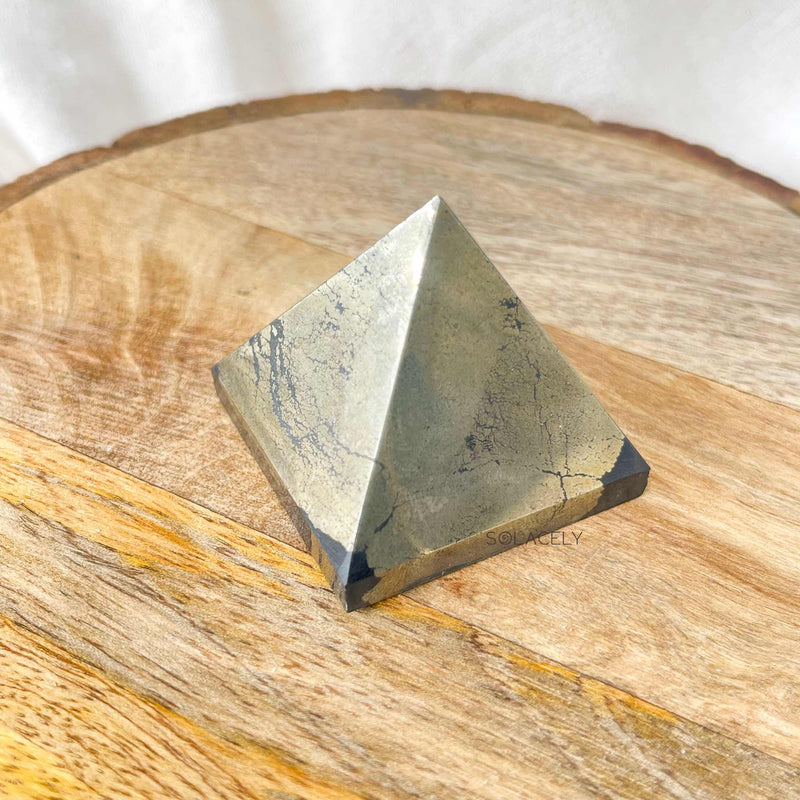
The best corporate gift for a client is matched to where the relationship stands, not to a flat budget. Give new clients a warm, low-pressure token (Entry), reward key clients with something useful and personal (Mid range), and mark anchor accounts with a considered statement piece (Premium). Time it around the festive peak, keep branding subtle, and check the gift-tax rules in your market. This guide maps each tier below.
Key Takeaways
- Match the gift to the relationship stage: new (Entry), key (Mid range), anchor (Premium).
- New-client gifts should feel welcoming, not obligating; save statement pieces for proven accounts.
- The festive season is the biggest client-gifting window, so order three to four weeks ahead.
- Avoid heavy logos, cash, alcohol, and anything that could read as influence before a deal.
- Client gifts are a relationship cost, not a guaranteed tax deduction; check with a chartered accountant.
Why gift clients by tier, not by budget
Client relationships are not all the same, so a single gift for everyone either overspends on cold contacts or underwhelms your best accounts. Tiering by relationship stage, new, key, and anchor, keeps generosity proportional and defensible. It signals the right thing to each client and stops a long list quietly draining your budget while your most valuable relationships feel taken for granted.
Think of it as reading the room. A brand-new client barely knows you, so a lavish gift can feel like pressure or even a bribe. A ten-year anchor account has earned a gesture that reflects the revenue and trust involved. The gift's job is to say 'we see where we stand' without a word. Our full corporate gifting tips guide covers the underlying rules; here we focus purely on clients.
One rule holds across every tier: personalize within the band rather than jumping bands to impress. A mid-tier gift chosen with real attention beats a premium one picked off a catalogue. Spend the extra effort, not always the extra money.
New clients: warm, light, no strings
For a new client, the gift should feel like a friendly handshake, not a down payment. Keep it at the entry tier and choose something pleasant, useful, and easy to accept, a small crystal piece, quality tea, a good notebook. The aim is warmth and a good first memory, not obligation. Anything too expensive early can read as pressure or an attempt to influence a decision still being made.
Timing matters here. A welcome gift lands best after the first project kicks off or a contract is signed, not during the pitch, where it can look like an inducement. Keep the note simple and forward-looking: 'Glad to be working with you.' No hard sell, no catalogue tucked inside.
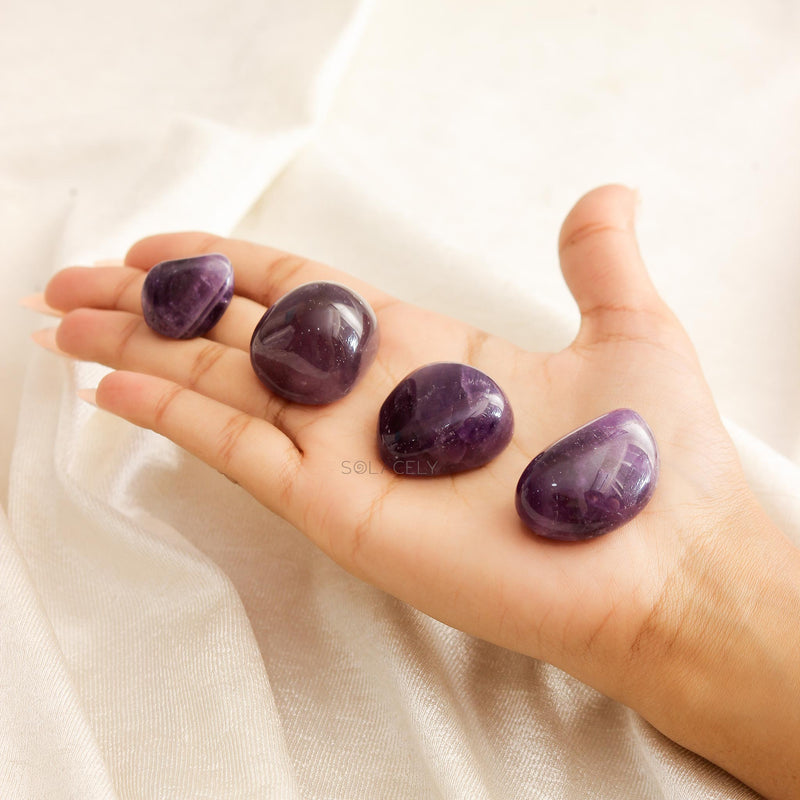
Good new-client picks are low-commitment and widely likeable. A crystal tree reads as a wish for growth without demanding anything back. A small tumble set, an artisan hamper, or a fine pen all work. Keep branding to the card, not the object.
| New-client gift | Tier | Why it works |
|---|---|---|
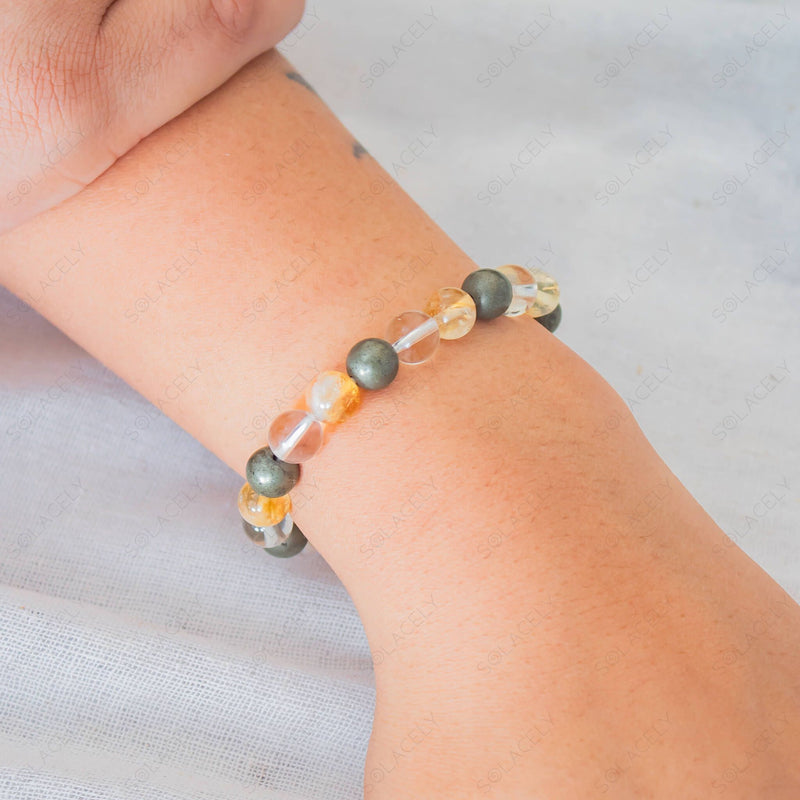
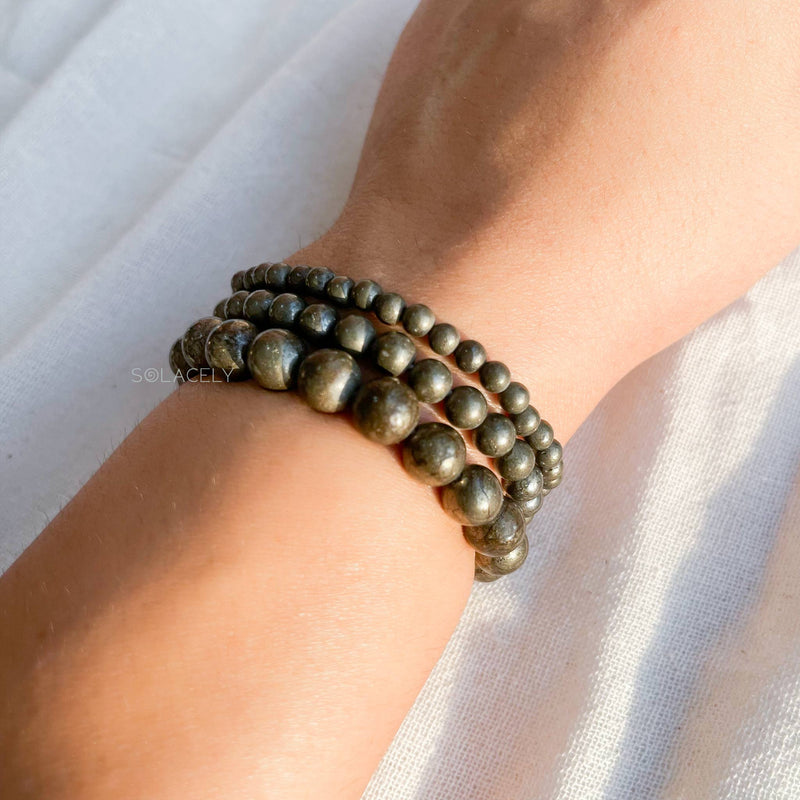
| Crystal tumble or bracelet | Entry | Personal, low-key, easy to accept |
| Small crystal tree | Mid range | Symbol of growth, decorative, neutral |
| Artisan tea or coffee hamper | Entry | Universally welcome, consumable |
| Quality pen or notebook | Entry | Useful at a desk, tasteful |
Key clients: useful, personal, proven
Key clients are your steady, active relationships, the accounts you work with regularly and want to keep. Here the mid tier fits, and the brief shifts from 'welcome' to 'we value you.' Choose gifts that are genuinely useful and carry a light personal touch: a name, initials, or a stone chosen for the person. A gift that gets used stays visible on their desk for months, which is exactly what you want.
This is the tier where knowing the client pays off. A calming amethyst tree for a high-pressure client, a citrine piece for someone growing a business, a leather portfolio for a road-warrior consultant. The specificity is the gift. It tells the client you paid attention to them as a person, not just an account number.
Presentation carries more weight at this level. A rigid box, tissue, and a handwritten line lift a mid-priced object into something considered. Skip the loud logo, keep any branding on the card. For creative picks that still feel premium, our unique corporate gift ideas has options across this band.
Anchor clients: statement pieces that mark the relationship
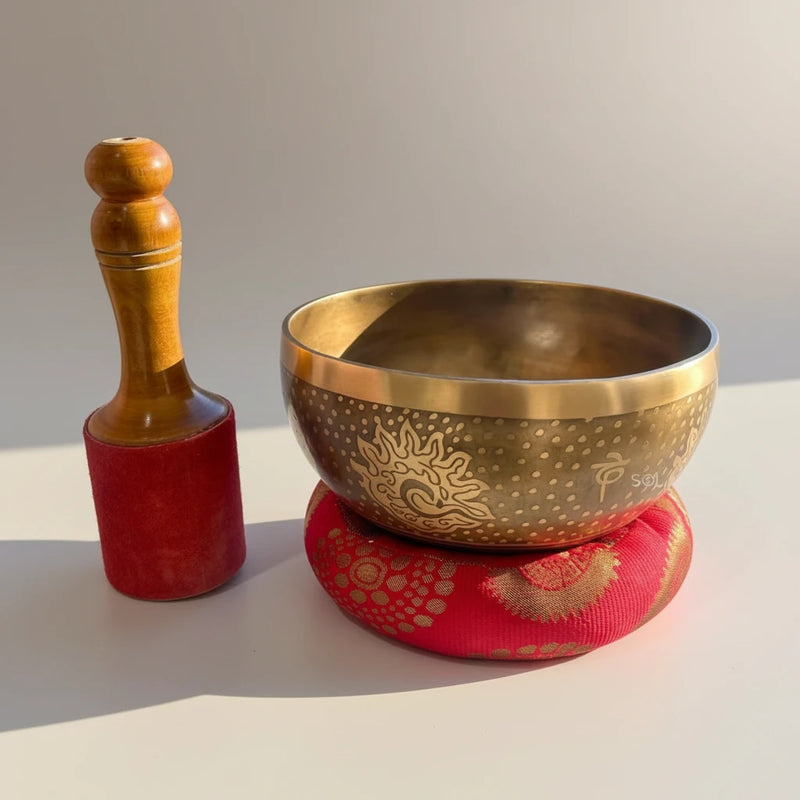
Anchor clients are the accounts your business leans on, high revenue, long tenure, or strategic weight. They warrant a considered statement gift at the top of your range, one that reflects the relationship's importance. This is not about extravagance for its own sake; it is about a piece with real presence and quality that the client will keep and associate with you. A statement crystal geode, a premium leather good, or a fine singing bowl all sit well here.
Discretion still matters. A statement gift should feel generous, not ostentatious, and never like it is buying something. For clients in regulated sectors, government, or large enterprises with strict gift policies, scale back or offer a donation in their name instead. Confirm the recipient's gift policy before sending anything of real value, an expensive gift that has to be declared or returned creates awkwardness rather than goodwill.
Our guide to luxury corporate gifts breaks down premium picks by band. Whatever you choose, the packaging should match the tier: a well-made box, protective padding for anything fragile, and a handwritten note on top.
| Tier | Relationship | Tier | Gift direction |
|---|---|---|---|
| New | Just signed or onboarding | Entry | Warm, light, easy to accept |
| Key | Active, recurring, valued | Mid range | Useful and personalized |
| Anchor | Strategic, high-value, long-term | Premium | Statement piece, discreetly generous |
What to avoid when gifting clients
Some gifts create more risk than goodwill, so a short avoid-list protects the relationship. Skip cash and gift cards to clients, which read as transactional. Go easy on alcohol unless you know the client drinks and their culture allows it. Avoid anything overtly religious for a diverse client base, and never send an expensive gift right before a purchasing decision, where it can look like influence rather than appreciation.
Heavy logo branding is the most common mistake. A gift stamped with your logo turns a gesture into an advertisement and drops its perceived value instantly. Keep your mark discreet, on the card or a small engraving, so the client keeps the item because they like it, not despite it.
Here is a quick avoid-list for client gifting:
- Cash or gift cards to clients: feels transactional, sometimes non-compliant.
- Alcohol by default: check the person and their culture first.
- Overtly religious items: keep gifts neutral across a diverse list.
- Loud logo swag for key and anchor clients: save branding for event giveaways.
- Perishable food to remote or unknown addresses: it may spoil in transit.
- Gifts timed to a live deal: wait until after the decision to avoid any hint of influence.
When unsure, a neutral wellness or decor piece, well presented, is almost always safe.
Personalization: the difference between thoughtful and generic
Personalization is what separates a considered client gift from a bulk order, and it works best when it is light and specific. A name, initials, a milestone date, or a stone chosen for the person, plus a handwritten note, usually lands better than heavy customization. The handwritten line in particular signals real attention in a way no printed insert can match. It costs nothing and is the detail clients remember.
Match the personal touch to what you know about the client. A grounding black tourmaline piece for a decisive leader, a rose quartz for a warm, relationship-driven contact, a citrine for someone in a growth phase. n tradition these stones carry intention, protection, love, and abundance, and framing a gift that way reads as thoughtful without being preachy. Keep the spiritual note optional and light.
Avoid over-personalizing to the point of gimmick. A tastefully engraved initial beats a full name plastered across the object. The goal is a piece the client would happily display, quietly carrying a reminder of who sent it.
When to gift clients: Diwali and the calendar
Diwali is the single biggest client-gifting window, and timing shapes reception almost as much as the gift itself. Plan your client list and order 3–4 weeks ahead, because demand and courier volumes spike sharply in the run-up. Beyond Diwali, tie client gifts to the New Year, your company or project anniversaries, and the successful close of a project, moments that feel earned rather than random.
The one timing trap to avoid: sending a gift to a client, especially in government or regulated sectors, just before a purchasing decision. Even a well-meant gift can read as an attempt to influence the outcome. Wait until the decision is made, then send a thank-you.
Spreading client gifts across the year, rather than saving everything for Diwali, keeps relationships warm and takes pressure off a single deadline. A simple calendar helps you budget and order early.
| Occasion | Timing | Client tier | Note |
|---|---|---|---|
| Diwali | Oct–Nov (order 3–4 weeks ahead) | All tiers | The flagship moment; plan first |
| New Year | Dec–Jan | Key, anchor | A fresh-start desk piece or hamper |
| Project close | Rolling | Key, anchor | A timely thank-you, never a bribe |
| Onboarding | On signing | New | A warm welcome token |
| Account anniversary | Rolling | Anchor | Mark the milestone personally |
Etiquette and the tax angle
Client gifting sits within etiquette and tax rules that teams often overlook. On etiquette: respect the recipient's company gift policy, keep gifts neutral and inclusive, present them well, and follow up with a note rather than a sales pitch. Many large and regulated organisations cap what employees may accept, so a modest, meaningful gift, or a donation in the client's name, sidesteps any awkwardness while still landing warmly.
On tax, treat client gifts as a relationship investment rather than a guaranteed deduction. The clearer thresholds usually apply to employee gifting: most tax systems exempt employee gifts up to a set value in a financial year and tax the excess in the employee's hands, and many block deductions or input tax credit on gifts once a cap is crossed. Thresholds differ by market and change year to year, so confirm the current position for your client-gifting spend with your accountant before a large run.
For a wider view of professional standards and getting help at scale, see our note on working with corporate gifting experts and the etiquette in thoughtful corporate gifts.
Presentation and follow-up: the last 10 percent
Presentation is the first impression of your judgment, so treat packaging as part of the client gift. A rigid box, quality tissue or fabric wrap, and protective padding for anything fragile make even a mid-priced item feel considered. Place the handwritten card on top so it is the first thing the client sees. For a batch of clients, a consistent, well-designed box keeps the experience premium at scale.
Follow-up closes the loop. A short message a few days after delivery, confirming it arrived and expressing genuine thanks for the relationship, turns a one-way gift into a warm exchange. Keep it human and free of any pitch. This small step is where many companies stop, and it is exactly where a gift converts into remembered goodwill.
Sources
- CBIC GST (Section 17(5), supply of gifts): cbic-gst.gov.in
- Gemological Institute of America — Quartz and crystal display pieces: gia.edu/quartz
Frequently asked questions
About the author


Written by Chetna Sharma, crystal healing practitioner and co-founder of Solacely. Chetna has worked with healing crystals for over a decade and curates Solacely's protective stone collection.