925 sterling silver is an alloy of 92.5% pure silver and 7.5% other metals, usually copper. That small alloy content is what makes it strong enough for daily jewellery. Pure silver is too soft to hold a shape, so the '925' stamp signals a global standard for durable, genuine silver.
Key Takeaways
- 925 = 92.5% silver + 7.5% alloy (mostly copper), the recognised sterling standard worldwide.
- Pure silver (99.9%) is too soft for rings and bracelets; the alloy adds hardness and longevity.
- look for the Hallmark plus a '925' stamp to confirm genuine sterling.
- Real sterling tarnishes and is non-magnetic; a fridge magnet sticking to it is a red flag.
- Everyday 925 silver pieces typically sit in the Everyday band, making them accessible gifting.
- Store dry, wear often, and clean gently: sterling actually stays brighter with regular use.
What 925 sterling silver actually means
The number 925 refers to purity: 925 parts silver out of 1,000, or 92.5%. The remaining 7.5% is alloy metal, almost always copper. This ratio is the international benchmark for sterling silver, and jewellers stamp '925' so buyers can identify it instantly. It is genuine silver, not silver-plated or imitation.
Why not use pure silver? Fine silver at 99.9% is beautiful but soft as putty by jewellery standards. A pure silver ring would bend, scratch, and lose its shape within days of wear. Adding copper gives the metal a backbone. You keep silver's bright shine and gain the strength needed for prongs, clasps, and thin bracelet links.
The word 'sterling' carries history. The standard traces back to medieval Europe and was formalised in England, where 'sterling' became shorthand for a trusted silver measure. Today that same 92.5% figure applies from Jaipur to New York, which is why '925' is a universal shorthand you can rely on.
Why the 7.5% alloy matters
That 7.5% of copper is the quiet hero of sterling silver. According to Britannica, sterling silver's copper content raises the metal's hardness and durability without dulling its characteristic white shine, which is precisely why the 92.5% standard has survived for centuries. Without it, silver jewellery simply would not last.
Copper does more than harden the metal. It lets craftspeople work fine detail, from filigree to engraved couple initials, and it holds a high polish. The trade-off is tarnish: copper reacts with sulphur in air and sweat, forming the dark film silver owners know well. Tarnish is surface-level and cleanable, not a sign of fake silver.
Some makers swap part of the copper for other metals to reduce tarnish, but classic sterling stays copper-based. If you want jewellery that survives real life, from humid weather to daily commutes, the alloy is what makes 925 practical rather than precious-but-fragile.
Here is how sterling compares to its cousins:
| Type | Silver content | Hardness | Best for |
|---|---|---|---|
| Fine silver | 99.9% | Very soft | Bullion, some earrings |
| 925 sterling silver | 92.5% | Durable | Daily rings, bracelets, chains |
| Silver-plated | Thin coating only | Varies | Budget fashion pieces |
| German silver | 0% silver (nickel alloy) | Hard | Costume jewellery, decor |
Hallmarks: how to check silver
the trust mark to look for is your country's assay or hallmarking stamp alongside the 925 grade. Most markets run a national scheme: in India it is the BIS Hallmark from the Bureau of Indian Standards, in the UK an assay office mark, and elsewhere an equivalent body. Whatever the scheme, hallmarking confirms the fineness, so a genuine sterling piece carries both the national mark and the 925 grade. This is your first and strongest signal of authenticity.
Silver hallmarking schemes typically cover fineness grades including 990, 925, 900, 835, and 800. For sterling jewellery you want the 925 grade specifically. Reputable jewellers stamp small items on the clasp, inner band, or a tiny tag. On very delicate pieces the stamp may be laser-fine, so check under good light or a magnifier.
Ask for a purity or hallmarking certificate on higher-value buys. A seller who cannot explain the markings, or who avoids the question, is worth a second thought. Genuine sterling has nothing to hide, and honest jewellers welcome the check.
Real vs fake: simple at-home tests
You can screen silver at home before trusting a stamp. The fastest check is a magnet: silver is non-magnetic, so if a fridge magnet clings to the piece, it contains cheaper magnetic metals and is not real sterling. Combine two or three tests below for confidence, since no single test is foolproof.
Run through this quick checklist:
- Magnet test. Hold a strong magnet near the piece. Real 925 silver will not stick. Attraction means base metal inside.
- The tarnish test. Genuine sterling tarnishes over time, darkening slightly. A piece that never dulls at all may be plated or non-silver.
- The ice test. Silver conducts heat exceptionally well. An ice cube placed on solid silver melts noticeably faster than on other metals.
- The smell test. Real silver is odourless. A strong metallic or coppery smell suggests a high base-metal content.
- The soft-cloth rub. Rub with a white cloth. Genuine silver often leaves faint black marks (oxidation), while plating usually does not.
Treat these as screening tools, not lab proof. For anything expensive, pair the home tests with a recognised hallmark and a trusted seller. Acid testing gives certainty but should be left to a professional jeweller, since it can damage the piece if done wrong.
Pros and cons of 925 sterling silver
Sterling silver's biggest strength is balance: it looks like precious silver, wears like a workhorse, and costs a fraction of gold. Genuine 925 pieces start at genuinely accessible prices, which makes real silver reachable for students, self-buyers, and gifters alike. Very few metals offer that mix of beauty, durability, and value.
The honest drawbacks are tarnish and care. Sterling darkens with exposure to air, sweat, perfume, and humidity, so it needs occasional cleaning. A small number of people are sensitive to the copper or trace nickel in some alloys, which can cause skin irritation. Neither is a dealbreaker, but both are worth knowing before you buy.
| Pros | Cons |
|---|---|
| Genuine silver at an accessible price | Tarnishes and needs occasional cleaning |
| Durable enough for daily wear | Softer than gold; can scratch or bend if abused |
| Hypoallergenic for most skin | Copper/nickel may irritate sensitive skin |
| Holds detail and high polish | Not waterproof; dislikes chlorine and perfume |
| Retains resale and sentimental value | Requires mindful storage |
Caring for your 925 silver
Sterling silver rewards regular wear and gentle upkeep. Counter-intuitively, jewellery worn often tarnishes less, because the natural oils on your skin keep the surface moving and clean. When it does dull, warm water with a sulphate-free soap and a soft cloth restores shine in minutes. For a full routine, see our detailed guide on how to clean sterling silver.
A few habits keep silver bright for years. Take pieces off before swimming, bathing, exercising, or household cleaning, since chlorine and harsh chemicals accelerate tarnish. Apply perfume, sunscreen, and skincare first, then put your jewellery on last. This one small order-of-operations trick saves a lot of polishing.
Storage is the other half of care. Keep silver in a dry, airtight pouch in a cool, dark place, ideally with a silica gel packet to absorb moisture. Avoid cardboard, wool, velvet, and rubber, which release sulphur and speed up tarnish. Store pieces separately so harder stones and clasps do not scratch softer surfaces.
Is 925 silver good for daily and crystal jewellery?
Yes, 925 sterling silver is one of the best everyday metals, which is exactly why it dominates fine fashion and crystal jewellery . Its durability handles daily knocks, its neutral white tone flatters every stone, and it is hypoallergenic for most wearers. For pieces you want to live in, sterling is a dependable choice.
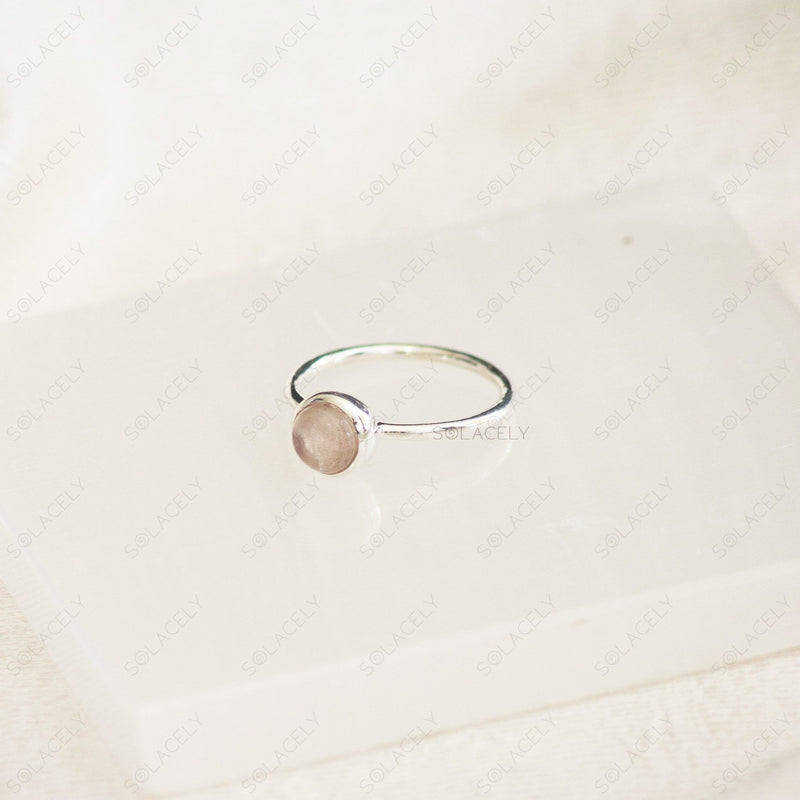
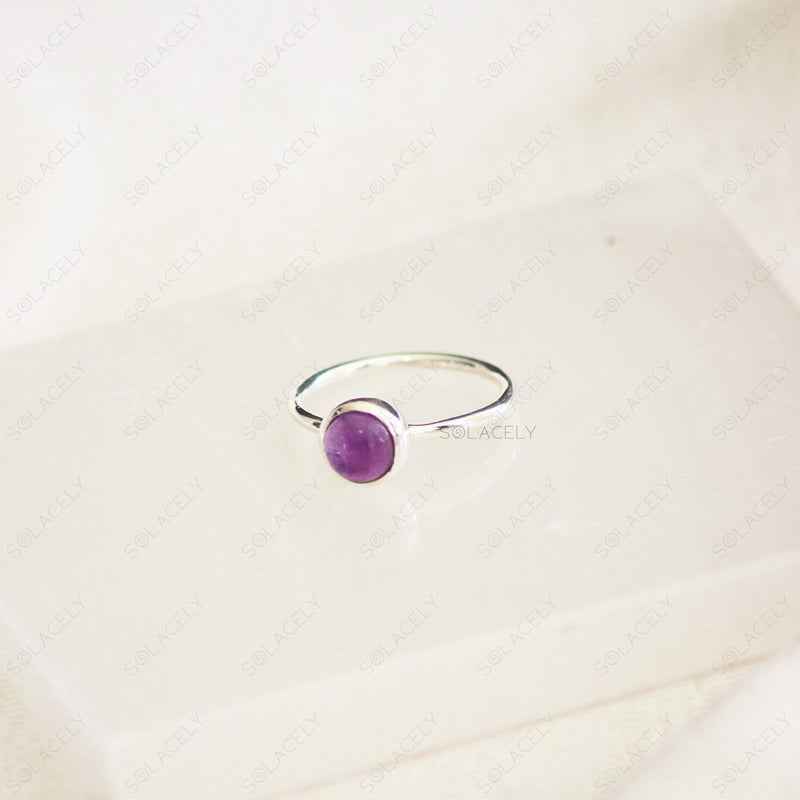
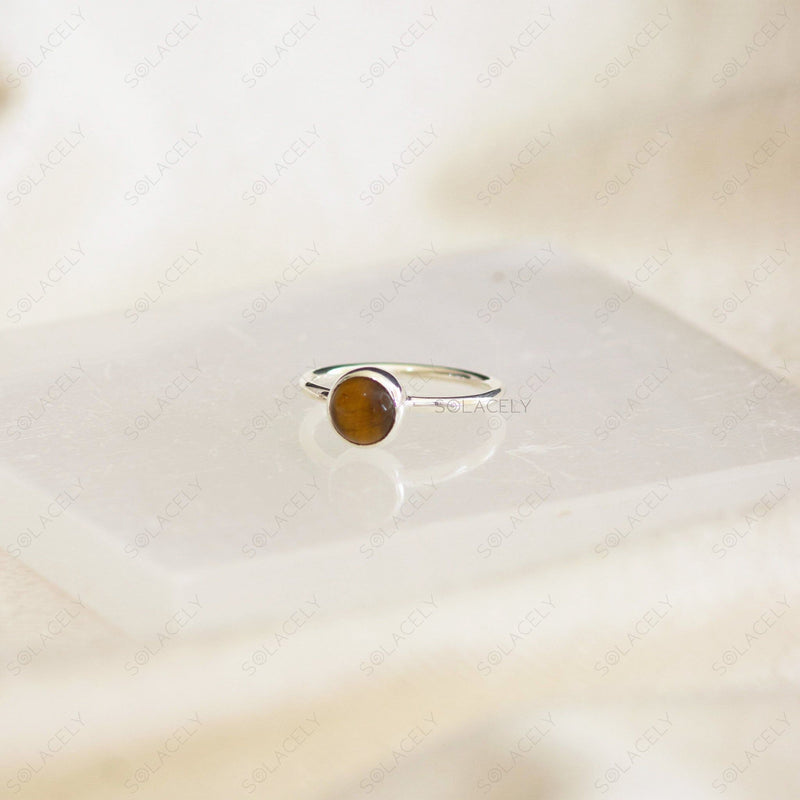
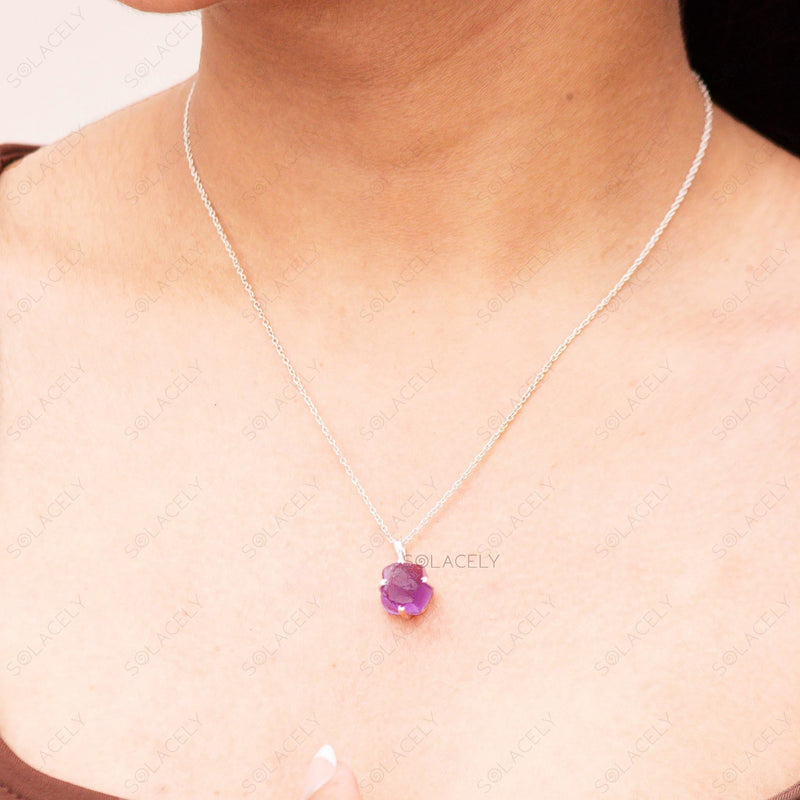
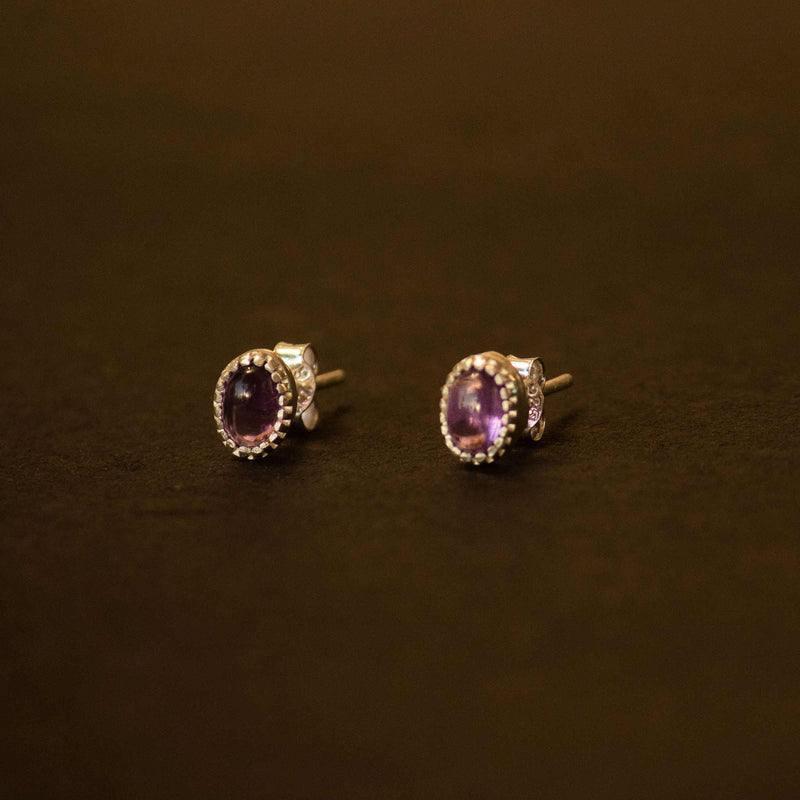
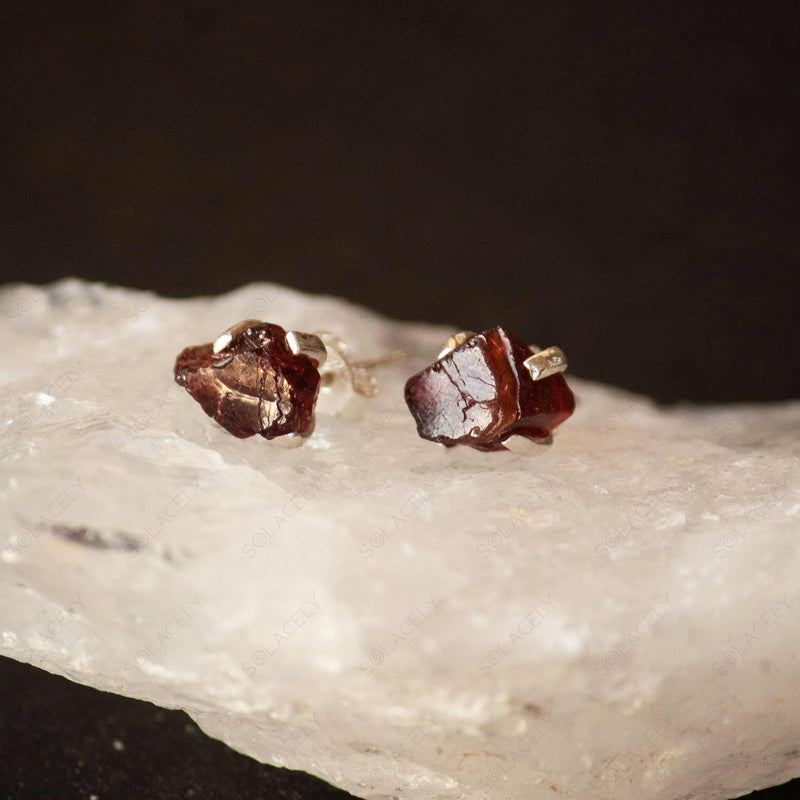
Sterling is especially kind to crystals. Its cool, bright colour lets stones lead the look, whether that is rose quartz for love, black tourmaline for protection, or amethyst for calm. The metal is strong enough to hold delicate settings yet soft enough for artisans to shape around irregular natural stones. That makes it a natural home for intention-led jewellery.
Couples often choose sterling for exactly these reasons: it is affordable, long-lasting, and easy to personalise. Browse couple bracelets for shared pieces, or matching couple bracelets if you want two designs that echo each other. For lighter, everyday options there are stylish couples bracelets and playful cute couple bracelets. Silver-set crystals also make thoughtful, protective touches like crystal car charms for a new ride.
Understanding the value of sterling silver
Sterling silver's value comes from its real silver content plus craftsmanship, and its price tracks the daily silver rate, so it moves with the market rather than sitting at a fixed figure. Everyday 925 jewellery sits at an accessible tier, with designer or gemstone-set pieces climbing well above it. Compared with gold, sterling offers genuine precious metal at a fraction of the cost.
Because sterling is 92.5% silver, it holds intrinsic worth that plated or costume jewellery simply does not. Well-kept pieces retain both resale and sentimental value, and can be re-polished or reset over the years. When you buy hallmarked 925, you are buying real silver you can pass on, not just fashion that fades.
925 Silver vs the Alternatives
Sterling gets compared with three things, and the differences are worth knowing before you buy. Fine silver is 99.9 per cent pure, which sounds better and wears worse: it is soft enough to bend out of shape in a ring or a clasp, which is exactly why the 7.5 per cent alloy exists in the first place.
Silver-plated jewellery is a base metal with a microscopically thin silver coat. It looks identical on day one and wears through at the contact points within months, exposing the metal underneath, which is where most skin reactions actually come from. No hallmark, no resale value, and no way to re-polish it once the plating goes.
Stainless steel is the honest budget alternative. It will not tarnish, it costs less than sterling, and it holds up to anything. What it will not do is take a fine setting, carry a hallmark, or develop the soft patina that makes older silver look better than new. If you want a piece to last decades and be worth repairing, sterling is the one that rewards the care.
Sources
- Britannica — Silver (metal): properties, sterling silver and copper alloying — https://www.britannica.com/science/silver
- Bureau of Indian Standards, Hallmarking of silver and fineness grades — https://www.bis.gov.in
Frequently asked questions
About the author


Written by Chetna Sharma, crystal healing practitioner and co-founder of Solacely. Chetna has worked with healing crystals for over a decade and curates Solacely's protective stone collection.