Copper is a reddish-brown metal that is genuinely powerful in one precise sense: your body cannot function without it. It is an essential trace element needed to make energy, red blood cells, and connective tissue. Beyond biology, copper carries a long cultural life in Ayurveda, antimicrobial surfaces, and everyday jewellery. This guide separates what is evidenced from what is tradition.
Key Takeaways
- Copper is an essential trace mineral. Adults need roughly 900 micrograms a day, per the US National Institutes of Health, mostly from food.
- In the body, copper helps produce energy, form red blood cells, build collagen, and support the nervous and immune systems.
- Certain copper alloy surfaces are EPA-registered to kill many bacteria on contact, which is a real, tested use, not folklore.
- Ayurveda's tradition of storing water in copper vessels (tamra jal) is cultural practice, valued for meaning; broad health claims are not medically proven.
- The best-known claim, that a copper bracelet eases arthritis, was not supported by a 2013 controlled trial. Wear it for beauty and intention, not treatment.
- Copper is inexpensive next to precious metals, which makes it accessible and easy to gift.
What copper actually is
Copper is a naturally occurring chemical element, symbol Cu, atomic number 29. It is one of the few metals that appears in a warm reddish-orange colour rather than silvery grey. According to Britannica, copper is an excellent conductor of heat and electricity, second only to silver, which is why it fills the wiring inside almost every home and device you own.
Humans have worked copper for roughly ten thousand years, making it one of the first metals we ever used. It shaped tools, coins, cooking pots, and ornaments long before iron. That deep history is part of why copper feels meaningful across so many cultures, from Egyptian mirrors to Indian kalash vessels used in temple ritual.
Copper is soft and easy to shape when pure, which is both a strength and a limit. Jewellers love that it bends into cuffs and coils, but pure copper is too soft for hard-wearing tools, so it is usually alloyed. Bronze (copper plus tin) and brass (copper plus zinc) are the classic examples.
Copper as an essential trace element
Copper is not just useful outside the body; it is required inside it. The US National Institutes of Health lists copper as an essential trace mineral, with a recommended intake of about 900 micrograms per day for most adults. Your body holds only a small total amount, yet it depends on that trace to run several core systems.
What does copper do biologically? It is a component of enzymes that generate cellular energy, help form red blood cells, and build collagen for skin, bone, and blood vessels. According to the NIH, copper also supports iron metabolism, the nervous system, and immune function. In other words, the 'power' here is quiet chemistry, not mysticism.
Most people get enough copper from an everyday balanced diet. Rich sources include lentils and dals, chickpeas, nuts and seeds, whole grains, dark leafy greens, and shellfish. Because copper is so widespread in food, genuine deficiency is uncommon in healthy adults, though certain medical conditions can affect how the body absorbs it.
Here is a quick view of where copper sits among common trace minerals:
| Trace mineral | Rough adult daily need | A key role in the body | Everyday food source |
|---|---|---|---|
| Copper | ~900 mcg | Energy, red blood cells, collagen | Dals, nuts, seeds |
| Iron | ~8–18 mg | Oxygen transport | Spinach, jaggery, meat |
| Zinc | ~8–11 mg | Immunity, wound healing | Chickpeas, seeds |
| Selenium | ~55 mcg | Antioxidant enzymes | Whole grains, eggs |
Balance matters. Copper and zinc work in a kind of see-saw, so very high supplemental zinc over long periods can lower copper. This is exactly why self-dosing high-strength single-mineral supplements is a poor idea. Food first, and a doctor's advice for anything beyond that.
Copper in Ayurveda and Indian tradition
Copper, or tamra, has a long place in Ayurvedic and household tradition in India. The most familiar practice is tamra jal: storing drinking water overnight in a copper vessel and drinking it in the morning. Families have done this for generations, and it carries real cultural meaning. It is important to be honest that broad health claims around it are tradition, not settled medical fact.
There is a narrow, evidence-adjacent thread worth naming carefully. Some laboratory studies have observed that water stored in copper containers can show reduced counts of certain bacteria, because copper ions are toxic to many microbes. That is a lab observation about water storage, not proof that copper water cures disease or 'balances doshas.' Keep the two ideas separate.
Copper also appears in Indian ritual and daily life well beyond drinking water. Temple kalash and lota vessels, puja items, and cookware have used copper for centuries. Here the value is symbolic and practical at once: a beautiful, durable, warm-toned metal that has felt auspicious for a very long time.
If you enjoy the ritual of a copper bottle or vessel, enjoy it for what it is. A mindful morning habit and a lovely object can be worthwhile on their own terms, without needing to overstate the science.
Antimicrobial copper: the evidenced use
This is where copper's reputation is strongest and best documented. In 2008, the US Environmental Protection Agency registered certain copper alloys as antimicrobial materials, recognising that these surfaces continuously kill many disease-causing bacteria within about two hours of contact. That is a formally tested, regulated claim, not a wellness slogan.
The mechanism is the same one behind the copper-water observation. Copper releases ions that damage the cell membranes and disrupt the metabolism of many bacteria, which is why touch surfaces made of copper or copper-rich brass can carry lower microbial loads than stainless steel. Hospitals have trialled copper door handles, bed rails, and taps for this reason.
A few important limits keep this honest:
- Alloy and purity matter. The antimicrobial effect is tied to high-copper alloys, not thin decorative plating.
- It targets bacteria, not everything. Registered claims focus on specific bacteria, not a blanket 'kills all germs.'
- Contact time counts. Surfaces need real contact time; a quick brush does little.
- Tarnish and cleaning affect it. Heavily coated or lacquered copper behaves differently from bare metal.
So the accurate summary is this: copper as a hard surface has a genuine, regulator-recognised antibacterial property. That is very different from claiming a copper bracelet detoxifies your blood. Precision protects your trust and your money.
Copper jewellery: beauty first, benefits framed honestly
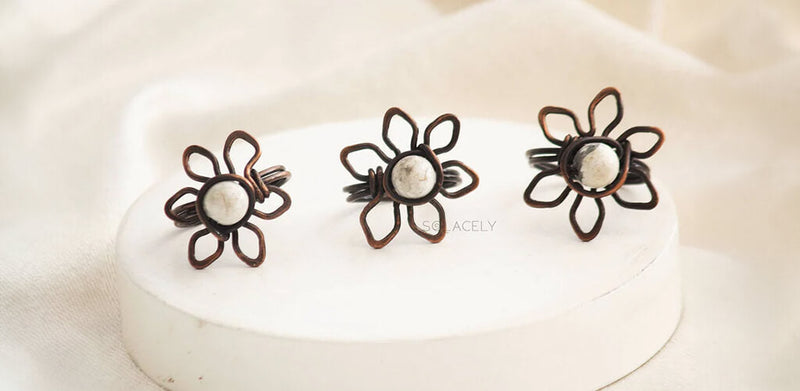
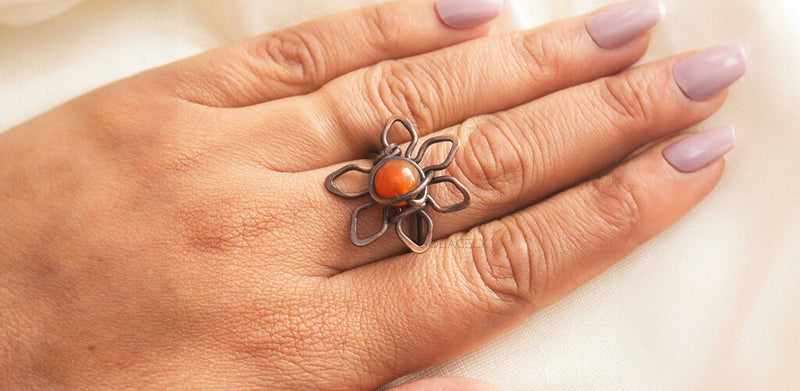
Copper has been worn as jewellery for thousands of years, and the reason is simple: it is warm, glowing, malleable, and affordable. It suits a wide range of skin tones beautifully and pairs naturally with crystals. When people ask about the 'power' of a copper bracelet or ring, the most defensible answer is aesthetic and personal, not medical. For a fuller look at the tradition, see our guide to copper jewelry benefits.
The most repeated health claim is that copper bracelets relieve joint pain or arthritis. The strongest test of this, a 2013 randomised controlled trial published in PLOS ONE, found that copper bracelets and magnetic wrist straps had no meaningful effect on pain, inflammation, or disease progression in people with rheumatoid arthritis compared with a control. That is one careful trial, but it is the reason to set expectations honestly. Explore how these beliefs took shape in our piece on copper healing properties.
Metaphysical traditions describe copper as a conductor of energy, believed to amplify intention and connect with crystals. These are cultural and spiritual beliefs, valued for meaning rather than clinical proof, and we treat them that way throughout. If that side interests you, read our overview of copper metaphysical properties and the spiritual benefits of wearing copper.
A couple of practical notes protect your experience. Bare copper can leave a harmless green mark on skin, a simple chemical reaction between copper, sweat, and air, explained in why copper turns your skin green. And no, everyday copper jewellery does not cause cancer, a fear we address directly in can copper bracelets cause cancer. Many wearers also ask which hand to wear a copper bracelet, which comes down to comfort and tradition rather than rule.
Evidenced vs tradition: a clear scorecard
The most useful thing this article can give you is a clean line between what is proven and what is cultural. Copper is powerful in verified ways, and it is meaningful in traditional ways, and those are two different registers. Confusing them is how misinformation spreads. Holding them apart is how you buy and wear copper wisely.
Use this at-a-glance comparison:
| Claim about copper | Status | Short reason |
|---|---|---|
| Essential nutrient for the body | Evidenced | NIH lists it as a required trace mineral (~900 mcg/day) |
| Excellent electrical/thermal conductor | Evidenced | Long-established physics (Britannica) |
| Copper alloy surfaces kill many bacteria | Evidenced | EPA-registered antimicrobial materials (2008) |
| Copper water reduces some bacteria in storage | Limited evidence | Lab observations only, not proof of curing disease |
| Copper bracelet relieves arthritis | Not supported | 2013 PLOS ONE trial found no benefit |
| Copper 'conducts energy' or amplifies crystals | Tradition/belief | Metaphysical, cultural, not clinically tested |
Notice the pattern. Copper's real powers are physical and biological, measured and repeatable. Its healing-jewellery reputation is cultural and personal. Neither cancels the other. You can respect the tradition, wear the metal for its beauty, and still be clear-eyed about the science.
How to choose and care for copper
If you want to bring copper into daily life, a little practical knowledge goes a long way. First, decide your use: a copper water bottle for a morning ritual, a piece of jewellery for style and intention, or a household item for its warm looks. Each has different care needs, and matching the object to the purpose keeps you happy with it.
For jewellery, follow a simple checklist:
- Check the metal. Look for solid copper or a stated high-copper alloy, not a thin plated coating that wears off.
- Expect patina. Copper darkens and may leave a green skin mark; both are harmless and reversible.
- Clean gently. A paste of lemon and salt, or a little tamarind, restores shine; rinse and dry fully.
- Keep it dry. Store away from prolonged moisture and remove before swimming to slow tarnish.
- Skip if sensitive. A small number of people find bare copper irritating; a lacquered piece or a break solves it.
For copper vessels and bottles, wash with a natural acidic cleaner (lemon and salt work well), avoid harsh scrubbers, and let the metal dry. Do not store very acidic drinks like citrus juice in bare copper for long periods, since strong acids can leach more copper than is ideal. Water is fine; lemon squash left overnight is not.
Price-wise, copper is refreshingly accessible. Everyday copper jewellery and small bottles cost a fraction of what precious-metal pieces do, with heavier artisan vessels and designer cuffs climbing above that. That affordability, combined with its glow and history, is a real part of copper's enduring appeal as a gift.
Sources
- National Institutes of Health, Office of Dietary Supplements — Copper fact sheet (essential trace element, ~900 mcg/day). ods.od.nih.gov
- Encyclopaedia Britannica — Copper (chemical element): properties and conductivity. britannica.com
- US Environmental Protection Agency — Registration of copper alloys as antimicrobial materials (2008). epa.gov
- Richmond SJ et al., 'Copper bracelets and magnetic wrist straps for rheumatoid arthritis,' PLOS ONE (2013). doi.org
Frequently asked questions
About the author


Written by Chetna Sharma, crystal healing practitioner and co-founder of Solacely. Chetna has worked with healing crystals for over a decade and curates Solacely's protective stone collection.