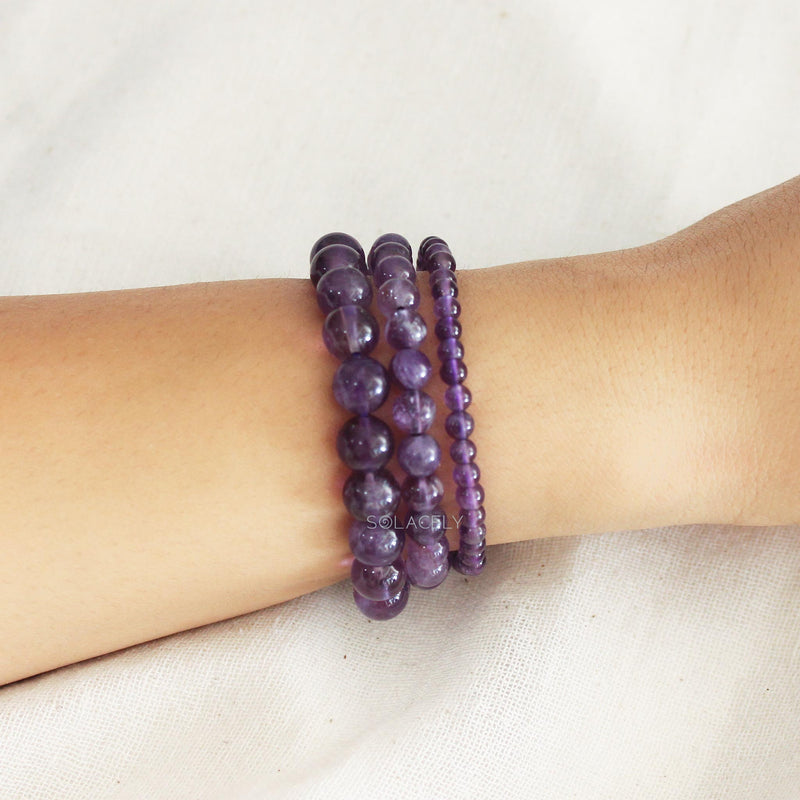
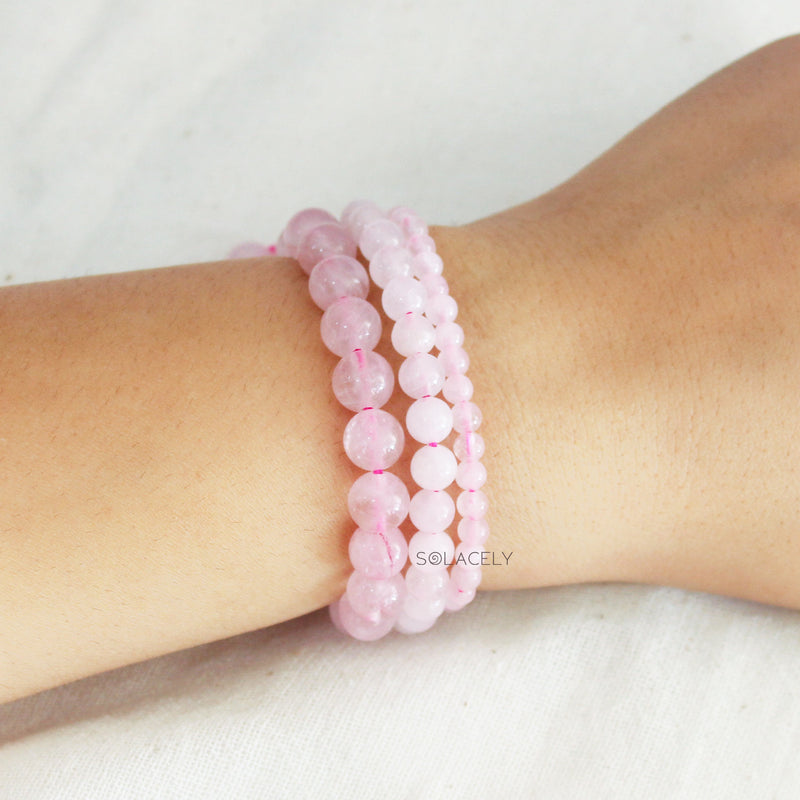
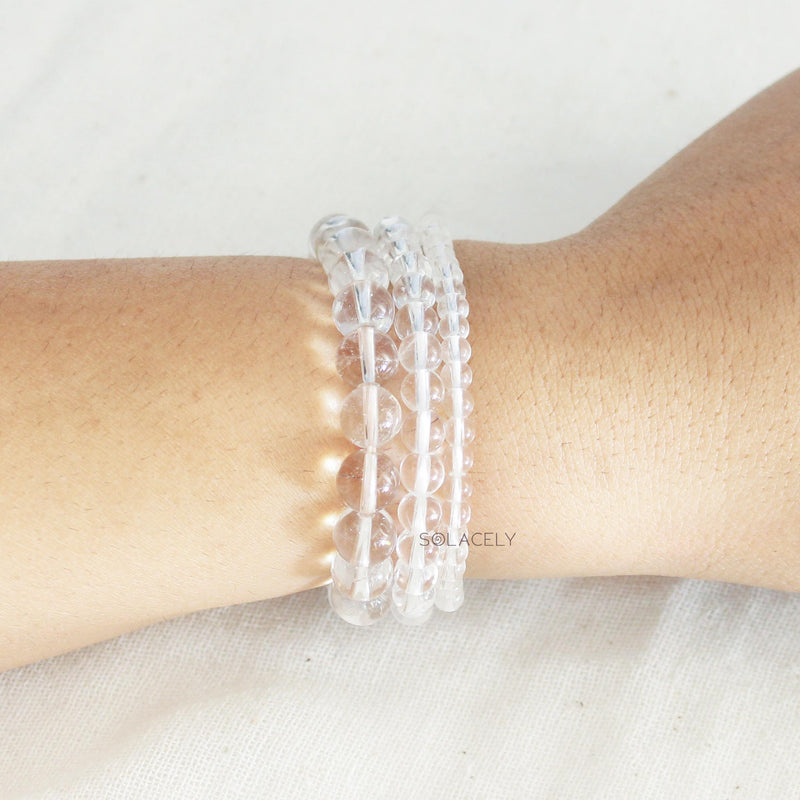
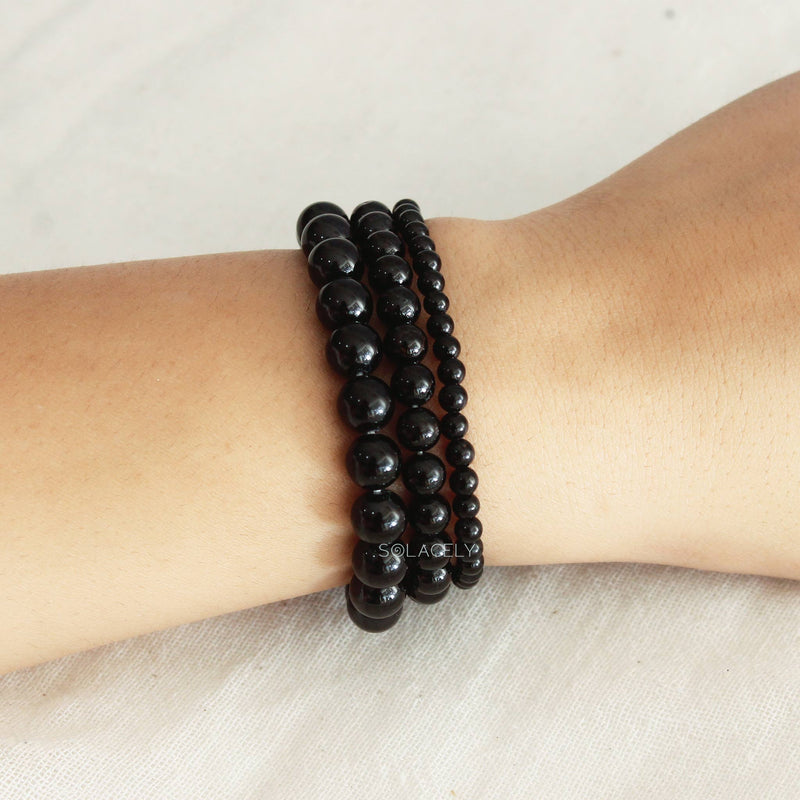
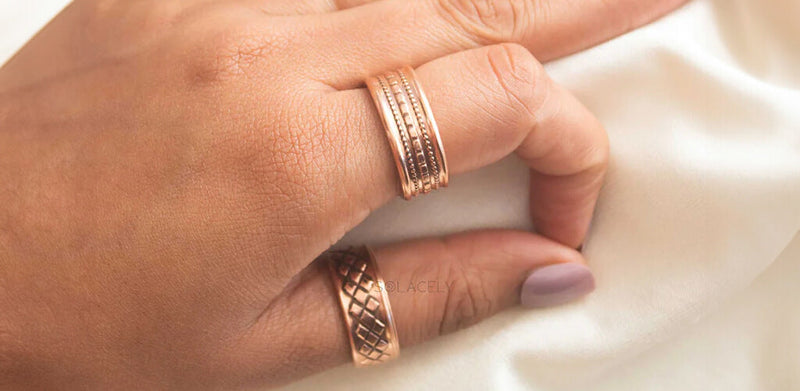
Traditionally, a copper bracelet is worn on the non-dominant hand, most often the left, which many Indian and energy traditions call the 'receiving' side for drawing in healing influence. The dominant right hand is seen as the 'giving' side. This is cultural belief, not proven medicine, so comfort matters most.
Key Takeaways
- Left hand = receiving in most traditions: worn to 'absorb' copper's qualities. This is belief, not clinical fact.
- Right hand = giving: chosen by those who want to project energy, confidence, or intention outward.
- A practical rule many follow: wear it on the non-dominant hand so it stays comfortable and out of the way.
- Customs for men and women overlap; the widely repeated 'men right, women left' idea is folklore, not a hard rule.
- Ayurveda values copper (tamra) as a traditional material worn against the skin, again as heritage, not treatment.
- Copper bracelets are inexpensive, which makes the choice a low-pressure one.
The short answer: which hand and why
For most people, tradition points to the left, non-dominant hand. In Indian, Ayurvedic, and broader energy-healing belief, the left side is the 'receiving' side, so a copper bracelet worn there is thought to draw in copper's qualities. The right is the 'giving' side. Neither is medically proven; both are custom.
That single idea explains almost every recommendation you will read online. The left hand receives, so wear copper there if your goal is to take something in: calm, grounding, healing intention. The right hand gives, so wear it there if your goal is to send something out, like confidence or steadiness in how you deal with the world.
Here is the honest caveat. None of this is validated by science. Copper worn on either wrist behaves the same chemically. So the 'correct' hand is really the one that matches your intention and stays comfortable through the day. If you want the deeper background, our guide to the spiritual benefits of wearing copper sets out the belief system these customs come from.
Left hand vs right hand: the receiving and giving idea
The core framework is simple. The left, non-dominant hand is the 'receiving' hand, chosen to absorb copper's traditional influence. The right, dominant hand is the 'giving' hand, chosen to project energy outward. This left-receive, right-give model runs through Indian tradition and many Western energy practices alike, though it remains belief, not fact.
Think of it as a direction of flow that people assign to intention. When you want to bring something toward yourself, tradition says wear copper on the left. When you want to put something out into your interactions, the right is preferred.
| Hand | Traditional role | Often chosen for |
|---|---|---|
| Left (usually non-dominant) | Receiving | Absorbing calm, grounding, healing intention |
| Right (usually dominant) | Giving | Projecting confidence, communication, steadiness |
A quick honesty note: for left-handed people, 'dominant' and 'non-dominant' flip. Some traditions track the fixed left/right sides, while others track dominant versus non-dominant. Both readings exist, and neither is more 'authentic' than the other. Pick the logic that feels right to you and stay consistent.
Should you match the hand to your intention?
Yes, if the intention framing appeals to you, matching hand to purpose is the most common way people decide. Want to draw in calm and grounding? Tradition says left. Want to carry confidence into meetings or conversations? The right is the customary pick. It is a personal, meaning-led choice, not a rule with proven results.
Start by naming what you want the piece to represent. Copper is often linked in Indian belief to warmth, vitality, and grounding, and different wearers lean into different aspects. If you are still deciding what copper 'means' for you, our overview of copper's metaphysical properties lays out the traditional associations without overstating them.
Then map that to a hand. A few common patterns wearers describe:
- For grounding and calm: left wrist, so the intention is 'received.'
- For confidence and outward energy: right wrist, so it is 'given' or projected.
- For simple daily wear with no metaphysical goal: whichever hand is more comfortable, usually the non-dominant one.
There is no wrong answer here. The bracelet does the same thing physically on either wrist. What changes is the meaning you attach to it, and meaning is a perfectly good reason to choose.
Men vs women: are the customs different?
The customs largely overlap. The popular claim that 'men wear copper on the right and women on the left' is folklore rather than a fixed rule, and you will find families and traditions doing the opposite. Both men and women most often default to the non-dominant hand for comfort, then adjust to left or right based on the receiving-giving idea if they follow it.
For women, the left wrist is a common everyday choice, partly because many women are right-handed and prefer keeping the dominant hand free. It also pairs naturally with bangles and stacked jewellery already worn on that side.
For men, copper is frequently worn on the right, sometimes tied to the 'giving,' outward-energy reading, and sometimes simply because it sits with a watch or other pieces. A good share of copper-jewellery buyers are men drawn to grounding and confidence, and the right wrist suits that framing.
The takeaway: gender does not lock you into a hand. Cultural habit nudges women left and men right, but the underlying logic is the same for everyone. Choose the side that fits your intention and your daily routine. If you are buying copper as a gift and want the broader context, our guide to copper jewellery benefits covers styles, meaning, and price bands.
The Ayurvedic reasoning behind copper on the skin
In Ayurveda, copper is tamra, a valued metal worn against the skin and used in water vessels (tamra jal) for generations. The tradition frames copper as warming and balancing to the body's doshas, which is why bangles and bracelets are worn directly on the wrist. This is heritage and cultural belief, passed down through families, not a clinical prescription.
Ayurvedic custom cares less about a strict left-or-right rule and more about copper touching the skin at all. The wrist is convenient and traditional, close to the pulse points where many old practices placed importance. Some families pass down a copper kada worn from childhood, and the hand it goes on is often just habit.
Where the receiving-giving idea meets Ayurveda, most practitioners still point to the non-dominant hand for daily wear, so the metal stays in constant, undisturbed contact. If the traditional-wellness angle is what draws you, our piece on copper jewellery for healing matches styles to the customs behind them, honestly and without over-promising.
One grounding fact worth keeping in view: copper is a genuine essential trace mineral your body needs, and the U.S. National Institutes of Health lists it as vital for red blood cells, connective tissue, and key enzymes. But that refers to copper in your diet, not copper absorbed through a bracelet. The two are easy to confuse, so wear copper for tradition and beauty, not as a supplement.
What the evidence actually says
Honestly, the science does not support health benefits from which hand you choose, or from wearing a copper bracelet at all for pain. A 2013 randomised controlled trial in PLOS ONE found copper bracelets performed no better than a placebo for rheumatoid arthritis. So the hand you pick is about meaning and comfort, not medical outcome. That is the grounded truth beneath the tradition.
This does not make copper worthless to wear. It makes it honest to wear. Copper is a real, characterful metal with deep cultural roots, a warm patina, and a low price. According to Britannica, copper is highly malleable and ductile, which is exactly why artisans can shape it into detailed bangles and cuffs by hand. Those are dependable reasons to own a piece.
| Belief about copper bracelets | Evidence status |
|---|---|
| Left hand 'receives,' right hand 'gives' | Traditional belief, not proven |
| Copper on the wrist relieves arthritis | Not supported (RCT, PLOS ONE 2013) |
| Copper is an essential nutrient (in diet) | Supported (NIH) |
| Copper surfaces are antimicrobial | Supported (lab research) |
So treat the hand choice as personal ritual, the same way you might choose which finger holds a meaningful ring. The tradition gives you a framework; the comfort gives you the deciding vote. For the fuller mineral picture, our copper healing properties hub separates folklore from fact in detail.
Practical tips for wearing your copper bracelet
Practically, wear copper on your non-dominant hand so it does not interfere with writing, typing, or daily tasks, and so it stays in comfortable, constant contact. Get the fit right, mind the position on your wrist, and give the metal a little breathing room from lotions and water. These small habits matter more day to day than left versus right.
A few pointers that make copper easy to live with:
- Default to the non-dominant hand. For most right-handers, that is the left, and it keeps your working hand unencumbered.
- Mind the fit. A cuff should sit snug but slide over the wrist bone without pinching. Do not over-bend adjustable copper, since repeated flexing weakens the metal.
- Position it above the wrist bone. This is comfortable and reduces scraping against desks and keyboards.
- Keep lotions and perfume off the metal. Apply them first, let them dry, then put the bracelet on. This slows tarnish and green marks.
- Take it off for swimming and heavy workouts. Sweat and chlorine speed up patina and skin reactions.
- Switch hands if you like. Nothing stops you moving copper from left to right as your intention or comfort changes.
If you wear a watch or other bangles, many people simply put copper on the opposite wrist to avoid clatter and scratching. It is a small comfort call, and it is entirely yours to make.
Will it turn my wrist green, and is that a problem?
Sometimes, yes, and no, it is not a problem. Real copper can leave a harmless green tint where it reacts with sweat, acids, and moisture on your skin, forming copper salts. It washes off with soap and water and does nothing lasting. The hand you wear it on makes no difference to this; skin chemistry does.
The green is actually a sign your bracelet is genuine copper rather than a coated imitation. If it bothers you cosmetically, a thin coat of clear nail lacquer on the inner surface creates a barrier between metal and skin. We explain the full chemistry in why copper turns your skin green.
Some people also worry about safety more broadly. For the vast majority, external copper contact is considered safe for daily wear, and copper is not linked to cancer from ordinary jewellery, a myth we address in whether copper bracelets cause cancer. Wear it on either wrist with confidence.
How to care for copper so it looks its best
Copper is low-maintenance, so keeping your bracelet bright takes about two minutes. When it dulls or darkens, a paste of lemon and salt, or a little tamarind, lifts the tarnish and restores the rose-gold shine. No special polish or professional service is needed, whichever hand you wear it on.
A simple routine:
- Make a paste. Mix lemon juice with a pinch of salt, or use tamarind pulp.
- Rub gently. Work it over the copper with fingers or a soft cloth until the tarnish lifts.
- Rinse and dry fully. Trapped moisture speeds tarnish, so dry it completely.
- Store dry. Keep it in a small pouch, ideally with a silica gel packet, when not worn.
If you prefer the antiqued look, do nothing and let the patina deepen; copper is meant to age. Copper bracelets are inexpensive, so replacing or adding pieces is easy, and the choice of hand stays a matter of meaning, not money.
Sources
- National Institutes of Health, Office of Dietary Supplements — Copper: an essential trace mineral. ods.od.nih.gov
- Richmond SJ et al., PLOS ONE (2013) — Copper bracelets and magnetic wrist straps for rheumatoid arthritis: randomised controlled trial. journals.plos.org
- Britannica — Copper: properties, malleability and uses. britannica.com
Frequently asked questions
About the author


Written by Chetna Sharma, crystal healing practitioner and co-founder of Solacely. Chetna has worked with healing crystals for over a decade and curates Solacely's protective stone collection.