Copper jewellery is worn for healing mainly through tradition, especially Ayurveda, where the metal is linked to warmth, circulation, and steady energy. It is worn as bracelets, rings, and bangles close to the skin. The best clinical evidence, however, found no real benefit for arthritis, so treat copper as meaningful adornment, not medicine.
Key Takeaways
- Copper's healing use is a tradition, rooted in Ayurveda (tamra) and folk practice, not a proven medical treatment.
- A 2013 randomised controlled trial in PLOS ONE found copper bracelets gave no measurable benefit over a placebo for rheumatoid arthritis.
- Copper is genuinely antimicrobial as a surface metal, a real materials-science fact separate from any wellness claim.
- Bracelets and rings are the most common healing forms because the wrist and fingers are easy places to wear a daily reminder of intention.
- Simple copper pieces are inexpensive, which makes them low-risk, affordable adornment.
- People with copper allergy or Wilson's disease should avoid prolonged skin contact.
What 'copper jewellery for healing' actually means
Copper jewellery for healing refers to wearing copper on the body, usually as a bracelet, ring, or bangle, in the belief that the metal supports joints, circulation, and emotional balance. The idea comes from Ayurveda and folk medicine, where copper is treated as a warming, grounding metal. It is a heritage practice valued for meaning as much as effect.
This piece stays deliberately narrow. It is about copper worn as jewellery for wellbeing, how the tradition works, and what evidence supports it. For the deeper mineralogy and energy science, our companion guide on the healing properties of copper is the science-led hub, and the wider benefits of copper jewellery covers everyday appeal beyond healing.
One thing to set straight early. Copper is a metal, not a crystal, and it does not need gemstones to carry its tradition. Much of the 'copper healing' conversation online drifts into crystal profiles. Here the metal itself is the subject.
The Ayurvedic and traditional roots
In Ayurveda, copper is called tamra and has a long documented place in daily wellness. The most famous practice is tamra jal, water stored overnight in a copper vessel and sipped in the morning. That ritual, not jewellery, is where much of copper's Indian healing reputation begins. Wearing copper extends the same logic of keeping a warming metal close to the body.
Copper bracelets and bangles have been worn in Indian households for generations, sometimes from childhood, sometimes gifted at milestones like a naming ceremony or a birthday. The belief is gentle and habitual rather than clinical. A grandmother's copper bangle is worn because it has always been worn, and because it feels grounding on the wrist.
This heritage is the real reason copper jewellery endures. People wear it for continuity, ritual, and quiet reassurance. Those are genuine human benefits, even when they are not pharmacological ones. Being honest about that, culture rather than cure, is the respectful way to talk about it.
Common forms of healing copper jewellery
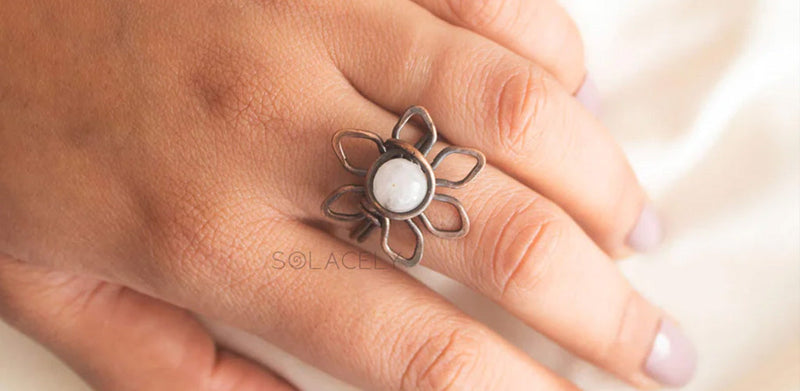
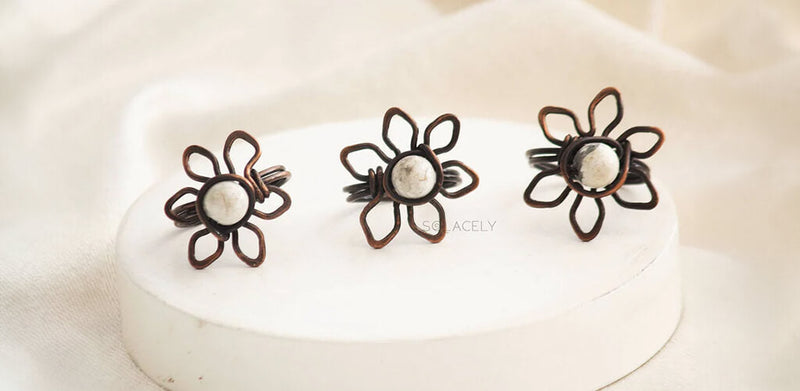
Copper is worn for healing in a handful of familiar forms, each tied to where the tradition places importance on the body. The bracelet is by far the most common, followed by rings and bangles. The wrist and fingers are easy, visible places to wear a daily reminder, which is partly why these forms dominate the tradition rather than any special property.
Here is how the main types compare in everyday use.
| Form | Where worn | Typical use in tradition | Relative cost |
|---|---|---|---|
| Plain copper bracelet | Wrist | Most common; joints, general wellbeing | Low |
| Copper ring | Finger | Astrological and daily wear | Lowest |
| Copper bangle (kada) | Wrist | Heritage, milestone gifting | Moderate |
| Magnetic copper bracelet | Wrist | Combines copper and magnet claims | Moderate |
| Copper-and-stone piece | Wrist / finger | Copper paired with a gemstone | Highest |
If the magnetic style appeals to you, read copper magnetic ring benefits first, because the magnetic claims carry the same evidence caveats as copper itself. Solid copper is the traditional choice; plated pieces flake and lose the point.
What the evidence actually shows for joints and arthritis
Most articles skip this part, so let's be direct. The best-designed study on copper bracelets is a randomised controlled trial by Richmond and colleagues, published in PLOS ONE in 2013. It followed rheumatoid arthritis patients wearing copper bracelets and magnetic wrist straps and found no meaningful difference in pain, inflammation, or disease progression compared with a placebo device.
That is the honest headline. Wearing copper did not measurably reduce arthritis symptoms in a controlled setting. The older idea that copper is absorbed through the skin in therapeutic amounts has never been reliably demonstrated in people either.
So why do some wearers feel better? Joint pain naturally rises and falls in waves. If you slip on a copper bracelet during a bad flare, the pain often eases over the following days regardless of the bracelet, and the timing feels like cause and effect. Add the placebo effect and the comfort of a daily ritual, and the belief becomes very sticky. Controlled trials are built to see through exactly this pattern, and when researchers looked, the effect vanished.
| Common healing claim | Status of evidence |
|---|---|
| Eases arthritis or joint pain | Not supported; 2013 RCT found no benefit vs placebo |
| Copper absorbed through skin heals | Not reliably demonstrated in humans |
| Antimicrobial on contact surfaces | Supported for copper as a surface metal |
| Balances energy or emotion | Traditional belief, not measurable |
| Improves circulation | No solid clinical evidence |
If you have arthritis or any joint disease, copper jewellery is not a substitute for a doctor's care. Wear it for meaning, not as treatment.
The one property that is genuinely real
Here copper earns respect. Copper surfaces kill many bacteria, viruses, and fungi on contact, an effect well documented in materials science and recognised by regulators for touch surfaces such as hospital door handles and rails. This is real, repeatable, and completely independent of any wellness claim. The metal is naturally hostile to microbes.
According to Encyclopaedia Britannica, copper is a highly conductive and reactive metal whose ions readily interact with their surroundings. That reactivity is what disrupts microbial cells on a copper surface, and it is the same chemistry that makes copper tarnish and leave a green mark on skin.
One honest caveat matters. Antimicrobial action on a doorknob is not the same as a health benefit from a bracelet on your wrist. The surface science is sound; the leap to 'copper jewellery cleans your body' is not supported. Keeping those two ideas separate is what makes the tradition trustworthy rather than oversold.
How to use copper jewellery well
Copper jewellery for healing is really about ritual and intention, so use is simple. There is no dosage and no schedule to follow. Wearing it consistently, and treating it as a small daily anchor, is the whole practice. Think of it as a mindful habit rather than a therapy.
A few practical pointers help you get the most from it:
- Wear it daily, on the non-dominant hand. Many people follow the custom of the left or non-dominant wrist. Our guide on which hand to wear a copper bracelet covers the customs in detail.
- Let it sit close to the skin. The tradition values direct contact, so a snug bracelet or ring fits the intent better than a loose one.
- Pair it with a small intention. A brief morning pause when you put it on turns adornment into ritual, which is where the real, grounding benefit lives.
- Keep expectations honest. Enjoy it as heritage and reflection, not as a fix for pain or illness.
- Remove it for exercise and showers. This keeps the metal drier and reduces the harmless green mark.
For the gentler, meaning-led side of the tradition, the spiritual benefits of wearing copper piece explores intention and symbolism further.
Copper, skin, and the green mark
If your wrist or finger turns green under copper, relax, it is normal and harmless. The colour is copper carbonate, formed when copper reacts with sweat, moisture, and air. It washes off with soap and water and says nothing about your health or the quality of the piece.
The mark shows up more in humid weather, during workouts, or when acidic lotions and perfumes sit against the metal. Some skin chemistries simply react more than others. We explain the full science and prevention in why copper turns your skin green, including easy ways to reduce it.
To minimise the mark, keep the piece dry, take it off before exercise or the shower, and wipe it after wear. A thin clear lacquer on the inside of a ring creates a barrier too. None of this is urgent. It is purely cosmetic and keeps both skin and metal looking their best.
Caring for copper jewellery
Copper tarnishes, and that is expected. Over weeks the bright shine warms to brown, then can develop a green-blue patina that many people love. If you prefer the original glow, cleaning takes minutes with things already in your kitchen.
Follow this light routine:
- Everyday wipe. After wearing, wipe the piece with a soft dry cloth to lift sweat and oils. This alone slows tarnish.
- Lemon and salt. For dull copper, rub with half a lemon dipped in salt, or a lemon-and-salt paste. The mild acid clears tarnish fast.
- Rinse and dry fully. Trapped moisture is what restarts tarnish, so dry the piece completely.
- Store dry and separate. Keep copper in a dry pouch, away from bathroom humidity and away from silver, whose surface tarnishes faster next to reactive copper.
- Skip harsh chemicals. Avoid bleach and abrasive scrubs, which can pit the metal.
With a few minutes of care now and then, a copper bracelet stays wearable for years.
Who should avoid copper jewellery
Copper jewellery is safe for most people, but not everyone. Those with a diagnosed copper or metal allergy can develop contact dermatitis, an itchy red rash where the metal sits. People with Wilson's disease, a genetic condition of copper overload, should avoid prolonged copper skin contact and follow their doctor's guidance.
Parents and expectant mothers sometimes ask about safety. Wearing copper is generally fine, but a copper piece is not a medical device and must never replace prescribed care. If a rash, persistent irritation, or discomfort appears, simply stop wearing the piece.
Worried about more serious fears? We tackle a common one head-on in can copper bracelets cause cancer, and the companion healing properties of copper jewellery guide weighs tradition against evidence in full. Worn sensibly, copper is a low-risk, high-heritage accessory.
Sources
- Richmond SJ, et al. 'Copper Bracelets and Magnetic Wrist Straps for Rheumatoid Arthritis.' PLOS ONE, 2013. journals.plos.org
- Encyclopaedia Britannica, 'Copper' (element, properties, and reactivity). britannica.com
- U.S. Environmental Protection Agency, registration of antimicrobial copper surfaces. epa.gov
Frequently asked questions
About the author


Written by Chetna Sharma, crystal healing practitioner and co-founder of Solacely. Chetna has worked with healing crystals for over a decade and curates Solacely's protective stone collection.