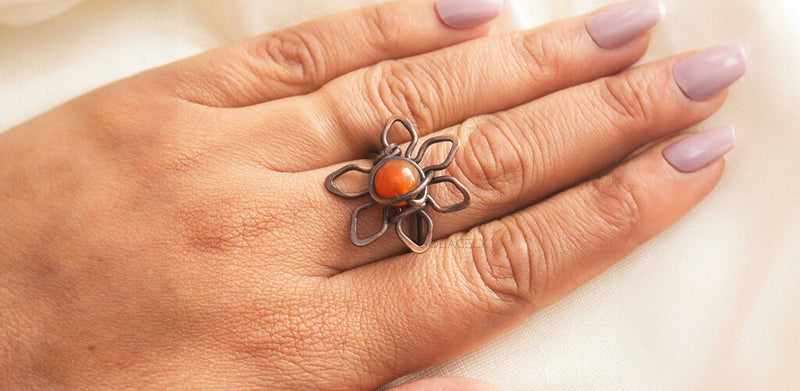
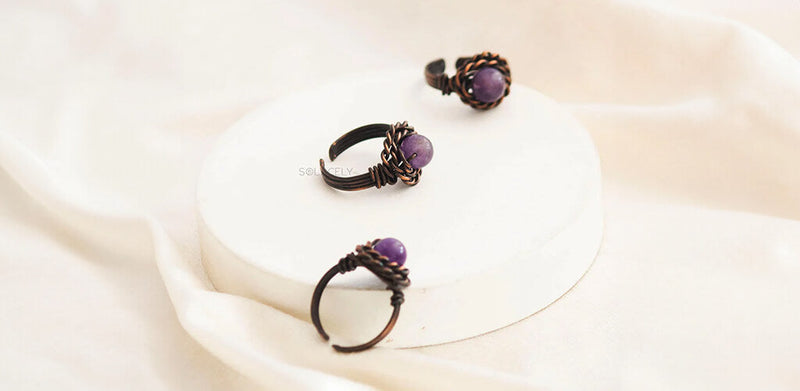
A copper magnetic ring is a copper band set with one or more small magnets, worn in the belief that copper and magnetism together ease joint pain and boost wellbeing. People value it as a handsome, affordable accessory with a long folk tradition. Honestly, though, good-quality research has not shown that the magnets deliver a real medical benefit.
Key Takeaways
- A copper magnetic ring is a copper band with tiny embedded magnets, sold for comfort and style, and typically an inexpensive accessory.
- The traditional claim is that copper plus magnetism improves circulation and eases aches. This is folk belief and personal experience, not established medical fact.
- What research shows: a 2007 meta-analysis in the CMAJ found static magnets do not reduce pain, and a 2013 trial in PLoS ONE found copper and magnetic wrist wear gave no benefit for rheumatoid arthritis.
- Copper itself is an essential nutrient. The NIH sets an adult daily need of about 900 micrograms, but very little crosses the skin from jewellery.
- Who should avoid magnets: anyone with a pacemaker, implanted defibrillator, or insulin pump should not wear magnetic jewellery, as magnets can interfere with these devices.
- Enjoy the ring for its beauty and the calm ritual of wearing it, not as a treatment. It never replaces medical care.
What a copper magnetic ring actually is
A copper magnetic ring is a simple thing: a ring made of copper, or a copper alloy, with one or more small permanent magnets set into the band. The magnets are usually neodymium or ferrite, measured in a rating called gauss. The idea sold with them is that copper's traditional wellness reputation combines with a magnetic field to support the body. It is jewellery first.
These rings sit in a wider family of magnetic wellness products, including bracelets, insoles, and wrist straps. You'll see them in wellness shops, at markets, and online, often alongside pyramid and Vastu items. Some are plain bands; others are set with healing stones. For the broader traditional view of the metal, our guide to the power of copper gives useful background.
It helps to separate two things right away. Copper the metal has a genuine, long cultural history in India and beyond. The magnet is a modern add-on with its own, quite different, evidence picture. Keeping them apart makes the claims much easier to judge honestly.
The traditional claims people make
People who wear copper magnetic rings usually describe the same handful of hoped-for benefits: less joint stiffness, easier movement in the fingers and hand, better circulation, more energy, and a general sense of balance. These claims come from folk tradition, personal testimony, and the wider magnet-therapy trend, not from clinical proof. They are beliefs worth understanding, not medical facts.
The reasoning offered is that magnets increase blood flow, so more oxygen and nutrients reach the tissues, which supposedly speeds healing and dampens pain. It sounds plausible, and many wearers genuinely feel better. That feeling is real and matters. What is not established is that the magnet, rather than comfort, habit, or expectation, is causing it.
Copper's own traditional story runs deeper and older. In Ayurvedic custom, copper is linked with warmth, grounding, and daily wellbeing, which is why copper vessels and bangles remain common in Indian homes. Our piece on the spiritual benefits of wearing copper explores that cultural side, framed as tradition. The ring carries that heritage, whatever the magnets do or don't do.
What magnetic therapy research actually shows
Here is the honest part. The best available research does not support the claim that static magnets in jewellery reduce pain or heal the body. A 2007 systematic review and meta-analysis in the Canadian Medical Association Journal (CMAJ) pooled randomised trials of static magnets for pain and concluded the evidence does not support a benefit beyond placebo. That is the strongest kind of evidence we have.
A 2013 randomised controlled trial published in the journal PLoS ONE went further and tested copper bracelets and magnetic wrist straps directly on people with rheumatoid arthritis. It found no meaningful difference in pain, inflammation, or disease activity compared with a non-magnetic control. This matters because it studied the exact combination, copper and magnets on the skin, that these rings promise. We cover the wider context in can copper bracelets cause cancer, which also draws on that trial.
The US National Center for Complementary and Integrative Health (NCCIH), part of the NIH, states plainly that scientific evidence does not support the use of static magnets for pain relief. So the picture is consistent across a meta-analysis, a targeted trial, and a government health body: limited, and mostly negative. That does not mean the ring is useless as an object. It means you should not buy it expecting a cure.
| Claim commonly made | What the evidence shows | Honest takeaway |
|---|---|---|
| Magnets increase blood flow and healing | No reliable clinical support (CMAJ meta-analysis, 2007) | Unproven; likely placebo |
| Copper and magnets ease arthritis pain | No benefit vs control (PLoS ONE trial, 2013) | Not established |
| Static magnets relieve general pain | NCCIH: evidence does not support use | Not recommended as treatment |
| Copper is essential to the body | True (NIH: ~900 mcg/day) | Real, but little absorbs from a ring |
Why people still feel a difference
Many wearers honestly report feeling better, and that experience deserves respect rather than dismissal. The likeliest explanations are the placebo effect, the comfort of a daily ritual, and simple attention to the body part you're caring for. When you slip on a ring each morning with intention, you notice your hands, move them more mindfully, and often feel calmer. That is a genuine benefit, just not a magnetic one.
The placebo effect is powerful and well documented in pain research. Expecting relief can measurably reduce how much pain you feel, which is exactly why good trials compare magnets against identical dummy versions. When they do, the magnet advantage tends to disappear. So the ring may still help you feel steadier, through mind and habit rather than physics.
There is also the plain pleasure of wearing something beautiful. A warm copper band that suits your skin can lift your mood and mark a small moment of self-care in a busy day. That is a fair reason to own one. Our look at copper metaphysical properties treats these ideas as intention and tradition, which is the right frame.
Who should avoid a copper magnetic ring
Most healthy people can wear a copper magnetic ring without concern, but a few groups should genuinely avoid the magnets. Anyone with an implanted electronic medical device, especially a pacemaker or an implantable cardioverter defibrillator, should not wear magnetic jewellery. Strong magnets held close to these devices can interfere with how they work, which is a real safety issue, not folklore.
- Pacemakers and defibrillators: Magnets can disrupt the timing or function of cardiac devices. If you have one, do not wear magnetic jewellery, and follow your cardiologist's guidance.
- Insulin pumps and other implanted electronics: These can also be affected by nearby magnets. Check with your doctor or the device maker before wearing one.
- Pregnancy: There is not enough safety research on magnet therapy in pregnancy, so it is sensible to skip it and ask your doctor.
- Metal allergies: Cheap 'copper' rings are sometimes alloyed with nickel, a common allergen. Redness or itching points to contact allergy. Choose genuine copper and stop wearing it if irritation appears.
- Broken or sensitive skin: Avoid wearing any metal ring over cuts, wounds, or active rashes until the skin heals.
If you have any doubt, or a chronic condition, ask a qualified doctor before wearing one daily. A ring should support your wellbeing, never complicate a real medical situation. For placement customs more generally, see which hand to wear a copper bracelet, which shares the same thinking about comfort and habit.
How to wear and care for one
Wearing a copper magnetic ring well is mostly about comfort, fit, and simple upkeep. Pick a size that sits snugly without pinching, and settle on a finger that feels natural, often the ring or index finger. Wear it for the pleasure and the ritual, not as a prescription. A little routine care keeps it bright and helps you spot any skin reaction early.
- Choose genuine copper. Look for solid, marked copper rather than a mystery alloy, especially with sensitive skin. Ask the seller what the metal and the magnet are.
- Keep it dry. Remove the ring before showering, swimming, dishwashing, or heavy exercise. Moisture speeds up the green patina.
- Clean it gently. A paste of lemon and salt, or a little tamarind, restores shine. Rinse and dry it fully afterwards, and keep water away from any set stones.
- Give your skin a break. Take the ring off overnight if you notice marks, dryness, or a faint green tinge on the finger.
- Watch for irritation. Redness or itching means stop and reassess, and see a doctor if it persists.
- Store it dry. Keep it in a small pouch away from humidity, and away from cards, phones, and other magnets.
That green mark, if it appears, is a harmless surface reaction between copper and sweat, not a sign of harm. It washes off. Our guide to copper healing properties covers everyday care in more depth, all framed as tradition rather than treatment.
Buying a copper magnetic ring
A copper magnetic ring is an affordable, everyday piece, so most of your care goes into checking the metal is genuine rather than plated. Real copper has a warm reddish-brown tone and develops a natural patina over time. Copper itself is not magnetic, so any pull you feel comes from the set magnets, not the band. Buy from sellers who describe the metal and finish honestly.
Simple copper magnetic rings are inexpensive, with heavier, stone-set, or artisan designs costing several times more. If a 'copper' ring stays mirror-shiny forever and never patinas, it may be coated or plated brass. Price is about craft and design, not medical power, so choose the one you'll actually enjoy wearing.
Quality matters more for comfort than for any health effect. A cleanly finished, genuine copper ring is less likely to irritate skin than a rough nickel alloy. If you want to understand the metal's wider appeal before buying, our overview of copper jewellery benefits sets out what draws people to it, framed as tradition rather than cure.
Sources
- Pittler MH, Brown EM, Ernst E. 'Static magnets for reducing pain: systematic review and meta-analysis of randomized trials,' CMAJ (2007) — found evidence does not support static magnets for pain relief. cmaj.ca
- Richmond SJ et al., 'Copper Bracelets and Magnetic Wrist Straps for Rheumatoid Arthritis,' PLoS ONE (2013) — randomised controlled trial finding no therapeutic effect. journals.plos.org
- National Center for Complementary and Integrative Health (NIH) — 'Magnets for Pain' (scientific evidence does not support use of magnets for pain). nccih.nih.gov
- National Institutes of Health, Office of Dietary Supplements — Copper Fact Sheet for Health Professionals (essential trace element; ~900 mcg/day RDA). ods.od.nih.gov
Frequently asked questions
About the author


Written by Chetna Sharma, crystal healing practitioner and co-founder of Solacely. Chetna has worked with healing crystals for over a decade and curates Solacely's protective stone collection.