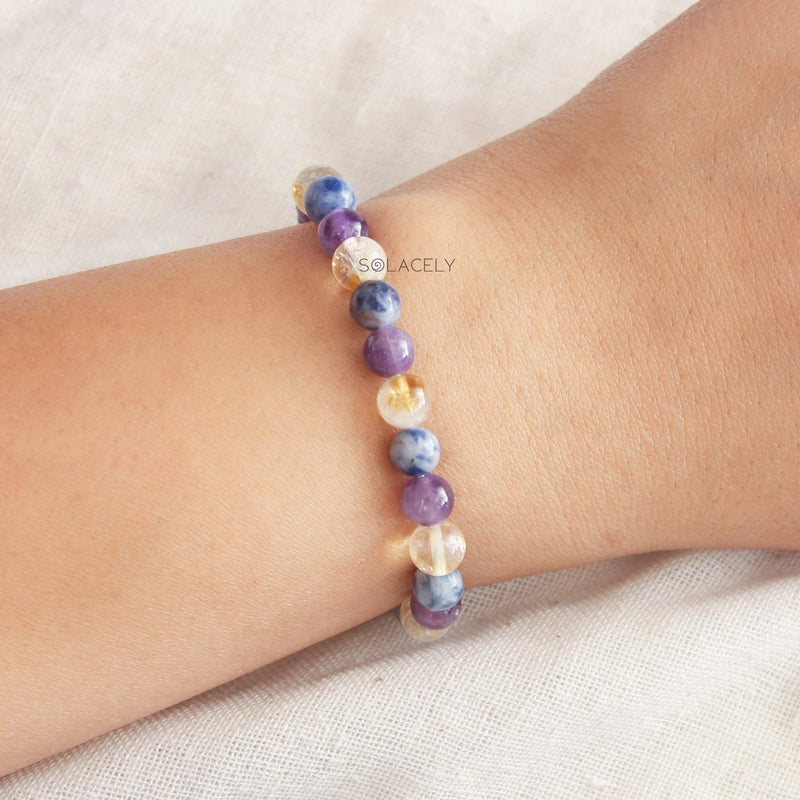
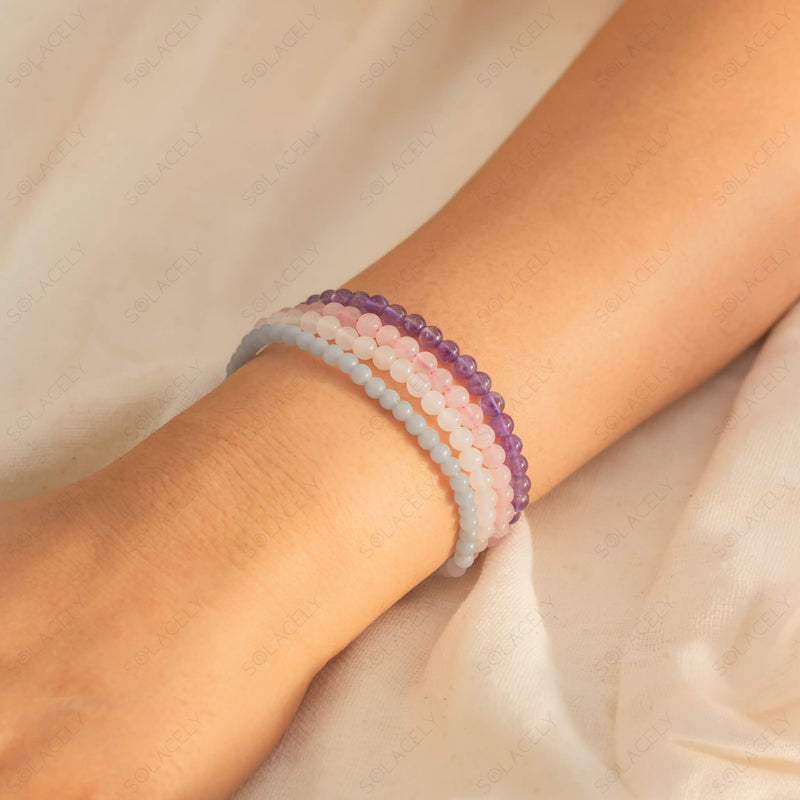
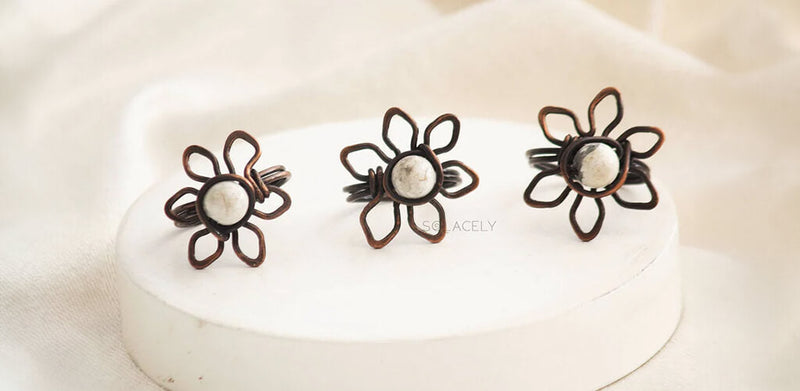
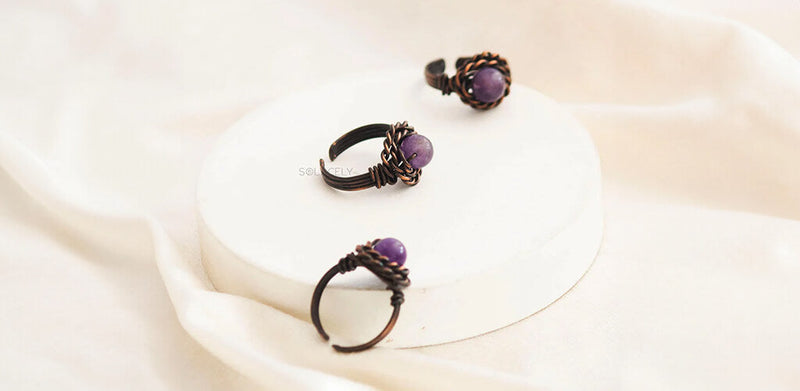
Copper jewellery, worn as bracelets, rings, and bangles, is traditionally believed to ease joint stiffness, steady energy, and balance emotion. These are long-held cultural beliefs, not proven medical facts. The strongest controlled study to date found no real therapeutic effect for arthritis, so treat copper as adornment with heritage, not medicine.
Key Takeaways
- Copper jewellery's 'healing' reputation is traditional belief, rooted in Ayurveda and folk medicine, not confirmed clinical science.
- A 2013 randomised trial published in PLOS ONE found copper bracelets gave no meaningful benefit over a placebo for rheumatoid arthritis.
- Copper is genuinely antimicrobial as a surface metal, which is real materials science, though wearing it as jewellery is a different context.
- A green skin mark under a copper bracelet is a harmless, cleanable reaction, not a sign of toxicity.
- Everyday copper pieces are inexpensive, which makes them affordable, low-risk adornment.
- People with copper allergy or Wilson's disease should avoid prolonged skin contact.
What copper jewellery is believed to do
Copper jewellery is worn in the belief that trace amounts of the metal, absorbed through skin or simply held close to the body, support joints, circulation, and emotional balance. This idea appears across Ayurveda, folk medicine, and modern wellness culture. It is a tradition passed down over generations, valued as much for meaning as for any measurable effect.
The metaphysical framing goes further. In many traditions copper is linked to Venus, warmth, and the flow of energy, which is why it is said to 'conduct' vitality. For the deeper mineralogy and energy claims, see our companion guide on the healing properties of copper, which sits alongside this piece as the more science-led read.
Here, the focus is narrower: copper worn on the body. Bracelets, rings, and bangles carry the bulk of these beliefs, partly because the wrist and fingers are easy, visible places to wear a daily reminder of intention.
The traditional and Ayurvedic context
In Ayurveda, copper (known as tamra) has a long documented role, most famously in tamra jal, water stored overnight in a copper vessel and sipped in the morning. That practice, rather than jewellery, is where much of copper's Indian wellness reputation begins. Wearing copper extends the same cultural logic of keeping the metal close.
Copper bracelets and rings appear in Indian households as everyday objects, sometimes worn from childhood, sometimes gifted at milestones. The belief is gentle and habitual, not clinical. A grandmother's copper bangle is worn because it has always been worn, and because it feels grounding.
This heritage matters. It explains why copper jewellery endures even when laboratory evidence is thin. People wear it for continuity, ritual, and quiet reassurance, which are real human benefits even if they are not pharmacological ones. Treating that respectfully means being honest about what it is: culture, not cure.
What the evidence actually shows
This is the part most articles skip. The best-designed study on copper bracelets, a randomised controlled trial by Richmond and colleagues published in PLOS ONE in 2013, followed rheumatoid arthritis patients wearing copper bracelets and magnetic wrist straps. It found no meaningful difference in pain, inflammation, or disease progression compared with a placebo device.
That is the honest headline. Wearing a copper bracelet did not measurably reduce arthritis symptoms in a controlled setting. Earlier claims about copper being absorbed through the skin in therapeutic amounts have never been reliably demonstrated in humans either.
So why do some wearers report feeling better? Likely a mix of the placebo effect, natural fluctuation in joint pain, and the comfort of a daily ritual. None of that is worthless, but none of it makes copper a treatment. If you have arthritis or joint disease, copper jewellery is not a substitute for a doctor's care.
It is also worth understanding why the myth is so sticky. Joint pain naturally comes and goes in waves, so if you slip on a copper bracelet during a bad flare, the pain often eases over the following days regardless of the bracelet. The timing feels like cause and effect. This is exactly the kind of pattern controlled trials are designed to see through, and when researchers did, the effect vanished.
| Common claim | Status of evidence |
|---|---|
| Eases arthritis / joint pain | Not supported; 2013 RCT found no benefit vs placebo |
| Copper absorbed through skin heals | Not reliably demonstrated in humans |
| Antimicrobial on contact surfaces | Supported for copper as a surface metal |
| Balances energy / emotion | Traditional belief, not measurable |
| Green skin mark is dangerous | False; harmless, cleanable reaction |
The one property that is real: antimicrobial copper
Here is where copper earns genuine respect. Copper surfaces kill many bacteria, viruses, and fungi on contact, an effect well documented in materials science and recognised by regulators for touch surfaces in hospitals. This is real, repeatable, and independent of any wellness claim. The metal itself is naturally hostile to microbes.
According to Britannica, copper is a highly conductive, reactive metal whose ions readily interact with their surroundings, which is part of why copper surfaces disrupt microbial cells. That reactivity is the same reason copper tarnishes and why it can leave a green mark on skin.
A word of caution though. Antimicrobial action on a doorknob is not the same as a health benefit from a bracelet on your wrist. The science is sound; the leap to 'copper jewellery cleans your body' is not. It is worth separating the two clearly, because honest framing is what builds trust.
Copper jewellery and skin: the green mark explained
If your finger or wrist turns green under a copper ring or bracelet, that is completely normal and harmless. The colour is copper carbonate, formed when copper reacts with moisture, sweat, and air. It washes off with soap and water and signals nothing about your health or the quality of the piece.
The reaction is more visible in humid weather, during exercise, or if you use acidic lotions and perfumes. Some skin chemistries react more than others. We cover the full science and prevention tips in why copper turns your skin green, including simple ways to reduce it.
To minimise the mark: keep the piece dry, remove it before workouts or the shower, and wipe it after wear. A thin clear lacquer or a sealant coat on the inside of a ring also creates a barrier. None of this is urgent, it is purely cosmetic, but it keeps both skin and metal looking their best.
How to care for copper jewellery
Copper tarnishes, and that is expected. Over weeks the bright shine dulls to a warmer brown, then can develop patches of green-blue patina. Many people love this aged look. If you prefer the original glow, cleaning takes minutes with things already in your kitchen.
Follow this simple routine:
- Everyday wipe. After wearing, wipe the piece with a soft dry cloth to remove sweat and oils. This alone slows tarnish considerably.
- The lemon-and-salt method. For dull copper, rub with half a lemon dipped in salt, or a paste of lemon juice and salt. The mild acid lifts tarnish fast.
- Rinse and dry fully. Rinse under clean water and dry completely. Trapped moisture is what restarts tarnish.
- Store dry. Keep pieces in a dry box or pouch, away from bathroom humidity. A small silica sachet helps.
- Skip harsh chemicals. Avoid bleach and abrasive scrubs, which can pit the surface.
Store copper away from your silver and plated pieces, since copper's reactivity can speed tarnish on neighbours. With a light routine, a copper bracelet stays wearable for years.
Choosing copper jewellery
Copper jewellery is one of the most affordable pieces you can buy, which is part of its appeal as a low-risk, meaningful accessory. Simple copper bracelets and rings sit at the entry tier, with heavier artisan bangles or copper-and-stone designs costing two or three times as much. You are rarely risking much money.
A few buying pointers. Look for solid copper rather than copper-plated base metal if you want the traditional experience and the honest tarnish that comes with it. Plated pieces flake over time and lose the point. Ask the seller directly whether it is pure copper.
If you are drawn to the magnetic-copper style, read copper magnetic ring benefits first, since the magnetic claims carry the same evidence caveats as copper itself. For placement traditions, our guide on which hand to wear a copper bracelet covers the customs people follow, and the wider benefits of copper jewellery rounds out the picture.
Who should avoid copper jewellery
Copper jewellery is safe for most people, but not everyone. Those with a diagnosed copper or metal allergy may develop contact dermatitis, an itchy red rash where the metal sits. People with Wilson's disease, a genetic condition of copper overload, should avoid prolonged copper skin contact and follow their doctor's guidance.
Pregnant women and parents of small children sometimes ask about safety. Wearing copper is generally fine, but a copper piece is not a medical device and should never replace prescribed care. If a rash, persistent irritation, or discomfort appears, simply stop wearing the piece.
Worried about more serious risks? We address a common fear directly in can copper bracelets cause cancer, and cover the gentler side of the tradition in spiritual benefits of wearing copper. Worn sensibly, copper jewellery is a low-risk, high-heritage accessory.
Sources
- Richmond SJ, et al. 'Copper Bracelets and Magnetic Wrist Straps for Rheumatoid Arthritis.' PLOS ONE, 2013. journals.plos.org
- Encyclopaedia Britannica, 'Copper' (element, properties, and reactivity). britannica.com
- U.S. Environmental Protection Agency, registration of antimicrobial copper surfaces. epa.gov
Frequently asked questions
About the author


Written by Chetna Sharma, crystal healing practitioner and co-founder of Solacely. Chetna has worked with healing crystals for over a decade and curates Solacely's protective stone collection.