Crystals are traditionally kept alongside the body's systems rather than aimed at them: amethyst and howlite for rest, citrine and sunstone for flat energy, rose quartz for the emotional weather. What the practice offers is ritual and attention, and it belongs beside medical care rather than in place of it.
Key takeaways
- Crystals are not a treatment for any condition, and nothing here should delay seeing a GP.
- What a practice genuinely offers is ritual, pause and attention, which are worth having.
- Rest: amethyst and howlite, kept on a nightstand and never in bedding.
- Flat energy: citrine, sunstone and carnelian, the warm-toned stones of the tradition.
- The one real risk is delay, so treat a persistent symptom as a medical question first.
What a crystal practice can honestly offer
It is worth being plain at the start, because most writing on this subject is not. Crystals belong to a tradition of meaning and ritual rather than to medicine, and a stone is a companion to proper care rather than a stand-in for it.
What the practice does offer is real enough. It builds a small daily ritual, it attaches a physical object to an intention, and it creates a pause in a day that otherwise has none. Those are the mechanisms, and they are the reason people keep the habit for years.
Held that way the tradition has considerable value. A stone on a desk that reminds you to breathe before a difficult call is doing something genuine, and describing it accurately makes it more useful rather than less.
Rest and sleep
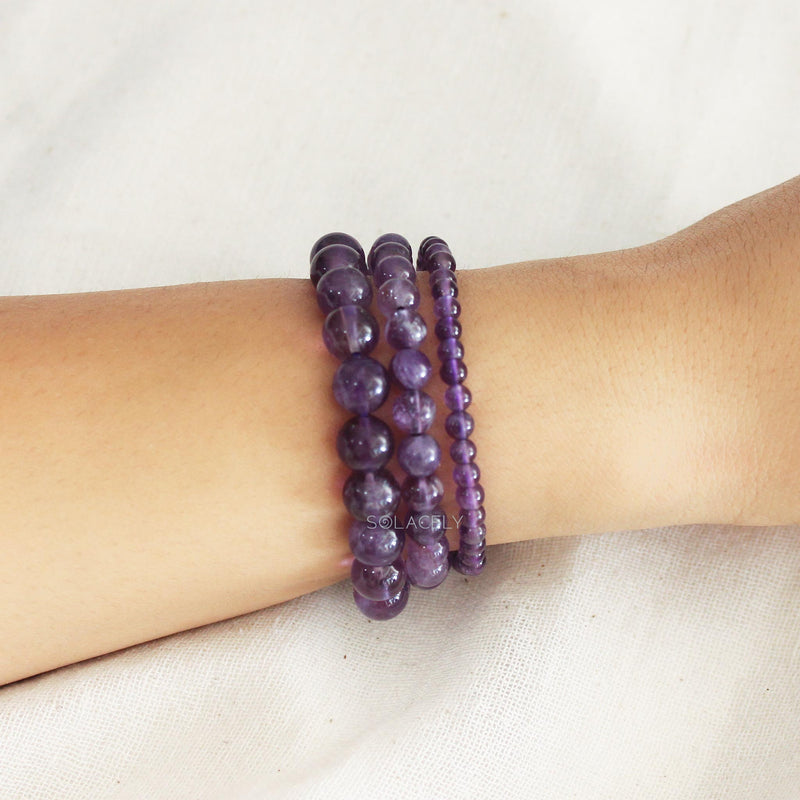
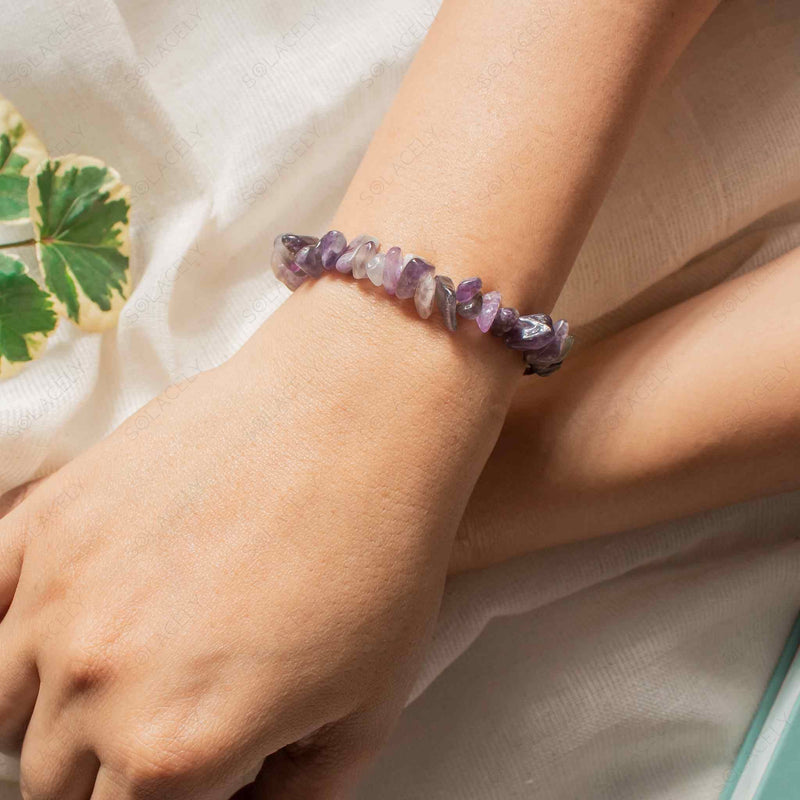
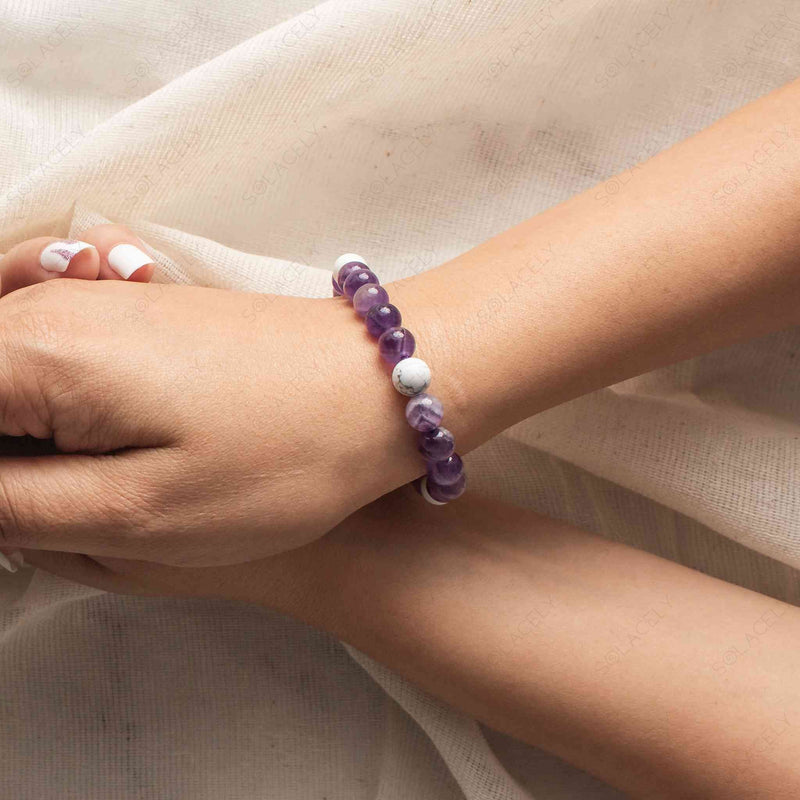
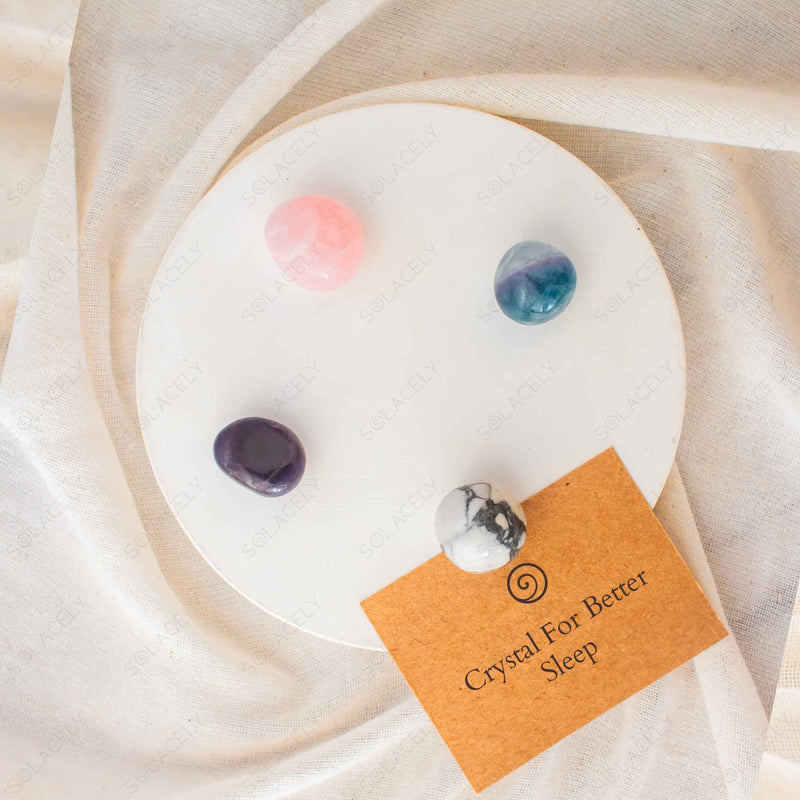
This is where most people start, and the traditional choices are amethyst and howlite. Amethyst is kept for settling generally; howlite for the more specific state of a body that is tired and a head still rehearsing the day.
Placement matters more than the stone. Both belong on a nightstand where they mark the end of the day, and neither should go under a pillow or into bedding, where a hard object gets rolled onto and disturbs the sleep it was meant to help.
The value here is the routine. A stone that always means the light goes down now is a decent anchor for a wind-down habit. For the fuller version, crystals for insomnia covers the bedside set and, more usefully, when to stop treating sleep as a crystal question.
Energy and drive
The traditional stones here are the warm ones: citrine, sunstone and carnelian, all associated with vitality and coming back into things after a demanding stretch.
The distinction that matters is between flatness and fatigue. Flatness is the state where nothing feels worth starting though you are physically fine, and it is what these stones are traditionally kept for. Genuine persistent tiredness is a different matter and is worth having looked at properly.
Used well, a warm stone worn on a day that needs momentum is a small marker for deciding to start. That is a fair thing for an object to do, and it is what people who keep the habit actually report.
The body-system view at a glance
| What you are dealing with | Traditional stones | Where it belongs instead |
|---|---|---|
| Winding down at night | Amethyst, howlite | Sleep hygiene; a GP if it persists |
| Flat, low momentum | Citrine, sunstone, carnelian | A GP if tiredness is constant |
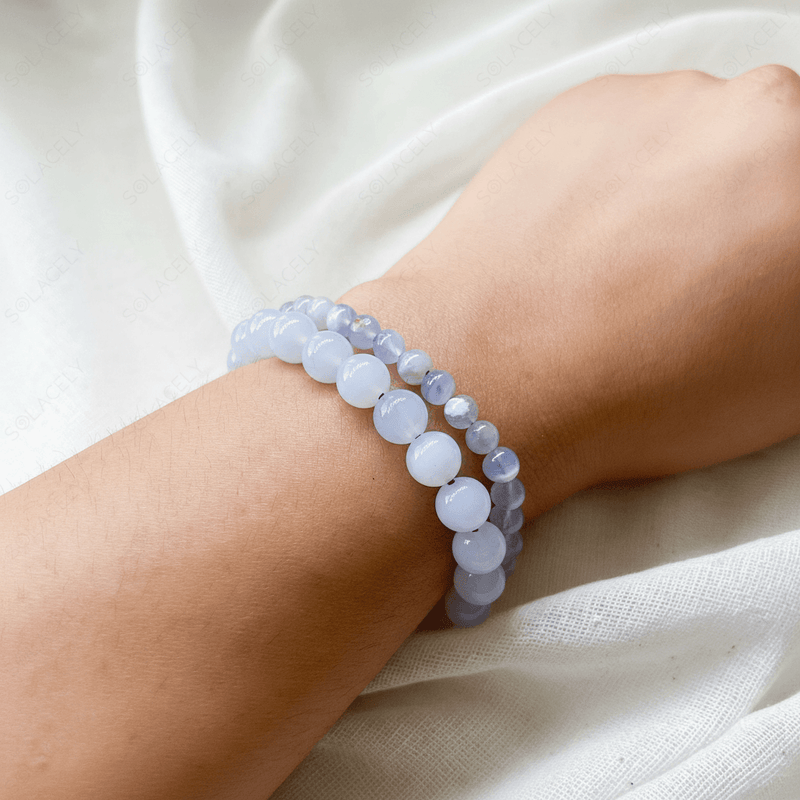
| Restless, wound up | Lepidolite, blue lace agate | Talking therapies for persistent anxiety |
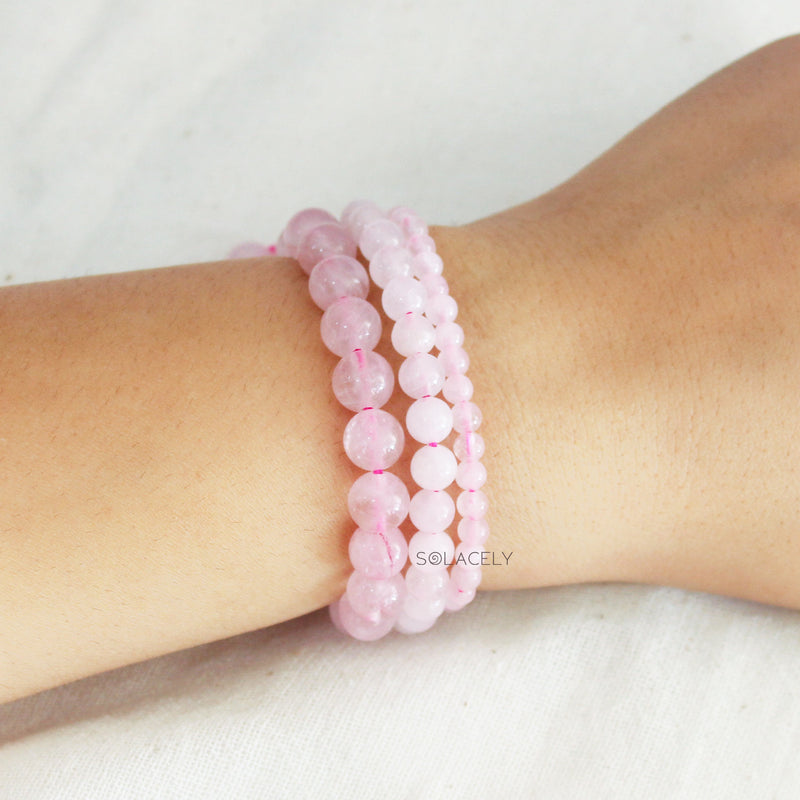
| Emotional weather | Rose quartz, rhodonite | A qualified practitioner |
| Scattered, ungrounded | Hematite, black tourmaline | Rest, food, and less on the calendar |
| Any physical symptom | None | A GP, without delay |
The right-hand column is the important one and it is the column most guides leave out entirely.
Emotional wellbeing
Rose quartz is the stone most associated with this, kept for kindness turned inward rather than romance, which is the more common misreading. Rhodonite sits nearby and is traditionally reached for when the difficulty is being fair to yourself after something has gone wrong.
These are the stones where the ritual mechanism is clearest. Holding an object while deliberately thinking something kind about yourself is a small structured practice, and structure is most of what makes a habit stick.
It is also the area where the line matters most. Persistent low mood, anxiety that interferes with work or relationships, and anything that feels like more than a bad week belong with a professional. Crystals for anxiety and stress covers the traditional set and says the same thing.
How the chakra framework fits
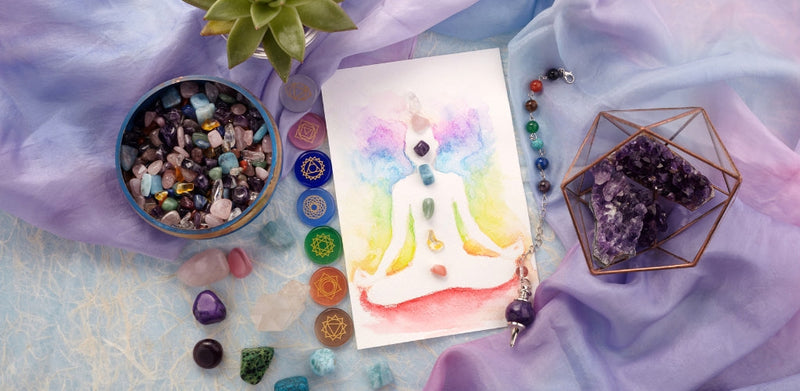
Most crystal practice organises itself around the chakra system, which assigns each centre a colour, a domain and a set of associated stones. It is a framework of correspondence and meaning rather than a physiological map, and it is genuinely useful understood that way.
Its usefulness is organisational. If you know that blue stones sit at the throat and relate to speech, you can choose sensibly among a hundred options rather than buying whatever the shop has most of.
The system is also thousands of years old and internally consistent, which is why it has survived. For the structure itself, understanding the chakra system sets out the seven centres and what belongs at each.
Building a practice that lasts
Two or three stones is plenty. A shelf of thirty becomes scenery inside a fortnight, and the entire value of the object depends on picking it up still meaning something.
- Attach each stone to one moment. One for the end of the day, one for starting work.
- Keep them where that moment happens. Not all together in a bowl.
- Clean them occasionally. Warm water and mild soap suits most quartz family stones.
- Let the practice change. Move a stone forward when what you need shifts.
That last point is the one that separates a practice from a collection. Noticing that the stone you reach for has changed is a form of paying attention to yourself, and it is arguably the most valuable thing on offer here.
Where the real risk sits
There is one, and it is not the stones themselves. The risk is delay. If a crystal becomes a reason to wait another month before asking somebody about a symptom, that is genuine harm, and it is the only way this practice does damage.
The rule is simple enough to state in a sentence. Anything physical, anything persistent, and anything that is getting worse is a medical question, and the stones sit alongside whatever care follows rather than instead of it.
Held to that, a crystal practice costs very little and gives a lot of people something real: a moment of pause, a reminder, and a small object that means one thing reliably. That is worth having on its own terms.
The properties described here reflect traditional and cultural belief around crystals. They are offered for reflection and wellbeing and are not medical advice, a diagnosis, or a treatment for any condition. Crystals should never replace prescribed treatment, delay a medical appointment, or be used in drinking water. If you have a physical symptom, a persistent change in mood or energy, or any health concern, please speak with a GP or a qualified healthcare professional. Keep small stones away from young children.
Sources
Written by Chetena Sharma. Reviewed by the Solacely editorial team.
Frequently asked questions
About the author


Written by Chetna Sharma, crystal healing practitioner and co-founder of Solacely. Chetna has worked with healing crystals for over a decade and curates Solacely's protective stone collection.