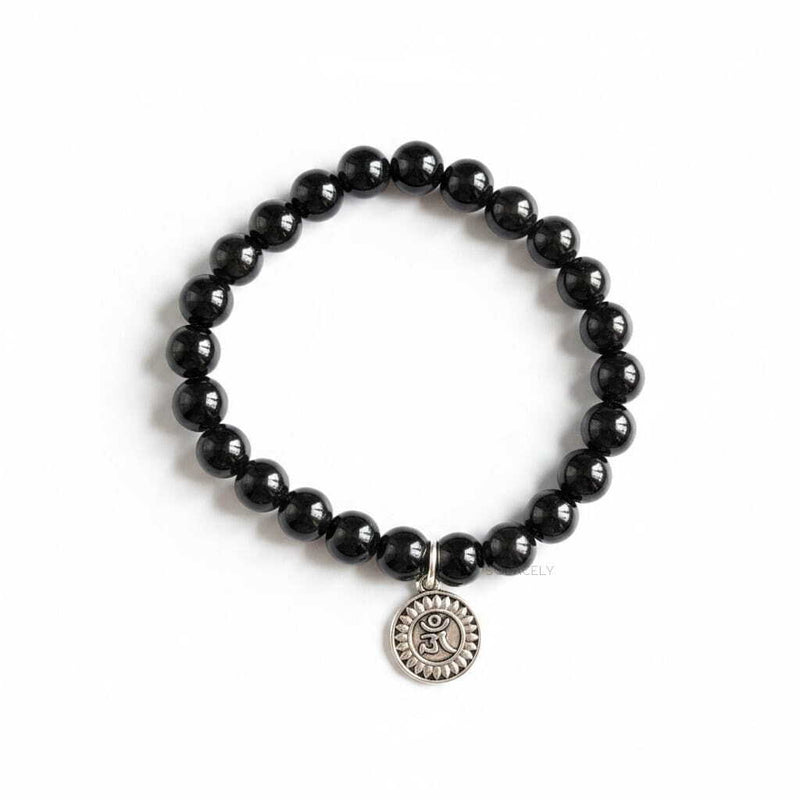
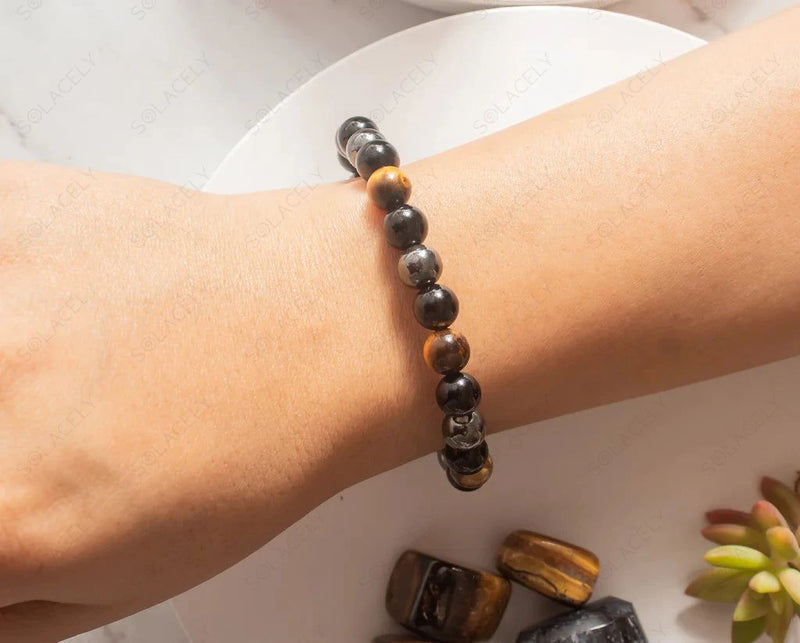
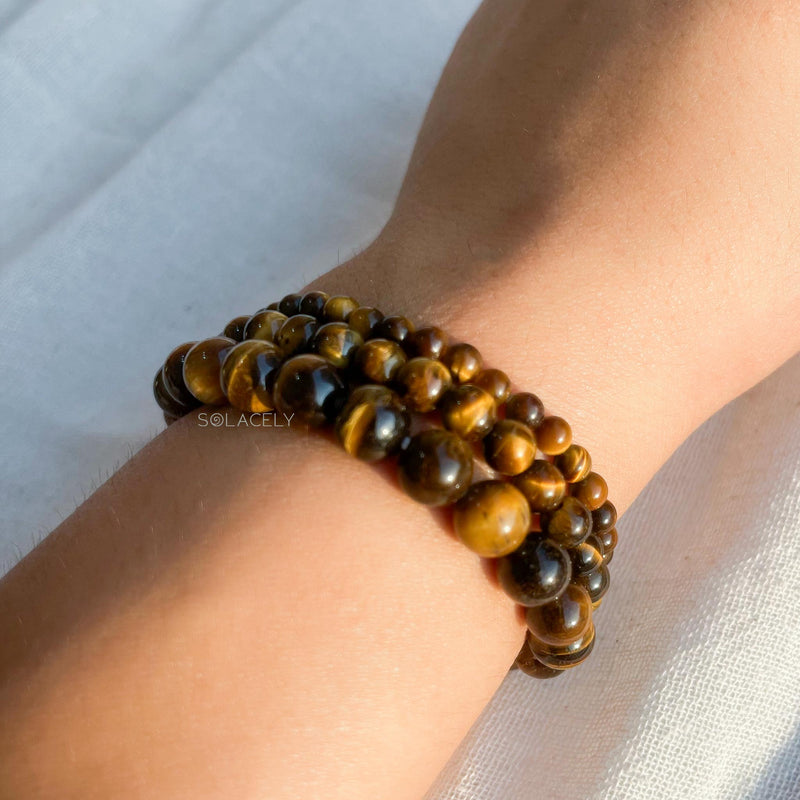
Ketu is the south lunar node in Vedic astrology, one of the two points where the Moon's orbit crosses the plane of the ecliptic. Its classical gemstone is cat's eye chrysoberyl, known as lehsunia, with tiger's eye, smoky quartz and black obsidian used as widely available substitutes.
Key takeaways
- Ketu is the south lunar node, opposite Rahu, the north node.
- In Vedic tradition it is a chhaya graha, or shadow planet, linked to detachment, past patterns and spiritual insight.
- Classical stone: cat's eye chrysoberyl (lehsunia), traditionally worn on an astrologer's recommendation.
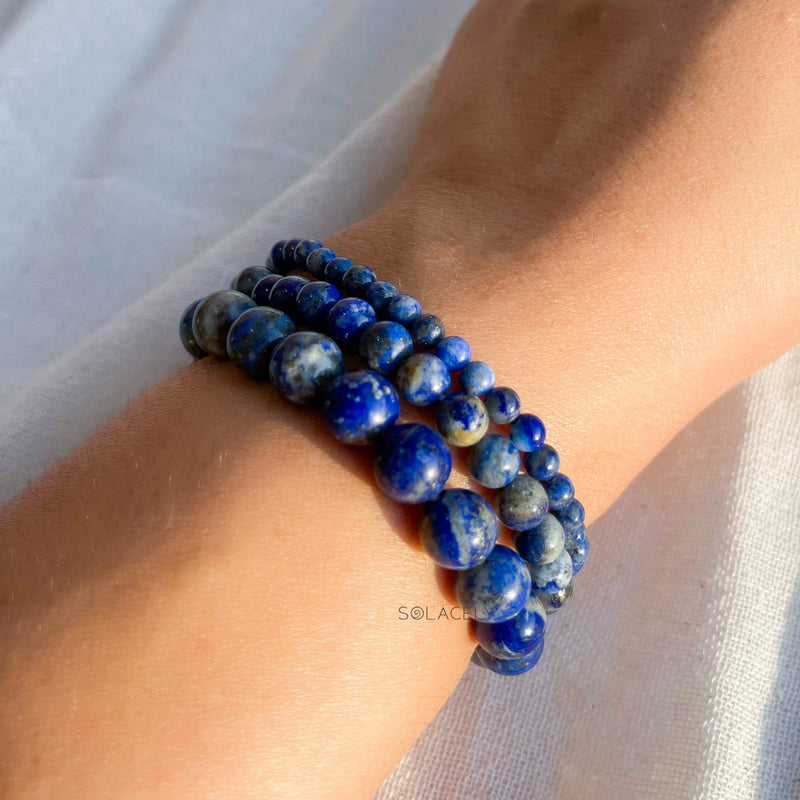
- Common substitutes: tiger's eye, smoky quartz, black obsidian, lapis lazuli.
- Remedial practice centres on charity, mantra and meditation as much as on stones.
What Ketu is
The Moon's orbit is tilted relative to the plane of Earth's orbit around the Sun, so it crosses that plane twice each cycle. Those two crossing points are the lunar nodes, and eclipses occur when a new or full moon falls near one of them.
Vedic astronomy identified these points long ago, and Vedic astrology treats them as planets: Rahu at the ascending or north node, Ketu at the descending or south node. They are called chhaya grahas, shadow planets, and they always sit exactly opposite each other in a chart.
Mythologically, Rahu and Ketu are the severed head and body of an asura who drank the nectar of immortality and was cut in two by Vishnu. Ketu, the headless body, is read as the part that acts without appetite: detachment, dissolution, and the letting go of things that have run their course.
What Ketu is associated with
Traditional readings assign Ketu a consistent set of themes: detachment from material concern, the surfacing of skills or patterns carried from the past, spiritual insight, solitude, and endings. Where Rahu is described as craving and expansion, Ketu is described as renunciation and contraction.
People usually come to Ketu stones during one of two situations: a Ketu mahadasha, a roughly seven-year period in the Vimshottari dasha system, or a transit affecting a sensitive point in the chart. Both are traditionally described as stretches that feel unmoored, where things fall away and there is a pull toward solitude.
Rahu is the mirror image, and the two are studied together. Our crystals for Rahu guide covers the north node.
The classical stone: cat's eye chrysoberyl
Vedic gemmology assigns a gemstone to each of the nine grahas, and Ketu's is cat's eye chrysoberyl, known in Sanskrit and Hindi as lehsunia or vaidurya. It is a chrysoberyl showing chatoyancy, the single bright band of reflected light that moves across the stone as it turns, produced by parallel needle-like inclusions.
Fine chatoyant chrysoberyl is a genuinely precious material, and classical practice holds that planetary gemstones should be prescribed against a specific birth chart by someone qualified to read one. That is the traditional route for anyone considering a formal remedial gem.
Substitute stones people wear
| Stone | Why it is used for Ketu |
|---|---|
| Tiger's eye | Also chatoyant, giving the same moving band of light |
| Smoky quartz | Grounding through a period described as unmoored |
| Black obsidian | Traditionally kept for looking at what you would rather not |
| Lapis lazuli | Chosen for the insight and inward-turning side of Ketu |
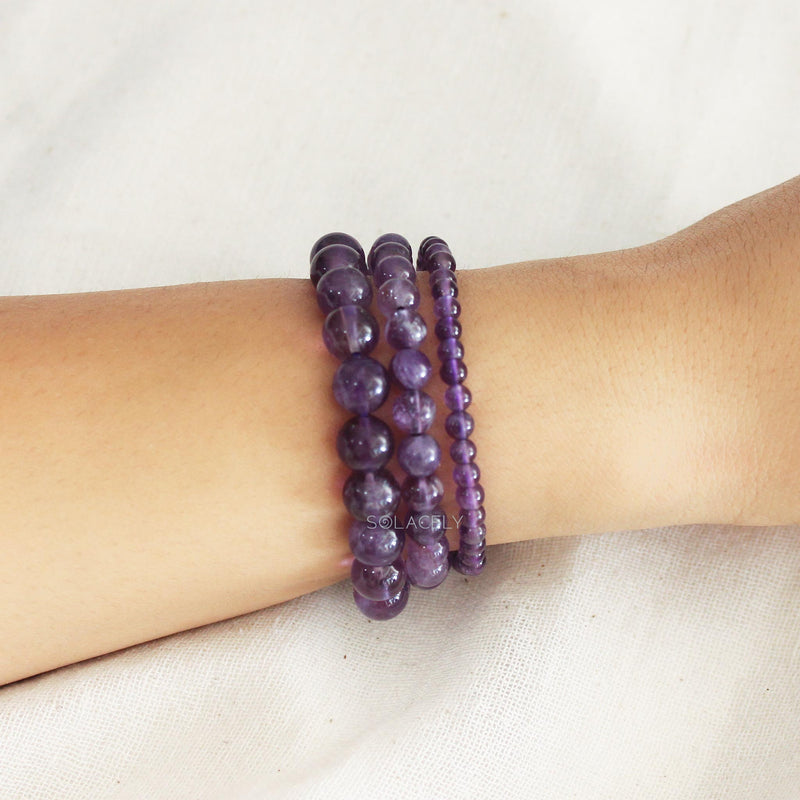
| Amethyst | Added for the spiritual and meditative themes |
Tiger's eye is the most common substitute, and the reason is chatoyancy: it produces the same moving band of light through the same optical mechanism, parallel fibrous inclusions. As a daily-wear stone it is the usual choice, and it is beautiful in its own right.
The grounding stones in that list overlap with our crystals for protection selection, worth reading if the unsettled feeling is the main thing you want to address.
How the stones are traditionally worn
- Metal. Cat's eye is classically set in silver or panchdhatu, a five-metal alloy, rather than gold.
- Finger. The middle finger of the right hand is the conventional placement for Ketu.
- Day. Tuesday is the day traditionally associated with beginning to wear it.
- Weight. Prescriptions are given in ratti and depend on the chart rather than on preference.
- Substitutes. Worn however suits you, as a personal reminder rather than a prescribed gem.
Practices that go with a Ketu period
Traditional remedial practice for Ketu is not primarily about stones. It centres on charity, particularly to those in genuine need, on mantra recitation, and on meditation, all of which fit the node's themes of release rather than acquisition.
Many people find a sitting practice the most useful part, since a Ketu period is traditionally described as disorienting rather than obstructive. Our crystals for meditation guide covers stones that support sitting, crystals for spiritual strength covers the stones people turn to when a practice gets hard, and crown chakra crystals covers the upper-chakra associations that overlap with Ketu's themes.
Caring for these stones
Tiger's eye and smoky quartz are quartz family stones around 7 on the Mohs scale and take warm water and a soft cloth easily, though smoky quartz should be kept out of sustained direct sun. Black obsidian is natural volcanic glass and can hold a sharp edge on a broken piece, so check raw specimens before handling.
Cat's eye chrysoberyl is hard and durable at 8.5, though as a precious stone it deserves separate storage and gentle cleaning. For energetic cleansing, sound, smoke, moonlight or a rest on selenite all suit the group.
Vedic astrology and gemstone remedies are traditional cultural and spiritual practices offered here for reflection. Nothing here is medical, financial or psychological advice. Planetary gemstone prescriptions should come from a qualified astrologer working from your birth chart.
Sources
Written by Chetena Sharma. Reviewed by the Solacely editorial team.
Frequently asked questions
About the author


Written by Chetna Sharma, crystal healing practitioner and co-founder of Solacely. Chetna has worked with healing crystals for over a decade and curates Solacely's protective stone collection.