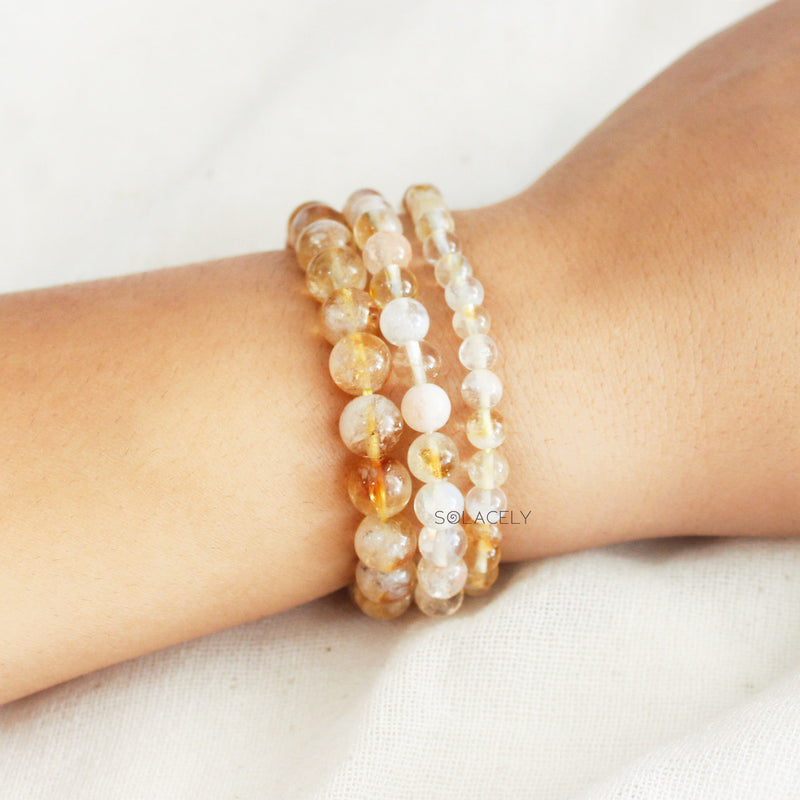
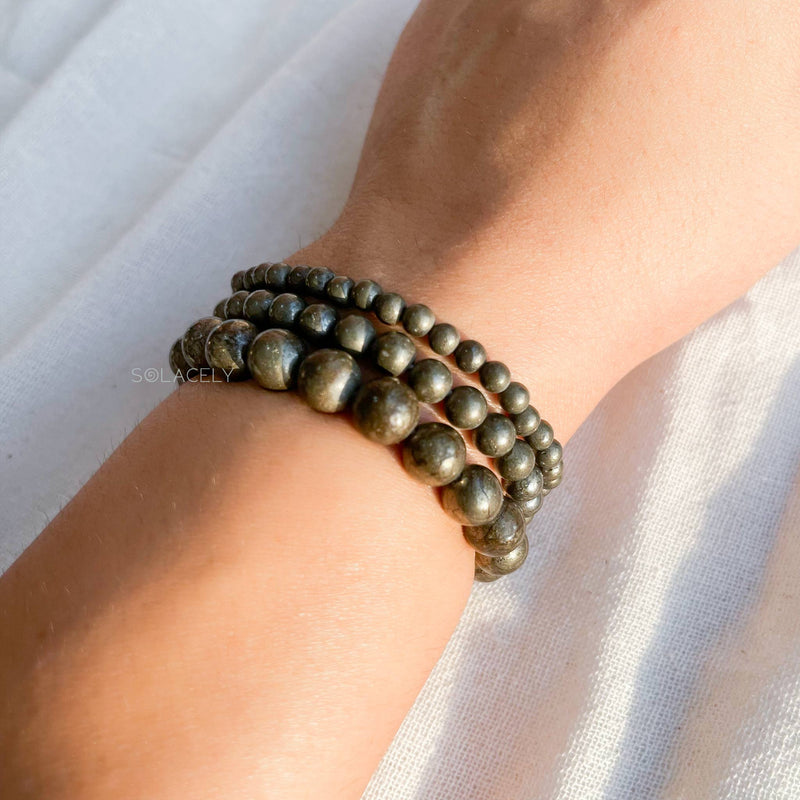
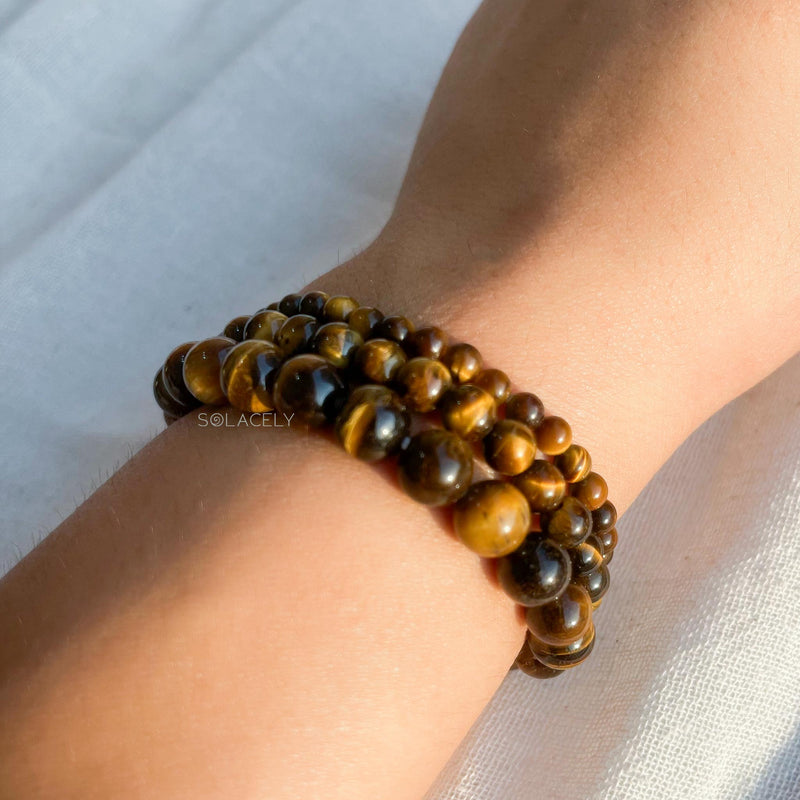
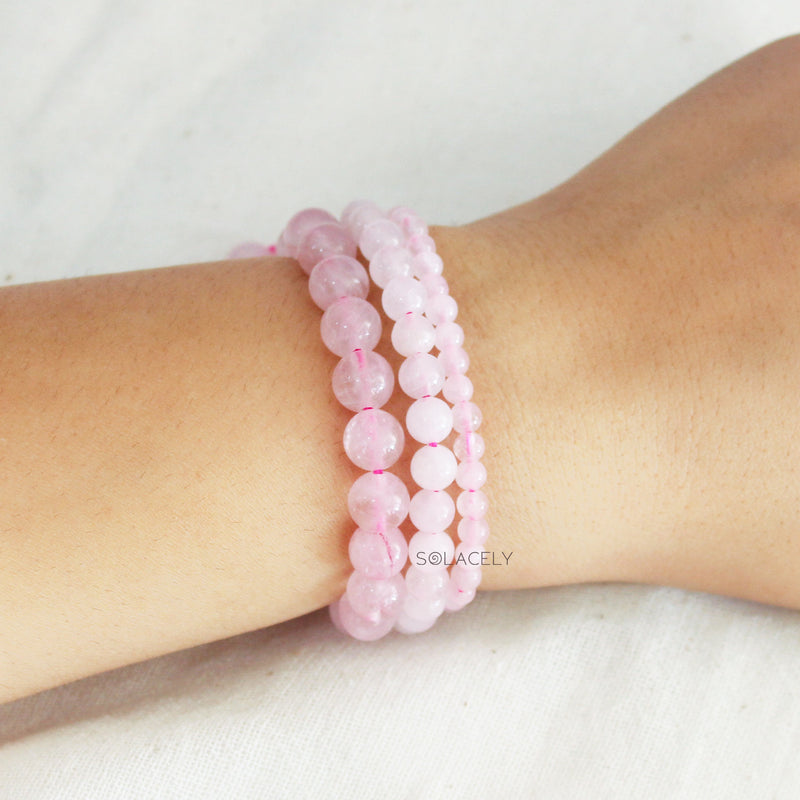
The crystals traditionally kept for self-esteem are citrine, pyrite, tiger's eye, sunstone and rose quartz. The first four belong to the solar plexus, the chakra of will and self definition. Rose quartz is on the list because self-esteem and self kindness are closely tied in crystal practice.
Key takeaways
- Four solar plexus stones: citrine, pyrite, tiger's eye, sunstone.
- Rose quartz covers the self kindness half, which is where most people actually get stuck.
- Self-esteem stones work on the long view. Confidence stones work on the moment.
- A ring is the most effective format, because you see it hundreds of times a day.
- Pair it with one specific sentence said each morning. Repetition beats eloquence.
- Keep pyrite dry. Never cleanse it with water or salt.
The solar plexus, and why these stones cluster there
Chakra tradition places the solar plexus just above the navel and links it to will, boundaries and self definition. It is described as the seat of what you are prepared to ask for, which is exactly the territory self-esteem occupies.
That placement explains the recommendations. Citrine, pyrite, tiger's eye and sunstone are all warm, golden or metallic stones, and all four are traditionally kept by people who undercharge, over apologise, accept the first number offered, or shrink in rooms where they have every right to be.
| Stone | Traditionally kept for |
|---|---|
| Citrine | Self worth, charging properly |
| Pyrite | Willpower, earned value, holding a price |
| Tiger's eye | Nerve in the moment, speaking up |
| Sunstone | Visibility, taking up space |
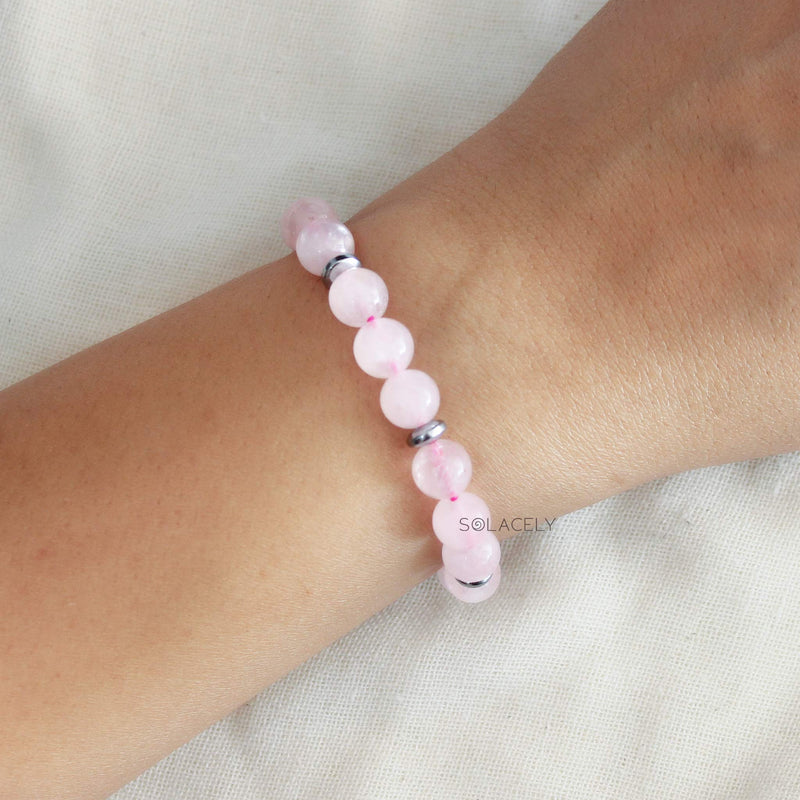
| Rose quartz | Self kindness, easing the inner critic |
Why rose quartz belongs on the list
It is the one people leave off, and it is often the one that matters most.
Low self-esteem rarely looks like a lack of drive. More often it looks like a harsh internal commentary running underneath perfectly competent work. The solar plexus stones address what you are prepared to ask for, but rose quartz addresses how you speak to yourself while you are asking, and those are different problems.
If your difficulty is the voice rather than the ambition, start with rose quartz and add citrine later. Our guide to rose quartz for emotional healing covers that side.
Self-esteem and confidence are not the same
Worth separating, because the stones differ.
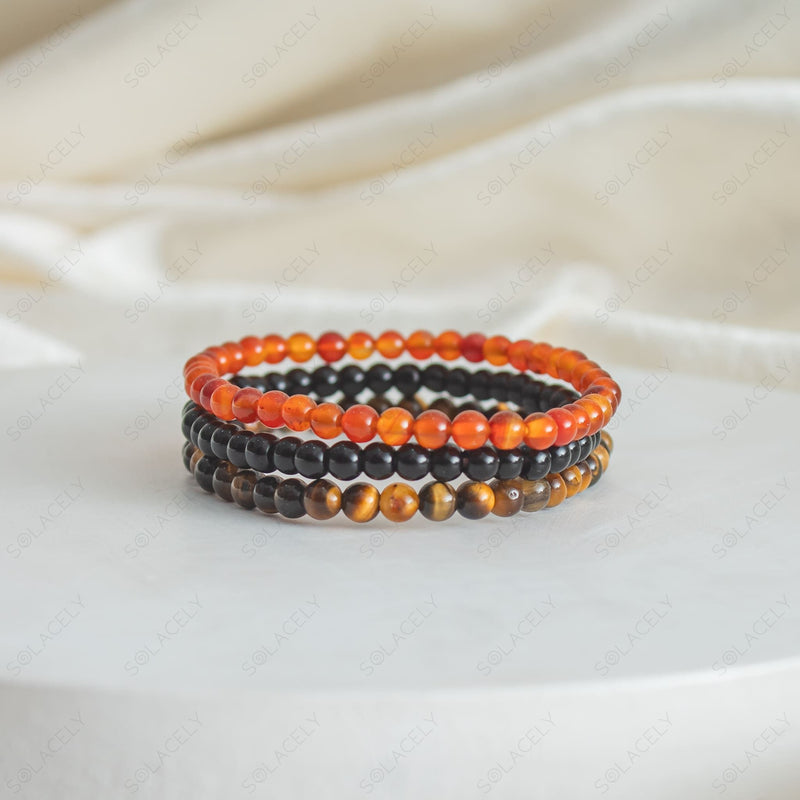
Confidence is situational: an interview, a presentation, a difficult call. Tiger's eye and carnelian are the traditional picks, held or worn for the occasion and put away afterwards. Our guide to crystals for confidence covers that set.
Self-esteem is the long view: what you believe your work and your time are worth, independent of any particular room. Citrine and pyrite are the stones for that, and they are worn daily rather than for events. Choosing between the two lists starts with deciding which problem you actually have.
Why a ring works better than a pendant
Format matters more here than for almost any other intention, and the reason is simple visibility.
A pendant sits under a collar. A tumble in a bag is forgotten by ten in the morning. A ring is in your field of view every time you type, drive, eat or hand something over, which for most people is several hundred times a day. If the practice is a daily reminder of self worth, a ring delivers that reminder in a way nothing else does.
Pyrite and citrine rings are the traditional choices. Our guides to the spiritual meaning of a pyrite ring and citrine rings go into each.
The practice
- Name one sentence. Plain and true: a rate you will quote, a thing you will stop apologising for.
- Say it once as you put the piece on. Same words each morning.
- Use the sight of it as the cue. Each time you notice it, check whether the next thing you do matches the sentence.
- Review weekly. If nothing has shifted, make the sentence smaller and more concrete.
Repetition is the whole mechanism. By the time you have said a figure aloud thirty mornings running, it stops sounding outrageous in your own mouth, which is usually the actual obstacle.
Care notes
Citrine, tiger's eye and rose quartz are quartz family, hard wearing at around 7 and easy to look after with warm soapy water. Sunstone is a feldspar with cleavage, so it wants a protective setting in a ring.
Pyrite is the one that needs attention. It is iron sulfide and oxidises in damp conditions, so keep it dry, take it off before washing, and never cleanse it with water or salt. Use sound, smoke or a night beside selenite instead.
The uses described here reflect traditional and cultural crystal practice. They are not medical claims and are not a substitute for professional healthcare or advice. If low self worth is persistent or tied to low mood, speak to a qualified healthcare professional.
Sources
Written by Chetena Sharma. Reviewed by the Solacely editorial team.
Frequently asked questions
About the author


Written by Chetna Sharma, crystal healing practitioner and co-founder of Solacely. Chetna has worked with healing crystals for over a decade and curates Solacely's protective stone collection.