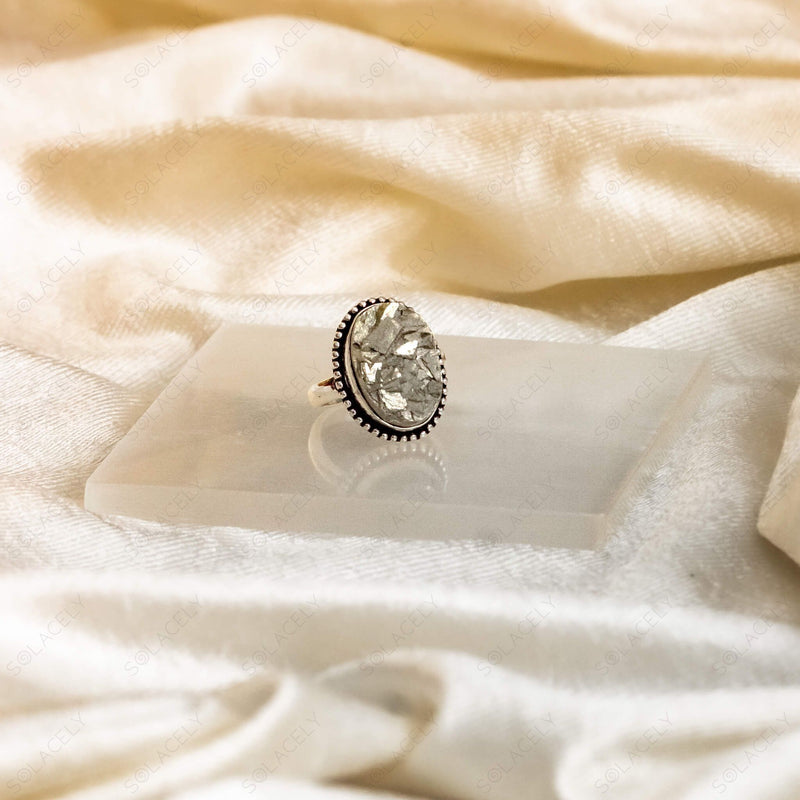
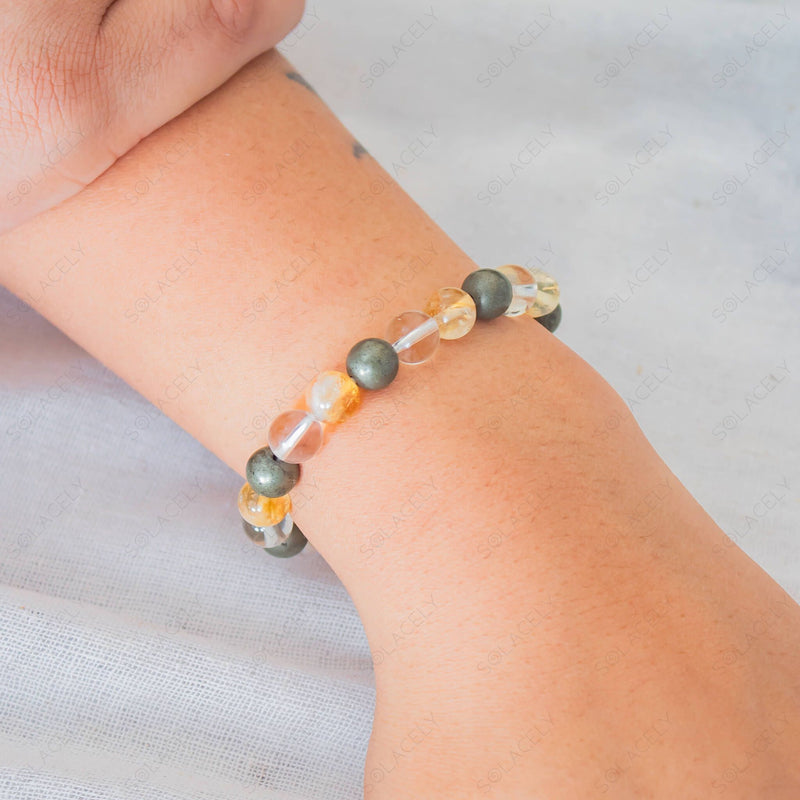
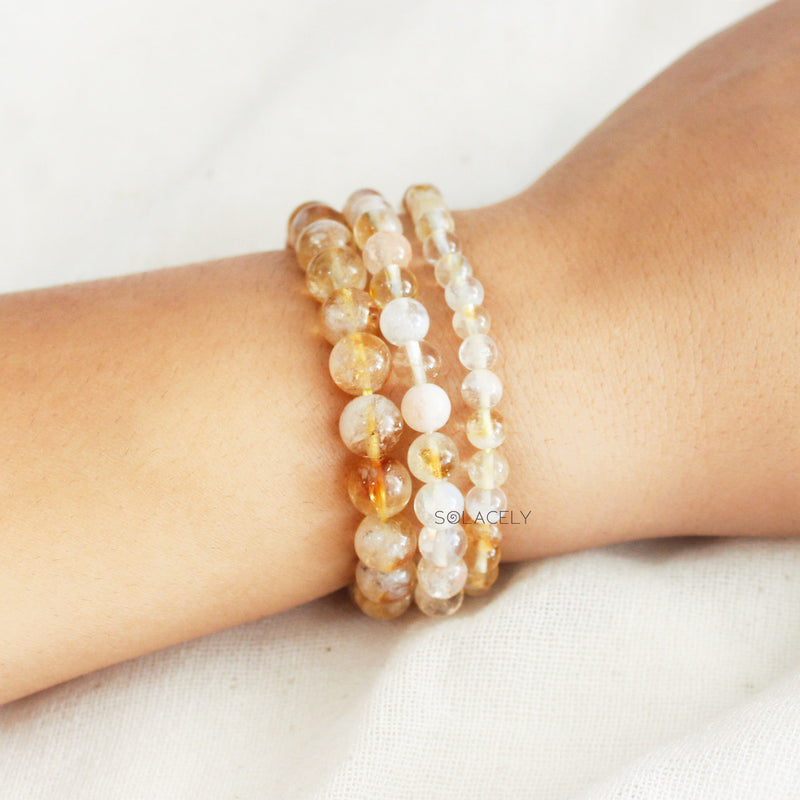
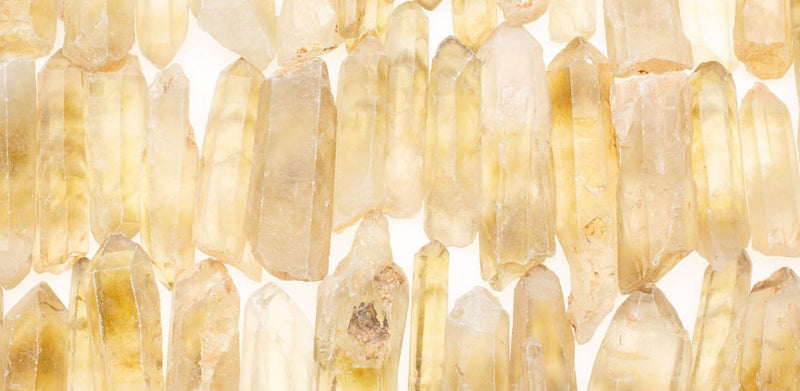
A citrine ring is a ring set with citrine, the golden variety of quartz, prized for its warm colour, its role as a November birthstone, and its affordability even in large, statement sizes. Citrine rates 7 on the Mohs hardness scale, which makes it durable enough for jewellery, though rings take more knocks than other pieces, so a protective setting and sensible care matter most. This guide covers what makes citrine rings so appealing, how to choose one that suits your lifestyle, and how to keep it looking beautiful for years.
Key Takeaways
- A citrine ring is set with golden quartz, loved for its warm colour, its status as a November birthstone, and its affordability.
- Citrine is durable at 7 on the Mohs scale, but rings face the most wear of any jewellery, so a protective setting helps for daily wear.
- Citrine's affordability makes big, eye-catching statement and cocktail rings accessible without a high price.
- Citrine has no cleavage, which gives it a real advantage over topaz in a ring.
- Protect a citrine ring from hard knocks and prolonged strong sunlight, which can soften its colour over time.
What makes a citrine ring appealing?
A citrine ring pairs a warm, sunny gemstone with the everyday practicality of quartz. Citrine's golden to amber colour is cheerful and flattering, and it suits both yellow and white metals beautifully, which is a large part of its appeal for rings. As a November birthstone, a citrine ring also makes a meaningful, personal gift for autumn birthdays and other special occasions.
Practicality is the other half of the appeal. Citrine is a quartz, rating 7 on the Mohs hardness scale, which makes it hard enough to wear as a ring, unlike softer stones that scratch too easily. And because citrine is available in large, clean sizes at accessible prices, you can enjoy a bold, glowing centre stone without the cost of rarer gems.
Citrine also carries a bright reputation in crystal tradition, as the stone of positivity and abundance, which many wearers enjoy alongside the beauty. For those meanings, see our complete citrine guide, and for choosing a shade, our guide to citrine colour covers the full range.
Citrine rings and everyday durability
Here is the most important practical point about citrine rings specifically. Rings take far more knocks and abrasion than earrings, pendants, or bracelets, since your hands are always in use, so ring durability deserves real thought. Citrine's hardness of 7 means it resists everyday scratches well, and it is a sensible, wearable choice.
Quartz can chip on a hard, direct blow, especially at exposed edges or corners of a faceted stone. For a citrine ring you plan to wear daily, a protective setting helps a great deal: a bezel setting, which surrounds the stone's girdle with metal, or a lower-profile design shields the gem better than high, exposed prongs. A rounded cabochon citrine is also very hard-wearing.
None of this should put you off; it simply means treating a citrine ring sensibly. Take it off for heavy tasks like gardening, cleaning, or the gym, and it will stay beautiful for years. For occasional or evening wear, such as a cocktail ring, durability is even less of a concern, and citrine shines as a bold, generous statement.
Types of citrine ring, at a glance
Citrine suits many ring styles, from everyday pieces to dramatic statements. The table below sums up popular types and what each suits.
| Ring type | Best for |
|---|---|
| Birthstone ring | A meaningful November birthday gift |
| Cocktail or statement ring | A bold, large centre stone |
| Everyday solitaire | Daily wear, ideally in a protective setting |
| Halo or accent ring | Extra sparkle around a citrine centre |
| Cabochon ring | A smooth, hard-wearing, vintage look |
Because citrine is available at accessible prices, it is especially popular for big, joyful cocktail rings, where a large golden stone makes a striking impression. Many wearers also enjoy citrine's traditional abundance associations in a ring, a theme explored in our guide to crystals for prosperity.
How to choose a citrine ring
Choosing a citrine ring comes down to colour, setting, metal and size. Take your time, since a ring is worn close and often, and you will enjoy it most if it genuinely suits you.
- Colour. Pick the tone you love, from pale lemon to deep golden or reddish Madeira. Even colour through the stone is what to look for.
- Setting. For daily wear, favour a protective bezel or lower setting; for occasional wear, higher prong settings show off the stone.
- Metal. Citrine flatters yellow gold for a warm, classic look, and white metals for a brighter, modern contrast.
- Size. Citrine's accessible pricing means you can choose a larger, bolder stone than with pricier gems if you like a statement.
- Cut. A well oriented stone shows its best colour face up. Tilt it under a lamp before you decide.
Buy from a jeweller who describes the stone clearly, and choose a ring that makes you smile when you look at it. For the bracelet version of citrine jewellery, our guide to the citrine bracelet covers a complementary everyday piece.
Citrine compared with other golden gemstones
Citrine is not the only golden gem, and it helps to see why it is such a popular choice for rings. Yellow sapphire and yellow diamond are harder and rarer, so they wear superbly but cost far more, putting them out of reach for many buyers. Yellow topaz, the other November stone, is lovely but has perfect cleavage, so it can chip cleanly along a plane.
Against these, citrine's appeal is its balance of beauty, durability and value. At 7 on the Mohs scale it is hard enough for a ring, it has no cleavage to worry about the way topaz does, and it is accessible even in large, saturated stones. That combination is hard to beat if you want a big, warm, golden ring without a luxury price tag.
The trade-off is simply that citrine is softer than sapphire or diamond, so it needs a little more care in daily wear. For most people who love its sunny colour and want a generous, joyful stone, that is a very fair exchange, which is exactly why citrine has remained a favourite ring gem for so long.
Styling and wearing your citrine ring
Part of the fun of a citrine ring is how versatile it is to style. Its warm golden tone is a natural complement to autumn and earthy palettes, and it brightens neutral outfits beautifully, which is why a citrine cocktail ring makes such a cheerful statement piece for both day and evening.
Citrine also pairs happily with other stones. It sits well beside white diamonds or clear quartz for sparkle, complements deep blues and purples for a rich contrast, and stacks nicely with plain metal bands for a modern look. Because it flatters most skin tones, it is an easy, forgiving gem to wear, whether as a bold solitaire or a delicate accent.
Wherever you wear it, let the ring be something you genuinely enjoy reaching for. A citrine ring you love and wear often, treated with a little everyday care, gives far more pleasure than a finer piece kept locked away, and its warm glow is a small daily lift.
Caring for a citrine ring
Because a ring faces the most wear of any jewellery, a little care keeps a citrine ring glowing for years. Take it off before heavy or dirty tasks, cleaning with harsh chemicals, gardening, sports, or the gym, since a sharp knock can chip even a hard stone, and grime dulls its sparkle. Store it separately from harder gems like diamonds to avoid scratches.
Clean a citrine ring with warm, soapy water and a soft brush to reach behind the stone, then rinse and dry it. Avoid harsh chemicals, and importantly, keep citrine out of prolonged strong sunlight and high heat, which can gradually soften its golden colour. Ultrasonic cleaners are usually safe for a clean, undamaged citrine, but avoid steam cleaning.
Have prongs checked by a jeweller now and then, since a loose setting risks losing the stone. If you also value citrine's traditional meanings and like to cleanse it spiritually, gentle methods such as moonlight or sound suit it, as our step-by-step on how to cleanse and charge crystals explains.
Sources
Frequently asked questions
About the author


Written by Chetna Sharma, crystal healing practitioner and co-founder of Solacely. Chetna has worked with healing crystals for over a decade and curates Solacely's protective stone collection.