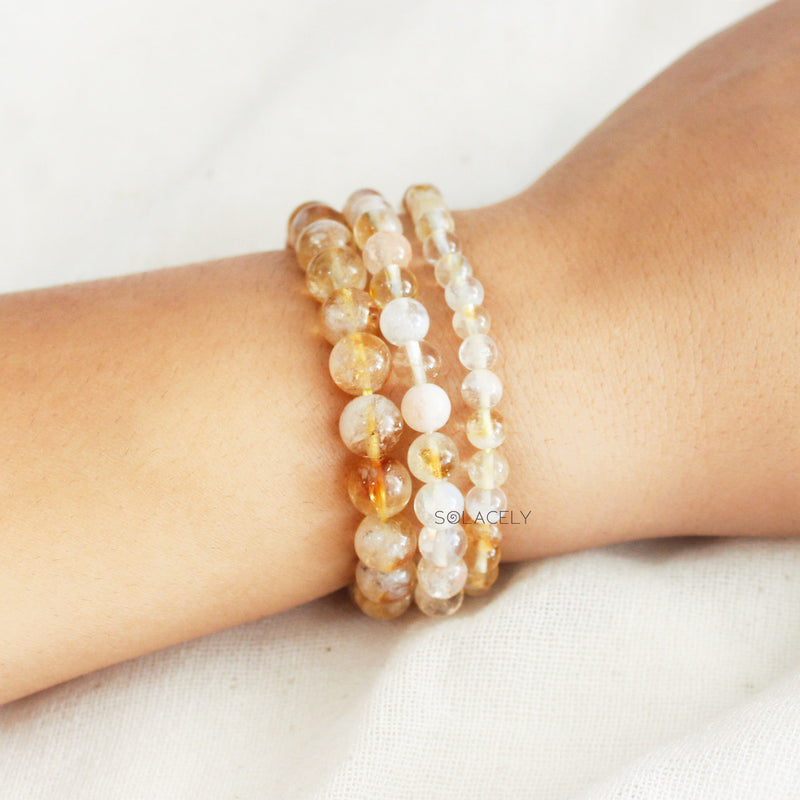
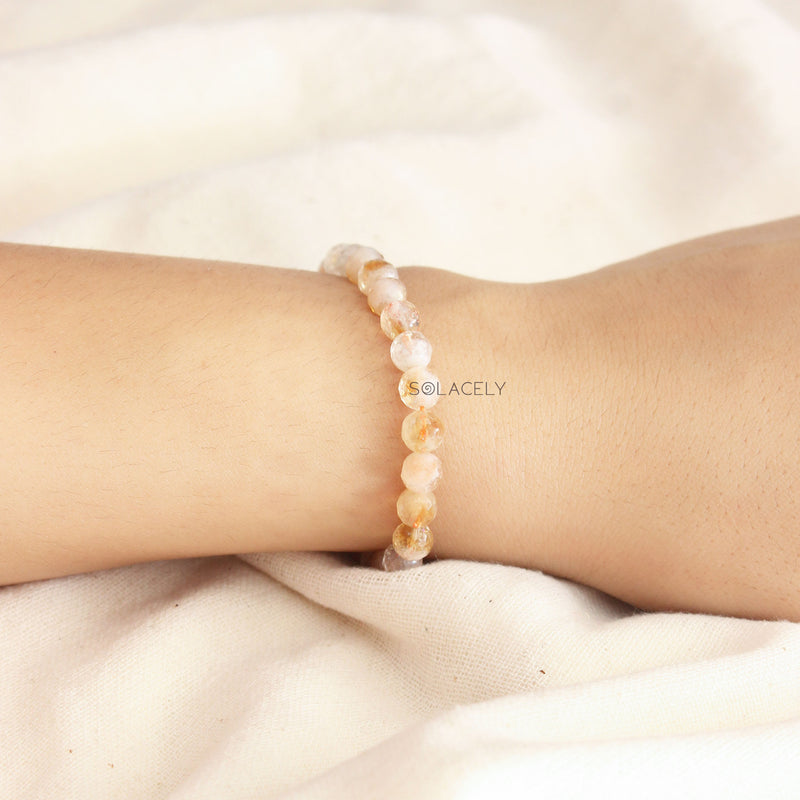
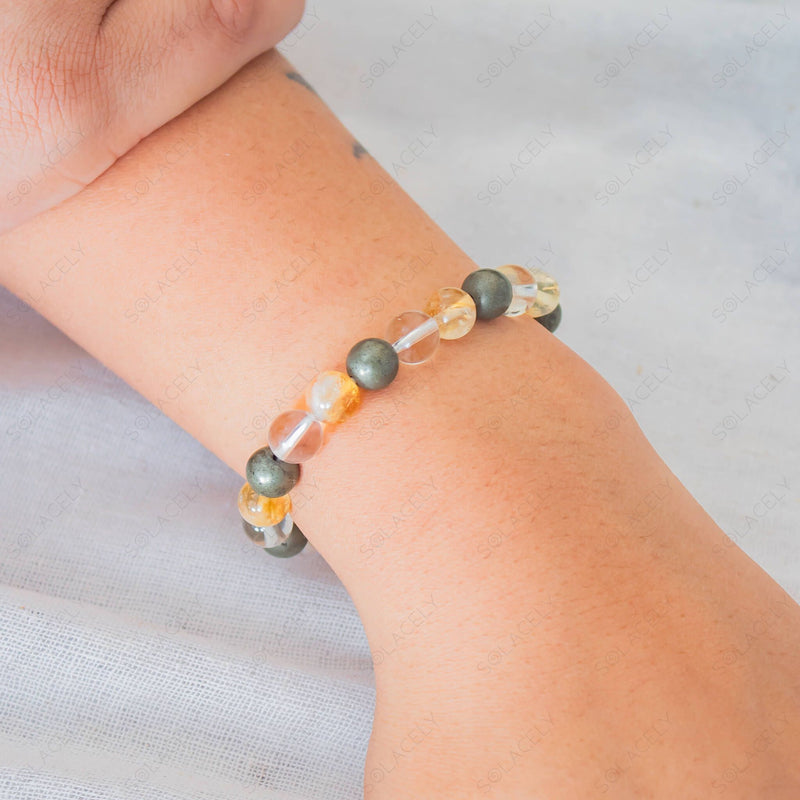
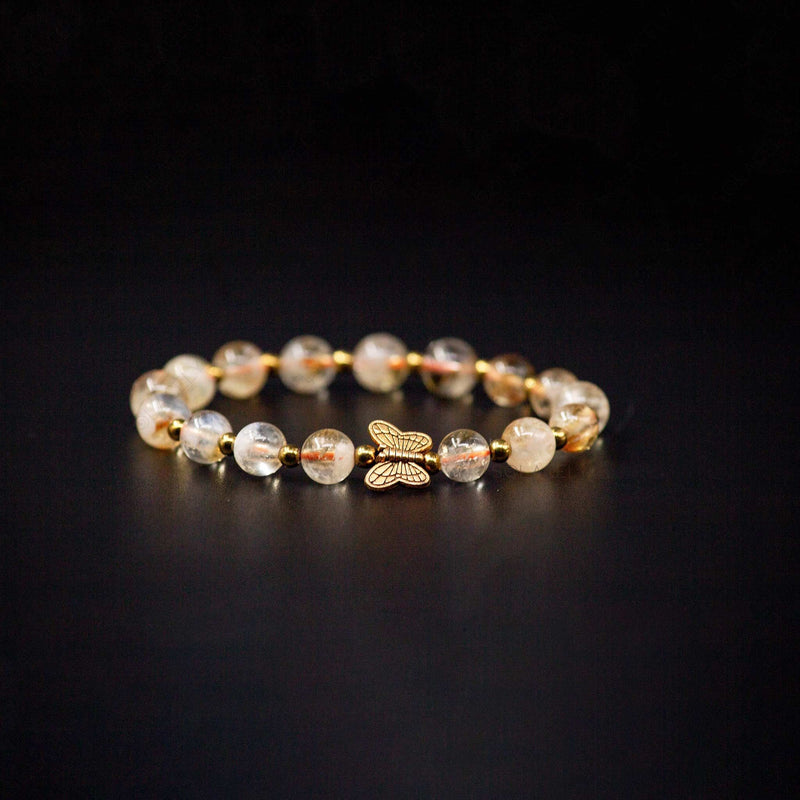
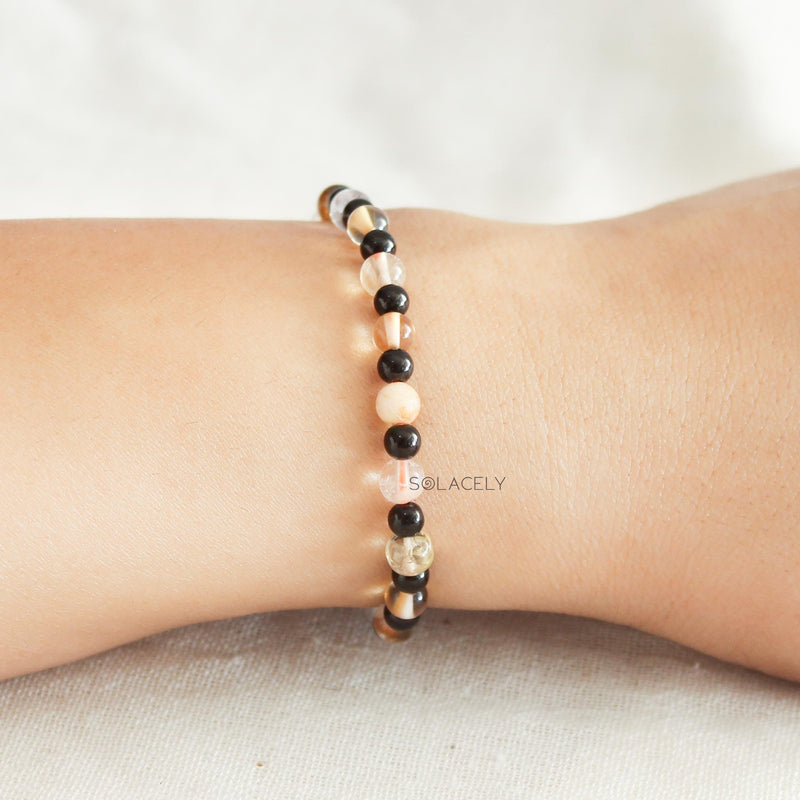
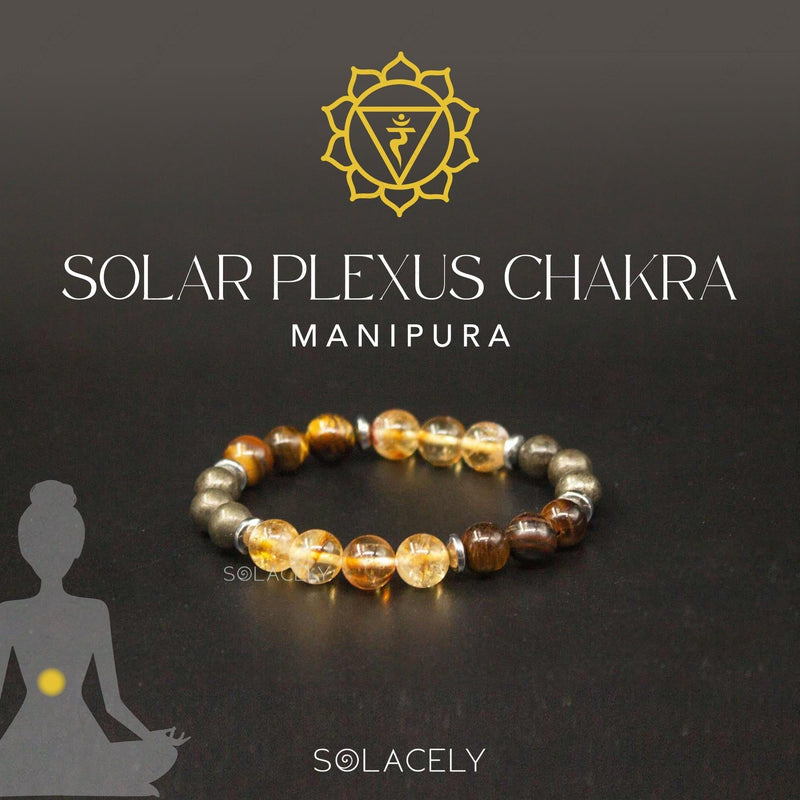
A citrine bracelet is a string of golden-yellow citrine beads worn on the wrist, loved for its sunny colour and its traditional links with positivity, joy, and abundance. Citrine is often called the merchant's stone or success stone, so people wear it as a bright, uplifting reminder of an optimistic, prosperous mindset. It does not create wealth or happiness on its own. Its honest appeal is as a cheerful, wearable cue: the warm colour on your wrist keeps a positive intention gently in mind, understood as reflective self-care rather than magic.
Key Takeaways
- A citrine bracelet is golden-yellow citrine beads worn on the wrist, linked in tradition with positivity, joy, and abundance.
- Citrine is nicknamed the merchant's or success stone; the honest role is a cheerful, wearable cue for an optimistic, prosperous mindset, not a wealth guarantee.
- Citrine is a durable quartz (Mohs 7), so a bracelet wears well; most commercial citrine is heat-treated amethyst, which is normal and genuine quartz.
- Many wear it on the left wrist to take in its uplifting energy, though either wrist is fine; wear what feels right.
- These are traditional, belief-based associations offered as reflective self-care, not a proven effect on wealth, luck, or mood.
What is a citrine bracelet?
A citrine bracelet is simply a bracelet made from beads of citrine, the golden-yellow to amber variety of quartz, usually smooth, round, polished stones strung on elastic or thread. Its warm, sunny colour is a big part of its appeal, and wearing citrine as a bracelet is a way to keep that cheerful stone, and the upbeat intention it carries, with you all day.
People choose a citrine bracelet mainly for its bright, positive associations. Citrine is traditionally the stone of positivity, joy, optimism, and abundance, and it has long carried nicknames like the merchant's stone or the success stone, tied to a confident, prosperous outlook. It is a favourite for daily wear precisely because a bracelet keeps that sunny reminder on your wrist.
Understood honestly, the bracelet is a wearable focus for an optimistic, abundant mindset, not a device that produces wealth or happiness. For the wider tradition of stones used for abundance, our guide to crystals for prosperity is a companion, and for the confident outlook citrine is linked with, our note on crystals for confidence explores similar themes.
What is citrine, really?
Before the lore, it helps to know the stone. Citrine is a yellow to golden-brown variety of quartz, and according to the Gemological Institute of America, quartz is a silicon dioxide mineral, with citrine owing its warm colour to traces of iron. As a quartz, citrine rates 7 on the Mohs hardness scale, which makes it durable enough for daily wear as a bracelet without scratching easily.
There is one honest point every citrine buyer should know: natural citrine is fairly rare, and most citrine on the market is heat-treated amethyst or smoky quartz, which turns golden when heated. According to Encyclopaedia Britannica, much commercial citrine is produced this way. This is completely normal and the result is still genuine quartz, but it is worth understanding what you are buying.
Natural, unheated citrine tends to be a paler, more subtle yellow, while heat-treated citrine is often a deeper amber or reddish-gold. Neither is fake, and both are lovely, but a seller who describes the material honestly is your best guide. Whichever you choose, citrine is a hard-wearing, cheerful stone that makes a durable and pretty bracelet.
Why people wear a citrine bracelet
People reach for a citrine bracelet for a handful of bright, optimistic reasons. The table below sums up the common motivations and the honest way each works.
| People wear it for | Traditional idea | Honest take |
|---|---|---|
| Positivity | Joy and optimism | A cheerful, uplifting daily reminder |
| Abundance | Prosperity and success | A cue for a confident, abundant mindset |
| Confidence | Self-assurance and drive | A reminder to show up brightly |
| Everyday wear | Keeping the stone close | An always-there focus for intention |
Notice that each honest take is about your own mindset, not a force acting on the world. That is the sensible way to wear one: as a warm, uplifting cue. For pairing citrine's brightness with a grounding stone, our guide to the black tourmaline crystal bracelet covers a popular, balancing combination.
How a citrine bracelet honestly works
Let us be clear and honest, because a commercial page owes you that. There is no scientific evidence that citrine attracts money, changes your luck, or lifts your mood through its own energy. A bracelet does not produce wealth or happiness, and any claim that it guarantees success or abundance is belief, not fact. Understanding this keeps your expectations realistic.
What a citrine bracelet genuinely offers is psychological and symbolic, and that is not nothing. Its cheerful golden colour is naturally uplifting to look at, and wearing a stone you associate with positivity and abundance acts as a repeated reminder of that mindset. Keeping an optimistic, confident intention in view can genuinely shape how you feel and the choices you make.
There is also a small mindfulness element. Pausing to notice your bracelet and set a positive intention is a simple grounding practice, and the U.S. National Center for Complementary and Integrative Health notes that mindfulness can help many people manage stress and feel more positive. So a citrine bracelet works as a bright, wearable cue for an optimistic mindset, with the real change coming from you.
How to wear and care for a citrine bracelet
Wearing a citrine bracelet is simple, and a common question is which wrist. In crystal tradition, the left wrist is the receiving side, so many people wear citrine there to take in its uplifting, abundant energy, while the right is the giving side. Neither is a rule, and there is no scientific basis for either, so wear it wherever feels comfortable, as our guide to which hand to wear your crystal bracelet explains.
Caring for the bracelet keeps it bright for years. Citrine is durable at 7 on the Mohs scale, but the elastic or thread is not, so avoid yanking it on and off, keep it from hard knocks, and remove it before showering or swimming, since water and soap can weaken the cord over time. One important note: citrine's colour can fade with prolonged exposure to strong sunlight, so store it out of harsh light.
A wipe with a soft, dry or barely damp cloth is enough to clean the beads. If you like to cleanse your bracelet in the spiritual sense, citrine is often reset with sound, moonlight, or a brief pass through incense smoke rather than long soaking, which protects the stringing. Our step-by-step on how to cleanse and charge crystals covers gentle methods that suit a bracelet.
Choosing a citrine bracelet you will love to wear
Since the whole point of a citrine bracelet is that you actually wear it, choosing one you are drawn to matters more than any rule. Start with the colour: decide whether you prefer the paler, subtler gold of natural citrine or the deeper amber of heat-treated stones, and pick a shade that lifts your mood when you look at it, since that cheerful feeling is the real everyday benefit.
Bead size and style are down to preference too. Chunkier beads make a bolder, sunnier statement, while smaller ones sit more discreetly for daily wear, and a well-made elastic or a properly knotted thread will last far longer than a hastily strung one. Buying from a seller who is honest about whether the citrine is natural or heat-treated is your best safeguard against disappointment.
Above all, choose a bracelet whose weight, colour, and feel you genuinely enjoy. A piece you reach for every morning does its gentle, uplifting job far better than a finer one left forgotten in a drawer.
If you are looking for a bracelet that feels personal rather than simply choosing a ready-made design, you can consider a customised crystal bracelet that reflects your preferred style and intention while keeping Citrine at the centre.
Common mistakes with a citrine bracelet
A few misunderstandings can lead to disappointment or a shorter-lived bracelet. Keep these in mind so yours stays a bright, uplifting part of your day.
- Expecting it to attract money. A bracelet cannot produce wealth. Wear it as a cue for an optimistic, abundant mindset, not a money magnet.
- Assuming all citrine is natural. Most commercial citrine is heat-treated amethyst, which is normal and genuine quartz, so buy from an honest seller.
- Leaving it in strong sun. Prolonged sunlight can fade citrine's golden colour, so store it out of harsh light.
- Soaking it in water. Water and soap weaken the elastic or thread, so keep the bracelet dry and cleanse it gently.
- Treating it as medicine. Citrine does not treat any condition; it is a cheerful accessory and reminder, not a health remedy.
Frequently Asked Questions
What is a citrine bracelet good for?
A citrine bracelet is traditionally worn for positivity, joy, and abundance, since citrine is nicknamed the merchant's or success stone. Honestly, its benefit is psychological and symbolic: its sunny colour is uplifting to look at, and wearing a stone you link with optimism acts as a wearable reminder of that mindset. It does not produce wealth or happiness on its own. Understood as a cheerful cue for a confident, abundant outlook, it is a meaningful daily accessory.
Which wrist should I wear a citrine bracelet on?
In crystal tradition, the left wrist is the receiving side, so many people wear citrine there to take in its uplifting, abundant energy, while the right wrist is the giving side. Neither is a strict rule, and there is no scientific basis for either, so wear it on whichever wrist feels comfortable and right to you. Consistency and comfort matter more than the side; what counts is that it reminds you of a positive intention.
Is my citrine bracelet real or heat-treated amethyst?
It may well be heat-treated, and that is normal. Natural citrine is fairly rare, so most citrine on the market is amethyst or smoky quartz heated until it turns golden, which is still genuine quartz. Natural citrine tends to be a paler, subtler yellow, while heat-treated citrine is often a deeper amber or reddish-gold. Neither is fake, and both are lovely; a seller who describes the material honestly is your best guide.
Does a citrine bracelet really attract wealth?
There is no scientific evidence that citrine attracts money or changes luck. Its abundance reputation is a traditional, symbolic one. What is real is that wearing a bright stone you associate with positivity and success can reinforce a confident, optimistic mindset, which genuinely influences how you act and the opportunities you pursue. So it supports an abundant outlook as a reminder, not a literal money magnet. Real prosperity comes from mindset paired with effort.
How do I care for a citrine bracelet?
Citrine is durable at 7 on the Mohs scale, but the stringing is the weak point, so avoid yanking it on and off, keep it from hard knocks, and remove it before showering or swimming, since water weakens the cord. Importantly, keep citrine out of prolonged strong sunlight, which can fade its golden colour. Wipe the beads with a soft, dry or barely damp cloth, and cleanse it spiritually with sound, moonlight, or incense smoke rather than soaking.
Can a citrine bracelet improve my mood or health?
Not directly. There is no evidence that citrine lifts mood or treats any condition through its energy. That said, its cheerful golden colour is pleasant to look at, and wearing it as a reminder of positivity can gently support an optimistic frame of mind, which is a small, real benefit. It is a lovely accessory and cue, not a treatment. For low mood or any health concern, please see a qualified professional and treat the bracelet as gentle self-care.
Sources
- Gemological Institute of America - Citrine and quartz description and properties: https://www.gia.edu/citrine
- Encyclopaedia Britannica - Quartz and citrine, heat-treated colour: https://www.britannica.com/science/quartz
- National Center for Complementary and Integrative Health (NIH) - Meditation and Mindfulness: What You Need To Know: https://www.nccih.nih.gov/health/meditation-and-mindfulness-what-you-need-to-know
About the author


Written by Chetna Sharma, crystal healing practitioner and co-founder of Solacely. Chetna has worked with healing crystals for over a decade and curates Solacely's protective stone collection.