In the Norse tradition, the runes most linked with love are Gebo (the gift and exchange between two people), Wunjo (joy and harmony), and Berkano (nurturing, tenderness, new beginnings). Ehwaz, Inguz, and Mannaz round out the set. People use them as focal points for intention around romance, connection, and self-love, not as guaranteed spells.
Key Takeaways
- Three core love runes: Gebo (mutual gift), Wunjo (joy), and Berkano (tenderness and growth), each naming a different part of a bond.
- Love here covers romantic, familial, and self-love, which is why this guide reads Wunjo through connection rather than the money-focus it carries in our abundance post.
- The runes belong to the Elder Futhark, the oldest runic alphabet, in use among Germanic peoples from around the 1st to 3rd century CE.
- A simple love bind rune (two or three runes overlaid) is the traditional way to hold an intention about a relationship.
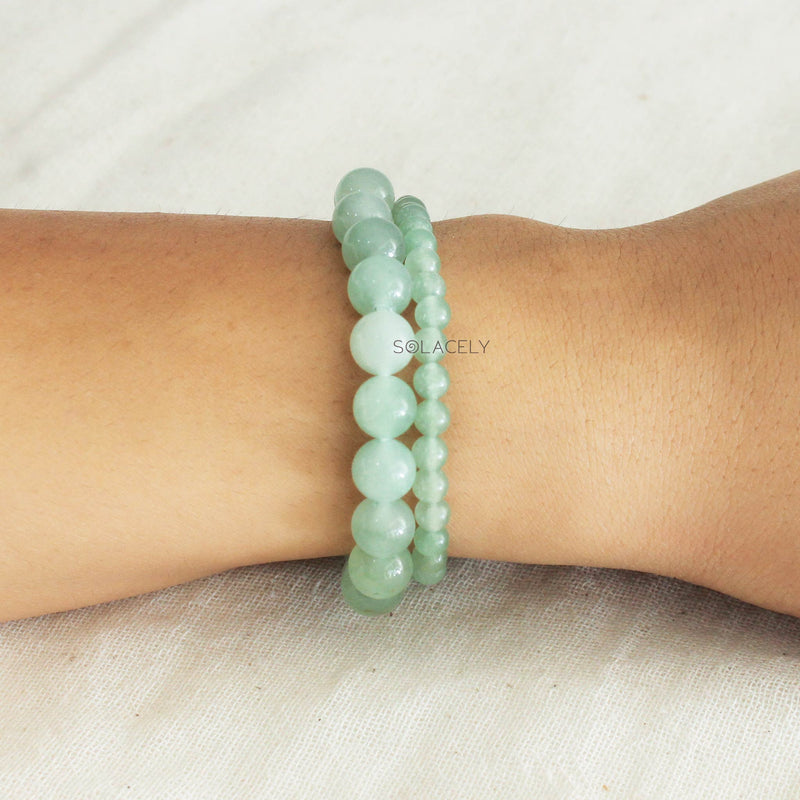
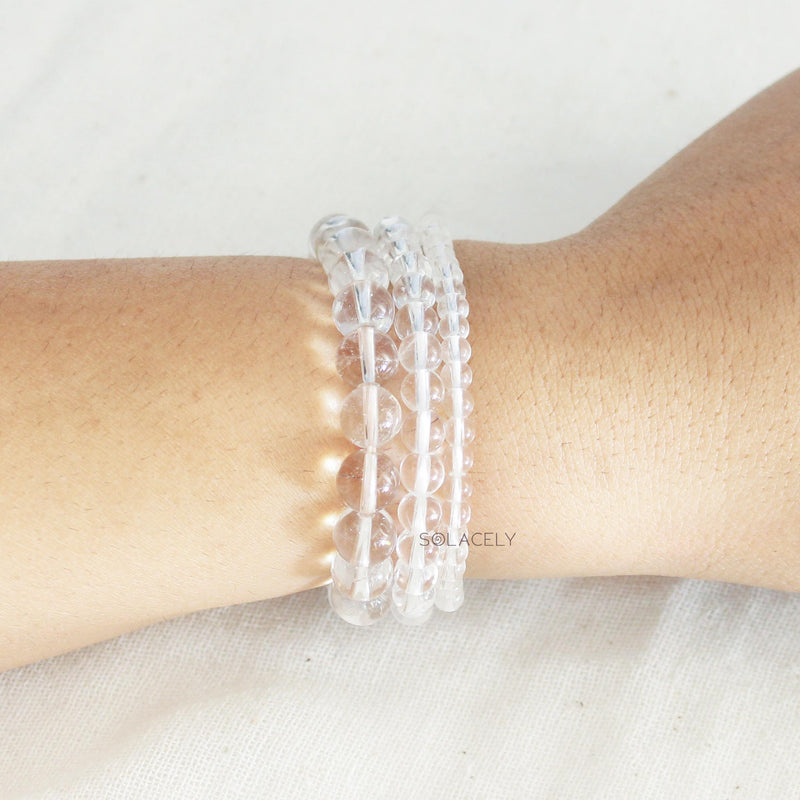
- Pair each rune with a stone by intention: rose quartz for love and Gebo, rhodonite for reconciliation, green aventurine for Berkano.
What are love runes?
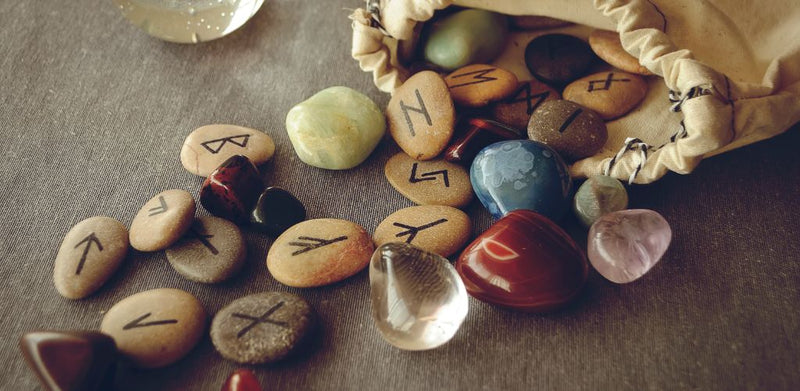
Love runes are Elder Futhark symbols people associate with affection, partnership, and emotional connection. In Norse and wider Germanic belief they were carved onto wood, bone, or stone as marks of intention, and some, like Gebo, appeared in wedding and gift-giving customs. Treat them as tradition and symbolism, not a love spell with guaranteed results.
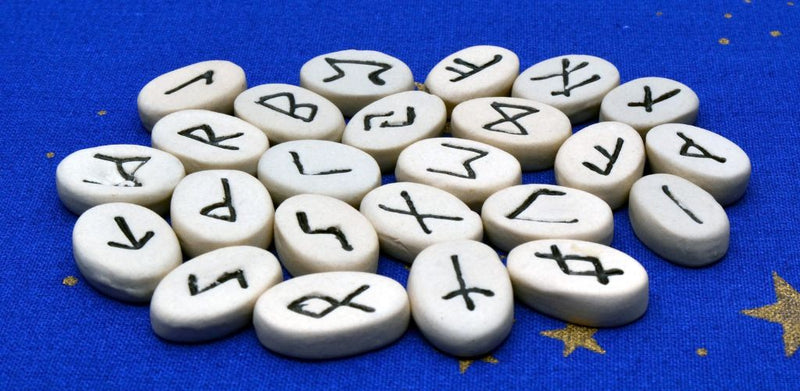
Runes are letters first and love symbols second. The Elder Futhark is an alphabet of 24 characters, and each letter carried a name and an everyday meaning, gift, joy, birch tree, that later folk practice read as themes to reflect on. According to Britannica, the runic alphabet was used among Germanic peoples from about the 3rd century CE, with the earliest inscriptions appearing even earlier.
That everyday grounding matters. Gebo simply meant 'gift,' the reciprocal giving that held early communities together. When people today choose it for love, they borrow a very old idea: a bond is something two people give to each other, not something one takes. For the full alphabet, our guide to the deeper meanings of rune symbols walks through all 24 and is the hub this post branches from.
Love, fertility, or abundance? How we split the runes
Love, fertility, and abundance overlap in runework, but they answer different questions, so we keep separate guides. Love runes are about connection, romance, and emotional warmth. Fertility runes lean toward conception, family, and creative birth. Abundance runes point to plenty and thriving. A few runes appear in more than one list, and we frame each by its own theme.
Wunjo is the clearest example. It means 'joy,' so it belongs to love work as harmony between people. It also shows up in our abundance guide as the contentment of 'enough.' Same rune, different lens. Here we read it as the joy of a shared life, not a full harvest.
Inguz and Berkano cross into fertility because growth and new life sit close to love. If your intention is specifically about conception, family, or a fresh creative start, our rune symbols for fertility guide reads these runes through that lens. This post stays with the heart: attraction, partnership, reconciliation, and self-love.
The core love runes at a glance
The six runes below cover different flavours of love: the mutual gift, joy, tenderness, partnership, attraction, and friendship as a foundation. Read the table as a quick map, then take each rune on its own. None of this is fortune-telling; it is a way to name what love means for you right now.
| Rune | Old name | Love theme | Best paired crystal |
|---|---|---|---|
| Gebo | Gebo | Mutual gift, balanced give-and-take | Rose quartz |
| Wunjo | Wunjo | Joy, harmony, shared happiness | Rose quartz |
| Berkano | Berkano | Tenderness, nurturing, new beginnings | Green aventurine |
| Ehwaz | Ehwaz | Trust, partnership, moving together | Amethyst |
| Inguz | Ingwaz | Attraction, potential, fertile connection | Carnelian |
| Mannaz | Mannaz | Friendship as the root of love | Clear quartz |
For the wider Norse context behind these marks, including how Viking-age carvers used them, see our overview of Viking rune symbols.
Gebo: the rune of mutual love
Gebo is the love rune most people start with. Its name means 'gift,' and its shape is a simple X, two lines crossing as equals. In Norse custom, gifts sealed bonds between families, hosts, and partners, so Gebo came to stand for the exchange at the heart of any relationship: I give, you give, and the bond holds.
As a love symbol, Gebo is about balance. It reminds you that a healthy relationship is reciprocal, that affection given freely usually comes back, and that no one should carry the whole weight. People keep a Gebo mark where they will see it as a nudge toward generosity that goes both ways.
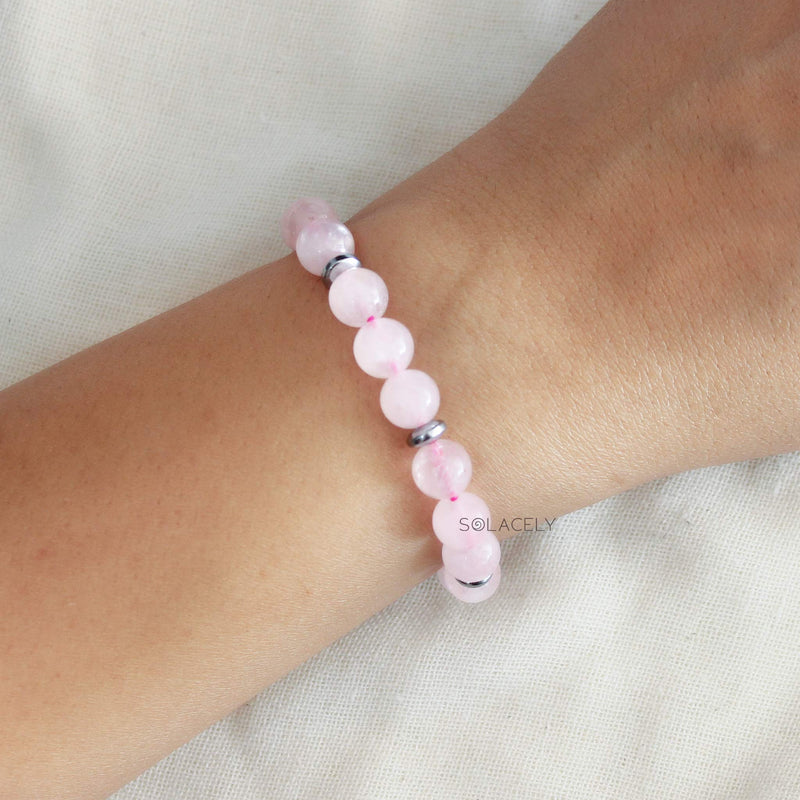
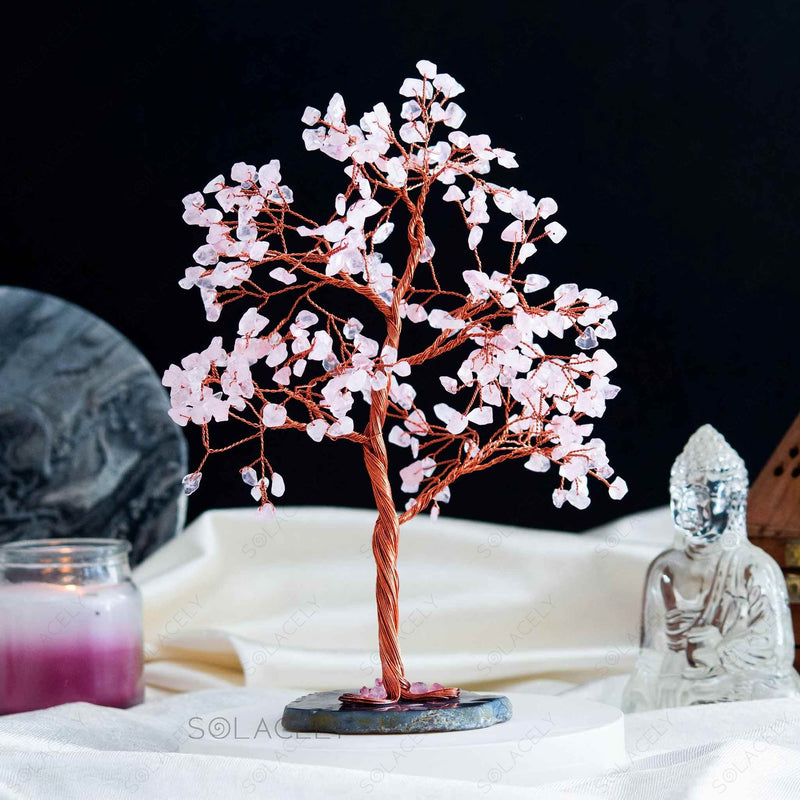
For crystal pairing, Gebo sits naturally with rose quartz, the stone of love in crystal tradition. Rose quartz stands for gentle, unconditional warmth, which matches Gebo's theme of open-hearted exchange. Set a Gebo-carved chip beside a rose quartz tumble on a bedside table and let it mark the intention, nothing more.
Wunjo: the joy of a shared life
Wunjo means 'joy' and represents harmony, contentment, and shared wellbeing. In love work it is the rune of a relationship at peace with itself, two people who are genuinely glad to be together. Where Gebo is about giving, Wunjo is about the happiness that giving creates. It is the felt reward of a bond that works.
Choose Wunjo when your intention is warmth rather than drama: a calmer home, easier days together, gratitude that actually lands. It pairs with rose quartz too, which is why Gebo and Wunjo make such a natural love bind rune, exchange and joy overlaid into one mark.
A small caution: some traditions read a reversed Wunjo as strain or discord. If you carve or draw it, keep the orientation clear so the intention stays legible to you. This is symbolism you set for yourself, so let it read the way you mean it. For the contentment-and-plenty reading of Wunjo, see the abundance guide.
Berkano: tenderness and new beginnings
Berkano means 'birch tree' and stands for nurturing, growth, tenderness, and fresh starts. The birch is one of the first trees to leaf in a northern spring, so the rune carries the feel of something young and green beginning. In love, Berkano is the caring side of a bond: protection, gentleness, and the patience to let a relationship grow.
Reach for Berkano at the start of something, a new relationship, a reconciliation, a decision to treat yourself more kindly. It also suits self-love, the tenderness you extend to yourself before you can offer it to anyone else. Because of its growth theme, Berkano crosses into fertility work as well.
Green aventurine, associated with growth, gentleness, and heart-opening, pairs well here. Its soft green echoes Berkano's new leaves. Placed together, they read as 'let this grow slowly and kindly.' For the conception-and-family reading of Berkano and Inguz, our fertility guide is the place to go.
Ehwaz, Inguz, and Mannaz: the supporting runes
Beyond the core three, three more runes fill out the picture of love: Ehwaz for partnership, Inguz for attraction, and Mannaz for friendship. Each names a stage or a foundation of connection, and each pairs with a stone chosen by its theme. Take them as prompts for reflection, not fixed prescriptions.
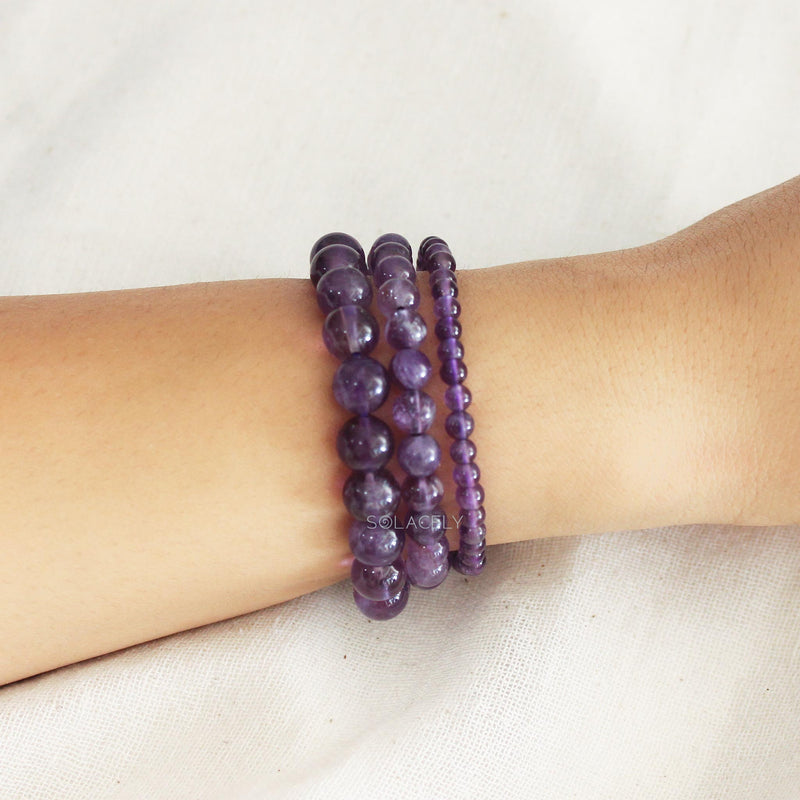
Ehwaz means 'horse' and stood for the trusted pair, horse and rider, moving as one. As a love rune it points to trust, loyalty, and two people travelling in the same direction. It suits established partnerships and marriage, and pairs with amethyst, the calm stone, for steadiness through the long haul.
Inguz (or Ingwaz) is the rune of the god Ing, linked to fertility, attraction, and stored potential ready to release. In love it reads as chemistry and the promise of what a connection could become. Carnelian, a warm stone of passion and vitality, is a natural match. Mannaz means 'humankind' and puts friendship at the root of romance, the reminder that the strongest bonds start as genuine liking. Clear quartz, the amplifier, suits it, strengthening whatever intention you set.
How to use love runes: a simple bind rune ritual
A bind rune is two or three runes overlaid into one mark to hold a single intention. It is the traditional, low-effort way to work with love runes, and it needs nothing more than a pen, wood, or a rune stone. Frame it as focus and reflection, not a spell that binds another person's will.
Here is a simple, respectful method:
- Name the intention. Be specific and honest: 'more warmth and ease with my partner' or 'to meet someone kind.' Never aim a rune at controlling a particular person.
- Pick two or three runes. For a joyful, reciprocal bond, try Gebo plus Wunjo. For a tender new start, Berkano plus Gebo. For steady partnership, Ehwaz plus Wunjo.
- Draw them overlaid. Share a common vertical stave so the runes merge into one symbol. Keep orientation clear.
- Choose a surface. Paper, birch or pine wood, or a flat crystal. Many people simply draw it in a journal.
- Charge it with attention. Hold it, restate the intention once, then place it where you will see it, a bedside table, an altar, a mirror.
- Add a paired stone. Set rose quartz beside the bind rune to reinforce the love theme.
Refresh or redraw the bind rune when the intention changes. There is no fixed schedule; the point is that it keeps your heart's goal in view. For the spiritual grounding behind runework, our guide to rune symbols for spirituality is a good companion read.
Pairing love runes with crystals by intention
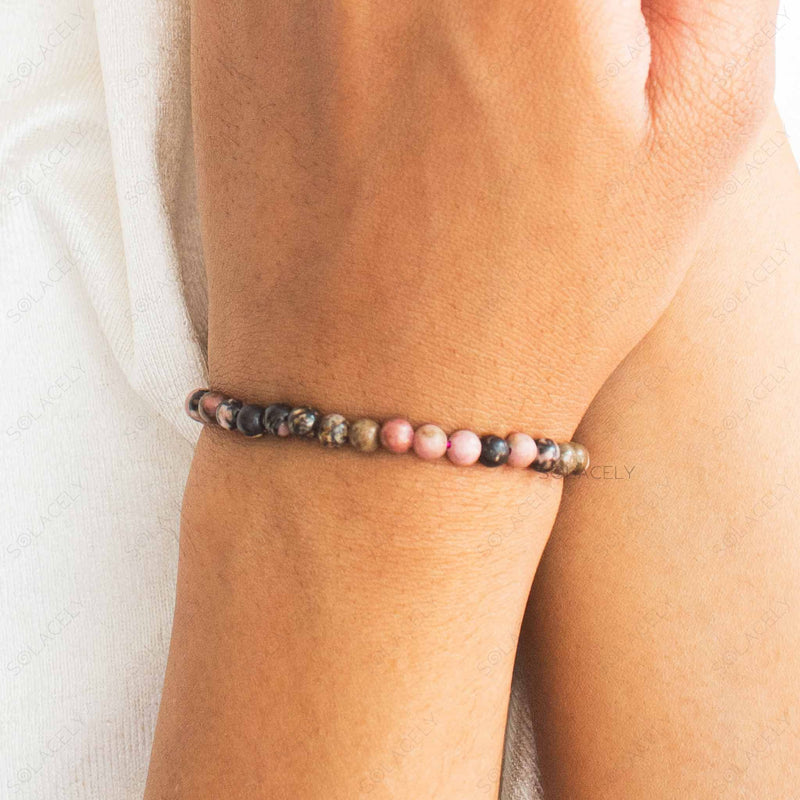
Pairing a rune with a stone that shares its theme is a simple way to make an intention tangible. The rune names the feeling; the crystal gives you something to hold. In crystal tradition, stones are chosen by intention, rose quartz for love, rhodonite for healing after conflict, carnelian for passion, so the match is straightforward.
| Rune | Intention | Crystal | Why it fits |
|---|---|---|---|
| Gebo | Mutual, balanced love | Rose quartz | The classic love stone |
| Wunjo | Joy, harmony | Rose quartz | Warmth and gentle happiness |
| Berkano | Tenderness, new starts | Green aventurine | Heart-opening growth |
| Ehwaz | Trust, partnership | Amethyst | Calm and steadiness |
| Inguz | Attraction, passion | Carnelian | Warmth and vitality |
| Mannaz | Friendship, self-love | Clear quartz | Amplifies intention |
You do not need a matching stone for the ritual to mean something. If you like the idea, love-and-harmony stones sit well with Libra energy, so our roundup of crystals for Libra is a useful starting point.
Common mistakes to avoid
The most common mistake with love runes is treating them as a way to control someone. They are focus tools rooted in old tradition, not a means to bend another person's feelings. Aimed at your own openness, honesty, and warmth, they are a calm practice. Aimed at a specific person's will, they only invite disappointment and cross an ethical line.
A few practical missteps to sidestep:
- Trying to bind another person. Set intentions about your own heart and behaviour, not someone else's choices.
- Choosing by looks, not meaning. Gebo and Inguz suit different goals. Match the rune to the intention.
- Ignoring orientation. A reversed rune can read differently. Keep your marks clear so they say what you mean.
- Overloading a bind rune. Two or three runes hold a focus; six blur it. Less is stronger.
- Expecting magic instead of effort. A symbol reminds you to show up; it does not do the loving for you.
For love runes as marks of protection over a relationship or home, our rune symbols for protection guide covers Algiz and the shielding runes. And for a related runic tradition with its own love and knot symbolism, see our overview of Celtic rune symbols.
Sources
- Encyclopaedia Britannica, the runic alphabet. britannica.com
- Encyclopaedia Britannica, Futhark. britannica.com
Frequently asked questions
About the author


Written by Chetna Sharma, crystal healing practitioner and co-founder of Solacely. Chetna has worked with healing crystals for over a decade and curates Solacely's protective stone collection.