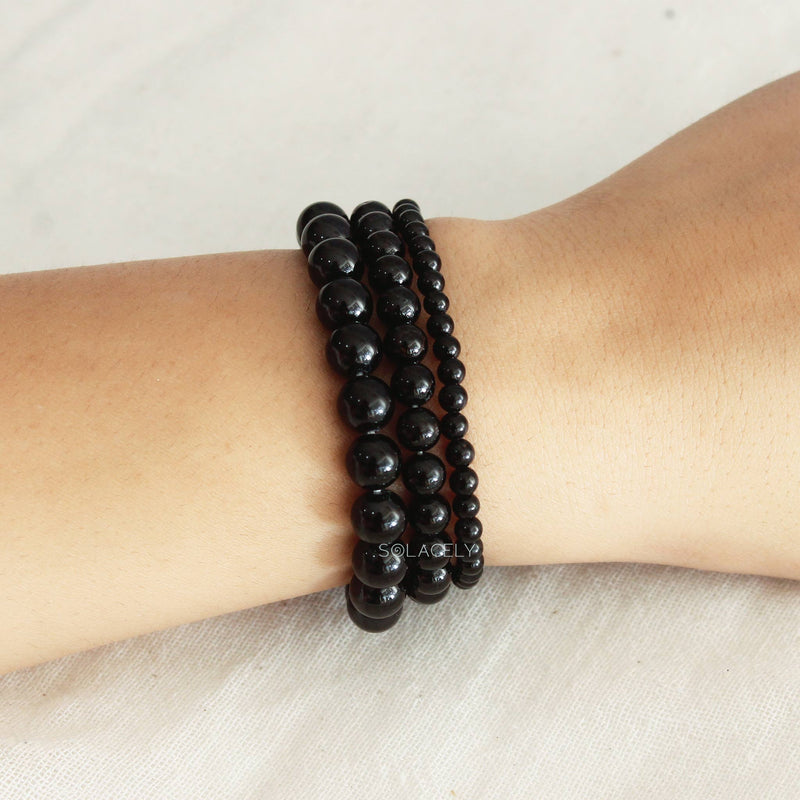
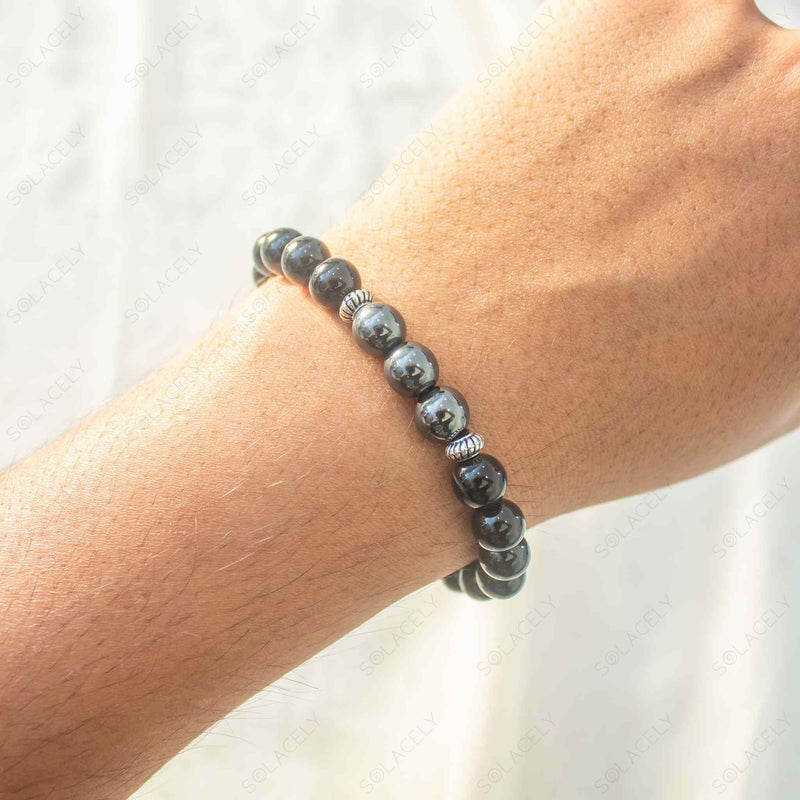
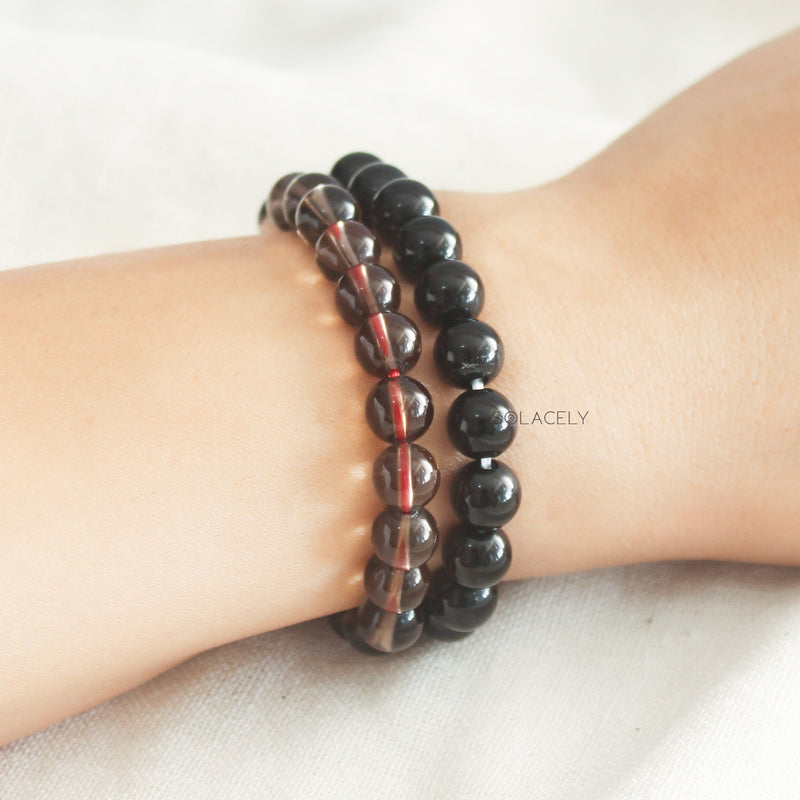
Black tourmaline supports self-confidence through grounding and protection: it is the classic stone for feeling steady, secure, and shielded from negativity and self-doubt, and that solid, grounded feeling is the foundation real confidence is built on. It does not grant confidence on its own. Its honest role is as a grounding cue and reminder, holding or wearing it while you set an intention to stand steady helps you feel more settled and self-assured, so you can show up as yourself, understood as reflective self-care rather than magic.
Key Takeaways
- Black tourmaline supports self-confidence indirectly, through grounding and protection, giving a steady, secure feeling to build confidence on.
- Its honest role is a grounding cue and reminder, not a source of confidence; the self-assurance comes from feeling settled and from your own actions.
- Use it by carrying or wearing one, holding it to set an intention before a nerve-racking moment, or keeping it at your desk.
- Black tourmaline is a durable silicate (Mohs 7 to 7.5), so it suits everyday carry and wear, though it can be brittle along its length.
- These are traditional, belief-based associations offered as reflective self-care, not a proven boost to confidence or a treatment for anxiety.
How does black tourmaline help with self-confidence?
Black tourmaline is best known as a grounding and protective stone, and that is exactly why it is linked with self-confidence. Confidence is hard to feel when you are anxious, scattered, or worried about others' judgement. Black tourmaline's traditional job is to help you feel grounded, steady, and shielded from negativity, and that settled, secure feeling is the ground real confidence grows from.
The connection is indirect but sensible. Rather than promising to make you bold, black tourmaline is used to remove what undermines confidence: self-doubt, anxiety, and the drain of negative environments. When you feel rooted and protected, it is easier to speak up, stand your ground, and be yourself, which is what confidence looks like in practice.
Understood honestly, the stone is a grounding cue, not a shortcut to self-assurance. Its role overlaps with the wider set of confidence stones in our guide to crystals for confidence, and with the protective tradition explored in our note on crystals for protection.
What is black tourmaline?
It helps to know the stone itself. Black tourmaline is a natural mineral, a complex boron silicate, and its black, iron-rich form is properly called schorl. According to Encyclopaedia Britannica, tourmaline is a group of related silicate minerals occurring in many colours, with schorl being the common opaque black variety used in most black tourmaline jewellery and tumbled stones.
It is a practical, hard-wearing stone. Tourmaline rates about 7 to 7.5 on the Mohs hardness scale, according to the Gemological Institute of America, so black tourmaline stands up well to daily carrying and wear, though like many crystals it can be brittle along its length and chip if struck hard. Its deep, glassy black colour is striking and easy to pair with anything.
One genuinely interesting property is that tourmaline is pyroelectric, meaning it can develop a small electrical charge when heated. This is a real mineral fact, not a confidence mechanism, and it is often overstated in marketing. It is worth enjoying as trivia about the stone, not as evidence that it acts on your mind or emotions.
Why grounding builds confidence
The honest mechanism here is psychological, and it is worth understanding. Black tourmaline does not transmit confidence through its energy; there is no scientific evidence for that. What it offers is a grounding ritual, and grounding genuinely helps confidence by calming the anxiety and self-doubt that get in its way. A steadier mind simply finds it easier to feel self-assured.
Holding a cool, solid stone and taking a slow breath before a nerve-racking moment is a simple grounding and mindfulness practice. The U.S. National Center for Complementary and Integrative Health notes that mindfulness can help many people manage stress and anxious feelings, and less anxiety leaves more room for confidence. The stone gives that practice a tangible anchor and a reminder to steady yourself.
There is also the power of intention and association. When you decide a stone represents your own steadiness and worth, carrying it becomes a repeated reminder to stand tall and trust yourself. That reminder can genuinely shift how you carry yourself, so black tourmaline works as a grounding cue for confidence, with the confidence itself coming from you.
How to use black tourmaline for self-confidence
Using black tourmaline for confidence is simple, and the aim is to feel grounded and steady so self-assurance has room to grow. Let the stone be a cue to root yourself before you need to shine. Here are common ways people use it.
Worn where you can see it through the day, a black tourmaline bracelet is a small steadying reminder rather than a fix.
- Carry one daily. Keep a tumbled black tourmaline in your pocket as a steady reminder of your own groundedness through the day.
- Wear it. A black tourmaline bracelet or pendant keeps a grounding, protective intention with you, useful before high-pressure moments.
- Hold it before a challenge. Before a meeting, interview, or hard conversation, hold the stone, breathe slowly, and set an intention to stay steady.
- Keep one at your desk. A stone in your workspace is a grounding anchor when self-doubt or stress creeps in.
- Set a confidence intention. Hold the stone and name a steadying line, such as 'I am grounded and I trust myself.'
If you want to browse a few options together, our confidence and success pieces are a good place to start.
Whichever you choose, let the stone cue the grounding and let your steadiness and actions carry the confidence. If you like the idea of wearing it every day, our guide to the black tourmaline crystal bracelet covers how to wear and care for one, and for inner steadiness more broadly, our note on crystals for spiritual strength is a companion.
Caring for your black tourmaline
Black tourmaline is durable and easy to care for, which suits a stone you will want to carry or wear often. As a hard mineral at 7 to 7.5 on the Mohs scale, it handles daily handling well, though you should avoid hard knocks, since it can be brittle along its length, and store it apart from softer stones to protect them.
Cleaning it is simple: a wipe with a soft, dry or barely damp cloth keeps it looking its best. If your black tourmaline is set in a bracelet or pendant, take care of the stringing or setting too, avoiding prolonged water, which can weaken elastic cords over time. Keep it from harsh chemicals, which can dull its glassy surface.
If you like to cleanse your stone in the spiritual sense, black tourmaline is often reset with sound, moonlight, or a brief pass through incense smoke, and many people cleanse it after a stressful day. Our step-by-step on how to cleanse and charge crystals covers which method suits which stone.
Pairing black tourmaline with real confidence habits
Black tourmaline does its best work when it sits alongside the habits that genuinely build self-confidence, since the stone supplies the grounding cue and the habits supply the growth. Think of the crystal as a steadying anchor that supports the everyday practice of becoming more sure of yourself.
A few habits pair especially well. First, take small brave actions: confidence grows from doing the thing you are nervous about, so let the stone cue a grounding breath and then act anyway. Second, watch your self-talk, replacing harsh inner criticism with steadier, kinder words as you hold the stone. Third, prepare well, since genuine competence is one of the surest foundations of confidence, and let the stone mark the calm before you begin.
Layered onto these habits, black tourmaline becomes a genuinely useful ally, a small, tangible reminder to ground yourself and trust the work you have put in, rather than a hoped-for source of confidence on its own. The steadiness it cues is real; the confidence is yours to build.
Common mistakes with black tourmaline and confidence
A few misunderstandings can keep black tourmaline from playing its genuine, supportive role. Keep these in mind so the stone actually helps you feel steady and self-assured.
- Expecting instant confidence. The stone grounds you; it does not hand you confidence. The self-assurance comes from feeling steady and from your actions.
- Skipping the grounding. A stone in your pocket only helps if you pause and breathe with it. Use it as a cue, not a charm.
- Treating it as a cure for anxiety. Black tourmaline is not a treatment; for persistent anxiety or low self-worth, a professional helps far more.
- Believing the radiation claims. Its pyroelectric property is trivia, not proof it shields you or boosts your mind.
- Owning without using. A stone left in a drawer does nothing. One you carry and use with intention is worth far more.
The properties described here reflect traditional and cultural belief around crystals. They are not medical claims, they are not claims about physical shielding, and they are not a substitute for professional healthcare. If you are managing a health concern, speak to a qualified practitioner. If low confidence, anxiety, or self-doubt is persistent and affecting your life, please consider speaking with a qualified professional.
Frequently Asked Questions
Is black tourmaline good for self-confidence?
Yes, in an indirect way. Black tourmaline is the classic grounding and protective stone, and by helping you feel steady, secure, and shielded from self-doubt and negativity, it creates the settled foundation that confidence is built on. It does not grant confidence through its energy; it works as a grounding cue and reminder to stand steady. Used that way, alongside your own actions and self-work, it is a genuinely supportive stone for feeling more self-assured.
How does black tourmaline help with confidence?
It helps by grounding, not by magic. Confidence is hard to feel when you are anxious or worried about judgement, and black tourmaline's traditional role is to steady you and clear away that self-doubt and negativity. Holding a cool, solid stone and breathing before a nerve-racking moment is a grounding practice that eases anxiety, leaving more room for confidence. The stone is the cue; the self-assurance comes from feeling settled and from showing up as yourself.
How do I use black tourmaline to feel more confident?
Carry a tumbled stone in your pocket, wear a bracelet or pendant, or hold the stone before a meeting, interview, or hard conversation, breathing slowly and setting an intention to stay steady. Keeping one at your desk gives you a grounding anchor when self-doubt creeps in. Let the stone cue a moment of grounding and calm; the confidence follows from feeling steady and from taking the action anyway.
Does black tourmaline really boost confidence?
There is no scientific evidence that black tourmaline boosts confidence through its own energy. What genuinely helps is the grounding ritual it supports: calming anxiety and self-doubt with a steadying pause really does make confidence easier to feel, and carrying a stone you associate with steadiness reminds you to stand tall. Understood as a grounding cue rather than a magical booster, black tourmaline is a useful, supportive tool. The confidence comes from you.
How do I care for black tourmaline?
Black tourmaline is durable at 7 to 7.5 on the Mohs scale, so wipe it with a soft, dry or barely damp cloth and avoid hard knocks, since it can be brittle along its length. Keep it from harsh chemicals, and if it is set in a bracelet, avoid prolonged water, which weakens cords. To cleanse it spiritually, use sound, moonlight, or incense smoke rather than long soaking, and reset it after a stressful day.
Can black tourmaline replace working on my confidence?
No. Black tourmaline is a supportive cue, not a substitute for building real confidence or for professional help. Genuine confidence grows from self-work, small brave actions, and, when needed, support from a coach or therapist. The stone can gently anchor a grounding, steadying moment alongside that work, but it cannot do it for you. If low confidence or self-doubt is persistent and affecting your life, please consider speaking with a qualified professional.
Sources
- Encyclopaedia Britannica - Tourmaline, mineral group, schorl, and properties: https://www.britannica.com/science/tourmaline
- Gemological Institute of America - Tourmaline description and durability: https://www.gia.edu/tourmaline
- National Center for Complementary and Integrative Health (NIH) - Meditation and Mindfulness: What You Need To Know: https://www.nccih.nih.gov/health/meditation-and-mindfulness-what-you-need-to-know
About the author


Written by Chetna Sharma, crystal healing practitioner and co-founder of Solacely. Chetna has worked with healing crystals for over a decade and curates Solacely's protective stone collection.