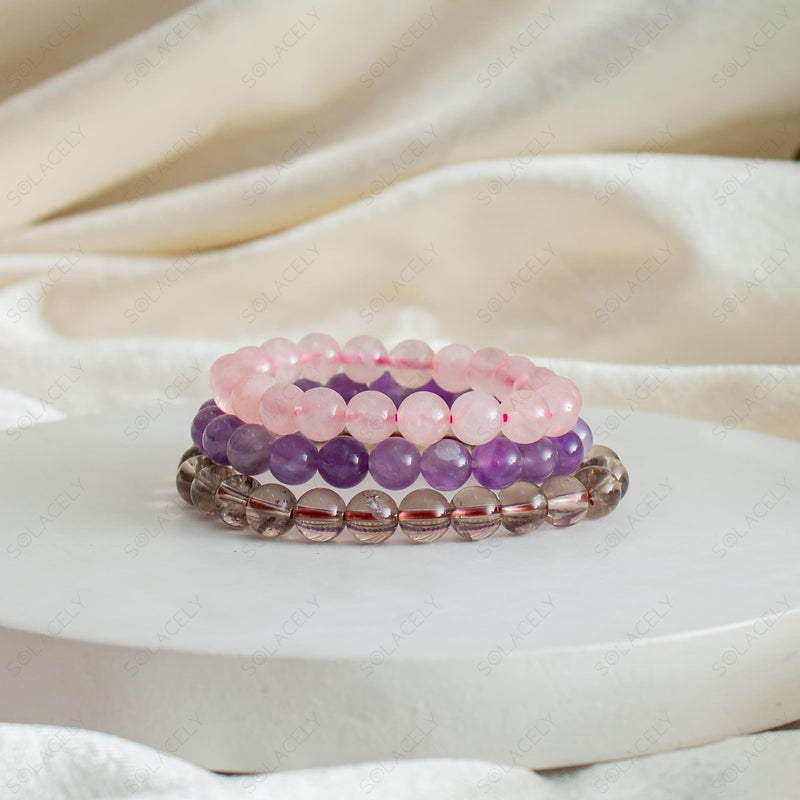
Crystals cannot heal the trauma of narcissistic abuse, undo its harm, or replace professional support. Recovery from emotional or psychological abuse is real, serious work that deserves a qualified therapist and, if you are in danger, immediate help. The only honest role a crystal can play is as a small, grounding self-care object during recovery: held in a calming ritual, stones like black tourmaline, rose quartz, and amethyst may help you feel a little steadier and kinder to yourself, always alongside real support, never in place of it.
Key Takeaways
- Crystals cannot heal or treat trauma from narcissistic or emotional abuse; recovery needs a qualified therapist and, if you are unsafe, urgent help.
- Their only honest role is a grounding self-care cue during recovery, supporting calm, self-compassion, and a sense of steadiness.
- Popular supportive stones include black tourmaline (grounding), rose quartz (self-worth), and amethyst (calm), used as reminders, not treatment.
- Real recovery comes from safety, boundaries, therapy, and support, and rebuilding self-worth takes time and professional care.
- If you are in immediate danger, contact local emergency services or a domestic-abuse helpline; a stone is never a substitute for safety and support.
Can crystals help with narcissistic abuse?
Let us be honest and gentle here, because this matters deeply. Crystals cannot heal the harm of narcissistic abuse. There is no crystal that undoes psychological trauma, rebuilds what was damaged, or takes the place of a therapist. Emotional and psychological abuse can leave real wounds, anxiety, self-doubt, hypervigilance, a shaken sense of self, and those deserve genuine, professional care.
So why might a crystal have any place in recovery at all? Not as a treatment, but as a small, comforting object within a self-care routine. Recovery is exhausting, and gentle rituals that help you feel grounded and treat yourself with kindness have real value alongside therapy. If holding a stone helps you pause, breathe, and remember your own worth, that is a modest but genuine support.
The most important step is real help: a qualified therapist, a trusted support network, and, where needed, a safety plan. Crystals sit gently beside that, never in front of it. For the emotional side of healing, our guide to crystals for emotional healing is a companion, and for rebuilding a shaken sense of self, our note on crystals for confidence may help.
What narcissistic abuse recovery really needs
Before any stone, it helps to be clear about what actually heals. Recovery from narcissistic or emotional abuse is built on safety, understanding, boundaries, and support, usually with professional guidance. According to the U.S. National Library of Medicine (MedlinePlus), emotional and psychological abuse is a serious form of harm, and support from a doctor, counsellor, or a domestic-abuse service is an important part of recovery.
The foundations of healing are real and human, not mineral. They include getting to safety and, where relevant, establishing distance or no contact; working with a therapist to understand what happened and to rebuild self-trust; leaning on people who care about you; and slowly, patiently restoring your sense of worth. This work takes time, and it is not a sign of weakness to need help with it.
A crystal cannot do any of that heavy lifting. What it can do, at most, is serve as a small anchor for calm and self-kindness while you do the real work with real support. Understood that way, honestly and modestly, it is a gentle companion to recovery, not a part of the cure. The healing comes from safety, therapy, boundaries, and time.
Crystals people find comforting during recovery
Some stones are traditionally chosen for grounding, calm, and self-worth, qualities that can feel supportive during a hard time. The table below lists common choices and the honest, comforting role each might play, never a treatment for trauma.
| Crystal | Traditional theme | Honest, comforting role |
|---|---|---|
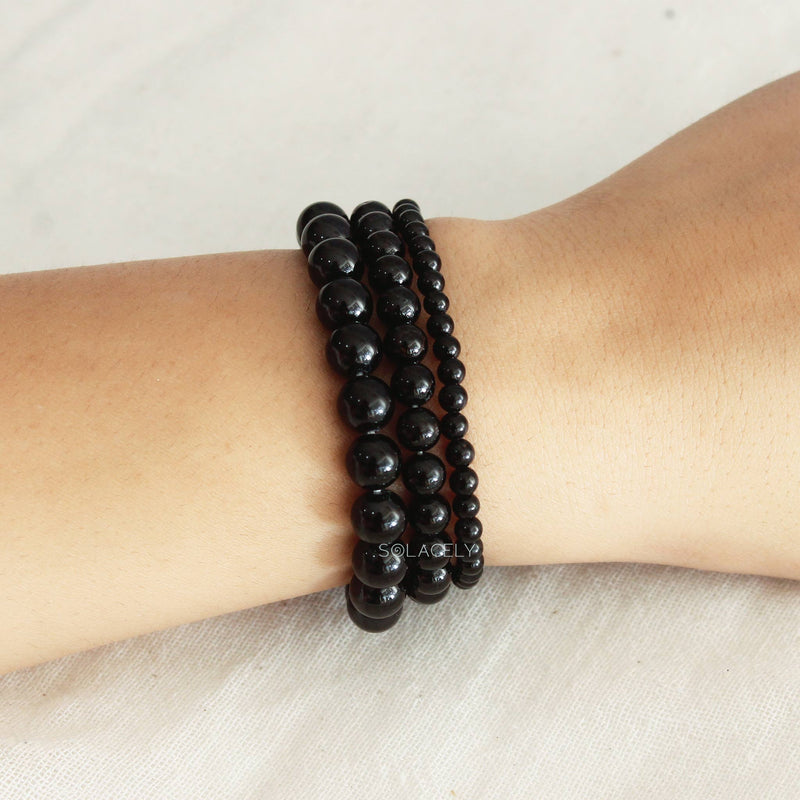
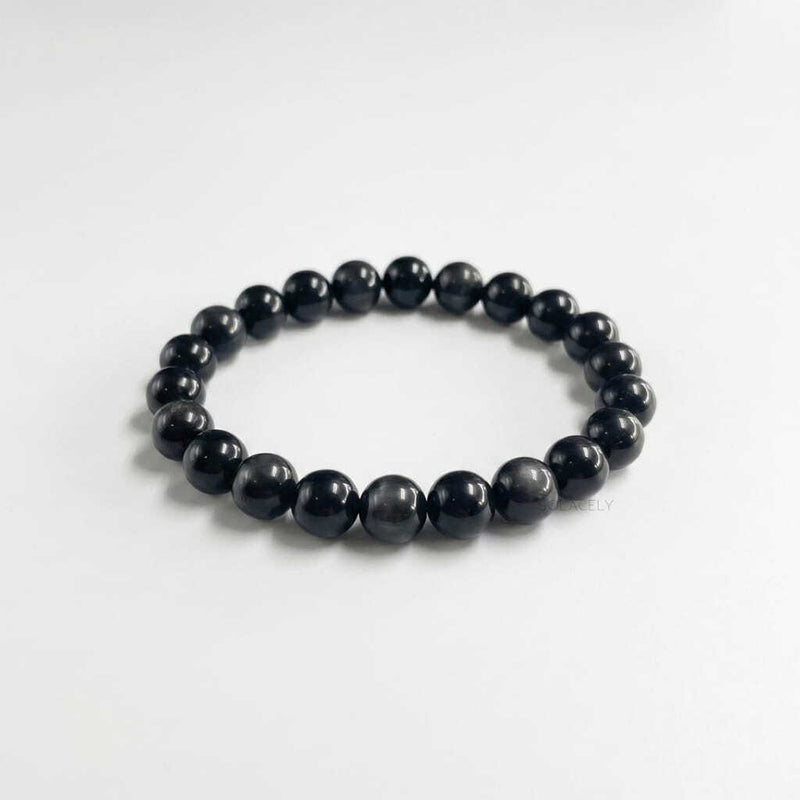
| Black tourmaline | Grounding, protection | A steadying anchor and boundary reminder |
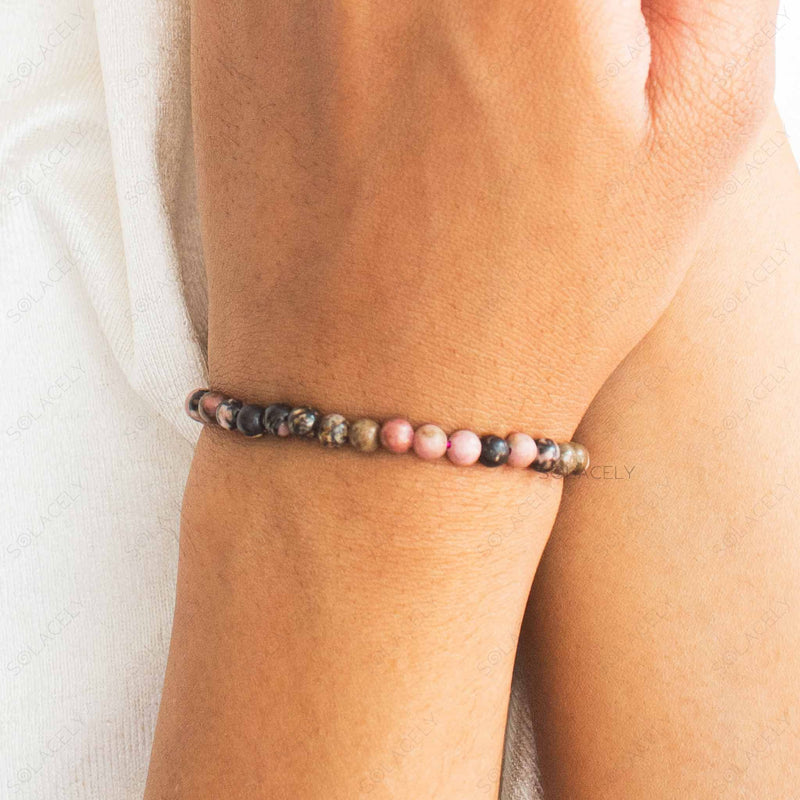
| Rose quartz | Love, self-worth | A prompt for self-compassion |
| Amethyst | Calm, soothing | A cue to settle an anxious mind |
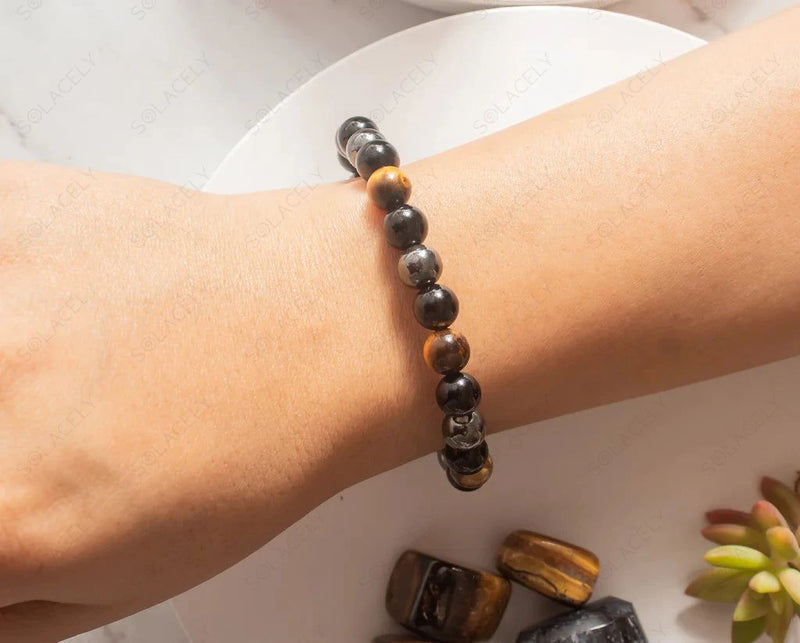
| Hematite | Grounding, stability | A sense of being steady and present |
| Smoky quartz | Releasing, grounding | A focus for letting heavy feelings pass |
Notice that each honest role is about grounding, calm, and self-kindness, not repairing trauma. The boundary theme matters in recovery, which is why some people find a protective stone like black tourmaline a comforting reminder, explored in our guide to crystals for protection, while an anxious, looping mind is addressed in our note on crystals for overthinking.
How to use crystals as gentle self-care in recovery
If a crystal feels comforting, use it for the calm, grounding, self-kindness side of recovery, and keep therapy and support at the centre. Let the stone be a small cue, never a coping strategy on its own. Here are gentle ways people use them.
- Ground yourself with one. When you feel shaky or overwhelmed, hold a grounding stone, feel its weight, and take slow breaths to return to the present.
- Practise self-compassion. Hold rose quartz and offer yourself a kind line, since abuse often damages self-worth and kindness helps rebuild it.
- Set a boundary intention. Hold a stone as you remind yourself that your needs and limits matter, a reflection that supports real boundary work.
- Calm an anxious moment. When anxiety spikes, hold a soothing stone and breathe, using it as a mindfulness anchor.
- Keep one as a reminder. A stone in your pocket or space can quietly remind you that you are healing and worthy of care.
Whichever you choose, let the stone support a calming moment and let therapy, boundaries, and support do the real healing. For releasing resentment as part of your own recovery, in your own time and never as an obligation, our guide to crystals for forgiveness may be a gentle companion.
Being patient and gentle with yourself
Recovery from narcissistic abuse rarely follows a straight line, and it helps to know that in advance. Healing can come in waves, with better days and harder ones, and that is normal, not a sign you are failing. Abuse can leave you doubting your own memory, worth, and judgement, so rebuilding trust in yourself is slow, tender work that deserves patience.
Try to meet yourself with the same kindness you would offer a friend in your situation. That means resisting the urge to rush your healing, to blame yourself for what happened, or to measure your progress against anyone else's. Small acts of self-care, rest, a walk, a kind word, time with safe people, are not indulgences; during recovery they are part of the work.
A crystal, if it helps at all, helps exactly here: as a small, tangible reminder to pause and be gentle with yourself on a hard day. It is a comfort, not a cure, and holding it for a moment can be one more quiet way of telling yourself that you matter, that what happened was not your fault, and that healing, with real support and time, is genuinely possible.
When to seek help, and where to find it
This is the most important part of this article, so please do not skip it. Narcissistic and emotional abuse is serious, and you deserve real support. Please reach out for professional help rather than relying on any self-help object alone, especially in the situations below.
- If you are in immediate danger. Contact your local emergency services right away. Your safety comes before everything else.
- If you are in an abusive relationship. A domestic-abuse helpline or service in your country can offer confidential support and help you plan safely.
- If you are struggling emotionally. A qualified therapist or counsellor can help you process trauma, rebuild self-trust, and recover.
- If you feel hopeless or unsafe with yourself. Please contact a doctor, a mental-health crisis line, or emergency services immediately; you deserve support and you are not alone.
- If you are unsure where to start. Your doctor can be a safe first step and can point you toward the right services.
Asking for help is a sign of strength, not weakness. Crystals can sit quietly alongside that support as a small comfort, but the people who can truly help you recover are trained professionals and those who care about you.
Frequently Asked Questions
Can crystals heal trauma from narcissistic abuse?
No. Crystals cannot heal trauma, undo abuse, or replace professional help. Recovery from narcissistic or emotional abuse is real, serious work built on safety, boundaries, therapy, and support. The only honest role a crystal can play is as a small, grounding self-care object during recovery, a cue for calm and self-kindness alongside real help. If you are recovering from abuse, please work with a qualified therapist, and treat any crystal as a gentle comfort, not a cure.
Which crystals are comforting during abuse recovery?
People often find grounding and self-worth stones comforting, such as black tourmaline for a steady, protected feeling, rose quartz for self-compassion, amethyst for calm, and hematite or smoky quartz for grounding. These are traditional associations that work as gentle cues for calm and self-kindness, not treatments for trauma. Choose one that feels soothing to hold, and use it alongside therapy and support, never as a substitute for professional help.
How can a crystal support me while I recover?
Only as a small, grounding ritual. When you feel shaky, holding a stone and breathing slowly can help you return to the present, and holding rose quartz while you offer yourself a kind word can support self-compassion, which abuse often damages. The stone is a cue for calm and self-kindness; the real recovery comes from safety, boundaries, therapy, and support. Used gently that way, a crystal can be a modest, comforting companion.
Are crystals a substitute for therapy after abuse?
No, never. Crystals cannot process trauma, rebuild self-trust, or keep you safe, and relying on them instead of professional help can leave real wounds untreated. Therapy, support, and, where needed, a safety plan are what genuinely help you recover from narcissistic abuse. A crystal can sit alongside that care as a small comfort, but please make a qualified therapist or counsellor, not a stone, the centre of your recovery.
What should I do if I am still in an abusive situation?
Your safety comes first. If you are in immediate danger, contact your local emergency services right away. If you are in an abusive relationship, a domestic-abuse helpline or service in your country can offer confidential support and help you plan safely, and your doctor can be a safe first step. Please reach out to real people who can help; a crystal is a small comfort, never a solution to an unsafe situation.
Can a crystal help me set boundaries with a narcissist?
A crystal cannot set boundaries for you, but some people find a grounding stone like black tourmaline a comforting reminder that their limits and needs matter. Held as a cue while you reflect, it can support the mindset behind boundary work. The boundaries themselves, and often no or limited contact, are real steps best taken with guidance from a therapist. Use the stone as a gentle reminder, and lean on professional support for the actual work.
Sources
- National Library of Medicine (MedlinePlus) - Domestic violence and emotional/psychological abuse: https://medlineplus.gov/domesticviolence.html
- National Center for Complementary and Integrative Health (NIH) - Meditation and Mindfulness: What You Need To Know: https://www.nccih.nih.gov/health/meditation-and-mindfulness-what-you-need-to-know
- National Institute of Mental Health (NIH) - Coping With Traumatic Events: https://www.nimh.nih.gov/health/topics/coping-with-traumatic-events
About the author


Written by Chetna Sharma, crystal healing practitioner and co-founder of Solacely. Chetna has worked with healing crystals for over a decade and curates Solacely's protective stone collection.