A luxurious wedding return gift is a lasting keepsake, not a token, given to the guests you want to feel genuinely valued. Think crystal display pieces, 925 sterling silver, or a curated hamper built around one hero object. The rule is simple: it should look considered, feel weighty in the hand, and end up on a shelf rather than in a drawer.
Key Takeaways
- A luxury return gift sits well above the modest token most guests receive, and it is defined by permanence and craft rather than price alone.
- The best premium keepsakes last: crystal sculptures, 925 sterling silver and curated hampers beat sweets or consumables.
- Match the tier to the relationship. Close family and VIP guests get the signature pieces; wider circles get a polished entry-luxury keepsake.
- Presentation carries half the perceived value. A rigid box, a cloth wrap and a signed note lift any gift a full tier.
- Crystals such as rose quartz (love) and pyrite (prosperity) add an intention that suits a wedding blessing.
What makes a wedding return gift luxurious?
A luxury return gift is defined less by price and more by permanence, material quality and presentation. In practice it means choosing something durable, a crystal sculpture or a silver piece, rather than a consumable. The gift should read as a keepsake the recipient displays, not something they put away.
Most weddings hand out a warm but modest token: sweets, a small diya, a potli of dry fruit. That works perfectly for a five-hundred-guest circle. A luxurious gift is the opposite instinct, fewer recipients and a longer memory. You are buying a moment of being remembered every time the object catches their eye at home.
Three signals separate luxury from ordinary. Material that ages well, such as natural stone, real silver or brass. Craft you can feel in the weight and the finish. And packaging that treats the object with care. Miss any one and the gift slides back down a tier. If you are still shaping the broader guest strategy, our guide to wedding return gifts for guests covers the wider circle before you narrow to the premium list.
Luxury tiers: what to spend per guest
Work in three tiers rather than one flat figure: an entry-luxury tier for a strong keepsake, a standout tier for a genuinely impressive piece, and a signature tier for immediate family and the guests you want to honour most. Below the entry tier you are in premium-token territory, thoughtful, but not what most guests would call luxury.
The trick with a large wedding is not to gift everyone at the top tier. You tier the list. Immediate family, the wedding party and out-of-town guests who made real effort sit at the top. The wider invited circle receives a polished piece at the entry-luxury tier. That keeps the gesture generous without turning the return-gift line into a runaway cost.
| Tier | Relative spend | Who it suits | Example keepsake |
|---|---|---|---|
| Entry luxury | Modest premium | Extended family, close friends | Crystal tree, silver diya |
| Standout | Mid-range | Wedding party, VIP guests | Large crystal sculpture, silver bowl |
| Signature | Highest | Parents, siblings, patrons | Curated hamper, statement crystal piece |
A quick note on quantity. If your premium list runs long, buy in a single order so you can negotiate a better rate and keep the finish consistent across every box. For parents and elders specifically, who often warrant the signature tier, see wedding return gifts for parents.
Premium crystal keepsakes for weddings
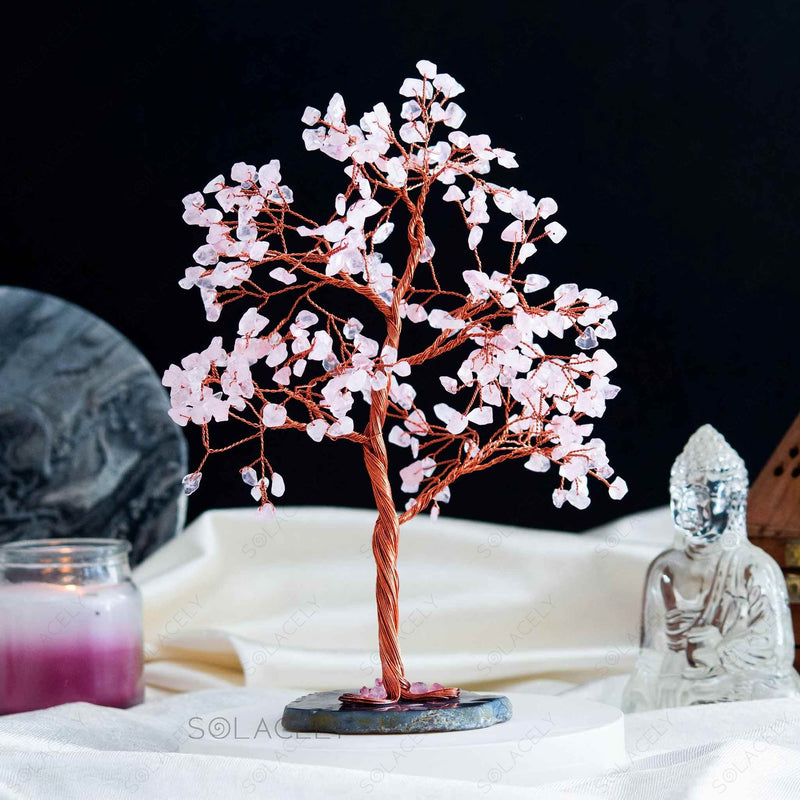
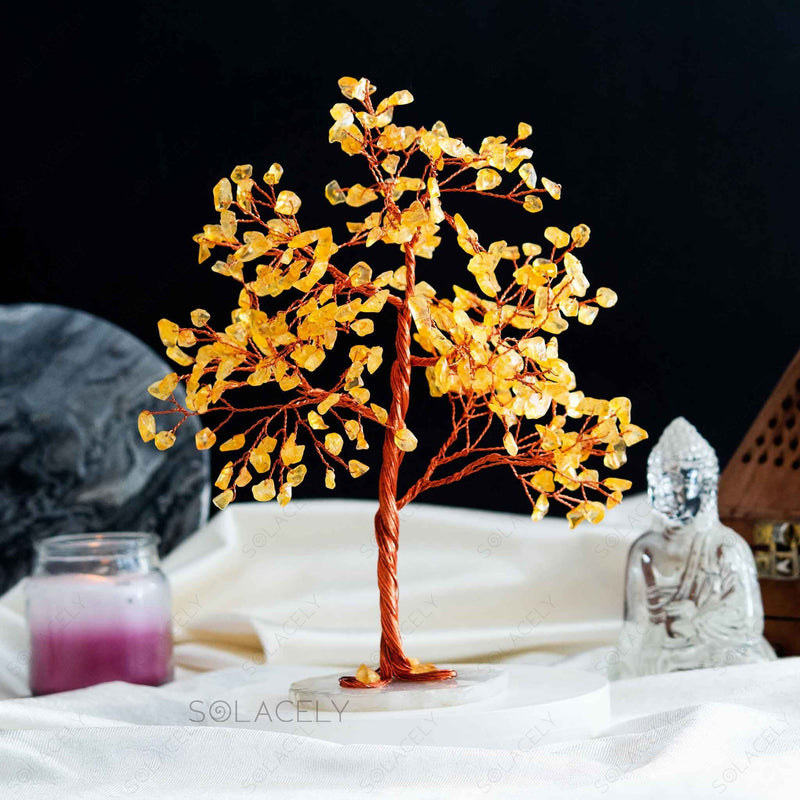
Crystal display pieces are among the strongest luxury return gifts because they are decorative, durable and carry an intention that suits a wedding blessing. A gemstone tree or a carved sculpture gives real visual weight on a mantel or puja shelf, and unlike sweets it stays in the home for years.
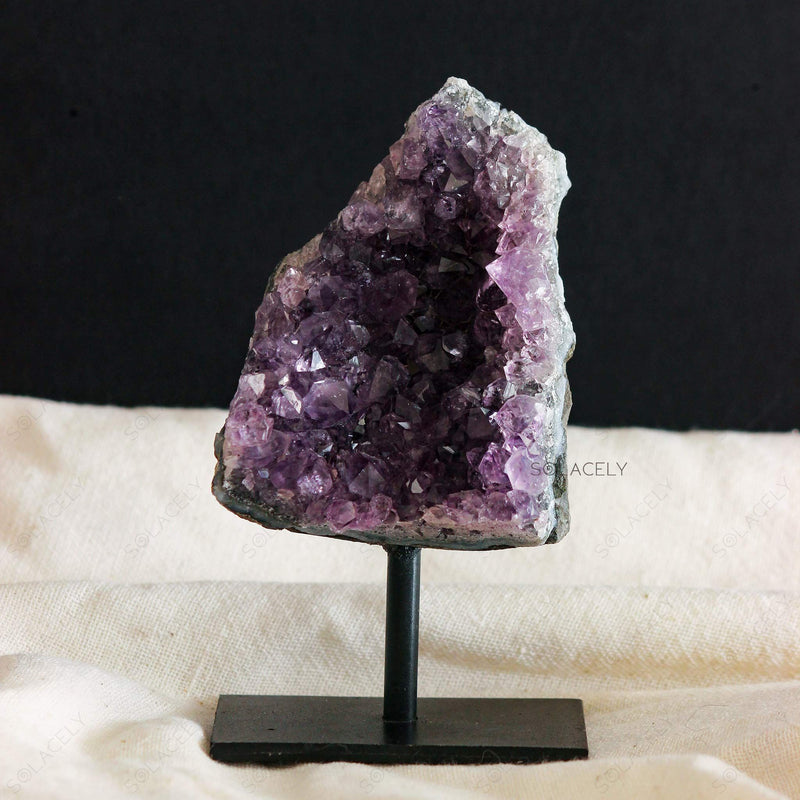
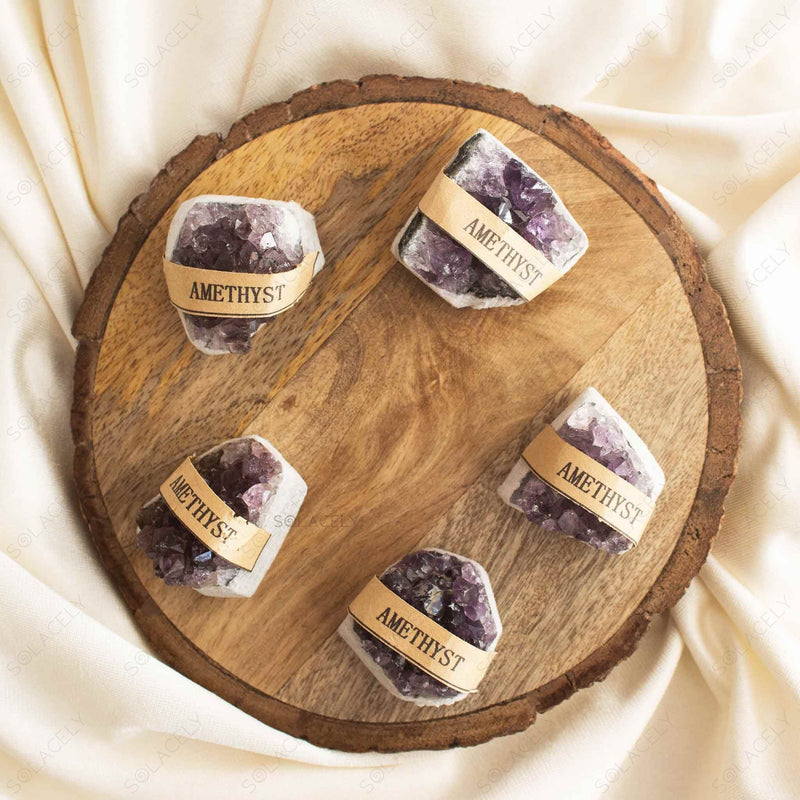
Crystals also let you match meaning to the occasion, which is what lifts a gift from pretty to personal. Rose quartz is the stone of love and harmony, a natural fit for a marriage. Pyrite is associated with prosperity and confidence, a fitting wish for a couple or a returning guest. Amethyst carries a calm, restful quality that reads as a blessing for the home.
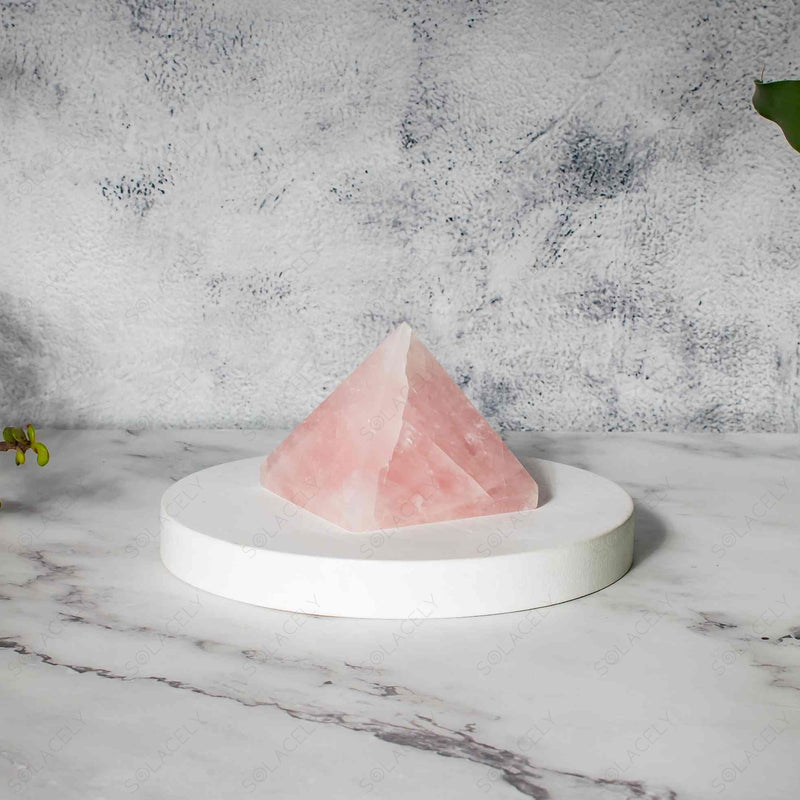
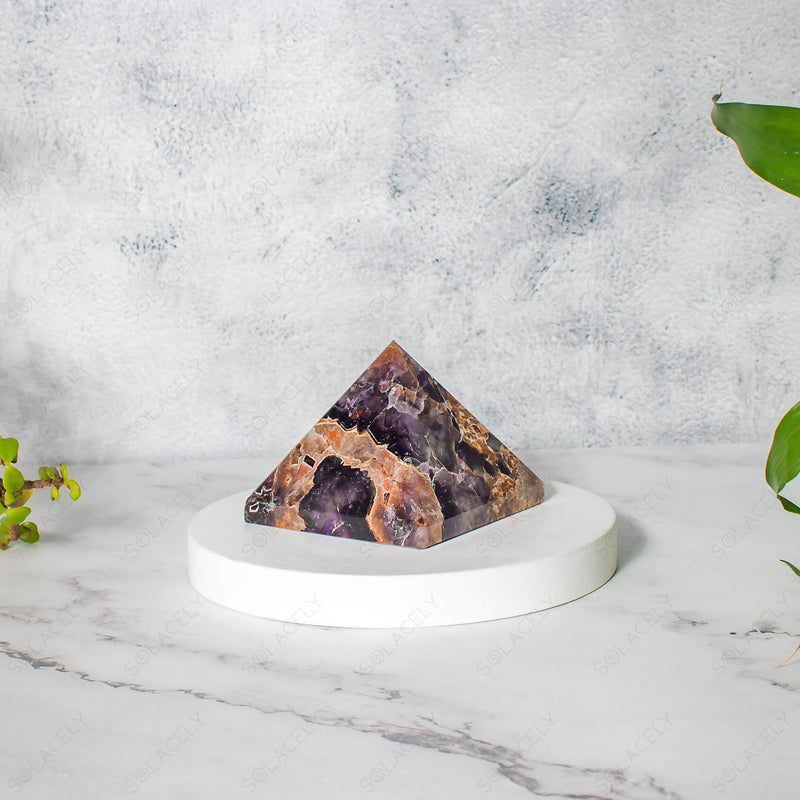
Good options at the luxury tier include a large amethyst or rose quartz tree, a carved crystal bowl, or a statement geode. Pyramids are a popular sub-category because the form is clean and giftable at scale; our note on crystal pyramid wedding return gifts covers sizing and placement. For the full premium range and how the pieces are finished, see our luxury crystal product gifts guide.
According to the Gemological Institute of America, amethyst and citrine are both varieties of quartz, the same mineral family, which is why a matched set of quartz pieces looks cohesive on a shelf even when the colours differ.
Sterling silver: the timeless luxury choice
Real 925 sterling silver is a classic luxury return gift because it holds value, ages gracefully and carries auspicious weight at weddings and housewarmings alike. A silver diya, bowl or coin feels substantial in the hand and signals genuine investment in the guest rather than a mass token.
The number matters. Sterling silver is 92.5 percent pure silver alloyed with 7.5 percent other metals, usually copper, for durability. That alloy is what lets a silver bowl survive daily use without denting or bending the way pure silver would. If you want the full breakdown before you buy, our explainer on what 925 sterling silver is covers hallmarks and how to verify authenticity.
Silver pairs beautifully with the festive gifting calendar, so a silver return gift rarely feels out of place, whether the wedding sits near Diwali, Dhanteras or a griha pravesh. One care tip is worth passing on with the gift: silver tarnishes, and a soft cloth plus a dry drawer keeps it bright. That small note turns a nice object into a thoughtful one.
There is also a practical case for silver at the top of your list. Where a crystal is admired and displayed, a silver diya or coin gets used, lit at Diwali, kept in the puja room, or simply held onto as something that quietly holds its worth. For elders in particular, that lasting, functional value is what marks a gift as serious rather than decorative. It is why the signature tier so often lands on silver for parents and patrons.
Curated luxury hampers
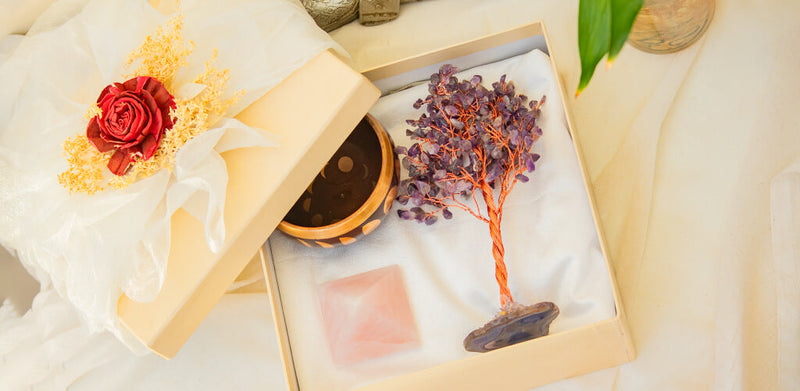
A curated hamper is the most flexible luxury return gift because you control the tier by what goes inside, and a well-assembled box reads as generous without needing to be the most expensive thing on the list. The strongest hampers pair one hero keepsake, a crystal piece or a silver item, with two or three smaller consumables, then finish with rigid packaging and a note.
The mistake most people make is filling a hamper with volume: ten small things that add up to noise. Luxury goes the other way. One anchor object the guest will keep, supported by a couple of quality edibles such as artisan chocolate, single-estate tea or premium dry fruit, inside a box that feels like it cost something. Restraint is the signal.
Here is a simple way to build one:
- Choose the anchor. A crystal tree or a silver diya sets the tier and the theme.
- Add two supports. Quality consumables that complement the anchor rather than compete with it.
- Add a small ritual touch. A soy candle or incense adds warmth without much cost.
- Package rigidly. A magnetic-lid box, cloth or crinkle fill, and a ribbon.
- Write the note by hand. Use names, never "Dear Guest".
For hampers going to professional circles, colleagues, your manager or business contacts, the intention shifts slightly toward the understated. Our wedding return gifts for coworkers guide covers where the line sits between generous and awkward at work.
Matching the gift to the guest
The single biggest lever on perceived generosity is fit: a gift that suits the recipient beats a pricier one that does not. Before you buy at scale, sort your premium list into two or three groups by relationship and give each group a piece that reads as chosen for them rather than bulk-ordered.
Elders often appreciate the auspicious weight of silver or a puja-shelf crystal. Younger couples and friends lean toward decorative pieces with a clear intention: rose quartz for a newly married pair, pyrite for someone starting a business. Guests who travelled far deserve the top of your range, because effort should be met with effort.
| Recipient | Best-fit luxury gift | Why it lands |
|---|---|---|
| Parents and elders | 925 silver bowl or diya | Auspicious, holds its worth |
| Newlywed friends | Rose quartz piece | Love and harmony intention |
| Business or professional guests | Understated crystal or hamper | Tasteful, not personal |
| Out-of-town guests | Top-tier keepsake | Rewards real effort |
Two deeper reads help here. For pieces that feel one of a kind rather than off a shelf, see unique wedding return gifts. And when you want the gift to carry a message beyond price, our guide to meaningful wedding return gifts shows how to pair intention with the object.
Presentation and common mistakes to avoid
Presentation carries roughly half a luxury gift's perceived value, so a modest keepsake in a rigid box with a handwritten note can outshine a costlier item handed over in a thin plastic pouch. Invest in the wrap, the box and the note, and avoid the errors that quietly downgrade an otherwise generous gesture.
The most common mistakes are easy to fix once you know them. Skipping the packaging. Over-branding the box until it looks corporate. Gifting a fragile crystal without protective fill. And the biggest one, buying identical top-tier gifts for three hundred people and blowing the budget instead of tiering the list.
Watch for these before you order:
- No note. A generic tag reads as bulk. A signed line reads as care.
- Flimsy box. Rigid, magnetic-lid or cloth-wrapped, never thin card.
- Wrong tier for the scale. Tier the list; do not gift everyone the top tier.
- Untested authenticity. For silver, buy hallmarked; for crystals, buy from a seller who names the stone.
- Late ordering. Premium pieces and custom boxes need lead time, so order weeks ahead.
Sources
- Gemological Institute of America, quartz varieties including amethyst and citrine. gia.edu
- Encyclopaedia Britannica, silver and its properties and alloys. britannica.com
Frequently asked questions
About the author


Written by Chetna Sharma, crystal healing practitioner and co-founder of Solacely. Chetna has worked with healing crystals for over a decade and curates Solacely's protective stone collection.