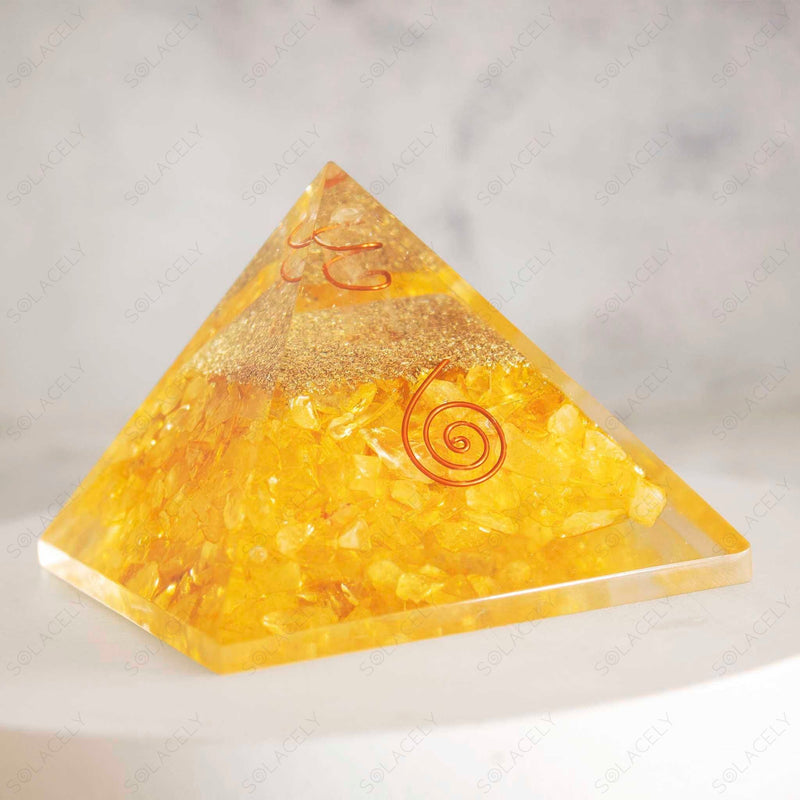
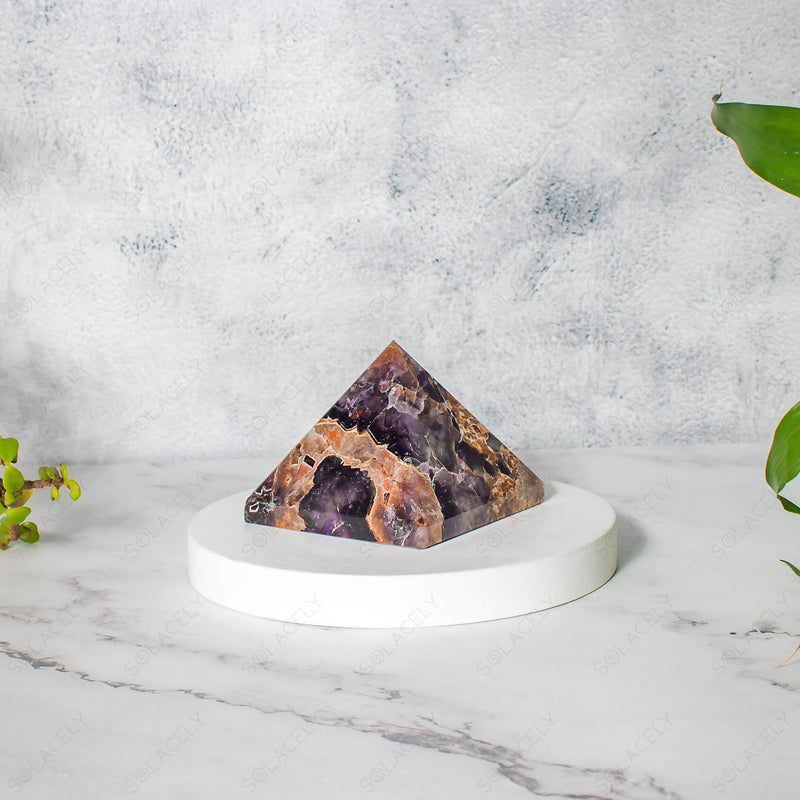
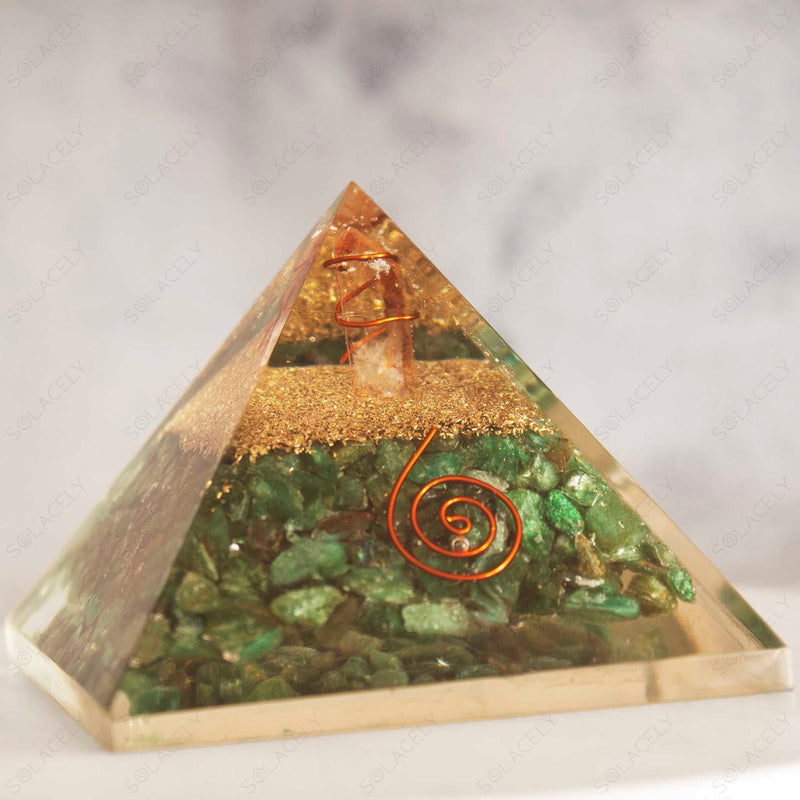
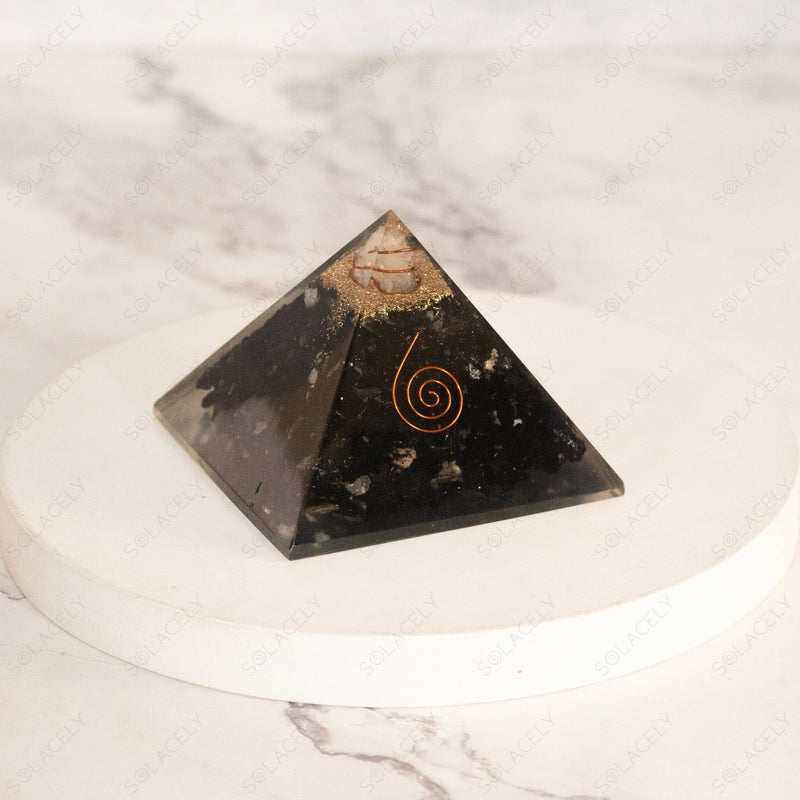
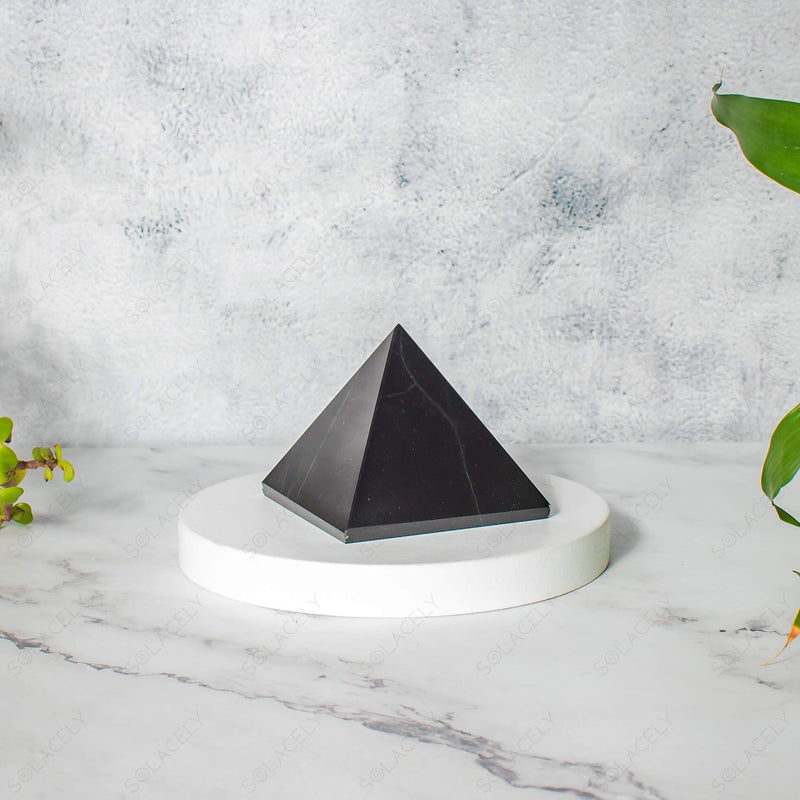
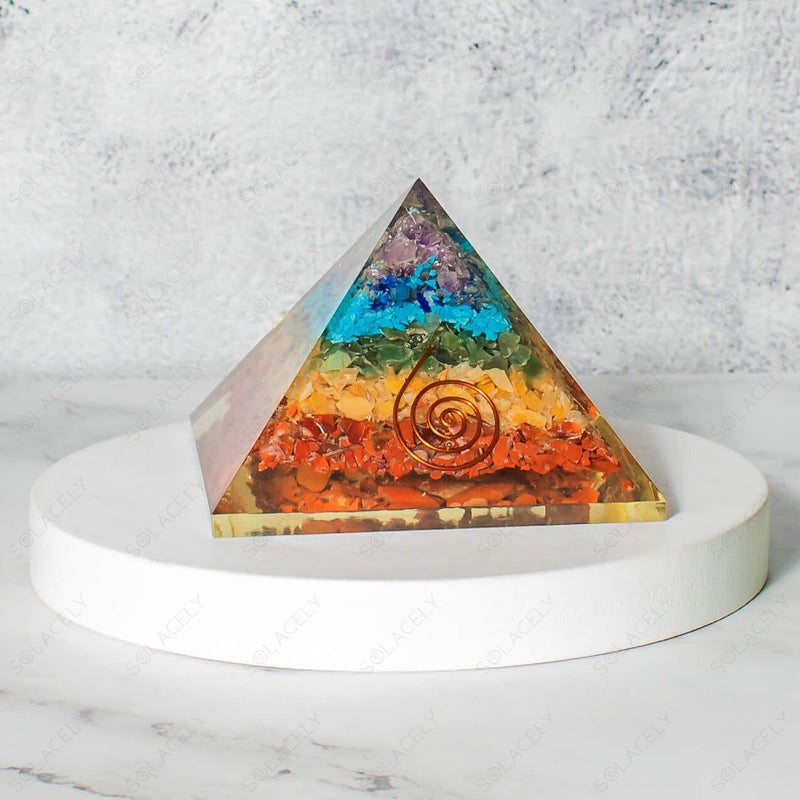
A crystal pyramid is a stone cut into a four-sided pyramid shape, kept on a desk or in an office as a focal point for positive energy and focus. Tradition says its pointed apex concentrates and radiates the stone's energy, while its square base gives a grounded, stable feel. Realistically, it is a beautiful, calming object that anchors an intention for a clearer, more positive workspace, a focus tool and a lovely piece of decor, not a device that changes the room.
Key Takeaways
- A crystal pyramid is a stone carved into a pyramid, used as a desk or office focal point for positive energy, focus, and calm.
- Tradition holds that the apex concentrates and radiates energy while the base grounds it; realistically it works as a focusing, intention-setting object.
- Popular stones are clear quartz (clarity), amethyst (calm), citrine (positivity and success), black tourmaline (a sense of protection), and pyrite (confidence).
- Place it where you will see it, on your desk facing you, or in a chosen corner, and pair it with a clear intention for your work.
- Pyramid shapes and crystal energy are spiritual tradition, not proven science. Treat it as a calming focus tool, and keep expectations grounded.
What is a crystal pyramid?
A crystal pyramid is simply a crystal shaped into a four-sided pyramid, a square base rising to a single point at the top. The form echoes the ancient pyramids, and in crystal tradition each part is given a meaning: the flat base represents grounding and stability, while the apex is said to focus the stone's energy and send it outward or upward. It is the shape, as much as the stone, that people respond to.
That geometry is why pyramids are popular for a workspace. A pyramid sits neatly, points the eye upward, and feels orderly and deliberate, which makes it a natural focal point on a busy desk. Whether or not you believe the shape does anything, a small, symmetrical object you have chosen with intention is a calming thing to look at between tasks.
Crystal pyramids come in many stones, and the stone sets the theme. If you are choosing based on what you want more of at work, calm, confidence, focus, our guide to crystals for different purposes matches stones to intentions before you pick a shape.
Why the pyramid shape?
The pyramid shape is chosen because tradition treats it as a natural focuser: the four sloping faces are said to draw the stone's energy up to the apex, concentrating it into a single point that radiates outward. The square base, meanwhile, is read as steady and grounding. Together they suggest energy that is both focused and stable, which is an appealing idea for a workspace.
None of this has scientific backing, and it helps to hold it lightly. The honest value of the shape is psychological and aesthetic. A pointed, symmetrical form is satisfying to look at and easy to return your attention to, which is exactly what you want from a focal object during a scattered afternoon. The apex gives your eye somewhere to rest and reset.
This focusing logic is the same idea behind crystal grids, where geometry and a centre point are used to concentrate an intention. If that appeals to you, our guide to crystals for grids shows how a layout built around a focal stone works, and a pyramid can sit at the centre of one.
Best crystals for a positive-energy office pyramid
The stone you choose sets the intention of your pyramid, so pick one that matches what you want your workspace to feel like. The table below covers the most popular office choices and the quality tradition assigns to each, so you can match the pyramid to your goal at work.
| Crystal pyramid | Traditional theme | Good for a desk that needs |
|---|---|---|
| Clear quartz | Clarity, focus, amplifying intent | A clear head and sharper focus |
| Amethyst | Calm, easing a busy mind | Less stress and a steadier mood |
| Citrine | Positivity, success, optimism | An upbeat, motivated atmosphere |
| Black tourmaline | Grounding, a sense of protection | Feeling steady and less frazzled |
| Pyrite | Confidence, drive | Backing yourself in your work |
Clear quartz is the all-rounder, chosen when you simply want focus and a clear mind, while citrine brings a bright, optimistic note many people like for a positive office. A citrine or pyrite pyramid overlaps with the success stones we cover in good luck crystals for success. If you choose a pyrite pyramid, remember it needs dry care, which our guide to caring for your pyrite ring explains.
Where to place a pyramid on your desk
Placement matters mostly because the pyramid works by being seen, so put it where it will catch your eye during the day. The front of your desk facing you, or a back corner within your sightline, both work well. Being visible is what keeps the intention alive; a pyramid hidden behind a monitor does little.
Many people borrow ideas from traditional space arrangement and choose a spot with meaning: a far-left corner of the desk is often treated as a prosperity or growth area, while a spot near where you enter the room is linked to opportunity. There is no strict rule, and you do not need to believe the system to use it as a helpful way to pick a place and commit to it.
A common modern habit is keeping a black tourmaline or amethyst pyramid near a computer for a feeling of calm and steadiness during screen-heavy work. It is worth being honest here: a stone does not block screens or electronics or affect your health in any measurable way. What it can do is act as a grounding visual cue to pause, breathe, and reset, which is a real and useful thing.
How to use your crystal pyramid
Using a pyramid is less about ritual and more about intention and attention. The stone sits and works quietly as a focal point, but a small habit around it makes it meaningful rather than mere decoration. Here is how people typically put one to work at a desk.
- Set an intention. When you place the pyramid, name what you want your work to feel like, focused, calm, confident, in a single sentence.
- Use it as a reset. When you feel scattered or stressed, look at the apex, take a few slow breaths, and let it pull your attention back.
- Start the day with it. Touch the pyramid as you sit down and restate your intention for the day ahead.
- Point the apex mindfully. Tradition says the apex sends energy outward, so face it toward the room, or toward you to draw focus in, whichever suits your intention.
- Keep it in view. Position it so it stays visible, since the reminder is the whole point.
The thread through all of this is that the pyramid is a cue and you provide the focus. Holding a short pause while you look at it is a small mindfulness moment, and the U.S. National Center for Complementary and Integrative Health notes that brief mindfulness practices can help many people manage stress and steady the mind. That quiet reset is the honest benefit.
Caring for your crystal pyramid
Keeping a pyramid in good shape is easy, and mostly about dusting and the occasional cleanse. Quartz-family stones like clear quartz, amethyst, and citrine are hard and durable at around 7 on the Mohs scale, so a wipe with a soft cloth keeps them bright. Keep amethyst and citrine out of prolonged strong sunlight, which can fade their colour over time, and protect the fine apex from knocks and drops.
Many people like to cleanse a pyramid now and then to refresh its intention, especially after a stressful stretch at work. Quartz-family stones tolerate the gentle methods well, cool running water, indirect moonlight, or sound from a singing bowl. Black tourmaline is fine with these too, while a pyrite pyramid must stay dry and be cleansed with dry methods like sound or moonlight only.
Our step-by-step on how to cleanse and charge crystals covers each method and which stones suit which. Pair the cleanse with a moment to restate your workspace intention, and keep the whole practice light. A well-kept pyramid stays a beautiful, meaningful part of your desk for years.
Common mistakes with a crystal pyramid
A pyramid earns its place when you treat it as a focus cue rather than a magic gadget. Avoid these few slips and it stays a calming, meaningful part of your desk instead of forgotten clutter.
- Expecting it to fix the room. A pyramid does not clear bad energy, block screens, or change your workplace. It reminds you to pause and refocus, no more.
- Hiding it away. Tucked behind a monitor or in a drawer, it does nothing. Keep it in your sightline so it can do its one job, being seen.
- No intention. A pyramid placed without a purpose is just an ornament. Name what you want your work to feel like when you set it down.
- Chasing EMF claims. Buying a stone to block computer radiation is buying a myth. Choose it for calm and focus instead.
- Neglecting pyrite. A pyrite pyramid tarnishes near moisture, so keep it dry and dust it gently, protecting the fine apex.
Sources
Frequently asked questions
About the author


Written by Chetna Sharma, crystal healing practitioner and co-founder of Solacely. Chetna has worked with healing crystals for over a decade and curates Solacely's protective stone collection.