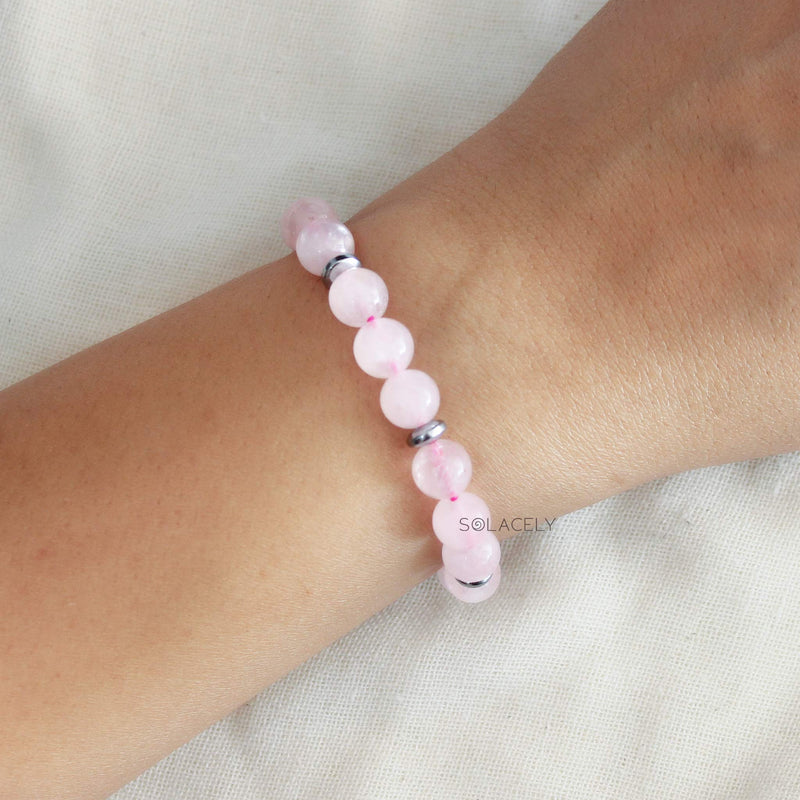
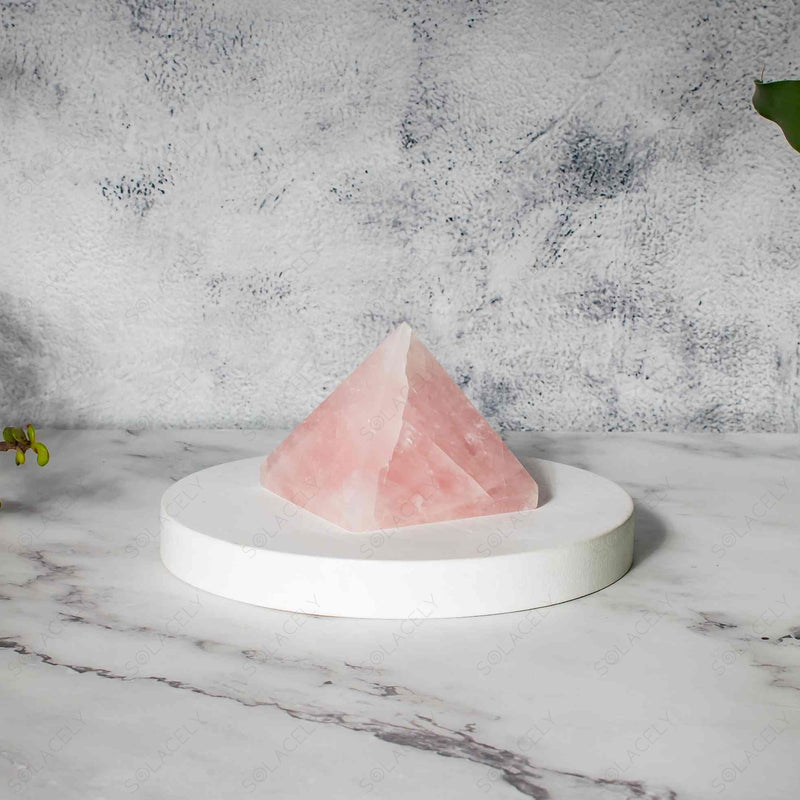
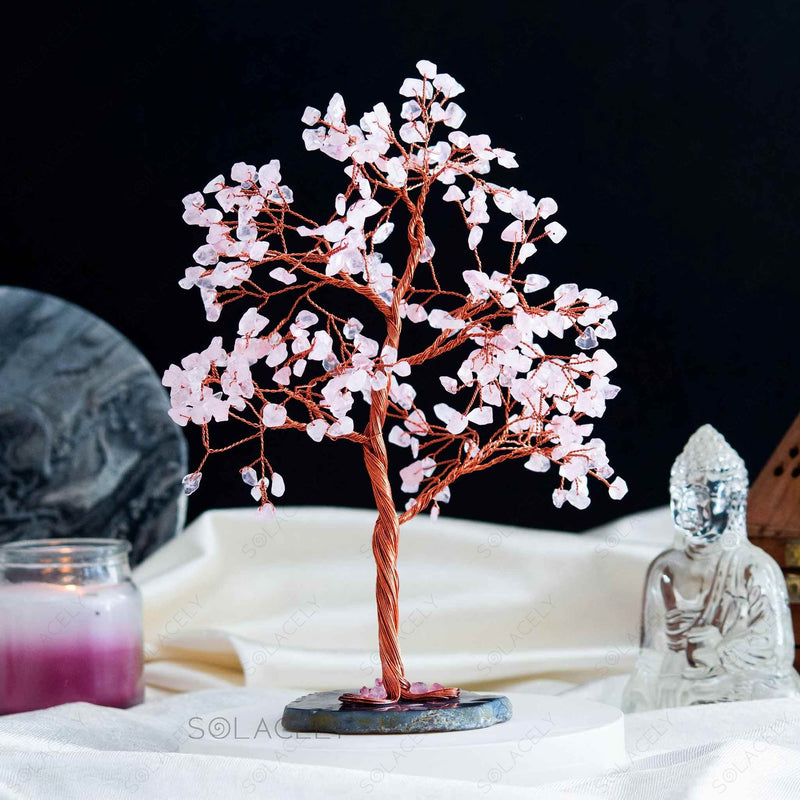
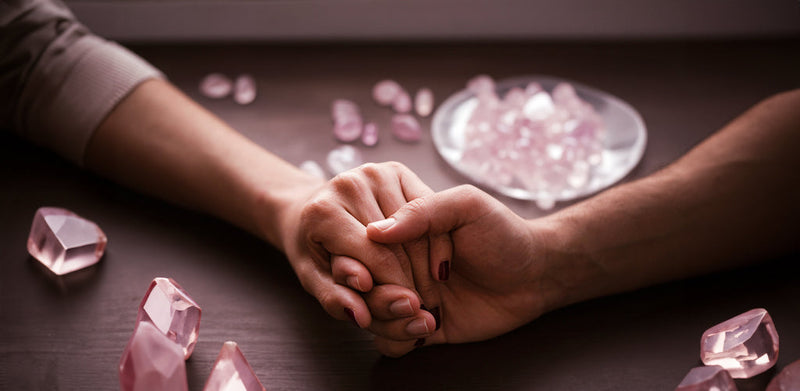
Rose quartz is used for compassion as a gentle heart-centred ritual: holding the soft pink stone while you reflect helps you soften judgment and open toward warmth and empathy, both for other people and for yourself. It does not create compassion out of nowhere. What it offers is a calm, tangible focus for the practice of meeting others and yourself with more kindness, understood as reflective self-care, not a cure or a magic charm.
Key Takeaways
- Rose quartz, the pink heart stone, is traditionally used to support compassion, empathy, and warmth toward others and yourself.
- Compassion here means meeting people, and your own struggles, with kindness and understanding rather than judgment.
- The realistic benefit is a calming ritual: holding the stone while you reflect gives the practice of kindness a steady anchor.
- Use it by holding it during a compassion or loving-kindness reflection, for someone you find difficult or for yourself.
- This is reflective self-care, not therapy. For heavy emotional burdens or burnout, work with a professional alongside any gentle ritual.
What is compassion, and how does rose quartz help?
Compassion is the warmth you feel toward suffering, your own or someone else's, together with the wish to ease it. It is close to empathy but goes a step further: empathy feels with another person, while compassion adds kindness and the impulse to be gentle. It applies just as much inward, to how you treat yourself on a hard day, as it does outward.
Rose quartz enters that practice as a focus, not a source. In crystal tradition it is the stone of unconditional love and compassion, associated with the heart chakra, so it is naturally chosen for the tender work of softening a guarded or judgmental heart. Holding it gives your reflection something physical to settle on, which can make choosing kindness feel a little more deliberate and real.
Understood honestly, rose quartz for compassion is a ritual prop, chosen for its beauty and its symbolism. It sits close to the self-love work in our guide to rose quartz for emotional healing, but here the intention is specific: growing a warmer, kinder, more compassionate way of relating.
Why rose quartz for compassion specifically?
Rose quartz suits compassion because compassion is, at its core, an act of the heart, and this is the heart stone above all others. Its soft pink is read instinctively as warmth and tenderness, the very qualities compassion asks for. Choosing it signals to yourself that you are trying to meet a person, or a situation, with softness rather than criticism or defensiveness.
Judgment tends to keep the heart closed and quick to criticise, and compassion is the slow softening of that reflex. A gentle stone like rose quartz is a fitting companion for it, a reminder to pause before you judge, to imagine what someone else might be carrying, and to extend the same understanding to yourself. It is the same reason it is chosen for opening the heart after it has grown guarded.
If you want to understand the tradition rose quartz sits in, our overview of opening the heart chakra explains the heart-centred framework, and our guide to crystals for the heart chakra gathers the other stones people pair with it for this kind of warm, open-hearted work.
Using rose quartz for compassion toward others
When you want to feel more compassion for another person, especially someone you find difficult, the aim is to soften your judgment and see them more fully. Rose quartz gives that intention a gentle focus, and a simple, repeatable practice helps far more than trying to force a feeling.
Hold the stone in your palm somewhere quiet, breathe slowly, and bring the person to mind. Instead of rehearsing what irritates you, try a kind line such as they are doing their best with what they carry, and I wish them well. You are not excusing bad behaviour or dropping your boundaries; you are choosing to meet them with understanding rather than hardness. Repeat it gently, and let that be enough for one sitting.
This mirrors the traditional practice of loving-kindness meditation, where you deliberately extend goodwill outward. The stone simply gives that practice a warm, physical anchor. It pairs naturally with the kind phrasing in our collection of heart chakra affirmations, which you can adapt to send warmth toward others as well as yourself.
Using rose quartz for self-compassion
Self-compassion is often the harder half, and it is where rose quartz, the stone of self-love, feels most at home. Many of us speak to ourselves far more harshly than we ever would to a friend, and self-compassion means offering that same warmth inward, especially when you have struggled or fallen short.
The practice is the same, turned toward yourself. Hold the stone, breathe, and instead of criticising yourself for a mistake or a hard day, offer a gentler line such as this is hard, and I am allowed to be kind to myself right now. It can feel awkward or even undeserved at first, which is completely normal. The stone is there as a steady, gentle presence while you practise a softer inner voice.
Self-compassion is not self-indulgence or letting yourself off the hook. It is widely taught as a way to build the steadiness to face hard truths honestly, rather than a way to avoid them. Treated as a genuine skill you build slowly, with rose quartz as a reminder, it can change how you weather hard times. For working specifically on old guilt and regret, our guide to rose quartz for forgiveness is a natural companion.
The honest truth: compassion is a practice, not a stone
There is no scientific evidence that rose quartz can make you compassionate, or that it moves energy through the body. What genuinely helps is the reflective practice you build around it. Deliberately turning your attention toward warmth and goodwill is a form of focused meditation, and the U.S. National Center for Complementary and Integrative Health notes that meditation and mindfulness can help many people manage stress and support emotional well-being.
So the useful version goes like this: the stone is a cue and an anchor. Holding something smooth, cool, and kind-feeling steadies you enough to choose warmth over judgment in a real moment. Repeating a compassionate intention turns a fleeting good feeling into a small, repeatable habit, and over time those repeated moments genuinely soften how you meet people and yourself.
Keeping this honest matters, because compassion is a skill you cultivate, not a gift an object confers. Rose quartz will not make a difficult person easy or erase your self-criticism overnight. Held as a patient practice, though, it can support the slow growth of a warmer heart, and that is a real and worthwhile thing.
A simple rose quartz compassion practice
A good compassion practice is short, warm, and repeatable, so it becomes a habit rather than a one-off effort. Do it whenever you feel your heart hardening, toward someone else or yourself, and be patient, since kindness grows slowly. Here is a simple sequence to build around.
- Settle. Sit somewhere quiet, phone away, with the rose quartz resting in your open palm.
- Breathe. Take a few slow breaths, letting your shoulders drop, and feel the cool, smooth stone.
- Choose a focus. Bring to mind someone you want to feel warmth for, which can be yourself.
- Offer kindness. Say a gentle line of goodwill two or three times, such as may you be well, may you be at ease.
- Rest. Sit for a minute with the warmth, then set the stone down, and carry a little of that softness into your day.
Repeat it as often as you like, and try widening the circle over time, from someone you love, to yourself, to someone you find difficult. If you like to reset the stone between sessions so it feels fresh, our step-by-step on how to cleanse and charge crystals covers the gentle methods.
Common misconceptions about compassion
A few myths make compassion feel harder, or even unwise, than it really is. Clearing them up, and letting rose quartz remind you of the gentler truth, makes the practice far easier to sustain.
- Compassion means being a pushover. It does not. You can meet someone with warmth and still hold firm boundaries; kindness and limits go together.
- It means excusing bad behaviour. Understanding what someone carries is not approving of what they do. You can be compassionate and still expect better.
- Self-compassion is self-indulgent. It is the opposite of letting yourself off the hook; it builds the steadiness to face hard truths honestly.
- You must feel it instantly. Compassion is a skill that grows with practice, not a switch. Struggling at first is normal.
- You owe it to everyone. You are never obliged to feel warmth toward someone who has harmed you. Start where it feels safe.
Sources
Frequently asked questions
About the author


Written by Chetna Sharma, crystal healing practitioner and co-founder of Solacely. Chetna has worked with healing crystals for over a decade and curates Solacely's protective stone collection.