To open the heart chakra (Anahata), practise heart-opening yoga like Cobra and Camel, sit with loving-kindness meditation, repeat affirmations of self-worth, forgive old hurts, and keep green stones such as rose quartz or green aventurine close. In yogic tradition, these are believed to soften Anahata and restore the flow of compassion.
Key Takeaways
- The heart chakra, or Anahata, sits at the centre of the chest and is traditionally linked to love, compassion, forgiveness, and connection.
- Backbends that open the chest (Cobra, Camel, Bridge) are the most direct physical practice for the heart centre.
- Loving-kindness meditation (metta), a documented Buddhist practice, is used to cultivate warmth toward yourself and others.
- Rose quartz and green aventurine are the two stones most associated with Anahata, kept as a physical focus for the practice.
- Consistency matters more than intensity: ten quiet minutes a day is believed to do more than an occasional long session.
The heart chakra is where the physical and the spiritual are said to meet. Sit below it and you have the grounding chakras. Rise above it and you reach the chakras of expression and insight. When Anahata feels closed, people often describe it as a tightness, a guardedness, a reluctance to let anyone in. Opening it is less about force and more about permission. This guide walks through the practices, gently and in order.
What Is the Heart Chakra (Anahata)?
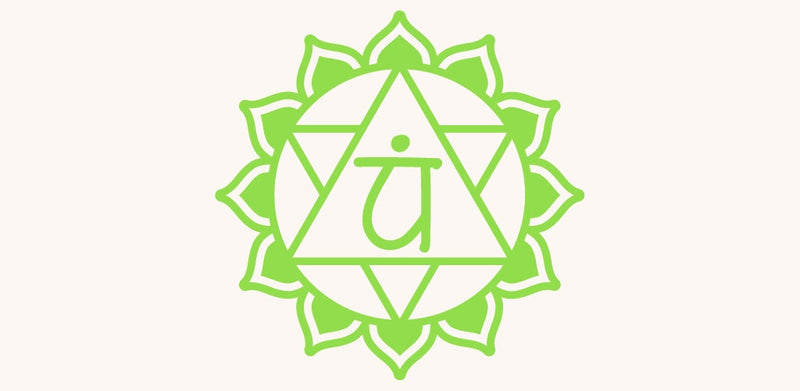
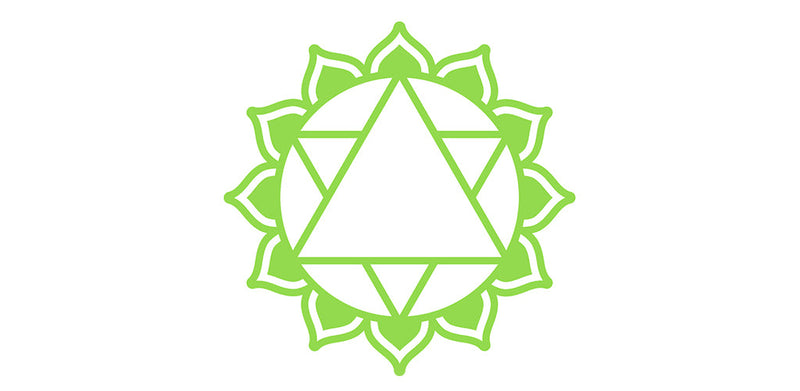
Anahata is the fourth of the seven main chakras, positioned at the centre of the chest behind the sternum. In traditional texts it is pictured as a green, twelve-petalled lotus, its element is air, and it is understood as the bridge between the lower, body-based chakras and the higher, spirit-based ones. It governs love, compassion, and belonging.
The name Anahata translates loosely as 'unstruck' or 'unhurt,' a reference to a sound produced without two things striking together. That image says a lot about the chakra itself: a place of love that does not depend on being earned or provoked. In the wider chakra system, Anahata is the balance point, three chakras below it, three above.
If the whole framework is new to you, our overview of the seven chakras explained sets the foundation before you focus on any single centre. Understanding where Anahata sits helps every practice that follows land with more intention.
Signs Your Heart Chakra May Be Blocked
A blocked heart chakra is traditionally read through emotional patterns rather than any measurable sign. Common descriptions include difficulty trusting, a fear of intimacy, holding grudges, chronic loneliness, jealousy, or the sense of giving too much and receiving little. Some people also report a physical heaviness or tightness across the chest and shoulders.
An overactive Anahata has its own signature. Instead of guardedness, there is over-giving: losing yourself in others, poor boundaries, saying yes when you mean no. Both states point to the same work, which is finding the middle where love flows in and out freely.
| State of Anahata | How it often feels | What people notice |
|---|---|---|
| Blocked / underactive | Withdrawn, distrustful, isolated | Hard to forgive, fear of closeness |
| Balanced | Warm, open, secure | Easy empathy, healthy boundaries |
| Overactive | Over-giving, clingy | Poor boundaries, emotional burnout |
None of this is a medical diagnosis. Chest pain, breathlessness, or palpitations are reasons to see a doctor, not a chakra to open. Treat these signs as a lens for reflection, nothing more.
Heart-Opening Yoga Poses
Chest-opening backbends are the most direct physical route to the heart centre. Poses like Cobra (Bhujangasana), Camel (Ustrasana), Bridge (Setu Bandhasana), and Cow Face (Gomukhasana) all broaden the collarbones and stretch the front of the chest, which practitioners describe as physically 'opening' the space around Anahata. Move slowly and breathe into the stretch.
Here is a short sequence you can hold for three to five breaths each:
1. Cat-Cow to warm the spine and sync breath with movement. 2. Cobra (Bhujangasana) to gently lift and broaden the chest. 3. Bridge (Setu Bandhasana) to open the front body with support. 4. Camel (Ustrasana) for a deeper backbend, only when warm. 5. Cow Face arms (Gomukhasana) to release the shoulders. 6. Reclined butterfly to rest and let the chest stay soft.
Backbends can feel vulnerable, and that is part of the point. If you enjoy building a pose-based practice, our guide to root chakra yoga poses pairs well here, since a grounded base makes heart-opening feel safer. Never force a backbend, and skip these poses if you have a back or neck injury.
Loving-Kindness Meditation for the Heart
Loving-kindness meditation, known as metta, is a Buddhist practice of silently directing goodwill toward yourself and then outward to others. According to Britannica, metta is one of the four 'sublime states' cultivated in Buddhist tradition and is described as a boundless friendliness or benevolence toward all beings. It maps naturally onto the qualities Anahata is said to hold.
The structure is simple. Sit comfortably, close your eyes, and repeat a few phrases while picturing each person in turn:
1. Begin with yourself: May I be happy. May I be at ease. May I be free from suffering. 2. Move to someone you love easily. 3. Extend it to a neutral person, someone you barely know. 4. Offer it to someone difficult, as far as you honestly can. 5. Widen it to all beings everywhere.
Even five minutes counts. Many people find self-directed metta the hardest part, which is often the clearest sign of where the work lies. Pair it with slow breathing, letting each exhale soften the chest a little more.
Heart Chakra Affirmations
Affirmations work by repetition, gently reshaping the inner script from guardedness toward openness. For Anahata, they centre on worthiness, forgiveness, and connection: short present-tense statements you repeat aloud or in your head, ideally during meditation or in front of a mirror each morning. Consistency is what gives them weight.
A few to start with:
- I am worthy of love exactly as I am.
- I give and receive love freely.
- I forgive myself and release the past.
- My heart is open, and I am safe to connect.
- Compassion flows through me toward myself and others.
Say them slowly enough to mean them. For a fuller collection organised by intention, see our set of heart chakra affirmations. If speaking them aloud feels stiff at first, that resistance usually eases with a week or two of daily practice.
Forgiveness Practices
Forgiveness is often described as the heart chakra's central task, because held resentment is the resistance that keeps Anahata closed. Forgiveness here does not mean approving of what happened or reopening a door that should stay shut. It means releasing the grip that an old hurt has on your present, so the energy tied up in it can move again.
A gentle way to begin is a written practice. Write a letter you never send, naming the hurt plainly and then, at your own pace, choosing to set down the weight of carrying it. Some people burn the letter afterward as a small ritual of release. Others simply fold it away.
Self-forgiveness belongs in this work too. Many closed hearts are guarding against their own past choices, not someone else's. Speaking honestly is part of release, and if that feels difficult, our guide to unblocking the throat chakra can support the voice that forgiveness sometimes needs. Go slowly; forgiveness is rarely a single decision.
Crystals for the Heart Chakra
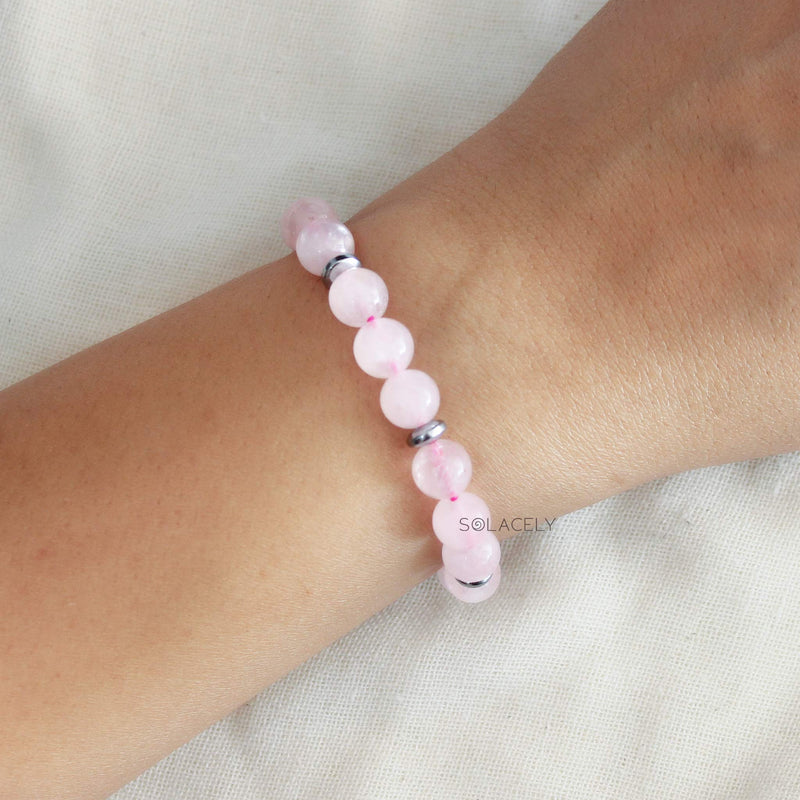
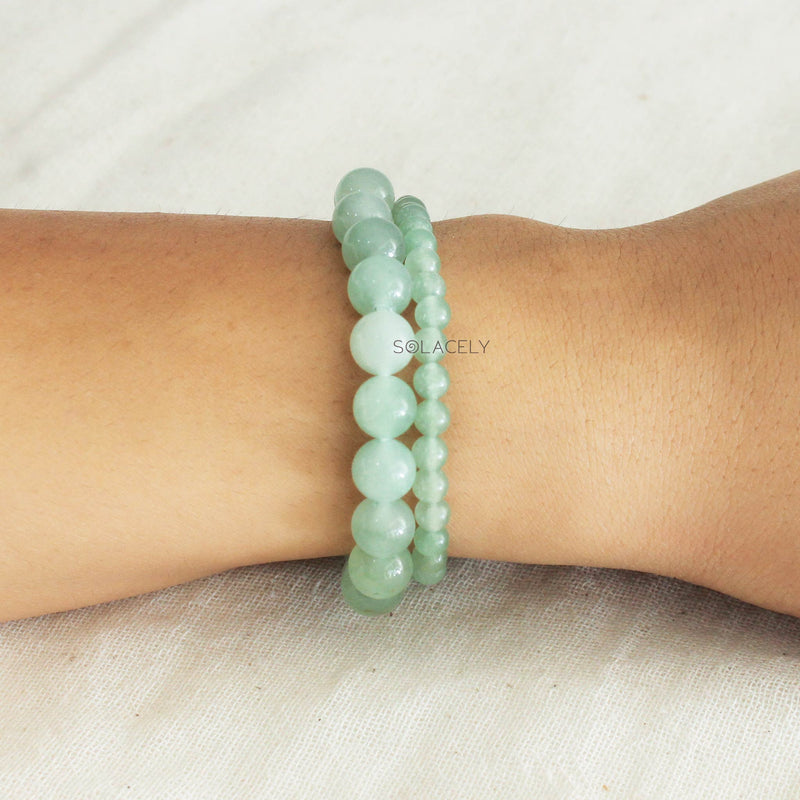
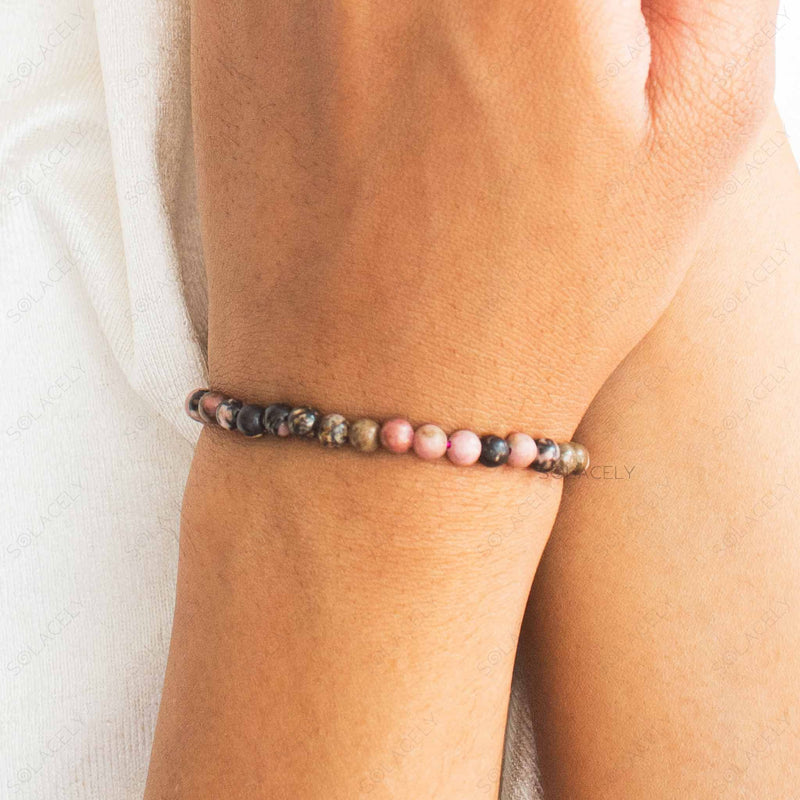
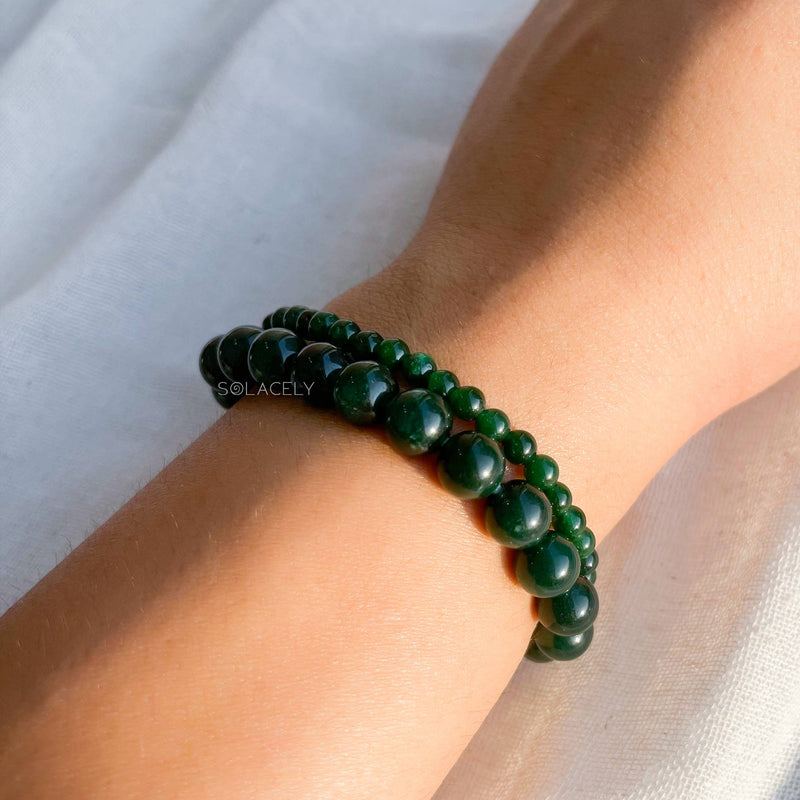
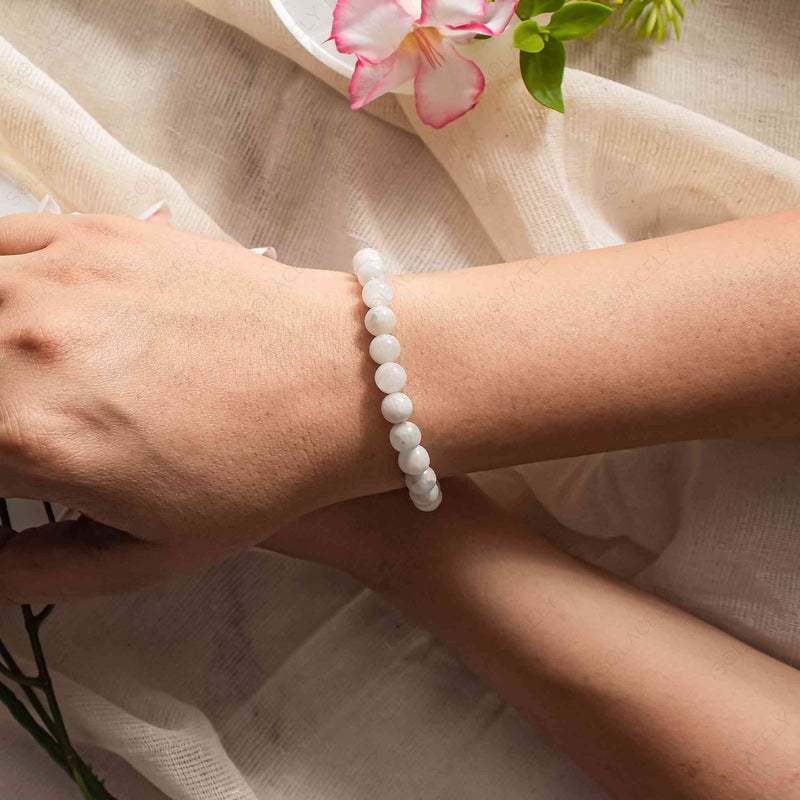
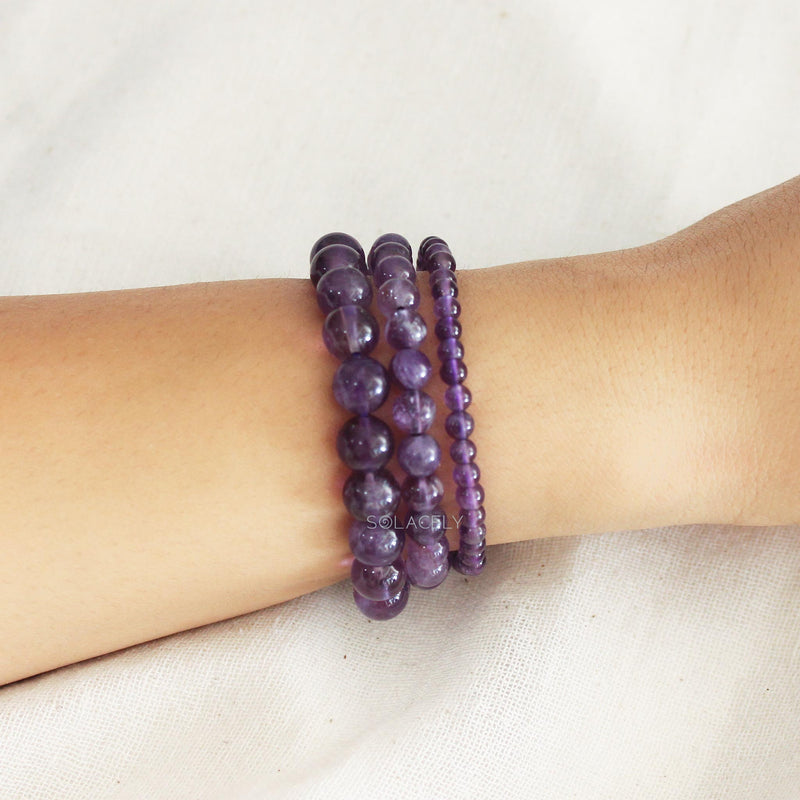
Two stones are most associated with Anahata: rose quartz, the soft pink stone of love, and green aventurine, tied to the chakra's green colour and to emotional well-being. In crystal tradition, rose quartz is kept for self-love and compassion, while green aventurine is carried for calm, growth, and heart healing. Neither has any proven medical effect; the value is in the intention and the ritual.
| Stone | Colour | Traditionally kept for |
|---|---|---|
| Rose Quartz | Soft pink | Self-love, compassion, gentleness |
| Green Aventurine | Green | Emotional calm, growth, well-being |
| Green Jade | Deep green | Harmony, serenity, balance |
| Green Calcite | Pale green | Soothing, emotional release |
To use them, hold a stone during meditation, rest it on the centre of the chest while lying down, or simply keep a piece in your pocket as a quiet reminder through the day. For a deeper look at each option, see our guide to crystals for the heart chakra.
Building a Daily Heart-Opening Practice
A sustainable routine beats an ambitious one. Ten quiet minutes a day, most days, is believed to do far more for Anahata than an occasional hour. The aim is to touch a few different practices, movement, meditation, and intention, so the heart centre is engaged in more than one way without becoming a chore.
A simple weekday rhythm might look like this:
1. Morning: one heart-opening pose and three affirmations, two minutes. 2. Midday: three slow breaths, hand on the chest, a single kind wish for yourself. 3. Evening: five minutes of loving-kindness meditation, rose quartz in hand. 4. Weekly: one longer forgiveness or gratitude session.
Gratitude threads through all of it. Noting three things you are grateful for each night keeps the heart oriented toward what is present rather than what is missing. If you want to broaden beyond Anahata, our overview of chakra balancing techniques shows how the centres support one another, and the third eye chakra guide is a natural next step upward.
Sources
Frequently asked questions
About the author


Written by Chetna Sharma, crystal healing practitioner and co-founder of Solacely. Chetna has worked with healing crystals for over a decade and curates Solacely's protective stone collection.