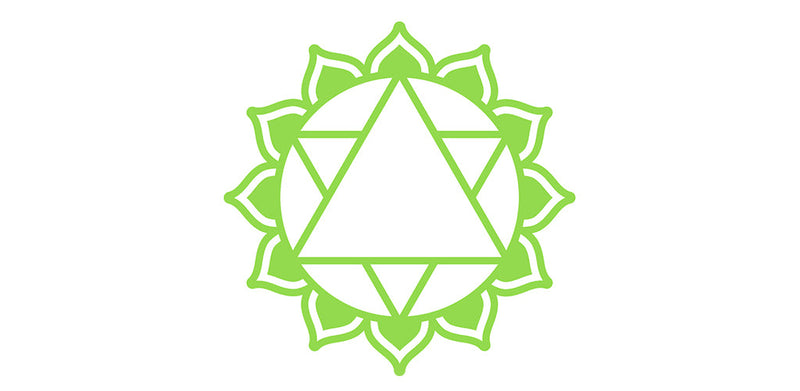
Heart chakra affirmations are short, present-tense statements about love, forgiveness, and self-worth that you repeat to focus the mind on an open, warm heart. In yogic tradition the heart chakra, Anahata, governs compassion and connection, and these lines are used as a daily practice to steady that quality. Copy the list below and begin.
Key Takeaways
- Heart chakra affirmations are present-tense 'I' statements about love, forgiveness, and worth, repeated daily to focus attention on an open Anahata heart centre.
- The heart chakra sits at the centre of the chest, its traditional colour is green, its element is air, and its seed sound (bija mantra) is 'YAM'.
- Use them consistently: 5 to 10 minutes, once or twice a day, ideally morning and night, hand on the heart, spoken slowly and with feeling.
- Benefits described in tradition include more empathy, easier forgiveness, and calmer relationships. These are cultural and reflective claims, not medical facts.
- Rose quartz and green aventurine are the two stones most often paired with this practice, held in the palm as a physical anchor.
Heart chakra affirmations to copy and use
Below are 40 heart chakra affirmations, grouped so you can pick a set that fits how you feel today. Choose three to five, not all of them. In affirmation practice, a few lines repeated with attention work better than a long list read once. Say each one slowly, in the present tense, as if it is already true.
Self-love and worth
- I am worthy of love exactly as I am.
- I give myself the same kindness I give others.
- My heart is open, soft, and strong.
- I deserve warmth, care, and gentle attention.
- I am enough, and I have always been enough.
- I treat myself with patience today.
- I welcome love into my life without guilt.
- I am at peace with who I am becoming.
Forgiveness and release
- I release the past and open my heart to now.
- I choose to forgive, for my own peace.
- I let go of grudges that weigh me down.
- I acknowledge my hurt, and I choose to heal.
- I free myself from old resentment.
- Forgiveness makes me lighter, not weaker.
- I release what I cannot change.
- I make space in my heart by letting go.
Giving and receiving love
- Love flows to me and from me with ease.
- I am love, I give love, and I receive love.
- I receive care as gracefully as I give it.
- My heart has room for both giving and rest.
- I radiate warmth to everyone I meet.
- I attract kind, honest connections.
- I let people love me the way I love them.
- Giving love does not empty me; it steadies me.
Compassion and empathy
- I meet others with patience and understanding.
- I see the good in the people around me.
- I hold space for others without losing myself.
- Compassion begins with how I speak to myself.
- I listen with an open, unhurried heart.
- I choose understanding over judgement.
- My kindness is a strength, not a flaw.
- I extend grace to myself and to others.
Relationships and connection
- I build relationships rooted in trust and respect.
- I speak my needs with honesty and care.
- I am safe to be close to others.
- I nurture the bonds that nurture me.
- I release relationships that no longer serve my peace.
- I am connected to those I love, even at a distance.
- My heart knows how to open again after hurt.
- I belong, and I bring warmth wherever I go.
If you want the wider ritual around these lines, our guide to opening the heart chakra for deeper relationships pairs breathwork and movement with this affirmation practice.
What is the heart chakra (Anahata)?
The heart chakra, called Anahata in Sanskrit, is the fourth of the seven main chakras and sits at the centre of the chest. In tradition it governs love, compassion, forgiveness, and connection. Its colour is green, its element is air, and its seed sound is 'YAM'. According to Britannica, chakras are centres of energy described in tantric and yogic texts.
Anahata means 'unstruck' or 'unhurt', a reference to a sound that arises without two things striking together. That image gives the heart centre its quiet symbolism: a place of love that does not depend on circumstance. It is often drawn as a green lotus with twelve petals and two interlaced triangles.
Positioned in the middle of the seven-chakra system, Anahata is described as the bridge between the three lower chakras, which deal with survival, emotion, and will, and the three upper chakras, which deal with expression, insight, and spirit. For the full map of how the centres relate, see our guide to the seven chakras explained.
When this centre feels balanced, tradition describes it as warmth that flows easily in both directions, giving and receiving. When it feels blocked, people report difficulty trusting, holding on to old hurt, or shutting others out. Affirmations are one gentle, everyday way to turn attention back toward openness.
How to use heart chakra affirmations
Sit comfortably, place one hand on the centre of your chest, and repeat your chosen lines slowly for 5 to 10 minutes. The two things that matter most are present tense and feeling. Say 'I am worthy of love', not 'I will be', and let the meaning land rather than rushing through the words. Repetition with attention is the whole practice.
There is a simple, repeatable method:
1. Pick three to five lines. Choose from a single group above so the theme stays clear. 2. Settle the body. Sit tall, soften your shoulders, and take three slow breaths. 3. Hand on heart. Rest a palm over the centre of your chest. The touch anchors attention. 4. Speak slowly. Say each line aloud or in a whisper, once per exhale, for several rounds. 5. Feel, then pause. After the last round, sit quietly for a minute and notice any shift.
You can also write the lines. Copy two or three by hand into a journal each morning, or stick a card on your mirror or laptop where you will see it. Seeing the words repeatedly through the day keeps the intention alive without a formal sitting.
Affirmations layer well onto practices you may already keep. Pair them with the 'YAM' seed sound, with heart-opening yoga such as camel or bridge pose, or hold a stone as you speak. If chanting appeals to you, our throat chakra mantras guide explains how bija sounds are used across the chakra system.
When to say them for best effect
Consistency matters more than timing, but tradition favours the quiet edges of the day. Morning affirmations set an intention before the world rushes in; evening ones help release the day's friction before sleep. A steady five minutes at the same two moments will do more than a long, irregular session. Anchor the habit to something you already do daily.
The easiest way to stay consistent is to attach the practice to an existing routine. Say your lines while the morning tea steeps, during your commute, or as part of a wind-down before bed. When affirmations ride on a habit that already exists, you are far less likely to skip them.
| When | Why it helps | A simple way to fit it in |
|---|---|---|
| On waking | Sets a warm tone before the day's demands | Recite three lines before reaching for your phone |
| Midday reset | Softens tension after a hard morning | One line, one slow breath, at your desk |
| Before difficult meetings | Steadies the heart before conflict | Silent repetition on the walk in |
| Evening wind-down | Releases the day's resentment | Journal two lines before bed |
| During grief or change | Offers a gentle, repeatable anchor | Hand on heart, one forgiving line |
Notice which times actually stick for you, then keep those and drop the rest. A practice you keep at two honest moments beats an ambitious plan you abandon by the weekend. The aim is a rhythm you barely have to think about.
The benefits, as tradition describes them
In yogic and New Age tradition, a regular heart chakra practice is said to bring more empathy, easier forgiveness, calmer relationships, and a steadier sense of self-worth. Affirmations sit within this belief as a way to turn attention, again and again, toward openness. These are reflective and cultural claims, not measured medical outcomes.
What the practice reliably offers is a moment of focused, self-directed attention. Sitting quietly, hand on heart, and speaking with intention is itself a small meditative act. According to the US National Center for Complementary and Integrative Health, meditation and mindfulness practices are being studied for stress and wellbeing, though evidence varies by condition and is still developing.
Many people describe practical shifts they can point to: catching a harsh inner voice sooner, forgiving a small slight more quickly, or feeling less defensive in a tense conversation. Whether you frame that as an opening Anahata or simply as the effect of paying deliberate attention to kindness, the everyday result is the part that matters.
To track it honestly, keep a short journal. Note one line you used and one moment it touched. Over a few weeks you will see your own pattern, which is far more useful than any general promise. For the broader toolkit alongside affirmations, our chakra balancing techniques guide gathers breath, sound, and movement in one place.
Crystals to pair: rose quartz and green aventurine
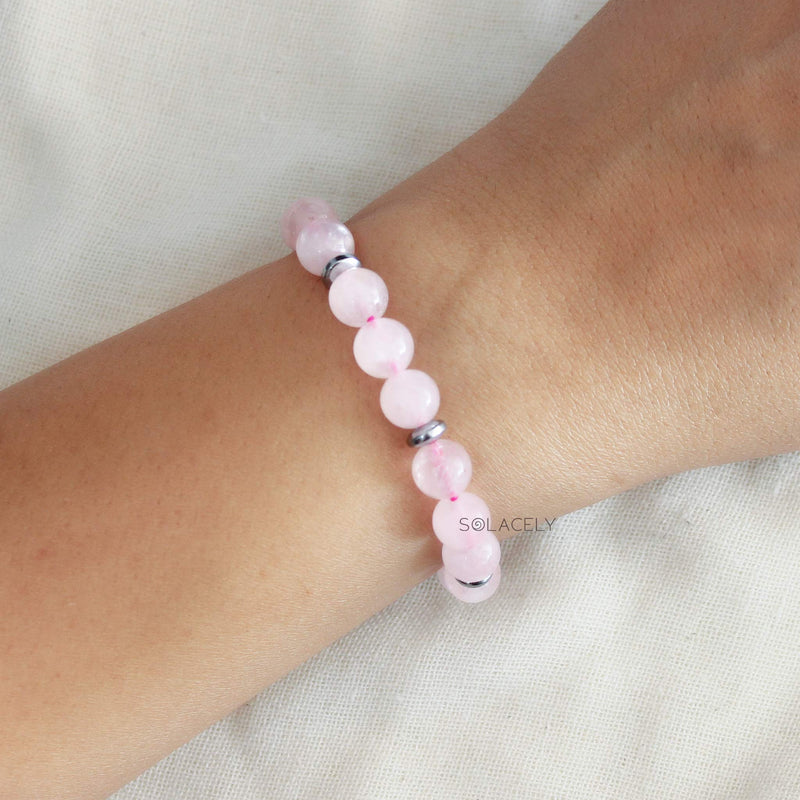
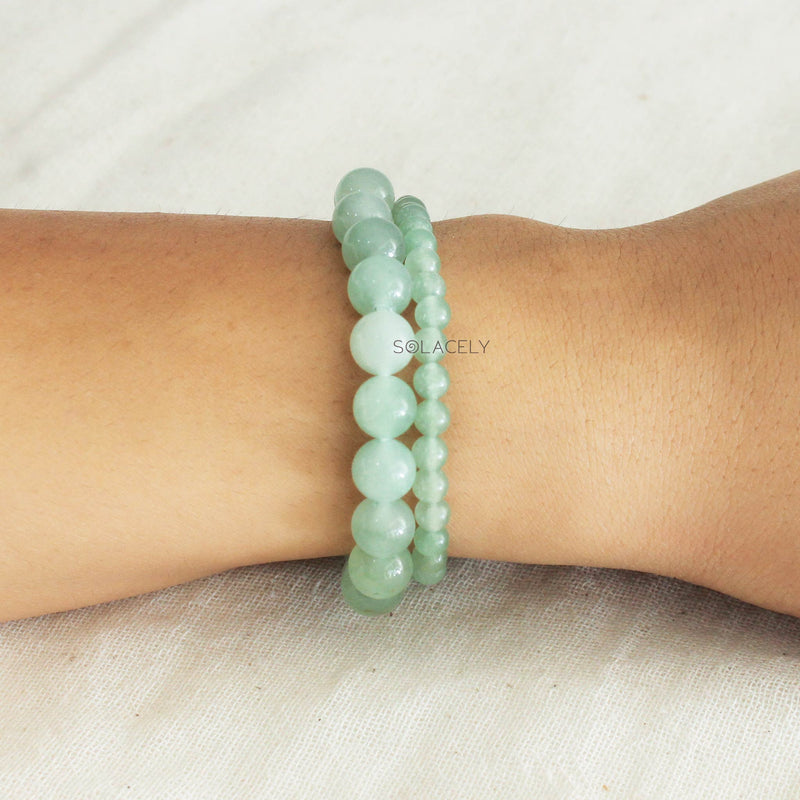
Two stones are traditionally paired with heart chakra work: rose quartz, the pink stone of love and self-compassion, and green aventurine, the green stone linked to emotional balance and the heart centre. Holding one as you speak your lines gives the practice a physical anchor.
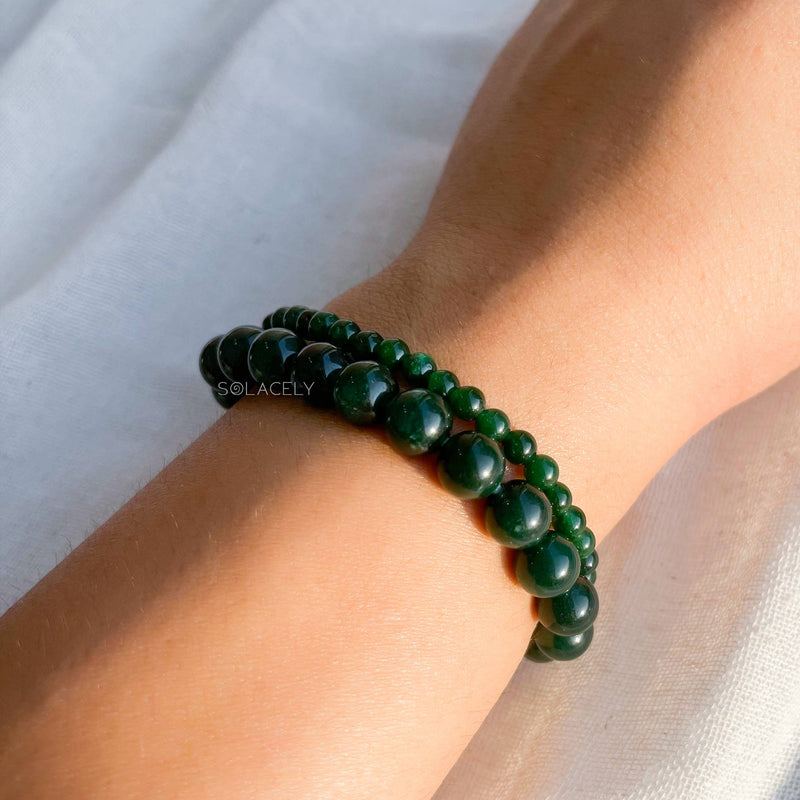
Rose quartz is the classic choice for self-love and gentleness with yourself, which makes it a natural fit for the 'self-love and worth' and 'forgiveness' lines above. Green aventurine leans toward the green of Anahata itself and is favoured for emotional steadiness and opening to connection. Many people keep both and choose by mood.
| Stone | Colour | Traditional focus | Best paired with |
|---|---|---|---|
| Rose Quartz | Soft pink | Self-love, compassion, forgiveness | Self-worth and release lines |
| Green Aventurine | Green | Emotional balance, opening the heart | Connection and compassion lines |
To use a stone, simply hold it in your open palm or rest it over your chest while you repeat your affirmations, then set it somewhere you will see it during the day. Cleanse it now and then under running water or moonlight if that feels right to you. For the fuller list of heart-centre stones and how to care for them, see our guide to crystals for the heart chakra.
One gentle note on expectations: a crystal is a focus for attention, not a cure. The stone helps you remember to pause and speak your line. The work is still yours.
Common mistakes to avoid
Most affirmation practices fail for the same few reasons: the lines are too long, said too fast, or abandoned after three days. The fixes are small. Keep each line short, speak slowly with feeling, and anchor the habit to something you already do. Present tense and consistency carry almost all the weight here.
- Rushing the words. Reciting a list at speed defeats the point. Fewer lines, said with attention, work better.
- Future tense. 'I will be worthy' keeps the goal at arm's length. Say 'I am worthy' instead.
- Choosing lines you can't yet believe. If a statement feels false, soften it. 'I am open to loving myself' is easier to accept than a bold claim, and you can grow into the stronger version.
- Treating it as a fix for grief or depression. Affirmations support wellbeing; they do not replace care. Serious or lasting low mood deserves a professional.
- Quitting too soon. The practice compounds. Give it a few weeks before you judge it.
If a session feels heavy, that is not a failure. Working with the heart centre can surface old hurt. Go gently, and if grief rises, our note on nurturing and healing the root chakra covers grounding practices that help you feel steady first.
Sources
- Encyclopaedia Britannica, "Chakra." britannica.com
- US National Center for Complementary and Integrative Health, "Meditation and Mindfulness." nccih.nih.gov
Frequently asked questions
About the author


Written by Chetna Sharma, crystal healing practitioner and co-founder of Solacely. Chetna has worked with healing crystals for over a decade and curates Solacely's protective stone collection.