The Gemini birthstone is pearl, the modern June birthstone, joined by moonstone and alexandrite for those born between 21 May and 20 June. Traditional astrology also ties Gemini to agate for its banded, changeable beauty. Together these stones mirror the sign's quick, communicative, dual nature.
Key Takeaways
- The main Gemini birthstone is pearl, the classic June stone, joined by moonstone and alexandrite, the three official modern June birthstones. These cover the whole Gemini window (21 May to 20 June).
- Traditional zodiac lore links Gemini to agate, a banded chalcedony whose shifting layers echo the sign's dual, adaptable personality, ruled in astrology by Mercury.
- Pearl is valued in tradition for calm, clarity and honest speech; moonstone for intuition and balance; alexandrite for change and confidence; agate for grounding and focus.
- Agate, cultured pearl and moonstone are the affordable picks; natural alexandrite is one of the most expensive coloured gems there is.
- Wear it as a ring, pendant or bracelet close to the skin, and clean soft pearls only with a barely damp cloth. This guide covers the birthstone; for a wider set, see our Gemini protection crystals piece.
What is the Gemini birthstone?
The Gemini birthstone is pearl, one of June's three modern birthstones, alongside moonstone and alexandrite, with agate as the sign's traditional astrological stone. Gemini runs from about 21 May to 20 June, so most of the sign falls in June and inherits its whole family of gems. According to the Gemological Institute of America, June is one of only a few months with three birthstones, giving Geminis an unusually wide, flexible choice.
Because Gemini straddles two calendar months, there is a little nuance. Anyone born in the late-May part of the sign, 21 to 31 May, also carries May's birthstone, emerald. So a late-May Gemini and a mid-June Gemini can honestly claim slightly different stones.
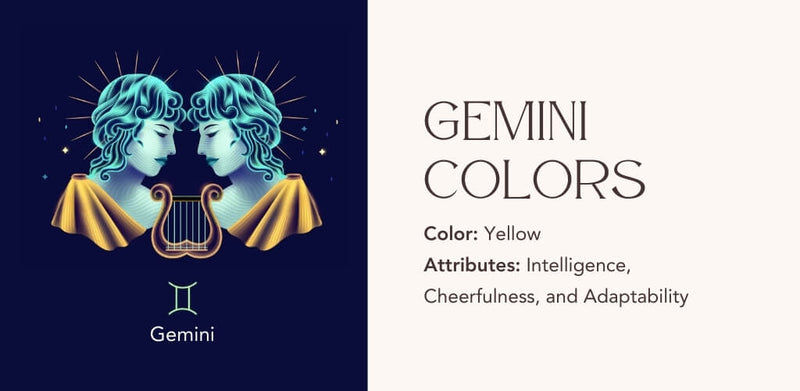
There is a neat logic to these stones sitting with Gemini. This is a mutable air sign, curious and communicative, ruled in tradition by Mercury, the planet of the mind and messages. Light, shifting gems like pearl and moonstone suit a sign that changes its mood and its mind quickly. Our guide to Gemini colours explains why bright yellow, light green and silver recur across the sign.
Pearl: the primary Gemini birthstone
Pearl is the main Gemini birthstone, prized in tradition for calm, clarity and honest communication. Unlike most gems, a pearl is not mined but grown inside a living mollusc. According to Encyclopaedia Britannica, a pearl forms when a mollusc coats an irritant with layers of nacre, the same lustrous material that lines its shell, over months or years.
That organic origin maps neatly onto Gemini. This is a sign of talk, connection and quick wit, and pearl has always been the stone of speech and sincerity, worn to soften a sharp tongue and keep words honest. In crystal tradition it is worn to calm a busy mind, steady changeable moods and bring a little quiet to a restless sign.
Pearl is far softer than most birthstones, scoring only about 2.5 to 4.5 on the Mohs hardness scale. Its nacre is delicate and reacts to acids, perfume and sweat, so it needs gentle handling. Colour, lustre and shape drive value here: a round pearl with deep, mirror-like lustre is the most prized, while baroque or low-lustre pearls cost far less.
If you are shopping for a Gemini birthday, pearl reads as classic, elegant and quietly luxurious, suiting both a first meaningful stone and a milestone gift. Just treat it as the soft, living gem it is.
Moonstone and alexandrite: June's other Gemini stones
Moonstone and alexandrite are June's other modern birthstones and natural companions to pearl for Gemini. Moonstone is a variety of feldspar with a floating, blue-white sheen called adularescence. According to the GIA, this glow comes from light scattering between microscopic internal layers, which is why the stone seems to hold moonlight inside it.
Alexandrite is the rare one, a colour-change variety of chrysoberyl that looks green in daylight and reddish under warm indoor light. Its dramatic shift makes it one of the most sought-after and expensive coloured gems, and its dual nature is an almost perfect match for two-sided Gemini. In crystal tradition it is tied to change, confidence and emotional balance.
Practically, moonstone is the everyday, affordable choice for Gemini. It scores 6 to 6.5 on the Mohs scale, is widely available and suits pendants, rings and beaded bracelets. Natural alexandrite is scarce and costly, so most alexandrite jewellery uses lab-created or simulated stones, which is a legitimate, budget-friendly option as long as the seller says so.
Many people choose between them by budget and mood: pearl for classic elegance, moonstone for a soft everyday glow, alexandrite for a rare statement piece. Any of the three honours the June birthstone tradition honestly.
Agate: the traditional Gemini zodiac stone
Beyond the June calendar stones, older astrological tradition assigns Gemini agate, a banded variety of chalcedony quartz. According to Encyclopaedia Britannica, agate is prized for its concentric, multicoloured bands, which form as silica is deposited in layers inside a rock cavity. Those shifting layers are why the stone has long been read as a mirror of Gemini's dual, adaptable personality.
Agate is the workhorse of the Gemini set. It is harder than pearl or moonstone, scoring 6.5 to 7 on the Mohs scale, and stands up to daily wear, so it suits rings and everyday bracelets. In crystal tradition it is worn for grounding, focus and steadiness, a useful counterweight for a sign that can scatter its energy across too many interests at once.
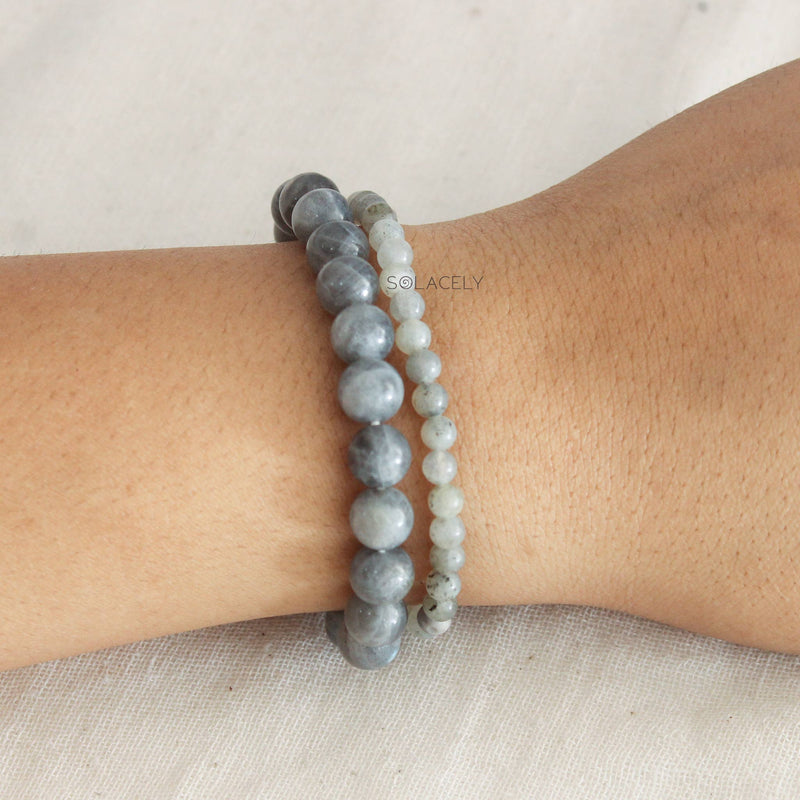
Agate comes in many named varieties, blue lace, moss, botswana and fire among them, so you can match its colour to Gemini's palette of yellows, greens and airy blues. Because it is affordable and tough, agate is often the first stone people buy for a Gemini, and it is the natural bridge between the birthstone and the wider crystal set.
If you want stones chosen by intention rather than the calendar, agate reappears in our Gemini protection crystals guide alongside black tourmaline, labradorite and tiger's eye.
Gemini birthstone meanings and traditional benefits
In crystal tradition, the Gemini stones cluster around a few clear themes: calm, clarity, intuition and balance. These are not medical properties. They are the qualities practitioners have long assigned to each stone, and they happen to line up with the sign's quick, curious, changeable nature.
Here is how the main Gemini stones are traditionally read. Treat these as cultural belief and personal ritual, not fact.
| Stone | Type | Colour | Traditional Gemini meaning |
|---|---|---|---|
| Pearl | Organic nacre | White, cream, pink, grey | Calm, clarity, honest communication |
| Moonstone | Feldspar | White with blue sheen | Intuition, balance, new beginnings |
| Alexandrite | Chrysoberyl | Green to red colour-change | Change, confidence, emotional balance |
| Agate | Chalcedony quartz | Banded, many colours | Grounding, focus, steadiness |
| Emerald | Beryl | Green | Growth, love, mental clarity |
Pearl is the communicator's stone, useful, in tradition, when a Gemini needs to speak plainly or slow a racing mind. Moonstone leans into intuition and fresh starts. Alexandrite honours the sign's two-sidedness, while agate grounds a scattered air sign and helps it focus.
None of this replaces real support. If you are drawn to a stone because its story comforts or motivates you, that is reason enough to wear it. Keep the ritual light and let the meaning be personal rather than prescriptive.
How to wear the Gemini birthstone
The simplest way to wear the Gemini birthstone is as a ring, pendant or bracelet kept in regular contact with your skin. Jewellery is the most practical format because you carry the stone through the day without thinking about it. Match the format to the stone, though: hard agate suits rings, while soft pearl and moonstone do better in protected settings.
A few ways to work it into daily life:
- Ring on the working hand. An agate ring keeps the stone in view as a small, quiet reminder of focus and grounding through a busy day.
- Pendant near the throat. Pearl sits well as a pendant, a natural spot for a stone tied to honest speech and clear communication.
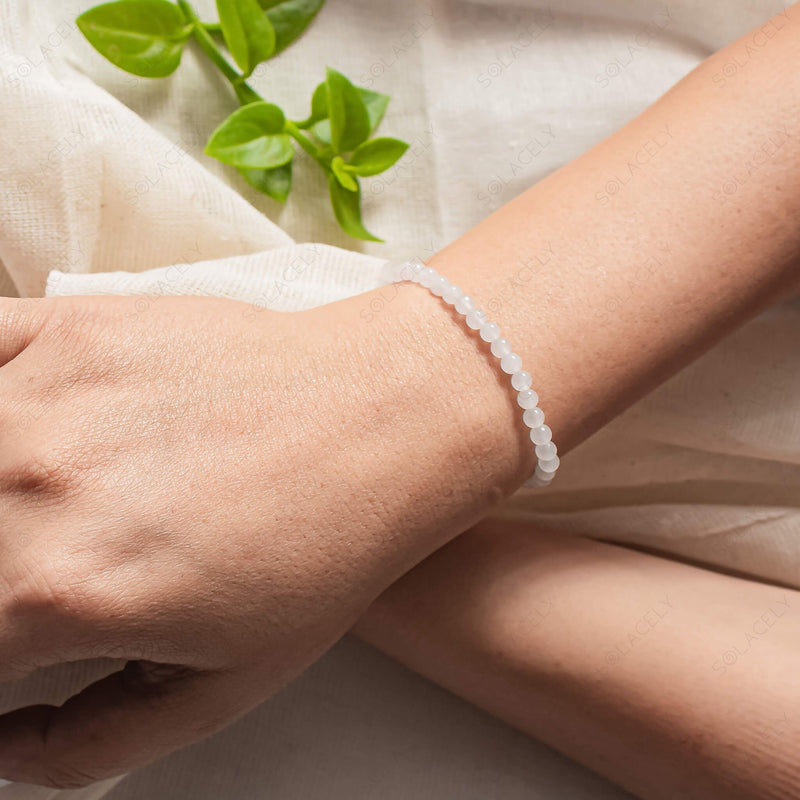
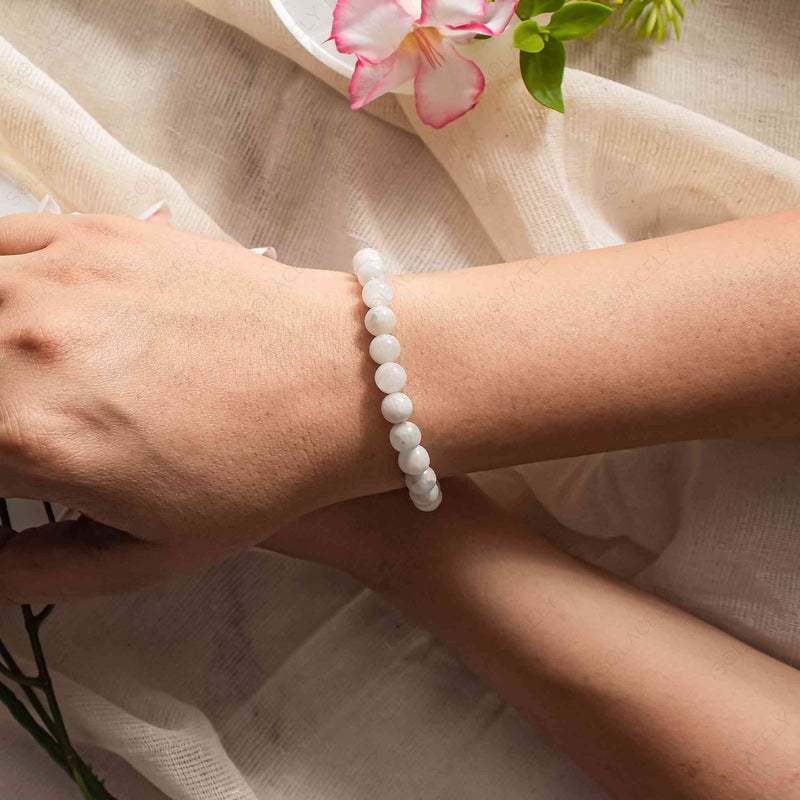
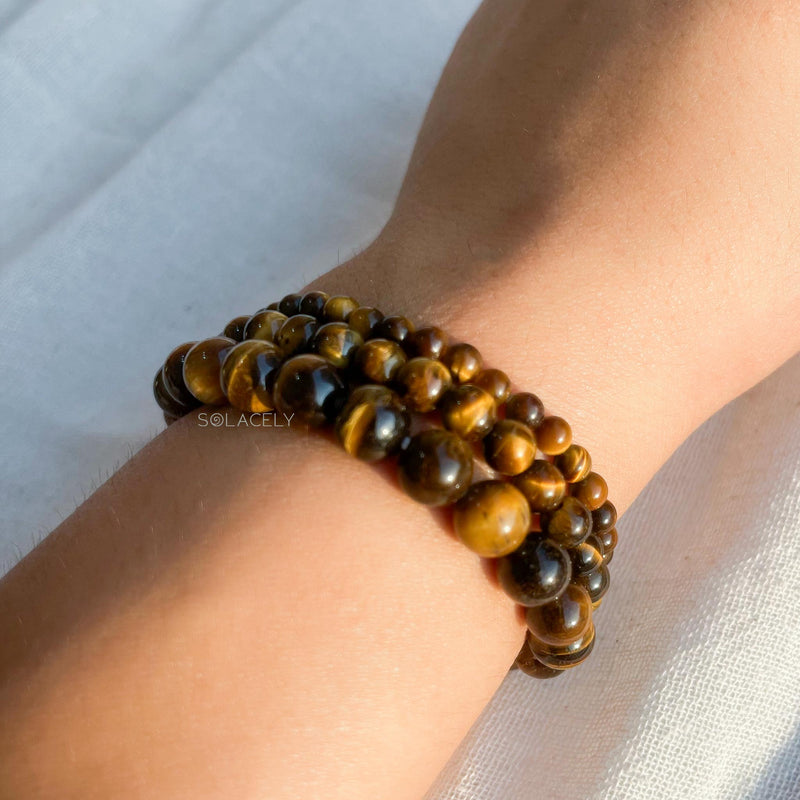
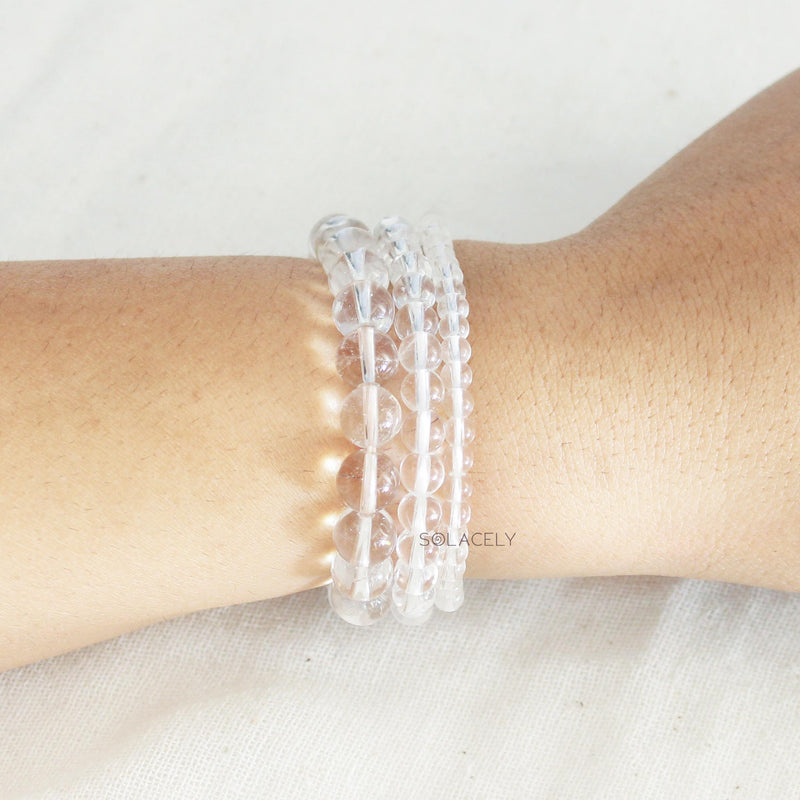
- Bracelet for everyday wear. A tumbled agate or moonstone bracelet is the easiest entry point and the most gift-friendly format.
- Alexandrite for a statement piece. Kept as earrings or a pendant, natural or lab-created alexandrite reads as a rare, luxurious milestone gift.
- A pocket stone. If you do not wear jewellery, a small agate or moonstone tumble in a pocket or bag works just as well.
You do not need to follow rules about days or hands. Wear the stone in the way that feels comfortable and looks good on you. The ritual value comes from the intention and the habit, not from a rigid formula. That said, many wearers like to set a simple intention the first time they put a new stone on.
What Gemini birthstone jewellery costs
Gemini birthstone jewellery spans a wide range depending on the stone, its quality and the metal. Cultured pearl, agate and moonstone are the budget-friendly picks, while natural alexandrite sits firmly at the luxury end. Silver settings keep everyday pieces affordable and suit agate's earthy character.
A rough sense of the tiers:
- Entry level. Agate tumbles and bead bracelets, the cheapest honest way to own a Gemini stone.
- Everyday. A cultured pearl stud or pendant, or a moonstone silver ring, both easy to wear daily.
- Step up. Lab-created alexandrite in silver, which shows the same green-to-red shift at a fraction of the price.
- Luxury. Natural alexandrite in gold, one of the most expensive coloured gems on the market.
Price tracks quality, origin and treatment. A round, high-lustre cultured pearl costs far more than a baroque, low-lustre one, and a natural saltwater pearl is rarer still. For an everyday birthstone you enjoy wearing, a mid-range silver piece is plenty. Save the gem-quality budget for a milestone gift.
Buy from a seller who is clear about whether a stone is natural, cultured, lab-created or treated, all of which are legitimate, just priced differently. Most pearls sold today are cultured, and most affordable alexandrite is lab-grown, and that is normal. A short line of provenance is worth more than a vague bargain.
Gemini birthstone vs the broader Gemini crystal set
The birthstone and the wider crystal set answer two different questions. The birthstone is the calendar-linked gem, pearl for June, tied to your birth month and the classic gift tradition. The broader crystal set is a working toolkit of stones chosen for specific intentions, only some of which overlap with the birthstone.
Think of it this way. If someone asks 'what is the Gemini birthstone,' the clean answer is pearl, with moonstone and alexandrite as the other June stones and agate as the traditional zodiac addition. That is what this guide is for, and it is what a jeweller or a birthday gift is usually built around.
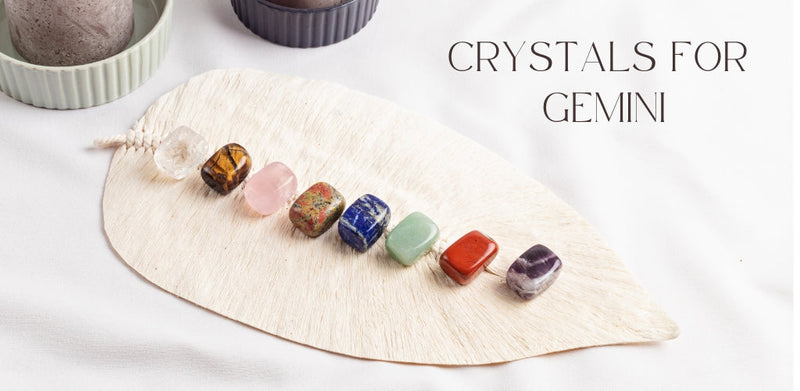
If instead you want a set of stones to support focus, protection or calm across the year, you are into crystal-collection territory. That is a different, longer list. Our Gemini protection crystals guide is the place for that, and it goes well beyond the birthstones into stones like black tourmaline, labradorite and tiger's eye chosen purely by intention. For the sign's lucky shades, our Gemini colours piece covers yellow, light green and silver.
Neighbouring and related signs share some of this palette. Earth sign Taurus sits just before Gemini, so our Taurus birthstone guide and the Cancer birthstone piece, covering the sign that follows, make useful companion reads. Curious how the other air sign compares? See the Libra birthstone and Scorpio birthstone guides. For the full sign-by-sign palette, our zodiac colours overview ties it together.
How to care for your Gemini birthstone
Pearl, moonstone and agate each need a slightly different touch, but the golden rule is gentle: no harsh chemicals, no ultrasonic cleaners and no sudden temperature swings. Pearl in particular is soft and porous and needs the most care of the group. Stored well, these stones stay bright for years.
A short care checklist:
1. Clean pearls softly. Wipe with a soft, barely damp cloth after wearing. Skip soaking, as water and acids can dull the nacre over time. 2. Wash agate and moonstone gently. Warm water, a drop of mild soap and a soft cloth. Rinse and pat dry, and never use a steamer or ultrasonic bath on moonstone. 3. Skip the chemicals. Keep perfume, hairspray, bleach and strong cleaners away from all three stones and their settings. 4. Put pearls on last. Wear pearls after applying make-up, perfume and hairspray, so the nacre never meets those chemicals directly. 5. Store separately. Keep each piece in a padded pouch or lined box so harder stones do not scratch softer pearls and moonstone.
Pearl deserves the most caution because it is soft, porous and organic. Take it off before washing hands, swimming or exercising, and wipe it down after each wear. Agate, the hardest of the three, tolerates daily wear far more easily, which is why it is the natural pick for a Gemini everyday ring.
Sources
- Gemological Institute of America, June birthstones: pearl, moonstone and alexandrite. gia.edu
- Gemological Institute of America, pearl description, nacre and value factors. gia.edu
- Encyclopaedia Britannica, pearl, formation and nacre. britannica.com
- Encyclopaedia Britannica, agate, banded chalcedony gemstone. britannica.com
Frequently asked questions
About the author


Written by Chetna Sharma, crystal healing practitioner and co-founder of Solacely. Chetna has worked with healing crystals for over a decade and curates Solacely's protective stone collection.