The second house in astrology governs money, possessions, personal values, and self-worth. It describes how you earn, save, and hold resources, what you consider truly valuable, and the quiet sense of security that comes from owning your own footing. In Indian astrology it is called Dhana Bhava, the house of wealth.
Key Takeaways
- The 2nd house rules income, possessions, values, and self-worth. In Vedic astrology it is the Dhana Bhava, the house of accumulated wealth and family resources.
- It is naturally linked to Taurus and ruled by Venus, which is why the house is read as grounded, sensual, and drawn to lasting, tangible value.
- A planet in the 2nd house colours how you earn and spend: Jupiter suggests expansion, Saturn caution and delay, Venus a taste for comfort and beauty.
- The zodiac sign on the 2nd-house cusp sets the 'money style' of the chart, from Aries's fast, impulsive spending to Capricorn's slow, disciplined building.
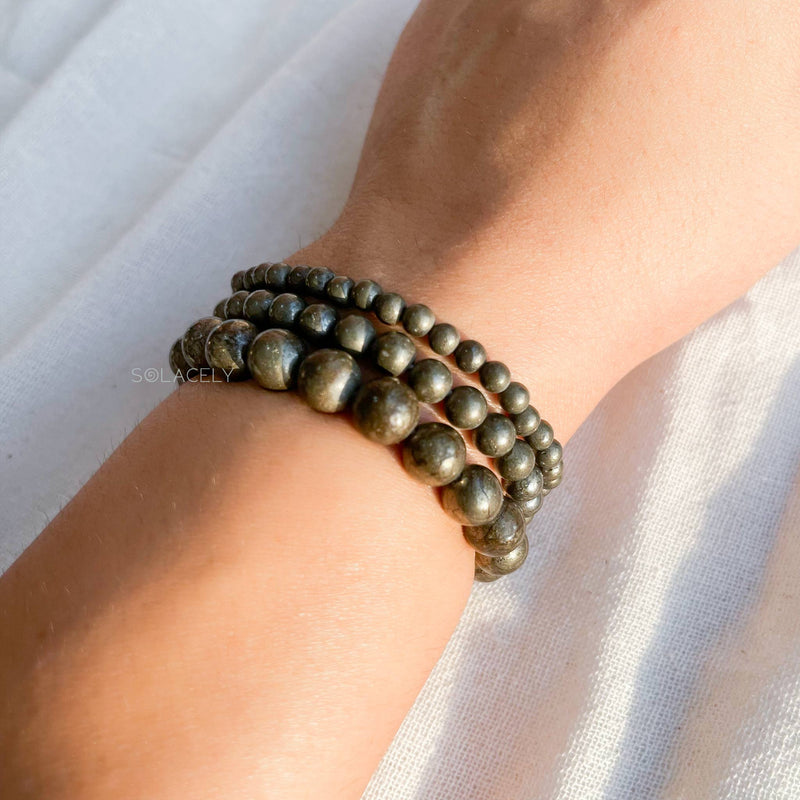
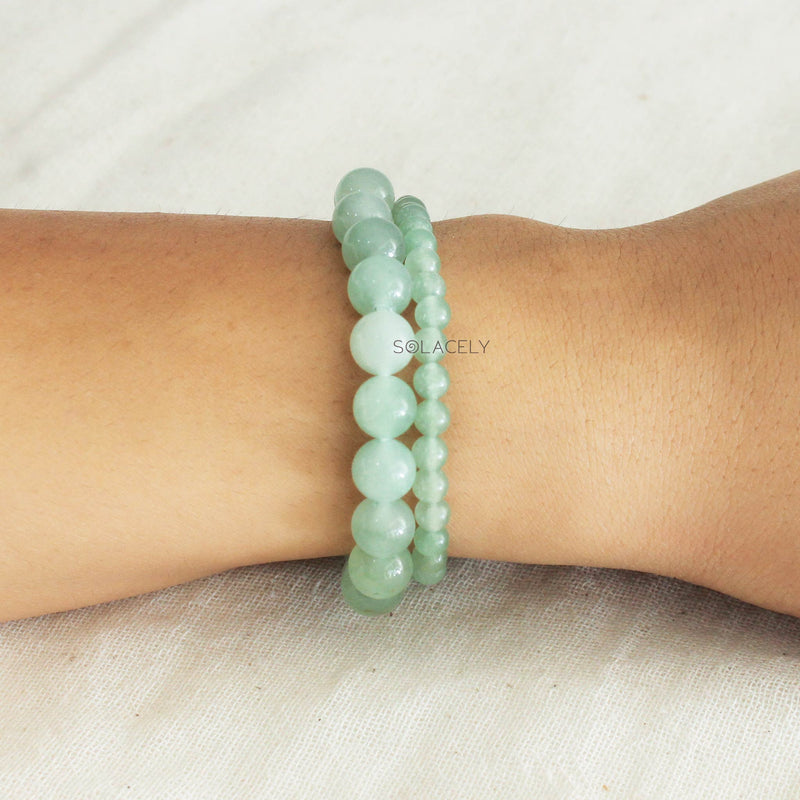
- Citrine, pyrite, and green aventurine are the stones most often chosen in tradition to support abundance, confidence, and self-worth. Astrology here is a reflective tradition, not a forecast.
What does the second house rule in astrology?
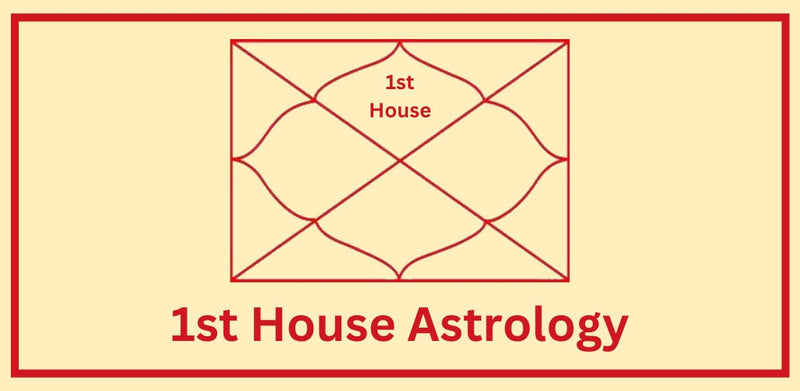
The second house rules money, possessions, and the deeper question of what you value. It is the second of the twelve houses, sitting just after the 1st house of the self, and it turns the chart's attention from 'who am I' to 'what is mine.' It covers income, savings, belongings, and the self-worth that underpins all of them.
Think of it as the house of the tangible. Your earning power, your relationship with spending, the things you like to own, and the security they give you all live here. In the classical Western tradition it is a succedent house, one of the four houses tied to stability and building rather than sudden action.
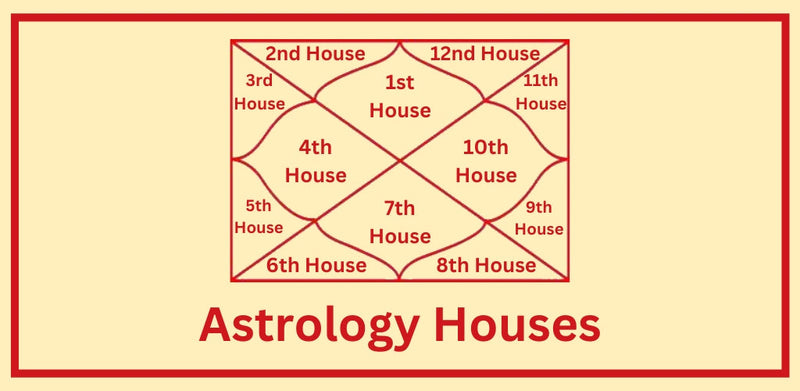
In Indian astrology (Jyotish) the same house is the Dhana Bhava, the house of wealth. It is read as family resources, accumulated money, speech, and even the food you eat. If you are new to the wheel as a whole, our complete guide to the 12 astrological houses is the best place to start, and our first house guide covers the house of the self that comes just before it.
Money, possessions, and material security
The second house is where the chart talks about material security: what you own, what you owe, and how safe your resources make you feel. It is not only about the size of a bank balance. It is about your whole relationship with having, from the joy of a beautiful object to the anxiety of an empty account.
This house also holds movable possessions, the things you can carry or keep, as opposed to property and land, which belong to the 4th house. Your phone, your jewellery, your savings, your everyday comforts, all of it is 2nd-house territory. So is the way you treat those things, whether you hoard, share, splurge, or steward.
Astrologers read this house to understand a person's financial temperament, not their fortune. Two charts with strong 2nd houses can look very different: one careful and slow, the other generous and free-spending. The house shows the pattern, not a number. For the difference between houses, signs, and planets, our houses guide lays out how the three layers combine.
The second house and self-worth
Beyond money, the second house governs self-worth, the inner sense of your own value that shapes what you believe you deserve. This is the psychological heart of the house. How you value yourself often mirrors how you value your resources, and the two are read together.
A person who undervalues their work may struggle to charge fairly for it, no matter their talent. Someone with a secure sense of worth tends to hold healthier boundaries around money and time. In modern astrology, the 2nd house is where these patterns show up, which is why it is read as much about confidence as about cash.
This is also why crystal traditions link the house to stones of confidence and abundance. The idea, framed as belief rather than fact, is that supporting your sense of worth supports your relationship with wealth. It is a gentle, reflective way to work with the house, and we return to specific stones further down.
Planets in the second house
A planet in the second house colours how you earn, spend, and value. The planet is the 'what,' the active energy playing out in the money-and-worth area of life. Below is how the major planets are traditionally read when they sit in the 2nd house. Treat these as themes for reflection, not fixed predictions.
| Planet in 2nd house | Traditional reading |
|---|---|
| Sun | Identity tied to earning; pride in resources; steady drive to build worth |
| Moon | Emotional relationship with money; income that ebbs and flows with mood |
| Mercury | A mind for finance, trade, and clever earning; many income streams |
| Venus | Love of comfort and beauty; money spent on pleasure and lasting quality |
| Mars | Energetic, competitive earning; fast to spend, quick to act on gain |
| Jupiter | Expansion and optimism; generosity; the traditional marker of abundance |
| Saturn | Caution, discipline, and delay; wealth built slowly and held carefully |
| Rahu (North Node) | Strong material desire; unconventional or sudden gains in Vedic tradition |
| Ketu (South Node) | Detachment from possessions; a lighter grip on material things |
Two people can share a planet here and live it differently, because the sign and the rest of the chart shape the expression. A benefic like Jupiter or Venus in the 2nd is classically read as favourable for wealth, while Saturn asks for patience. None of this is a guarantee. It is a lens for understanding your own financial habits.
The zodiac sign on the second-house cusp
The sign sitting on your second-house cusp sets the 'money style' of the chart: the flavour of how you relate to earning and value. Where the planet is the what, the sign is the how. The house's natural sign is Taurus, so every other sign on the cusp brings its own colour to Taurus's grounded theme.
- Aries on the cusp: fast, bold, impulsive with money; earns and spends quickly.
- Taurus: the house at home; steady, sensual, drawn to lasting quality and comfort.
- Gemini: many income streams; a curious, flexible, sometimes scattered money mind.
- Cancer: money tied to home and family; a saver who spends on security.
- Leo: generous and expressive; spends on beauty, gifts, and being seen.
- Virgo: careful, analytical, budget-minded; values usefulness over flash.
- Libra: money spent on harmony, art, and relationships; dislikes financial conflict.
- Scorpio: intense about resources; private, strategic, drawn to shared finances.
- Sagittarius: optimistic, generous, sometimes over-hopeful about gains.
- Capricorn: disciplined, patient, ambitious; the slow, sure builder of wealth.
- Aquarius: unconventional earning; values freedom over accumulation.
- Pisces: idealistic and giving; benefits from clear boundaries around money.
Because Taurus rules this house, its energy is a useful reference point for the whole 2nd house. Our crystals for Taurus guide and Taurus birthstone guide both explore that grounded, value-loving temperament in more detail. To see how signs bring their own mood to any placement, our zodiac colours guide is a gentle companion.
Second house in Vedic astrology (Dhana Bhava)
In Vedic astrology the second house is the Dhana Bhava, the house of wealth, and it carries a wider meaning than money alone. According to Encyclopaedia Britannica, Indian astrology developed its own house system (the bhavas) alongside the Western tradition, and the 2nd bhava is read as accumulated wealth, family, speech, and nourishment.
Classical Jyotish links this house to your family of origin and its resources, to the food you eat, and notably to speech and the face. A strong, well-placed 2nd house is traditionally associated with fluent speech and family support, not just savings. This is broader than the Western focus on earning and possessions.
The two systems share the core theme, resources and value, but differ in calculation, since Vedic astrology uses the sidereal zodiac and often whole-sign houses. If you read a Vedic chart, the 2nd house is one to watch for anything to do with family money, savings, and the way you speak your worth into the world.
How to work with your second house
Working with your second house means turning its themes, money and self-worth, into small, honest habits. Astrology here is a mirror, not a manual, so the aim is reflection and gentle practice rather than chasing a lucky outcome. Start with awareness, then build one steady habit at a time.
1. Find your 2nd-house sign and any planets in it using a birth chart from date, exact time, and place of birth. This tells you your money style. 2. Name your money pattern honestly. Are you an impulsive spender, an anxious saver, or a generous giver? The house shows the tendency; you choose the response. 3. Tie worth to action, not outcome. Charge fairly, keep boundaries, and treat self-worth as something you practise, not something you wait to feel. 4. Build one small resource habit. A fixed monthly saving, a tidy budget, or a clear price for your work all honour the 2nd house. 5. Use a supportive ritual if it helps you focus, such as keeping an abundance stone on your desk as a visual cue for intention.
None of these steps promises money. They use the house as a prompt for better habits. For the house that follows, communication and the everyday mind, see our third house guide; for home and roots, our fourth house guide continues the journey around the wheel.
Supportive crystals for the second house
In crystal tradition, warm, golden stones are chosen to support the second house's themes of abundance, confidence, and self-worth. This is folk belief and personal ritual, not a financial method. The stones work as focus objects: reminders of the intention you have set, kept somewhere you will see them daily.
| Crystal | Traditional intention |
|---|---|
| Citrine | Abundance, optimism, and a bright, confident money mindset |
| Pyrite | Wealth, willpower, and protection of resources |
| Green aventurine | Opportunity, luck, and openness to new income |
| Tiger's eye | Courage, clarity, and steady decisions around money |
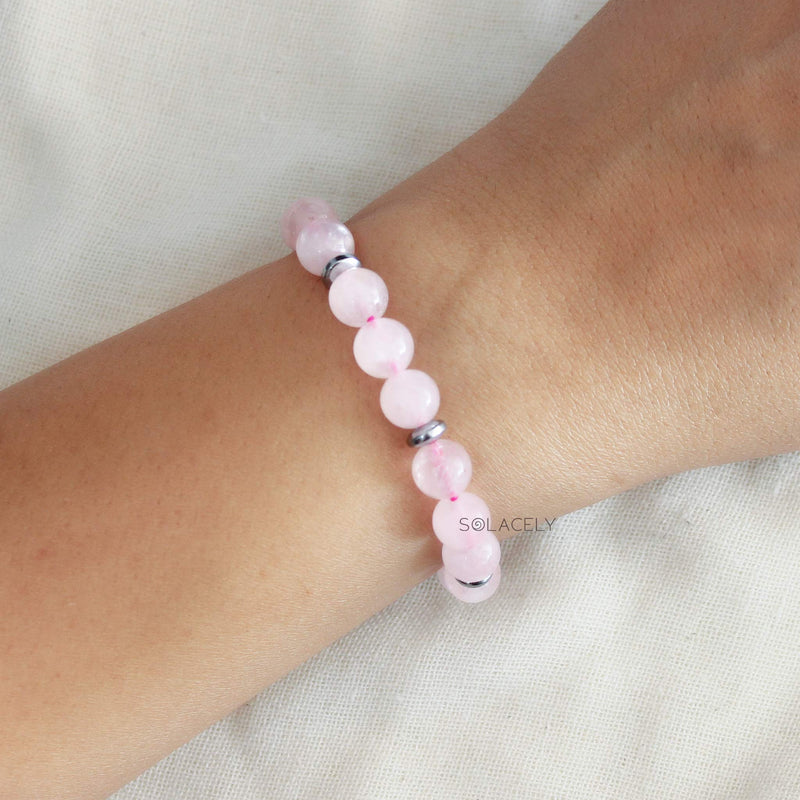
| Rose quartz | Self-worth and self-compassion, the softer side of the 2nd house |
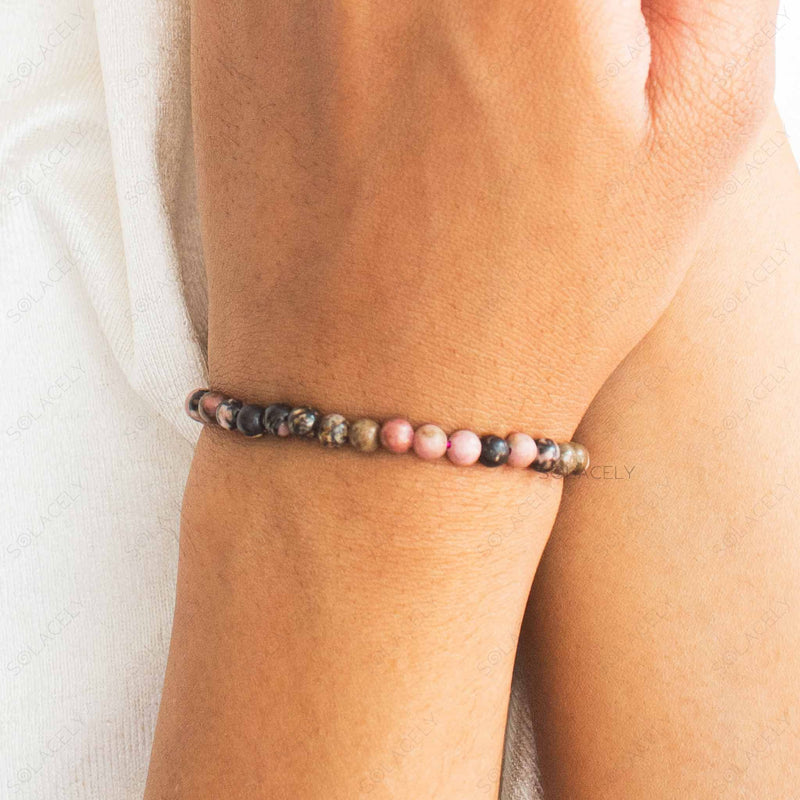
A simple way to use them is to keep a single stone, citrine or pyrite for abundance, rose quartz for self-worth, on your desk or where you manage money. Solacely's abundance pieces are made for exactly this kind of quiet daily intention. For a different tradition of abundance symbolism, our guide to rune symbols for abundance explores the Norse markers people use for the same aim.
Choose the stone whose intention matches your season, not the most expensive one. A small tumble on a desk does the same daily job as a large cluster.
Sources
- Encyclopaedia Britannica, astrology: history, the horoscope, and the house system. britannica.com
- Encyclopaedia Britannica, horoscope, the chart of the heavens and its twelve houses. britannica.com
- Encyclopaedia Britannica, Hindu astrology and the Indian tradition. britannica.com
Frequently asked questions
About the author


Written by Chetna Sharma, crystal healing practitioner and co-founder of Solacely. Chetna has worked with healing crystals for over a decade and curates Solacely's protective stone collection.