The most expensive crystals in the world are gem materials the Earth almost never makes twice: red diamond, jadeite, musgravite, painite, alexandrite, red beryl, taaffeite, benitoite and grandidierite. Their prices follow geological scarcity, crystal size and colour saturation rather than beauty alone. Nearly all of them come from a handful of deposits, and some from a single mountain range.
Key takeaways
- Scarcity sets the ceiling. Most of these gems come from very few deposits, and several are tied to one mine, one valley or one island.
- Hardness varies widely: diamond is 10 on the Mohs scale, ruby and sapphire 9, alexandrite and taaffeite around 8.5, emerald 7.5 to 8, jadeite 6.5 to 7.
- Colour does the heavy lifting. Saturated red, vivid green and deep blue are worth many times more than pale examples of the same mineral.
- Crystal size caps supply. Painite, musgravite, red beryl and benitoite rarely grow big enough to cut clean, faceted stones.
- Trace elements create the colours collectors chase: chromium, vanadium, manganese, iron, boron and titanium.
- Price measures geology, not meaning. The stones people actually wear every day are chosen for quite different reasons.
What makes a crystal expensive?
Four factors set the price of a rare gem: how few places on Earth produce it, how large and clean the crystals grow, how saturated the colour is, and how well the material survives cutting and daily wear. Shift any one of those and the value moves sharply, even within the same mineral family.
Supply is the first constraint, and it is brutal. Benitoite has only ever been mined commercially from one small area in San Benito County, California. Red beryl comes chiefly from the Wah Wah Mountains of Utah. Painite was first described from Myanmar in the 1950s, and for decades only a few crystals were known to science at all. Grandidierite reaches gem quality mainly in Madagascar. A gem cannot be produced to meet demand when the whole world holds one productive pocket of it.
The second constraint is what happens between rough and finished stone. Faceting removes a large share of the original crystal, so a rough piece has to be generously sized and clean enough to survive the loss. Plenty of rare minerals exist as microscopic grains in rock. Very few of them ever appear as a cuttable crystal.
Then there is recognition. Alexandrite, emerald and ruby have centuries of history behind them, named stones in national collections and a steady collector market. Musgravite and taaffeite are newer arrivals with no such tradition, so their value rests almost entirely on how few examples exist.
Which crystals are the most expensive in the world?
Red diamond is usually named first, followed by jadeite of imperial green quality, blue diamond, musgravite, painite, alexandrite, red beryl, taaffeite, benitoite, grandidierite, fine emerald and Burmese ruby. Rankings shift with each notable sale, so treat any order as relative rather than fixed.
| Stone | Signature colour | Mohs hardness | Why supply stays tight |
|---|---|---|---|
| Red diamond | Pure red | 10 | Colour comes from distortion in the crystal lattice, not a trace element |
| Blue diamond | Steely to vivid blue | 10 | Needs boron in the growth environment, which is uncommon at depth |
| Jadeite | Imperial green | 6.5 to 7 | Even translucency across a whole piece is exceptional |
| Musgravite | Grey green to purple | 8 to 8.5 | First found in South Australia in 1967; facetable material is scarce |
| Painite | Brownish red | 8 | Known from a very limited area of Myanmar |
| Alexandrite | Green by day, red by lamplight | 8.5 | Colour change needs a narrow chromium chemistry |
| Red beryl | Raspberry red | 7.5 to 8 | Manganese rich beryl, mainly from Utah, in tiny crystals |
| Taaffeite | Mauve to lavender | 8 to 8.5 | Identified in 1945 from an already cut stone; few sources known |
| Benitoite | Sapphire blue | 6 to 6.5 | One commercial deposit, in California |
| Grandidierite | Blue green | 7.5 | Transparent material appeared only recently, chiefly from Madagascar |
| Emerald | Vivid green | 7.5 to 8 | Clean, well saturated crystals of size are uncommon |
| Ruby | Pigeon blood red | 9 | Strong red without overtone is limited to certain deposits |
The coloured diamonds sit apart from the rest. Red and pink diamonds owe their colour to plastic deformation, a twisting of the carbon lattice under pressure, while blue diamonds carry traces of boron. Australia's Argyle mine, which produced a striking share of the world's pink and red diamonds, closed in 2020, so that particular tap is now shut.
Jadeite belongs to a different tradition entirely. It has been carved and worn across East Asia for thousands of years, valued for a glowing translucency and a green that seems lit from inside. Jadeite and nephrite are both called jade, and if you enjoy the material and its history, the full story of green jade and what it is traditionally kept for is worth reading on its own terms.
Alexandrite is the showman of the group. Found in the Ural Mountains of Russia in the 1830s and named for Tsar Alexander II, it reads green in daylight and raspberry red under incandescent light. The effect comes from the way chromium in chrysoberyl absorbs light, and a strong, clean change in a larger stone is one of the hardest things in gemmology to source.
Why does colour decide so much of the price?
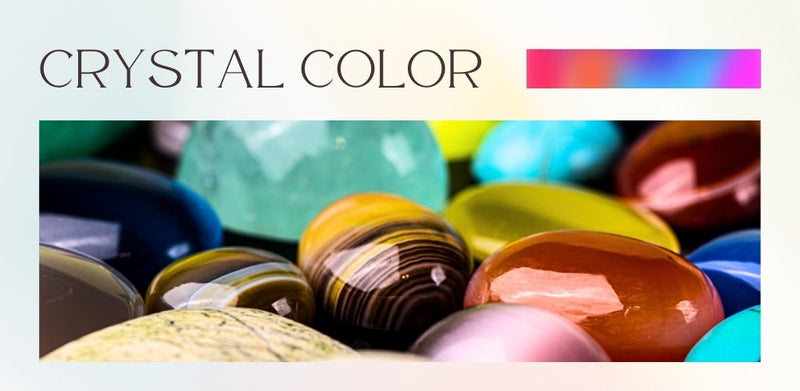
Colour carries more weight than any other single factor in coloured stones. Graders assess hue, tone and saturation, and a vivid example can be worth many times a pale one from the same mine. Trace elements do this work: chromium and vanadium for green, manganese for red, iron and titanium for blue.
Consider beryl. Add iron and you get aquamarine. Add chromium or vanadium and you get emerald. Add manganese and you get red beryl, which is the scarcest of the family by a long way. Same mineral, three completely different price brackets, decided by a trace of one element during growth.
Corundum tells the same story. Chromium gives ruby its red, and the sought after saturation, sometimes called pigeon blood, sits in a narrow band with no brown or purple pulling at it. This relationship between chemistry and colour runs through every stone on a shelf, which is why understanding what crystal colours mean and where they come from tells you more about a stone than its name does.
Why are the rarest gems almost always small?
Rare gems stay small because they need space, time and an unusual chemistry all at once. The elements that make them, beryllium, boron, chromium, are thinly spread through the crust. Where they do concentrate, the pockets are cramped, so crystals stop growing long before common minerals would.
Quartz can fill a cavity the size of a room. Painite forms in a geological corner where the right ingredients briefly met. Red beryl grows in gas cavities in rhyolite, and those cavities are usually measured in millimetres, which is why cut red beryl over a carat is talked about individually.
Cutting compounds the problem. A cutter has to work around inclusions and fractures, and finished weight is typically a fraction of the rough. So the scarcity that drives price is not simply scarcity of the mineral. It is scarcity of clean material large enough to face the wheel and survive it.
Does price tell you anything about a crystal's meaning?
Price and meaning are measured on entirely separate scales. Cost records how rarely the Earth assembled that particular chemistry. Meaning comes from tradition, from colour association and from what a person decides to carry the stone for. The two have never needed to agree, and mostly they do not.
Some of the oldest and best loved stones in crystal tradition are also among the most available. Amethyst has been worn for millennia. Clear quartz, rose quartz, carnelian and tiger's eye all sit in the same category: abundant, affordable and deeply embedded in practice. Their standing was earned through centuries of use, not through auction results.
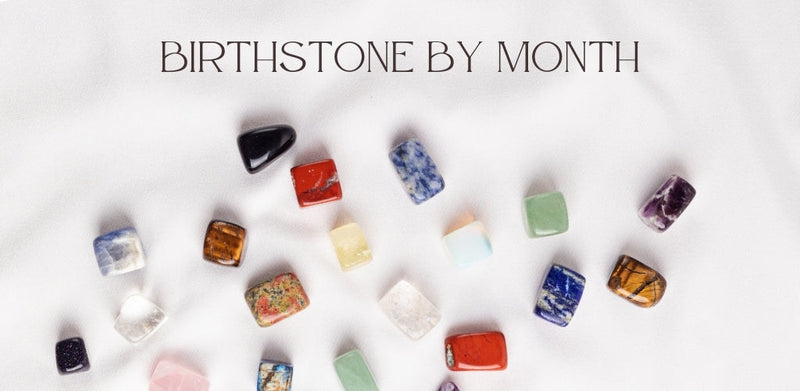
Rarity does show up in the birthstone calendar, though not as a price ranking. Emerald belongs to May, ruby to July, diamond to April, opal and tourmaline share October. If you want the whole list, the month by month birthstone guide sets out the traditional and modern stones side by side. What people wear from that list is usually decided by their birth month and the colour they like, which is exactly as it should be.
How do you build a collection you actually love?
Start with colour and purpose rather than a price ladder. Pick three or four stones you want to look at every day, learn what each one is traditionally kept for, and let the collection grow from there. A well cut, well finished piece of amethyst gives more pleasure than a rare stone you never take out.
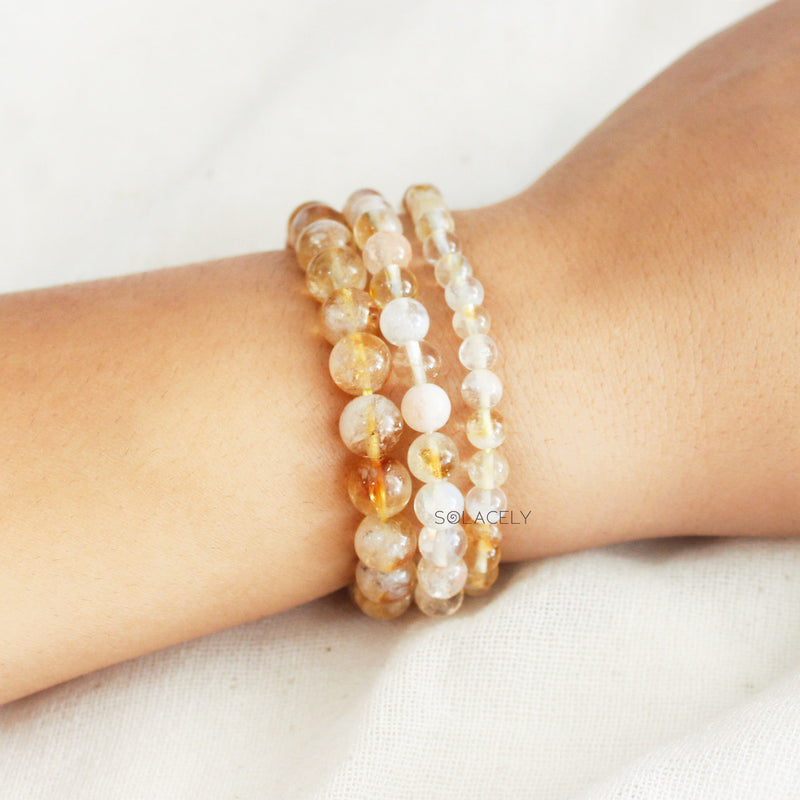
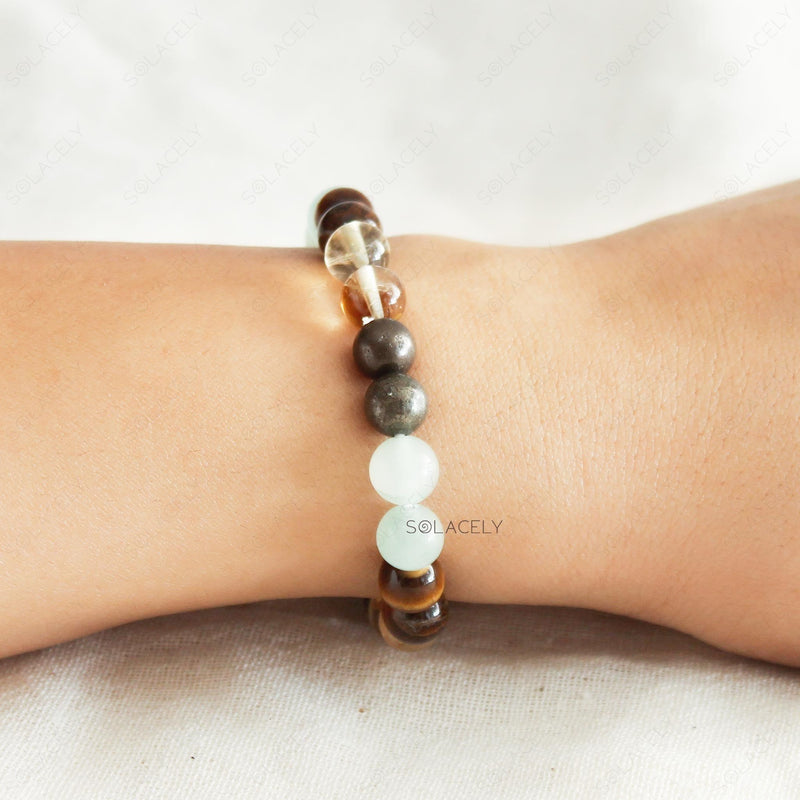
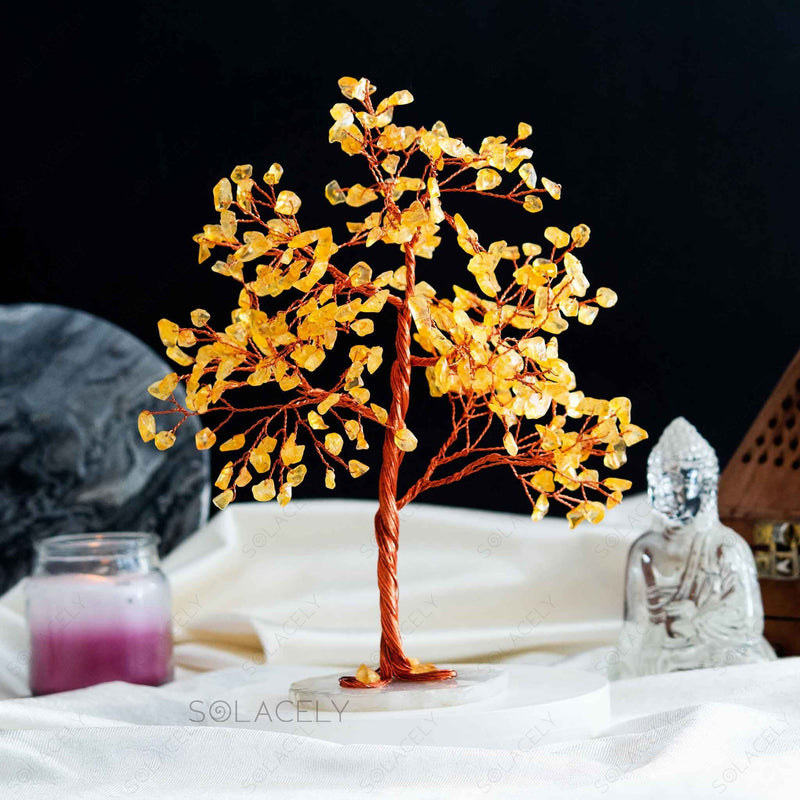
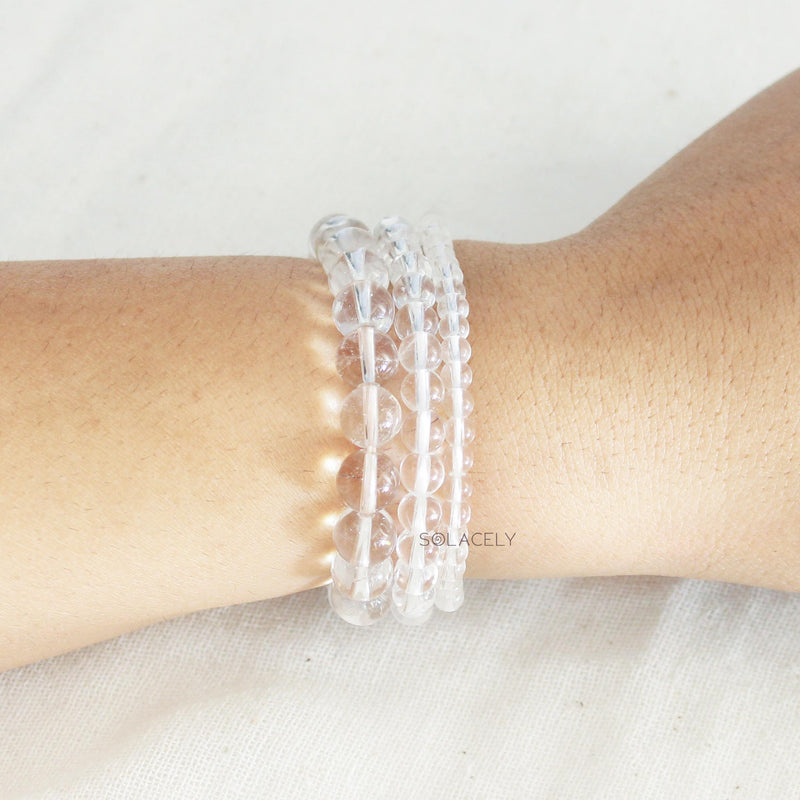
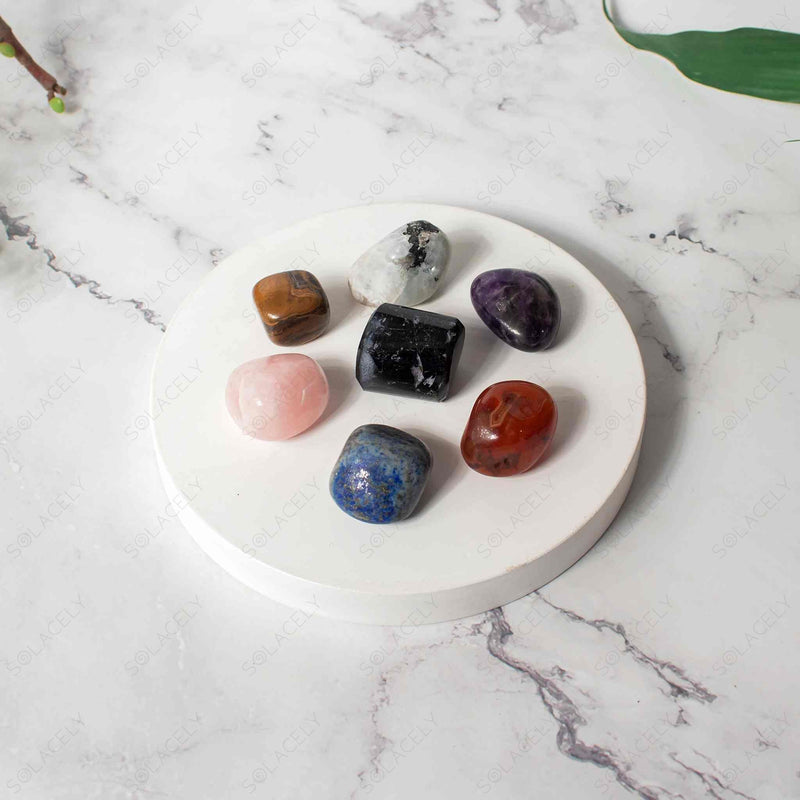
If you are just beginning, a small, deliberate set works better than a drawer of impulse buys. Clear quartz, amethyst, rose quartz, black tourmaline and citrine cover most of what people reach for, and our guide to choosing your first crystals explains how each is traditionally used. For something you wear rather than shelve, precious stone bracelets keep the stone in view all day, which is half the point of wearing one.
Care matters more than cost. Keep amethyst and citrine out of prolonged direct sun, because strong light can pale their colour over time. Never soak selenite; it dissolves. Malachite is soft and should be wiped, not submerged. Emerald is often included and prefers a protective setting to a bare ring edge. Keep small stones away from young children and pets, and never put stones in drinking water.
Crystals are kept for tradition, comfort and personal meaning. Nothing here is medical, financial or investment advice, and no stone treats, cures or prevents any condition. Values for rare gem materials move with quality, provenance and market conditions, so every comparison above is relative rather than a quotation. Speak to a qualified professional about any health concern, keep small stones away from young children and pets, and do not place stones in drinking water.
Sources
Written by Chetena Sharma. Reviewed by the Solacely editorial team.
Frequently asked questions
About the author


Written by Chetna Sharma, crystal healing practitioner and co-founder of Solacely. Chetna has worked with healing crystals for over a decade and curates Solacely's protective stone collection.