To set a wealth intention for Dhanteras and Diwali, clear one corner of your home, write a single wealth intention on the evening of Dhanteras, Friday 6 November 2026, and let something new that you bring home that day hold it. Carry the intention quietly through to Lakshmi Puja after sunset on Sunday 8 November. A stone can anchor it, but the intention does the work.
Key takeaways
- In 2026, Dhanteras falls on Friday 6 November and Lakshmi Puja on Sunday 8 November, with the festival closing on Bhai Dooj, Tuesday 10 November.
- Dhanteras is traditionally a day for honouring Lakshmi and Dhanvantari, and for bringing something new into the home.
- A wealth intention is one clear sentence, written down, not a list of resolutions.
- Cleaning the home and lighting lamps prepare the space; the intention prepares you.
- Pyrite, citrine or a Feng Shui Pixiu bracelet can act as a physical reminder. Keep the Pixiu's Chinese practice separate from your puja.
- This sits alongside your family's own customs and your practical money planning, never in place of them.
When are Dhanteras and Diwali in 2026?
Dhanteras is on Friday 6 November 2026, and Diwali, the night of Lakshmi Puja, is on Sunday 8 November 2026. The festival runs across five days, from Dhanteras to Bhai Dooj on Tuesday 10 November. Lakshmi Puja is performed in Pradosh Kaal, the window that begins after sunset.
| Day | Date in 2026 | Traditionally kept for |
|---|---|---|
| Dhanteras | Friday 6 November | Honouring Lakshmi and Dhanvantari, lighting lamps, buying something new |
| Diwali (Lakshmi Puja) | Sunday 8 November | Welcoming Lakshmi into a clean, lit home, in Pradosh Kaal after sunset |
| Bhai Dooj | Tuesday 10 November | The bond between brothers and sisters, closing the five days |
Exact puja timings shift from city to city with local sunset, so check a panchang for where you live, or ask your family priest.
Why Dhanteras is the moment for a wealth intention
Dhanteras is already a day about wealth. The name joins dhan, meaning wealth, with teras, the thirteenth lunar day, and families mark it by honouring Lakshmi, the goddess of prosperity, and by bringing something new into the home. An intention set here is joining a tradition, not inventing one.
The day also honours Dhanvantari, the divine physician, who in the Puranic account rose from the churning of the ocean carrying a pot of amrit. So dhan here has always meant more than money: it includes a household that is well and looked after.
Many trading families also open fresh account books around Diwali, so for generations it has worked as a new financial year in its own right.
Before you begin: preparing the home
The preparation is the cleaning. Across India, homes are swept, washed and cleared in the days before Diwali, because Lakshmi is traditionally welcomed into a home that is clean, bright and open.
Choose one place that holds your money life: the drawer with your papers, your wallet, your desk, the cash box in the shop. Clear it properly, and leave it with space in it.
On Dhanteras evening many families light diyas at the entrance and draw rangoli at the threshold. If a lamp is part of your ritual, keep it steady, away from curtains, and never leave it burning unattended.
A simple Dhanteras and Diwali wealth ritual
The ritual takes about fifteen minutes on Dhanteras and a few quiet moments on Diwali night: look back at the year, write one intention, give it a home in something new, and carry it into Lakshmi Puja. Your family's puja stays as it always is; this sits beside it.
- Look back first. On Dhanteras evening, once the lamps are lit, sit with a notebook. What did money make possible this year, and where did it cause worry?
- Write one intention. One sentence, in the present tense: "I earn steadily and spend with care," or "My business grows and supports my family."
- Bring home something new. Buying gold, silver, a brass vessel or something for the home is the traditional Dhanteras custom. If your new thing is a bracelet or a stone, hold it for a moment and read your intention once.
- Keep the note somewhere clean. Fold it into the space you cleared, beside your account book or wallet.
- Carry it into Diwali night. After Lakshmi Puja on Sunday 8 November, read the intention again, quietly, in the light of the lamps.
- Let the anchor remind you. From Bhai Dooj onwards, keep your piece where you will see it.
This is not about the numbers alone
A wealth intention is a way of paying attention, and it works best alongside the practical things: a budget you actually look at, regular savings, the money conversation you have been putting off. It gives those actions a direction; it does not replace them.
Diwali also remembers that wealth moves: sweets are shared and gifts are given. If you are choosing gifts this year, our Diwali gifting ideas and our guide to a Diwali gift for family are good places to begin.
Choosing a stone to anchor the intention
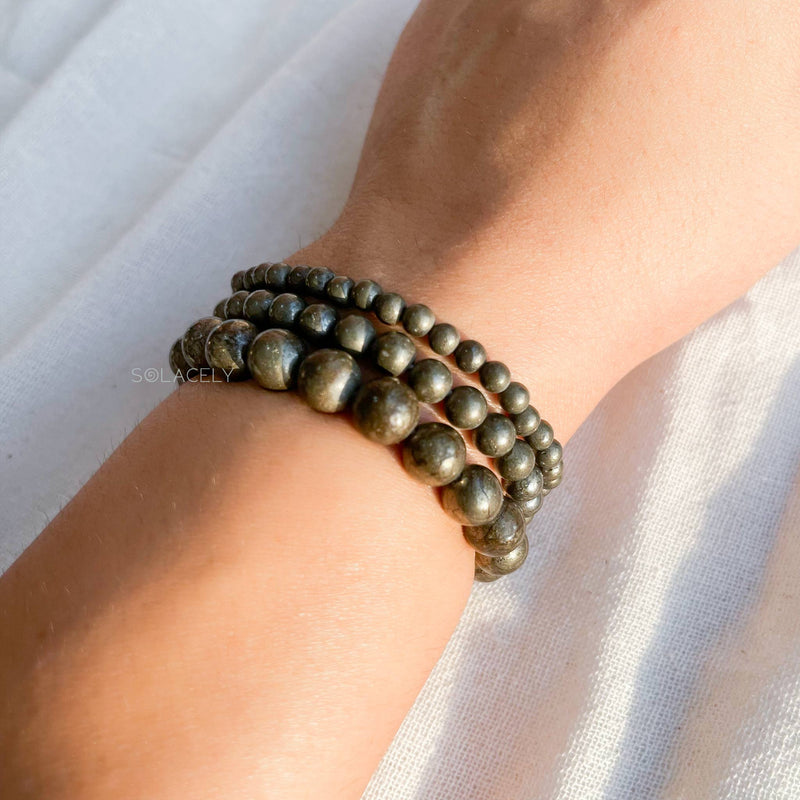
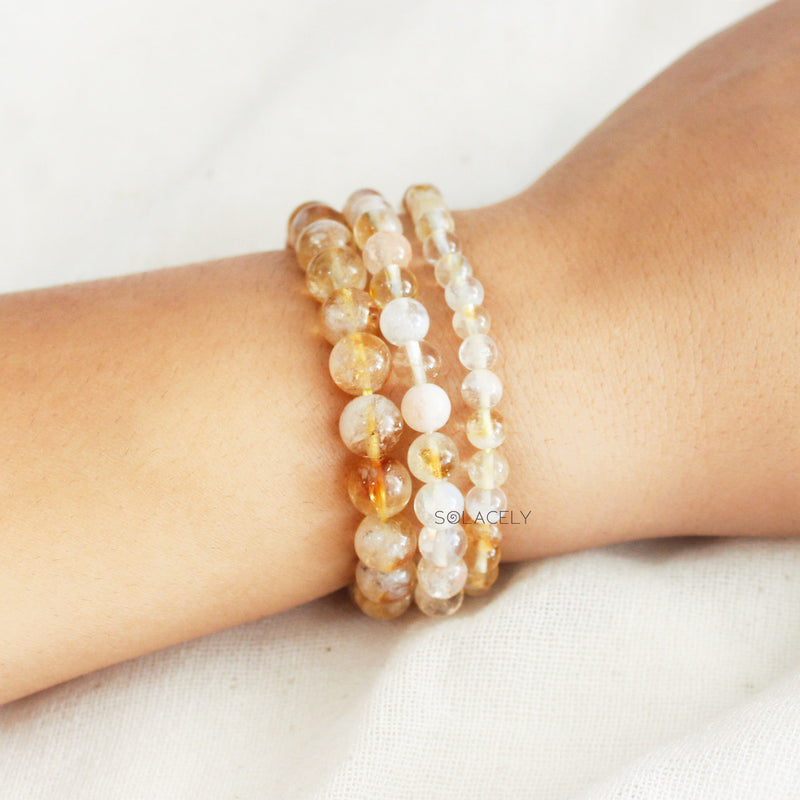
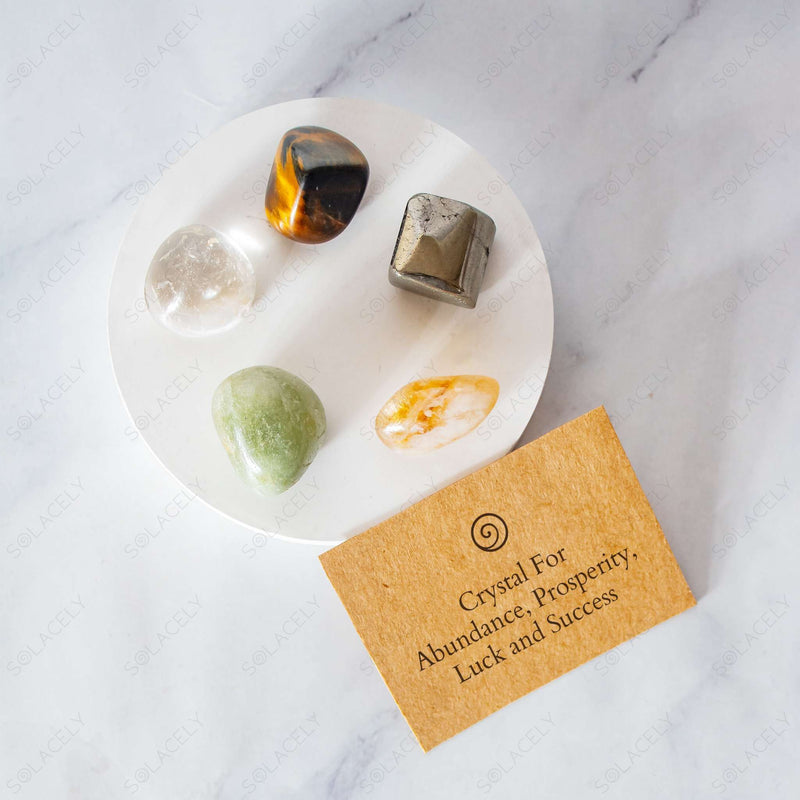
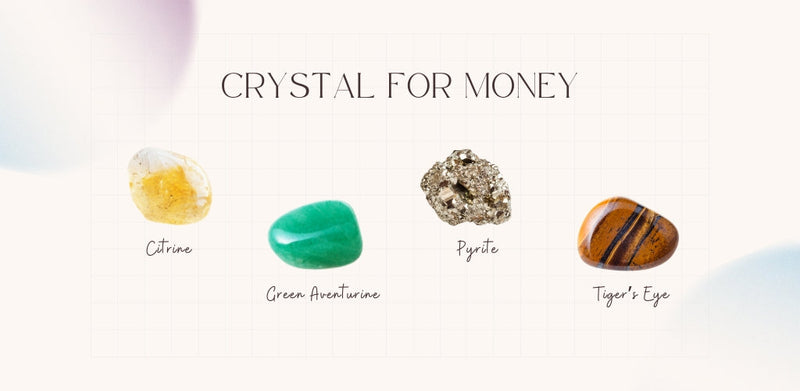
A stone is optional. People reach for one because a written intention is easy to forget by December, and something on the wrist brings it back several times a day. Pyrite and citrine are most often chosen for wealth, and the Feng Shui Pixiu is a third option from a different tradition.
| Anchor | Traditionally kept for | Worth knowing |
|---|---|---|
| Pyrite | Money mindset, confidence and follow-through | Golden, metallic and heavy in the hand. Keep it dry. |
| Citrine | Abundance and a bright outlook, long called the Merchant's Stone | A warm golden quartz that suits everyday wear |
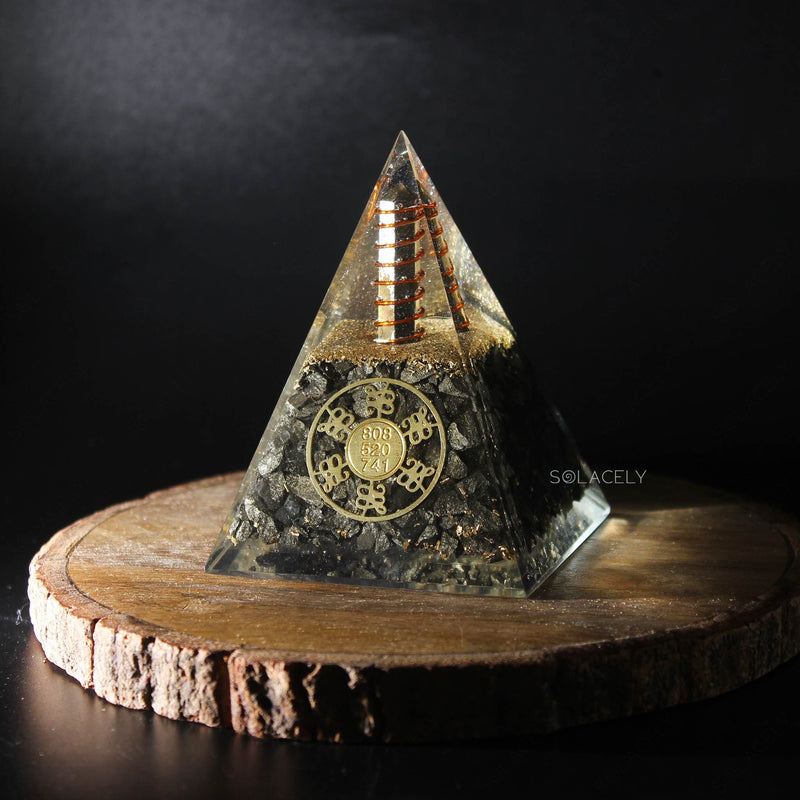
| Feng Shui Pixiu | Drawing wealth in and guarding it, in Chinese Feng Shui | Has its own activation ritual, kept separate from puja |
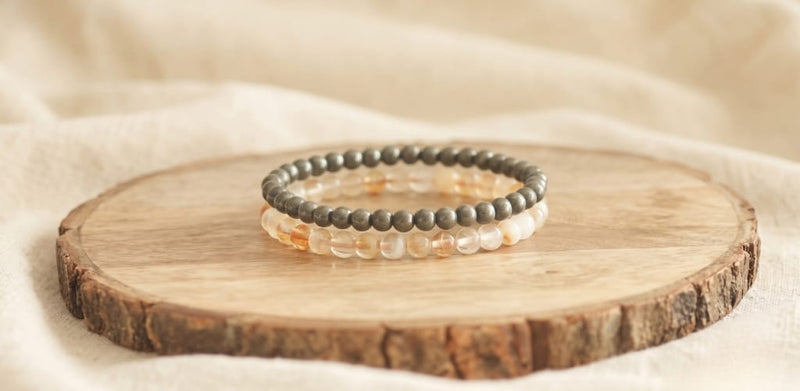
Pyrite suits an intention about earning and effort: the raise, the new client. Citrine suits one about ease and flow, and is the gentler of the two for daily wear. You will find both in our wealth and abundance collection.
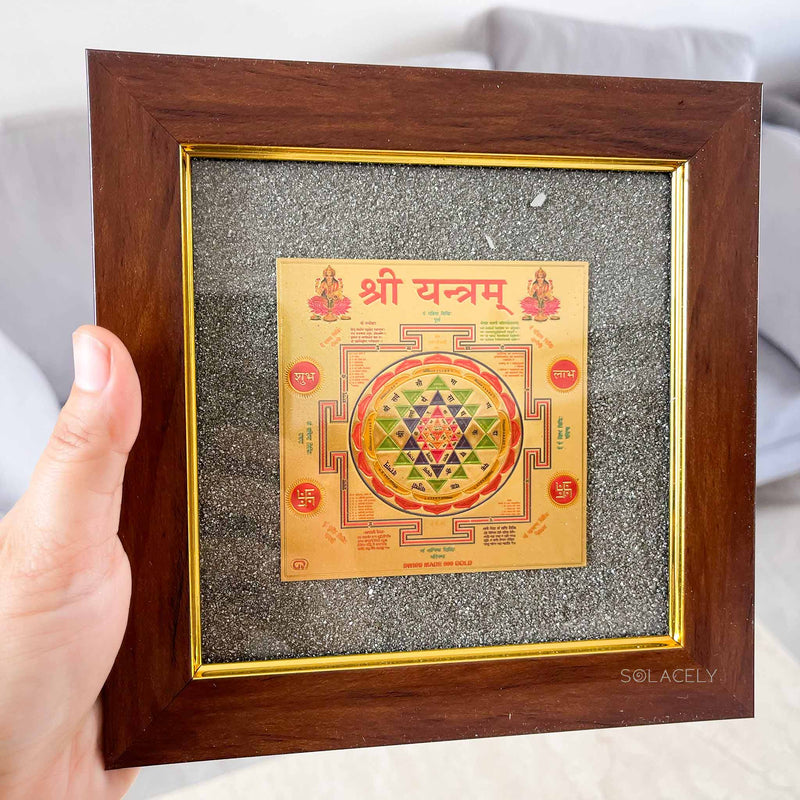
If you would rather your anchor came from Hindu tradition, the Shree Yantra has long been kept in homes and shops for prosperity. Our Shree Yantra on a pyrite dust frame sits on a desk or shelf.
If you wear a Pixiu bracelet
The Pixiu comes from Chinese Feng Shui and deserves to be kept within that tradition rather than folded into a Hindu festival. Keep the two side by side, not mixed: the Pixiu stays off the puja thali.
If a Feng Shui Pixiu bracelet is the new thing you bring home on Dhanteras, activate it on its own terms, as set out in our guide on how to activate a Pixiu bracelet. Then let it hold the same intention you wrote down.
A quiet intention in a bright week
Diwali is loud and generous and full of people, which is exactly why a quiet intention holds so well inside it. The lamps are lit whether or not you write anything down.
A few minutes on Dhanteras, one clear sentence and a small reminder close by are enough to carry wealth into the year ahead with care. The festival gives you the moment. What you bring to it is yours.
The practices described here reflect Hindu festival customs and traditional crystal and Feng Shui practice, shared for meaning. Every family observes Dhanteras and Diwali in its own way, so follow your own customs and your priest's guidance on puja timings. Nothing here is financial advice or a substitute for financial planning, and crystals do not treat, prevent or relieve any condition. Keep loose beads away from small children and pets, keep pyrite dry, never place crystals in drinking water, and never leave a lit diya unattended.
Sources
Frequently asked questions
About the author


Written by Chetna Sharma, crystal healing practitioner and co-founder of Solacely. Chetna has worked with healing crystals for over a decade and curates Solacely's protective stone collection.