A copper pyramid is a small four-sided metal object used in Vastu Shastra, the traditional Indian science of architecture and space. In Vastu belief, it is placed in homes and workspaces to encourage a calm, harmonious flow of energy. These are cultural and spiritual traditions, valued for meaning and intention, not proven medical or scientific effects.
Key Takeaways
- A copper pyramid is a Vastu tool, a pyramid-shaped object made of copper and placed in a room to support what tradition calls positive energy flow.
- Vastu Shastra is a centuries-old Indian tradition of design and orientation, described by Britannica as guiding the layout of homes and temples around the cardinal directions.
- Copper is chosen because it is a warm, auspicious, highly conductive metal, which tradition reads as a symbol of energy movement.
- Common placement beliefs favour the north-east (Ishanya) or a study, pooja, or living area, kept clean and clutter-free.
- Copper pyramids are among the more affordable Vastu items, with cost tracking size, weight, and whether crystals are set inside.
- All Vastu benefits here are traditional belief, not clinical fact. Use a pyramid for intention and beauty, not as a treatment.
What is a copper pyramid?
A copper pyramid is a solid or hollow object shaped like a four-sided pyramid, made from copper or a high-copper alloy. In Indian homes it is used as a Vastu and decor piece, often sitting on a study table, altar, or shelf. Sizes usually run from a 2 cm desk piece to a 15 cm centrepiece.
The pyramid form is ancient and cross-cultural. According to Encyclopaedia Britannica, the great Egyptian pyramids were built as monumental tombs with square bases and triangular faces meeting at an apex. That distinctive geometry, a broad base tapering to a single point, is exactly what modern Vastu and metaphysical practice borrows and reads with symbolic meaning.
Why copper specifically? The metal has a long, warm history in India. Copper vessels, or tamra, appear in temple ritual, kalash offerings, and daily kitchens. To understand the metal's wider story, see our guide to the power of copper. A copper pyramid simply carries that familiar, auspicious material into a shape people find meaningful.
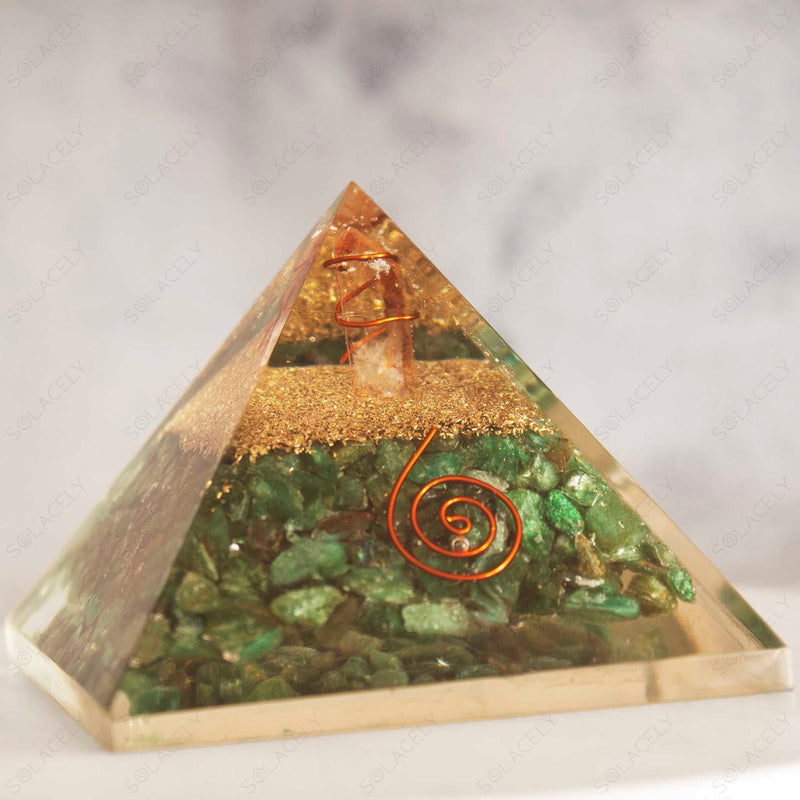
Some copper pyramids are plain. Others hold small crystals, a coiled wire, or nine gemstones (navratna) inside the base. These variations change the look, the price, and the intention people attach to the piece, but the core idea stays the same.
Vastu Shastra and the pyramid shape
Vastu Shastra is the traditional Indian system that links the design and orientation of a building to wellbeing and harmony. Britannica describes Vastu-purusha-mandala as the ritual diagram that organises sacred and domestic architecture around the cardinal directions. A copper pyramid is a small, portable expression of that same directional thinking.
In this tradition, each direction carries an association. The north-east is linked with clarity and water, the south-east with fire and energy, the north with prosperity, and so on. A pyramid, with its base squared to the directions and its apex rising to a point, is believed to gather and lift energy upward. This is symbolic language, a way of thinking about space, rather than a measured physical force.
The pyramid's popularity in Vastu grew alongside the wider 'pyramid power' movement of the twentieth century, which attached metaphysical claims to the shape itself. Solacely treats these as cultural beliefs. They can be genuinely meaningful as a focus for intention, and that is a fair reason to keep one, without overstating what it does.
Copper adds a second layer of symbolism. Because copper conducts heat and electricity so well, second only to silver per Britannica, tradition reads it as a natural 'carrier' of energy. Blend the conductive metal with the rising shape, and you have the story behind the copper pyramid.
Traditional benefits believed in Vastu
In Vastu tradition, a copper pyramid is believed to steady a room's atmosphere, soften what practitioners call negative or stagnant energy, and support focus, calm, and prosperity. There is no clinical evidence for these effects. They are cultural beliefs about intention and space, and that is the honest frame for every benefit below.
Practitioners commonly associate copper pyramids with a handful of aims. Reading them as intentions, not guarantees, keeps expectations realistic:
- Calm and focus: Placed on a study or work desk to encourage concentration.
- Harmony at home: Set in a living area to support a peaceful, welcoming mood.
- Prosperity intention: Kept in a north or north-east corner, linked in tradition to abundance.
- Space 'correction': Used in rooms that feel heavy, cluttered, or awkwardly laid out.
- A meditation anchor: A quiet visual focus during prayer, breathwork, or journaling.
The most defensible way to think about it echoes what we say about jewellery in copper metaphysical properties and copper magical properties: the object works as a cue for your own attention. A beautiful copper pyramid on your desk reminds you of an intention you set. That mindful nudge is real and valuable, even though it is not the metal casting a force on the room.
Does that make a copper pyramid pointless? Not at all. Rituals and meaningful objects shape mood and habit. Just hold the tradition and the science apart, the same discipline we apply in copper healing properties.
Where to place a copper pyramid (Vastu directions)
In Vastu tradition, the favoured spot for a copper pyramid is the north-east zone (Ishanya), associated with clarity and positive beginnings, followed by the north for prosperity and the centre (Brahmasthan) for overall balance. These are directional beliefs from Vastu Shastra, not rules with measured effects, so treat them as custom.
Here is a simple, tradition-based placement guide:
| Location | Vastu association | Common intention |
|---|---|---|
| North-east (Ishanya) | Clarity, water, new beginnings | Calm, spiritual focus |
| North | Wealth, Kubera | Prosperity, career flow |
| Centre (Brahmasthan) | Balance of the home | Overall harmony |
| Study or office desk | Concentration | Work focus, exams |
| Pooja or meditation area | Devotion | A quiet ritual anchor |
A few practical customs travel with these directions. Tradition suggests keeping the pyramid's square base aligned with the compass directions, so its faces point north, south, east, and west. It is usually kept slightly elevated on a table or shelf rather than on the floor, and the area around it is kept clean and uncluttered.
Avoid a few placements that Vastu tradition discourages: inside a bathroom, on the floor in a walkway, or buried under other objects. The idea is that the piece should be visible and undisturbed, which, practically speaking, also means you actually see it and remember the intention behind it.
If you share a home with children or pets, simple safety sense applies too. Place small metal pyramids where they will not be knocked, swallowed, or stepped on. Meaning and common sense can sit together comfortably.
Copper pyramid sizes and what drives the price
Copper pyramids are among the more affordable Vastu items you can buy. Small plain desk pyramids sit at the bottom of the range, mid-size and crystal-set pieces cost noticeably more, and larger or navratna-filled centrepieces sit highest. Price tracks size, copper purity, weight, and any gemstones set inside.
Use this rough guide as a buying reference:
| Type | Typical size | Relative cost |
|---|---|---|
| Plain small desk pyramid | 2–4 cm | Lowest |
| Medium copper pyramid | 5–8 cm | Moderate |
| Crystal or navratna pyramid | 5–10 cm | Higher |
| Large decorative centrepiece | 10–15 cm+ | Highest |
When buying, check a couple of honest details. Look for solid copper or a clearly stated high-copper alloy rather than a thin copper-coloured plating that wears off. Weight is a quick clue: a genuine copper piece feels denser than a hollow painted shell. A reddish-brown warmth, not a bright shiny gold, is the natural colour of real copper.
Copper's affordability is part of its appeal, the same value we highlight in copper jewelry benefits. You can bring a meaningful, handsome object into a home or gift it for a housewarming (griha pravesh) or Diwali without a large spend. Spend more only if you want a larger size, better finish, or set crystals, not because a costlier pyramid promises stronger effects. It does not.
Pairing crystals with a copper pyramid
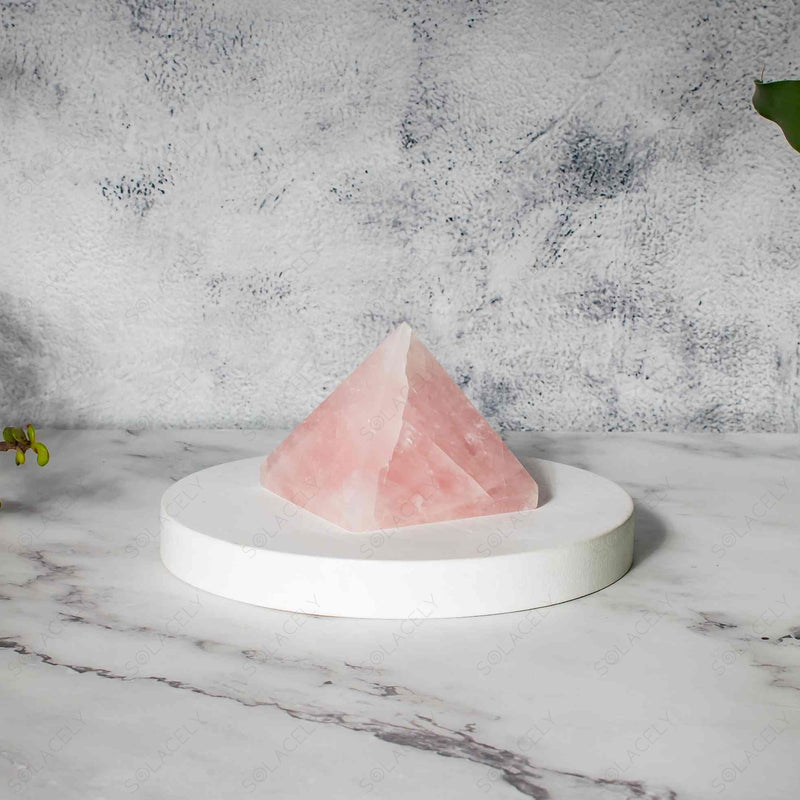
Many copper pyramids come set with crystals, and pairing is a popular Vastu and metaphysical practice. The choice is guided by intention: Pyrite for wealth and confidence, Rose Quartz for love, Amethyst for calm, Citrine for abundance, Clear Quartz as an all-purpose amplifier. These are traditional associations, valued for meaning rather than tested results.
A quick intention-led pairing chart:
| Crystal | Traditional intention | Nice placement |
|---|---|---|
| Pyrite | Wealth, confidence | North desk or office |
| Rose Quartz | Love, harmony | Bedroom, living room |
| Amethyst | Calm, sleep, focus | Study, meditation corner |
| Citrine | Abundance, optimism | Near a workspace |
| Clear Quartz | Clarity, amplification | Anywhere, all-purpose |
There is no need to overcomplicate this. Pick one crystal whose meaning matches what you want to focus on, and let the copper pyramid hold it. If you enjoy the broader tradition of copper and stones together, our overview of the spiritual benefits of wearing copper covers the same intention-first thinking for jewellery.
One honest reminder: a crystal-set pyramid is not more powerful in any measurable sense. It is more personal. The added stone gives you a clearer intention to hold, which is the real, human value of the practice.
How to clean and care for a copper pyramid
Copper tarnishes naturally over time, dulling to a darker brown as it reacts with air and moisture. This is harmless and easily reversed. To keep a copper pyramid bright, clean it gently every few weeks with a natural acidic paste, then rinse and dry it fully. Harsh scrubbers and bleach are unnecessary and can scratch the surface.
A simple care routine works well:
- Make a paste. Mix lemon juice with a little salt, or use tamarind pulp, both traditional Indian copper cleaners.
- Rub gently. Apply with a soft cloth, working over the tarnished areas without heavy scrubbing.
- Rinse. Wash off the paste with clean water so no acid or salt is left behind.
- Dry fully. Pat dry immediately, since trapped moisture is what speeds up tarnish.
- Buff. A dry microfibre cloth brings back the warm shine.
If your pyramid holds crystals, be gentler. Avoid soaking glued crystal settings, and keep acidic pastes off soft or porous stones. A dry cloth or a lightly damp one is safer for these pieces. Selenite in particular dislikes water, so keep it dry.
Beyond cleaning, tradition suggests a periodic 'reset' of intention: wipe the pyramid, place it back in its spot, and take a quiet moment to restate why it is there. Whether or not you hold the metaphysical view, that small ritual keeps the object meaningful rather than just another dusty shelf ornament. Many readers who care for copper jewellery, including deciding which hand to wear a copper bracelet, enjoy the same mindful upkeep here.
Sources
- Encyclopaedia Britannica — Vastu-purusha-mandala and traditional Indian architecture. britannica.com
- Encyclopaedia Britannica — Pyramid (Egyptian architecture): form and construction. britannica.com
- Encyclopaedia Britannica — Copper (chemical element): conductivity and properties. britannica.com
Frequently asked questions
About the author


Written by Chetna Sharma, crystal healing practitioner and co-founder of Solacely. Chetna has worked with healing crystals for over a decade and curates Solacely's protective stone collection.